
Carnegie Building
Iconic structures funded by Andrew Carnegie, these buildings often serve as libraries, museums, or community hubs, showcasing timeless architecture an...

Highlights
Must-see attractions

Social
From TikTok & Reddit
Best Time
Fewer crowds, peaceful atmosphere
Carnegie Building
Best Time
Fewer crowds, peaceful atmosphere
Highlights
Must-see attractions
Iconic structures funded by Andrew Carnegie, these buildings often serve as libraries, museums, or community hubs, showcasing timeless architecture and historical significance.

📸 Capture the Architecture
Take time to photograph the unique architectural details and historical charm of the Carnegie Building. :camerawithflash:
📚 Check for Library Services
Many Carnegie Buildings still function as libraries. Explore their collections and resources during your visit. 📚

Quick Facts
Type
Historical Landmark
Highlights
Discover the most iconic attractions and experiences
Architectural Grandeur
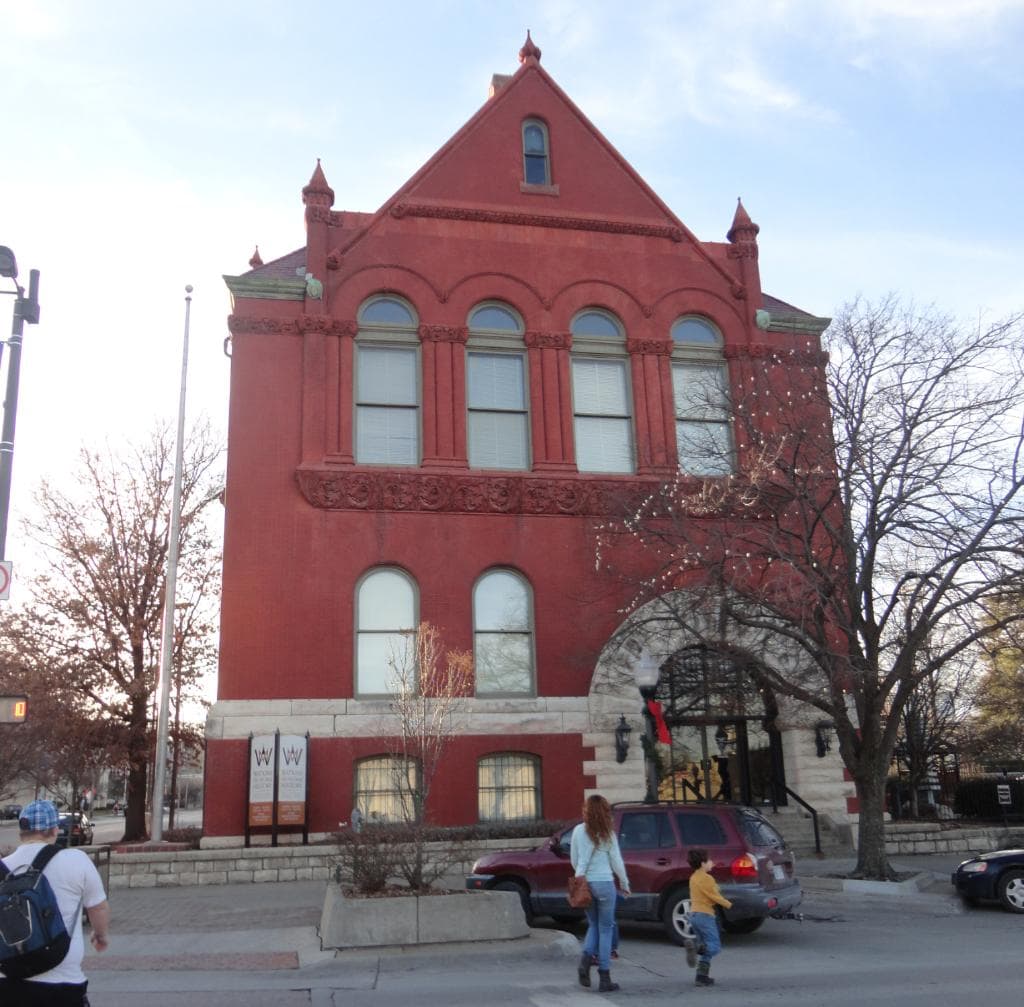
Admire the classic design and enduring architecture of these buildings, often featuring stately facades and timeless interiors.

Community Hubs
Experience these buildings as vibrant centers for learning, culture, and community gatherings, reflecting their original purpose.

Children's Spaces
Many former Carnegie libraries boast charming and dedicated children's areas, often adorned with colorful murals.
Plans like a pro.
Thinks like you
Planning Your Visit
Discover Historic Carnegie Architecture
Check Local Event Schedules
Best Times
Insider Tips
from TikTok, Instagram & Reddit
📸 Capture the Architecture
Take time to photograph the unique architectural details and historical charm of the Carnegie Building. :camerawithflash:
📚 Check for Library Services
Many Carnegie Buildings still function as libraries. Explore their collections and resources during your visit. 📚
🗓️ Verify Event Schedules
Confirm any ongoing events or exhibitions before visiting to make the most of your trip. 📅
🚶♀️ Explore the Neighborhood
Often located in charming areas, take a stroll around the vicinity to discover more local history. 🚶
Tips
from all over the internet
📸 Capture the Architecture
Take time to photograph the unique architectural details and historical charm of the Carnegie Building. :camerawithflash:
📚 Check for Library Services
Many Carnegie Buildings still function as libraries. Explore their collections and resources during your visit. 📚
🗓️ Verify Event Schedules
Confirm any ongoing events or exhibitions before visiting to make the most of your trip. 📅
🚶♀️ Explore the Neighborhood
Often located in charming areas, take a stroll around the vicinity to discover more local history. 🚶
What Travellers Say
Reviews Summary
Visitors often praise the enduring architectural beauty and historical significance of Carnegie Buildings, appreciating their role as community anchors. While many are still active libraries, some have been repurposed, offering diverse experiences. Some find parking challenging in urban locations, and checking event schedules is recommended.
What People Like
What People Dislike
Frequently Asked Questions
🚇 🗺️ Getting There
Search online for 'Carnegie Library near me' or 'Carnegie Building [your city]' to find local institutions. Many are still active libraries or community centers.

Parking availability varies greatly by location. Check the specific building's website or local parking guides. Some downtown locations may have metered street parking or nearby garages.
Many Carnegie Buildings, especially those in urban centers, are well-served by public transportation. Check local transit maps for routes and stops.
To get to the Carnegie Building in [City Name], consider taking the [specific bus/train line] which stops nearby. Alternatively, ride-sharing services are readily available.
Some Carnegie Buildings offer guided tours, especially those with significant historical importance. It's best to check the official website or contact the venue directly for tour information.
🎫 🎫 Tickets & Entry
Most Carnegie Buildings, especially those still functioning as libraries, offer free public access. Special exhibits or events may require tickets.
Opening hours vary significantly by location and day. It's crucial to check the specific Carnegie Library's official website for the most up-to-date hours.
Generally, entry to Carnegie Buildings is free, as they were intended for public use. However, specific museums or event spaces within them might charge admission.
Group visits can often be arranged. Contact the administration of the specific Carnegie Building well in advance to discuss possibilities and any associated requirements.
Weekday mornings, especially outside of school holidays, tend to be less crowded. Evenings can also be quieter after the initial rush.
🎫 🏛️ Onsite Experience
You can explore the architecture, browse collections if it's a library, attend community events, or visit any museums housed within. Some have dedicated children's areas with murals.
Yes, their classic architecture and often grand interiors make them excellent subjects for photography. Be mindful of any photography restrictions inside.
Many Carnegie Libraries offer designated quiet zones and study carrels. Some Redditors mention that finding a seat can be challenging during peak times.
Funded by Andrew Carnegie, these buildings represent a significant philanthropic effort to promote education and culture, often serving as vital community anchors for over a century.
Most active Carnegie Buildings, especially libraries, will have public restrooms. Amenities like cafes or seating areas vary by location.
🍽️ 🍽️ Food & Dining
Some larger Carnegie Buildings, particularly those that have been extensively renovated or repurposed, may have cafes. However, many function primarily as libraries and do not offer dining facilities.
Carnegie Buildings are often located in town centers or vibrant neighborhoods, so you'll likely find numerous cafes, restaurants, and eateries within walking distance.
Policies on outside food and drinks vary. Libraries typically allow covered drinks and light snacks in designated areas, but it's best to check the specific library's rules.
📸 📸 Photography
Focus on the grand entrance, interior architectural details, and any unique features like stained glass or ornate staircases. The children's areas can also offer colorful photo opportunities.
While general photography is usually permitted, flash photography or professional shoots might require special permission. Always check signage or ask staff.
Morning light can be beautiful for exterior shots, while interiors might benefit from natural light filtering through windows. Consider visiting during off-peak hours for unobstructed shots.
Social
from TikTok, Instagram & Reddit