
Canyon Rim Trail
Experience the awe-inspiring vastness of the Grand Canyon along its iconic Rim Trail, offering accessible vistas and challenging hikes.
Highlights
Must-see attractions

Social
From TikTok & Reddit
Best Time
Pleasant temps, fewer crowds
Canyon Rim Trail
Best Time
Pleasant temps, fewer crowds
Highlights
Must-see attractions
Experience the awe-inspiring vastness of the Grand Canyon along its iconic Rim Trail, offering accessible vistas and challenging hikes.
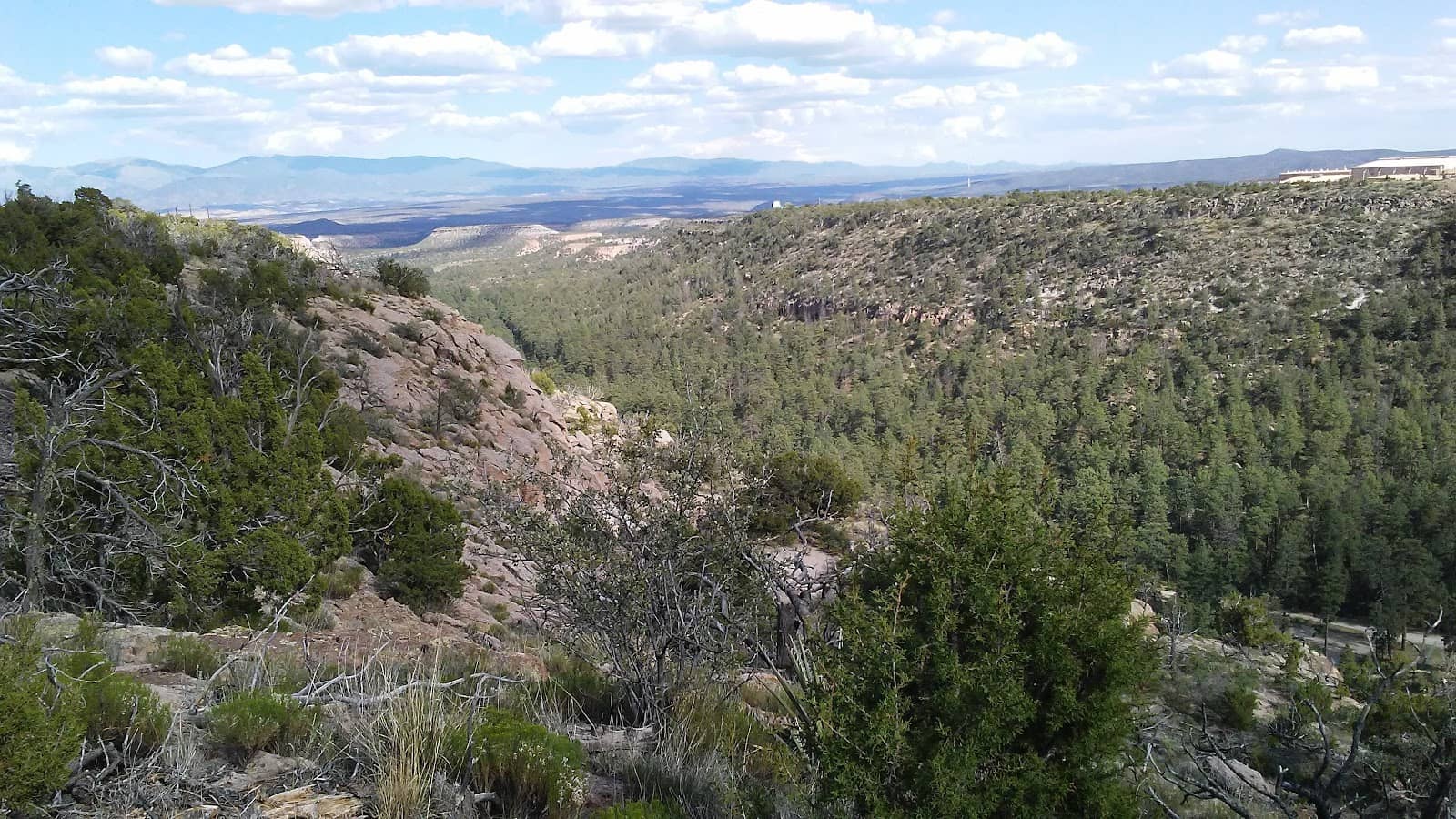
🚶♀️ Paved South Rim Trail
The South Rim Trail is mostly paved and accessible, perfect for easy strolls and incredible views.
💧 Carry Plenty of Water
Hydration is critical, especially on longer hikes. Carry more water than you think you'll need.
Quick Facts
Highlights
Discover the most iconic attractions and experiences
South Rim Trail Views
Grand Canyon National Park, South Rim
Stroll along the paved South Rim Trail for iconic, accessible vistas of the vast canyon. Perfect for all ages and abilities.
 +1
+1Bright Angel Trail Descent
Grand Canyon National Park, South Rim
Descend partway down the Bright Angel Trail for a taste of inner canyon grandeur and dramatic perspectives.
+1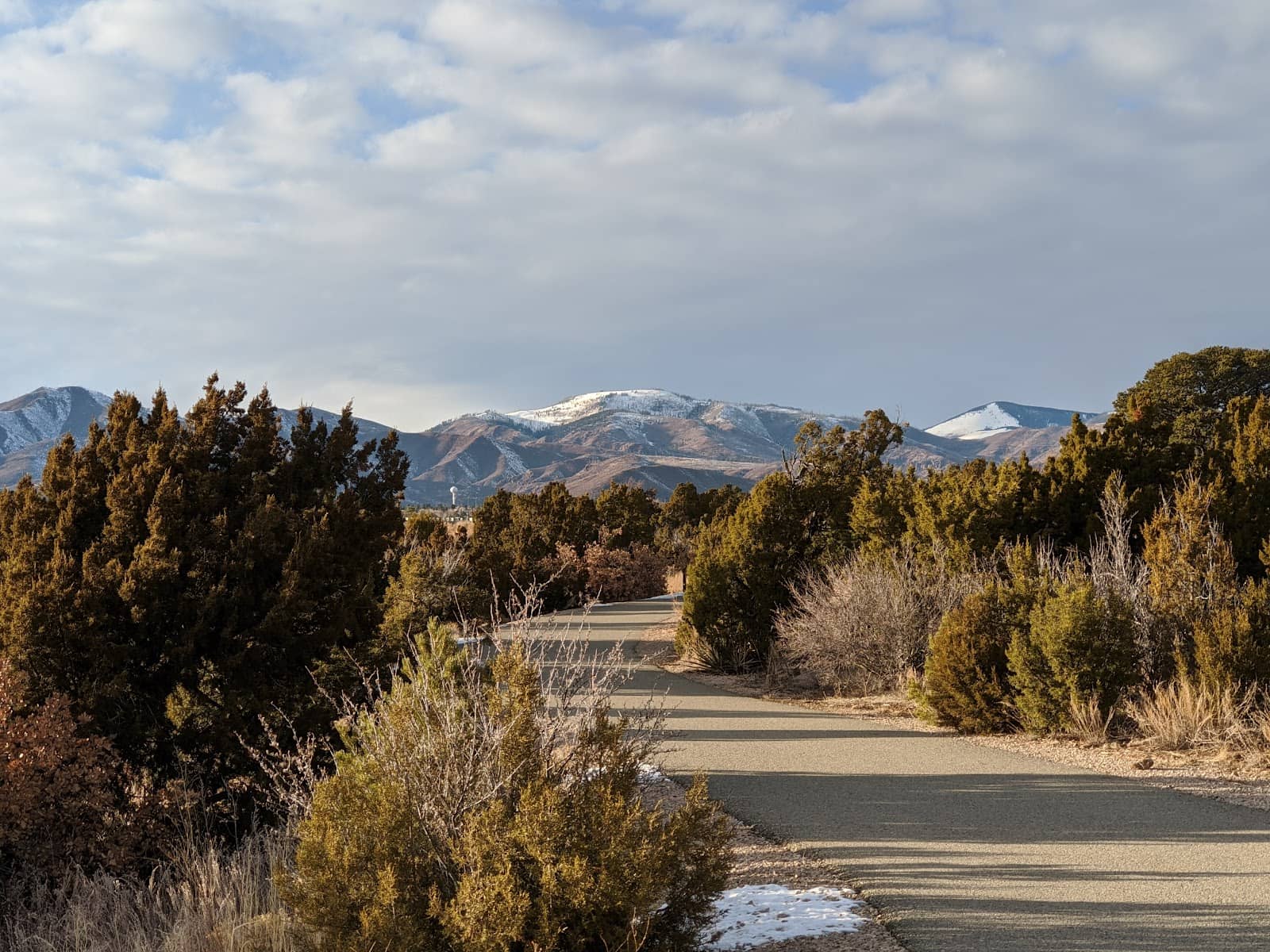
Rim to Rim Challenge
Grand Canyon National Park (South to North Rim)
The ultimate Grand Canyon adventure, this challenging hike offers unparalleled, immersive canyon experiences.
+1North Kaibab Trail
Grand Canyon National Park, North Rim
Experience the rugged beauty of the North Rim's primary corridor trail, offering a different perspective of the canyon.
Plans like a pro.
Thinks like you
Planning Your Visit
Grand Canyon Rim Trail: Essential Prep
Rim to Rim Hike: Permits & Planning
+1Best Times
Insider Tips
from TikTok, Instagram & Reddit
🚶♀️ Paved South Rim Trail
The South Rim Trail is mostly paved and accessible, perfect for easy strolls and incredible views.
💧 Carry Plenty of Water
Hydration is critical, especially on longer hikes. Carry more water than you think you'll need.
☀️ Sun Protection is Key
The sun is intense. Wear a hat, sunglasses, and sunscreen, even on cloudy days.
🥾 Sturdy Hiking Shoes
Essential for any trail, especially if venturing beyond the paved Rim Trail.
Tips
from all over the internet
🚶♀️ Paved South Rim Trail
The South Rim Trail is mostly paved and accessible, perfect for easy strolls and incredible views.
💧 Carry Plenty of Water
Hydration is critical, especially on longer hikes. Carry more water than you think you'll need.
☀️ Sun Protection is Key
The sun is intense. Wear a hat, sunglasses, and sunscreen, even on cloudy days.
🥾 Sturdy Hiking Shoes
Essential for any trail, especially if venturing beyond the paved Rim Trail.
📅 Book Accommodations Early
Lodging inside and near the park fills up months in advance, especially for Rim to Rim hikers.
♿ Accessible Trail Options
The paved South Rim Trail is largely wheelchair accessible, offering great views for all.
What Travellers Say
Reviews Summary
Visitors consistently praise the Grand Canyon's unparalleled natural beauty and the accessibility of the South Rim Trail for stunning, easy-to-reach vistas. The challenging Rim to Rim hike is a highlight for experienced adventurers, though many caution about its difficulty. Some find the park crowded, especially during peak season, and lodging can be expensive.
What People Like
What People Dislike
Frequently Asked Questions
🚇 🗺️ Getting There
The South Rim Trail is easily accessible from Grand Canyon Village. You can drive and park in designated lots, or utilize the free park shuttle system, which stops at various viewpoints along the rim.
Public transportation options to the North Rim are limited. The Trans-Canyon Shuttle operates seasonally between the South and North Rims, but booking in advance is essential.
Yes, the Rim to Rim hike is a popular, albeit strenuous, multi-day trek. It typically involves descending the South Kaibab or Bright Angel Trail and ascending the North Kaibab Trail.
The free park shuttle buses are the most convenient way to navigate the South Rim, connecting major viewpoints, lodges, and visitor centers. This helps reduce traffic congestion.
The paved South Rim Trail is largely wheelchair accessible and offers spectacular views without significant elevation changes.
🎫 🎫 Tickets & Entry
No permit is required for hiking the Rim Trail itself, as it's an open-access trail. However, backcountry permits are mandatory for overnight camping within the canyon.
There is an entrance fee per vehicle to enter Grand Canyon National Park. This fee is valid for seven days and covers access to both the South and North Rims. Check the official NPS website for current pricing.
For overnight Rim to Rim hikes, you need a backcountry permit, which can be obtained through Recreation.gov. These permits are highly competitive and require advance planning.
Yes, Grand Canyon National Park offers various passes, including an annual pass, senior pass, and military pass. Check the NPS website for eligibility and details.
While technically possible, hiking Rim to Rim in one day is extremely strenuous and not recommended for most hikers. No permit is required for this single-day effort.
🎫 🥾 Onsite Experience
Popular viewpoints include Mather Point, Yavapai Point, Hopi Point, and Mohave Point, offering diverse perspectives of the canyon's vastness.
The paved South Rim Trail is about 13 miles long. You can walk sections or the entire length, with most people spending several hours to a full day exploring different viewpoints.
The Rim to Rim hike is considered very strenuous and potentially dangerous due to extreme elevation changes, heat, and remoteness. Proper preparation and fitness are essential.
Pack plenty of water, snacks, sunscreen, a hat, sunglasses, sturdy shoes, and a camera. Layers of clothing are also recommended as temperatures can change.
The North Rim offers several easier trails, including portions of the Transept Trail and the Cape Royal Trail, which provide beautiful views with less strenuous effort.
📸 📸 Photography
Sunrise and sunset offer the most dramatic lighting, with golden hues painting the canyon walls. Midday can be harsh, but offers clear, detailed shots.
A wide-angle lens is great for capturing the vastness, while a telephoto lens can isolate interesting formations. A sturdy tripod is helpful for low-light conditions.
No, drone operations are prohibited in Grand Canyon National Park to protect wildlife and preserve the visitor experience.
Viewpoints like Mather Point, Yavapai Point, and Hopi Point on the South Rim, and Bright Angel Point on the North Rim, offer excellent panoramic opportunities.
Include a person or a recognizable object in your frame to provide a sense of scale. Shooting from different elevations can also emphasize the canyon's depth.





Social
from TikTok, Instagram & Reddit