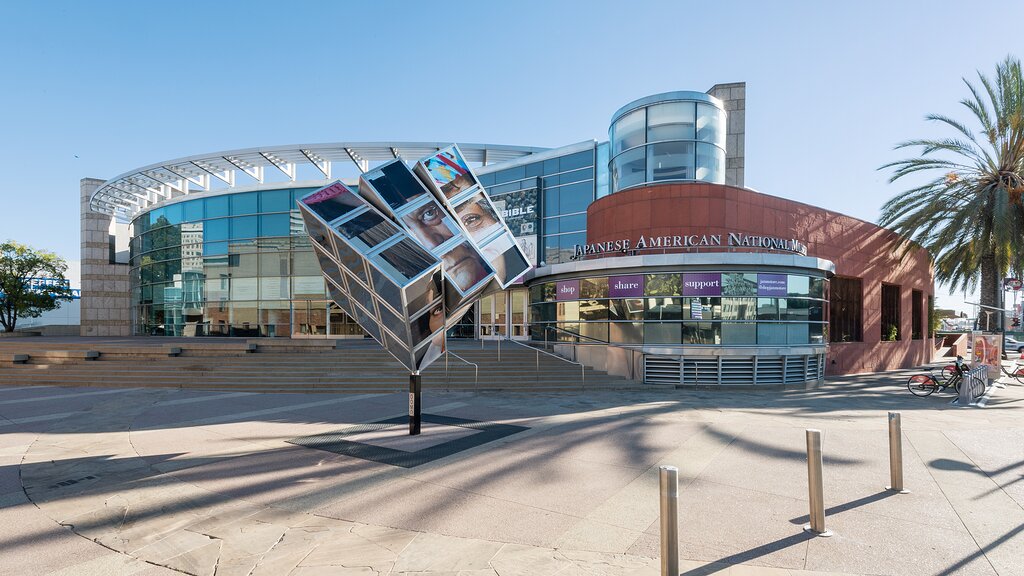
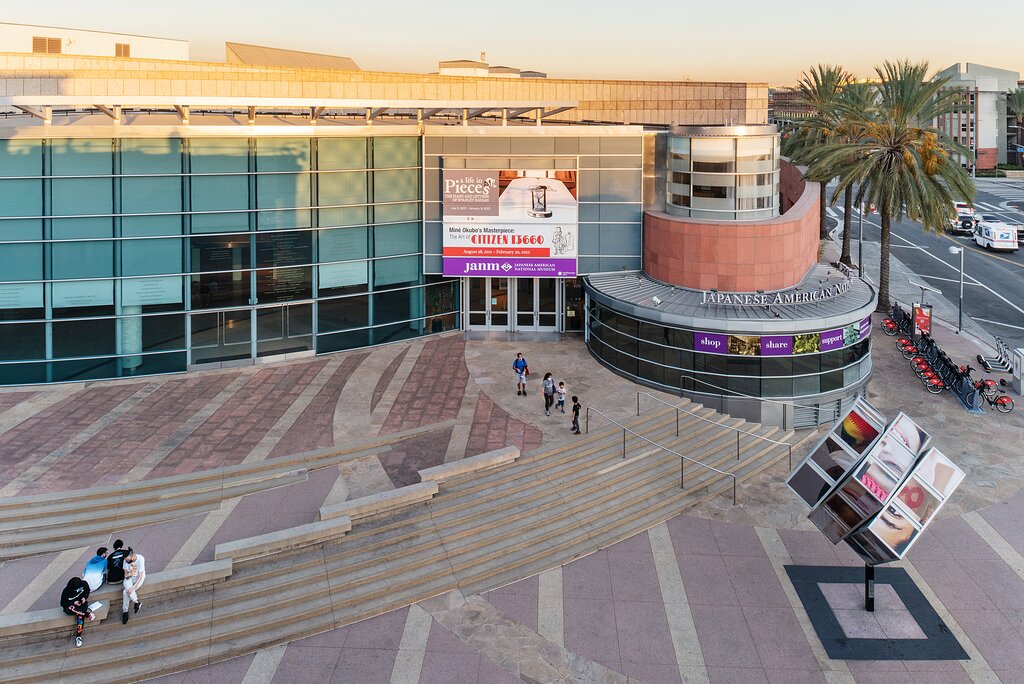
Japanese American National Museum Los Angeles
Explore over 130 years of Japanese-American history through art, artifacts, and powerful exhibits.
Highlights
Must-see attractions

Social
From TikTok & Reddit
Best Time
Fewer crowds, more reflective
Japanese American National Museum Los Angeles
Best Time
Fewer crowds, more reflective
Highlights
Must-see attractions
Explore over 130 years of Japanese-American history through art, artifacts, and powerful exhibits.
"A must-visit for understanding a crucial part of American history and Japanese-American resilience."
🎯 Easy Public Transport Access
The Metro Gold Line's Little Tokyo/Arts District station is right outside! :train2:
⏳ Allow Ample Time
The exhibits, especially the internment displays, are deeply moving. Plan for at least 2-3 hours. :clock1:
Quick Facts
Highlights
Discover the most iconic attractions and experiences
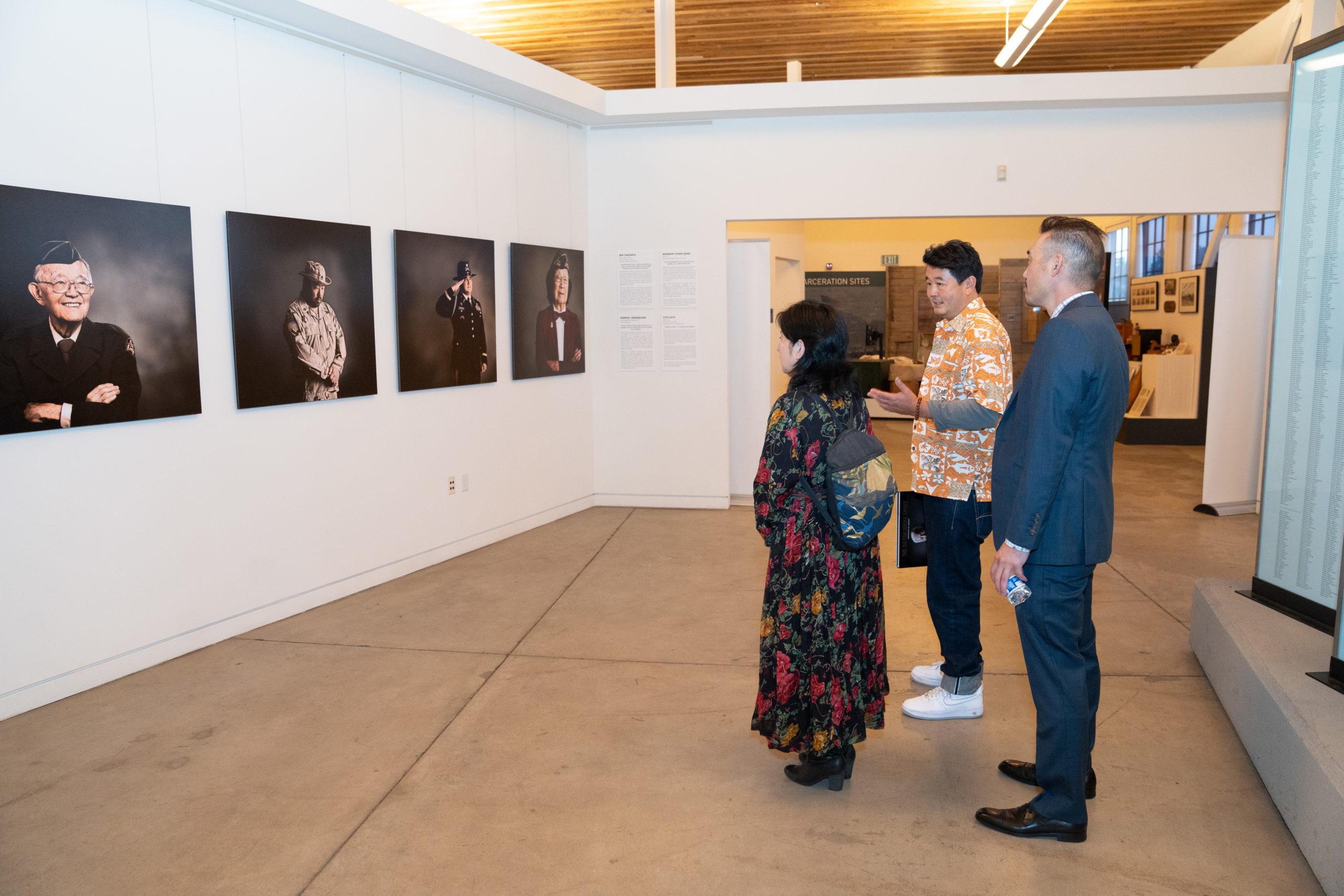
WWII Japanese American Internment Exhibit
Main Exhibition Hall
A powerful and moving exploration of the unjust internment of Japanese Americans during World War II.
Go For Broke Exhibit
Main Exhibition Hall
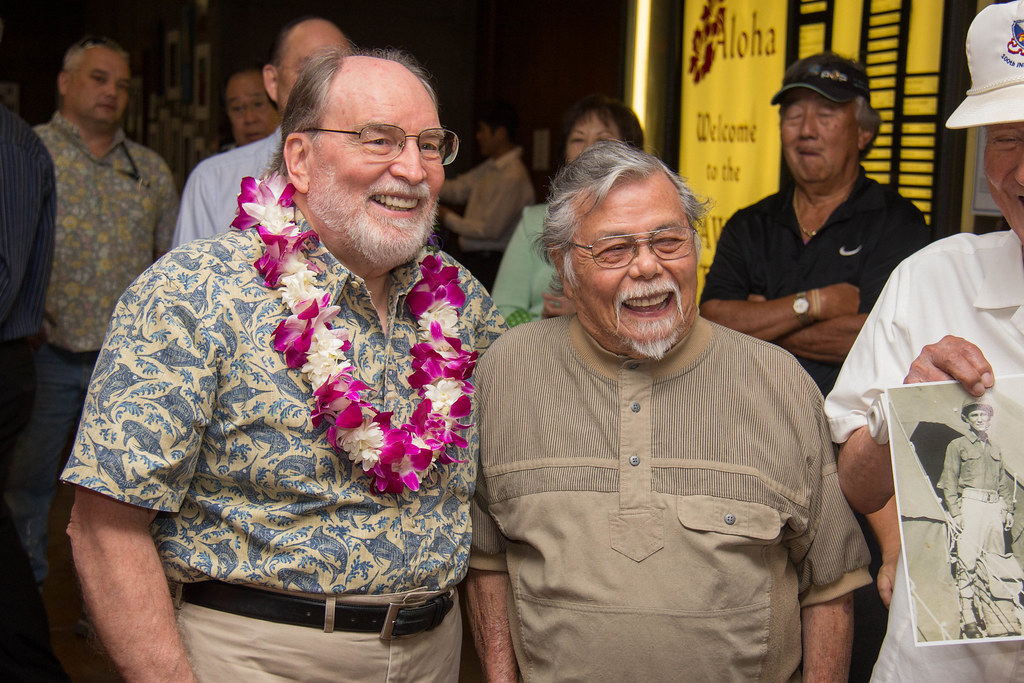
Honors the Nisei soldiers of the 442nd Regimental Combat Team and 100th Infantry Battalion.
Rotating Exhibitions
Various Galleries
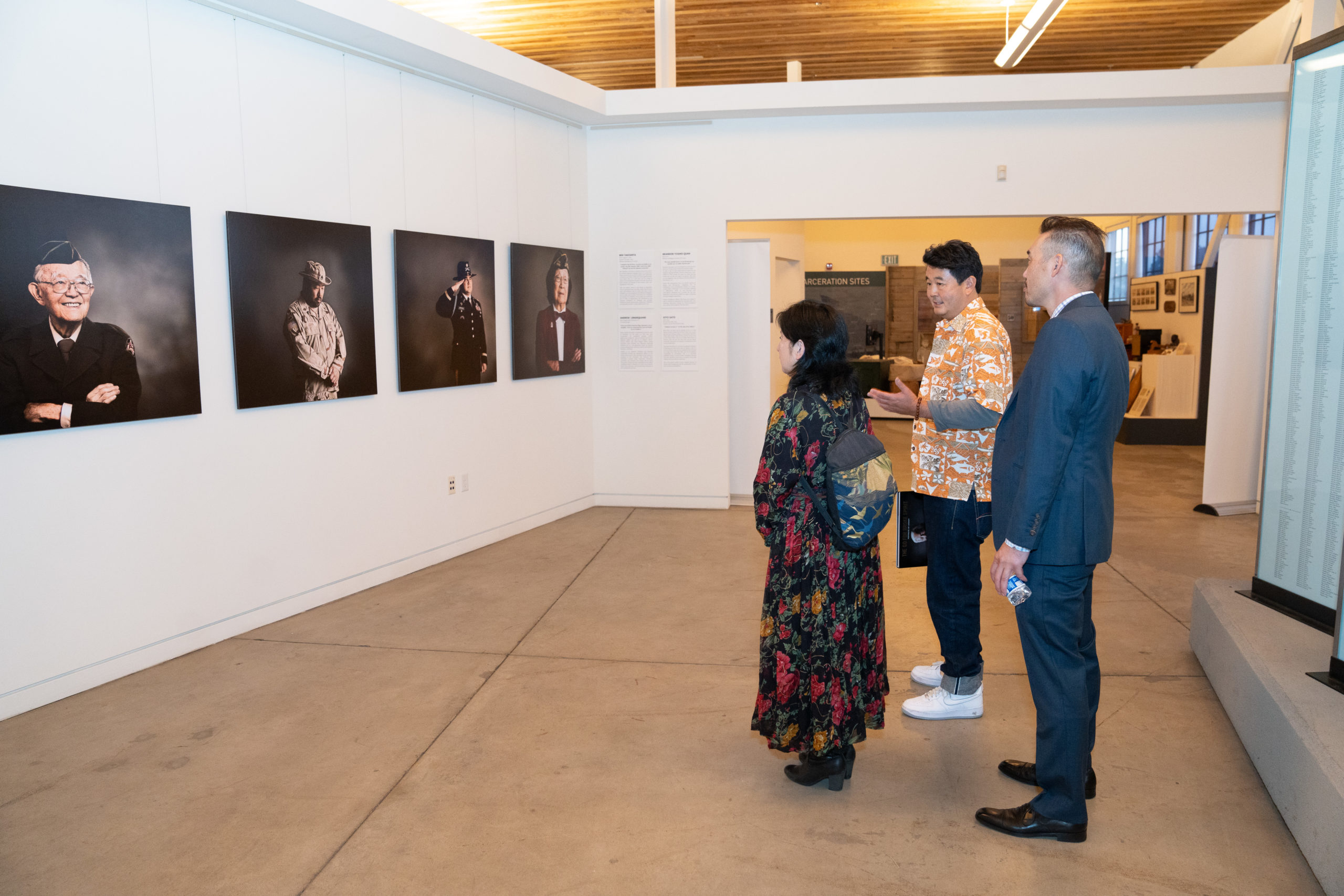
Discover diverse stories and perspectives on Japanese-American life, culture, and art.
Plans like a pro.
Thinks like you
Planning Your Visit
Plan Your Visit to JANM
Getting to Little Tokyo
Best Times
Insider Tips
from TikTok, Instagram & Reddit
🎯 Easy Public Transport Access
The Metro Gold Line's Little Tokyo/Arts District station is right outside! :train2:
⏳ Allow Ample Time
The exhibits, especially the internment displays, are deeply moving. Plan for at least 2-3 hours. :clock1:
📚 Check Current Exhibits
JANM always has compelling rotating exhibits alongside its permanent collections. :pagefacingup:
📍 Combine with Little Tokyo
Explore the surrounding Little Tokyo area for dining and cultural experiences. :city_sunrise:
Tips
from all over the internet
🎯 Easy Public Transport Access
The Metro Gold Line's Little Tokyo/Arts District station is right outside! :train2:
⏳ Allow Ample Time
The exhibits, especially the internment displays, are deeply moving. Plan for at least 2-3 hours. :clock1:
📚 Check Current Exhibits
JANM always has compelling rotating exhibits alongside its permanent collections. :pagefacingup:
📍 Combine with Little Tokyo
Explore the surrounding Little Tokyo area for dining and cultural experiences. :city_sunrise:
What Travellers Say
Reviews Summary
Visitors consistently praise the Japanese American National Museum for its profound and moving exhibits, particularly those detailing the WWII internment experience. The museum's accessible location in Little Tokyo and its role in preserving Japanese-American history are highly valued. Some visitors note that the sensitive nature of certain exhibits requires emotional preparation.
"This museum is ideally situated on the edge of Little Tokyo in Los Angeles. With the museum itself, along with the nearby shops, cafés, and restaurants, it’s a great place to spend a few enjoyable hours."
G Whizz
"Hello, I just wanted to draw some attention from the Museum to this review. I absolutely love this museum and I love what you guys do by having this museum exist in general. As a person of color from So-Cal, here, I believe Japanese-American History shouldn’t be erased. With that being said, I gave this review only one star because I’m disappointed at the fact this museum is temporarily closed at times like these where we see history repeating itself. Brown families are being separated once again. People are being kidnapped and taken to encampments basically. And this museum is temporarily closed???!! Please, I beg of you..Please open your doors to the public again. People need to see your exhibits so that we can share these exhibits with more and more people and make sure that we don’t let history keep repeating itself."
Noemi Noyola
"Got some free tickets. Got there 2 hours before closing time. Enjoyed the whole place.
Kid friendly just make sure they're respectful because we experienced some little rude sh!ts when we were there.
They have an area where they give you some sort of camera you walk around that room and it shows you old school pictures and stuff.
Overall awesome place to learn about how crazy it was for the Japanese people.
Oh yeah no parking and hard to get street parking so there is paid parking lots around. Also after the museum you can hit up all those restaurants and shops in the plaza across the street."
Jo Ca
What People Like
What People Dislike
Frequently Asked Questions
🚇 🗺️ Getting There
The museum is easily accessible via public transportation. The Metro Gold Line has a direct stop at the Little Tokyo/Arts District station, which is right at the museum's doorstep. If driving, be aware that parking in Little Tokyo can be limited and costly; several paid parking lots are available nearby.
Yes, there are several paid parking lots and garages in the vicinity of the museum in Little Tokyo. However, parking can be competitive, especially during peak hours or events.
For convenience and to avoid parking hassles, taking the Metro Gold Line to the Little Tokyo/Arts District station is highly recommended.
Yes, the Japanese American National Museum (JANM) is a central attraction located in the heart of Los Angeles's historic Little Tokyo district.
Absolutely! JANM is within walking distance of many other Little Tokyo landmarks, including the Hompa Hongwanji Buddhist Temple and various shops and restaurants.
🎫 🎫 Tickets & Entry
The museum's hours can vary, so it's always best to check their official website for the most up-to-date information. Generally, they are open Tuesday through Sunday, with some days offering extended evening hours.
Admission fees are subject to change. It's recommended to visit the official JANM website for current ticket prices and any potential discounts or free admission days.
While walk-in tickets are often available, booking your tickets online in advance is a good idea, especially for popular exhibitions or during busy periods, to guarantee entry and potentially save time.
The museum may offer discounts for seniors, students, children, and members. Check their website for details on eligibility and how to apply for these rates.
Yes, JANM is committed to accessibility and is generally accessible for visitors with disabilities. It's advisable to contact the museum directly for specific accessibility needs or information.
🎫 🏛️ Onsite Experience
The permanent exhibits on the Japanese American internment during WWII and the 'Go For Broke' exhibit honoring Nisei soldiers are highly recommended and deeply impactful.
Most visitors find that 2-3 hours is sufficient to explore the main exhibits thoroughly. However, if you plan to delve deeply into each display or attend a special program, you might need more time.
While the museum's subject matter, particularly the internment exhibits, can be sensitive, it offers valuable historical lessons. Some exhibits may be more suitable for older children and teens who can grasp the historical context.
The museum often offers guided tours, which can greatly enhance your understanding of the exhibits. Check the museum's schedule upon arrival or on their website for tour times and availability.
Photography policies can vary by exhibition. Generally, non-flash photography for personal use is permitted in most areas, but it's essential to look for signage or ask museum staff for specific guidelines.
🍽️ 🍽️ Food & Dining
Yes, the museum is located in Little Tokyo, which offers a wide array of dining options, from traditional Japanese cuisine to other Asian flavors and vegetarian-friendly choices.
While the museum itself may not have a full-service restaurant, it's surrounded by numerous eateries in Little Tokyo, providing plenty of choices for a meal or snack.
You can find authentic Japanese ramen, sushi, bento boxes, as well as other Asian cuisines. Many restaurants in the area are also accommodating to vegetarian diets.
📸 📸 Photography
Photography rules can differ for special exhibitions. Typically, non-flash photography for personal use is allowed in permanent collection areas. Always check for signage or ask staff.
The museum's architecture and the poignant displays themselves can be very photogenic. Look for opportunities to capture the emotional resonance of the exhibits.


Social
from TikTok, Instagram & Reddit