Very Large Array
Explore the Very Large Array, a stunning radio observatory with 27 massive dishes in New Mexico's desert landscape.
Highlights
Must-see attractions

Social
From TikTok & Reddit
Best Time
Pleasant temperatures for exploring
Very Large Array
Best Time
Pleasant temperatures for exploring
Highlights
Must-see attractions
Explore the Very Large Array, a stunning radio observatory with 27 massive dishes in New Mexico's desert landscape.
"Standing among the giant radio telescopes is an unforgettable experience, like stepping into a science fiction movie."
🚗 Drive with Care
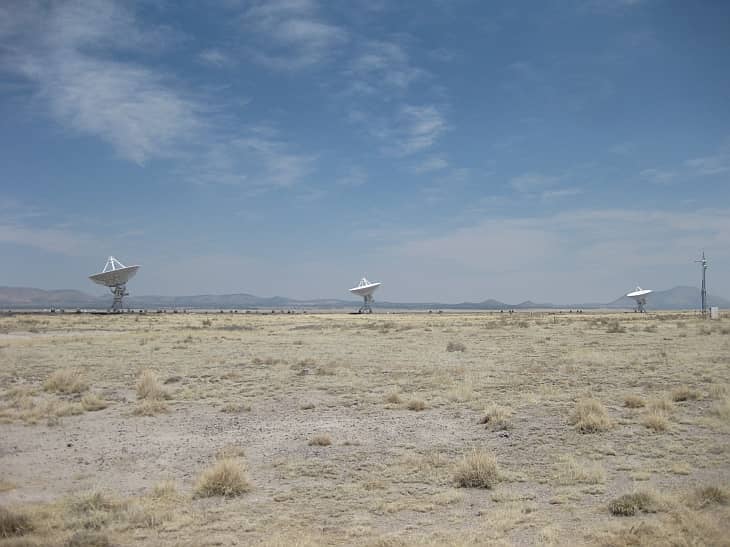
The VLA is remote; enjoy the scenic drive and keep an eye out for wildlife.
💧 Stay Hydrated!
Bring plenty of water, especially during warmer months. It's a desert environment!
Quick Facts
Hours
Rating
4.8 · 1,159 reviews
Website
public.nrao.eduHighlights
Discover the most iconic attractions and experiences
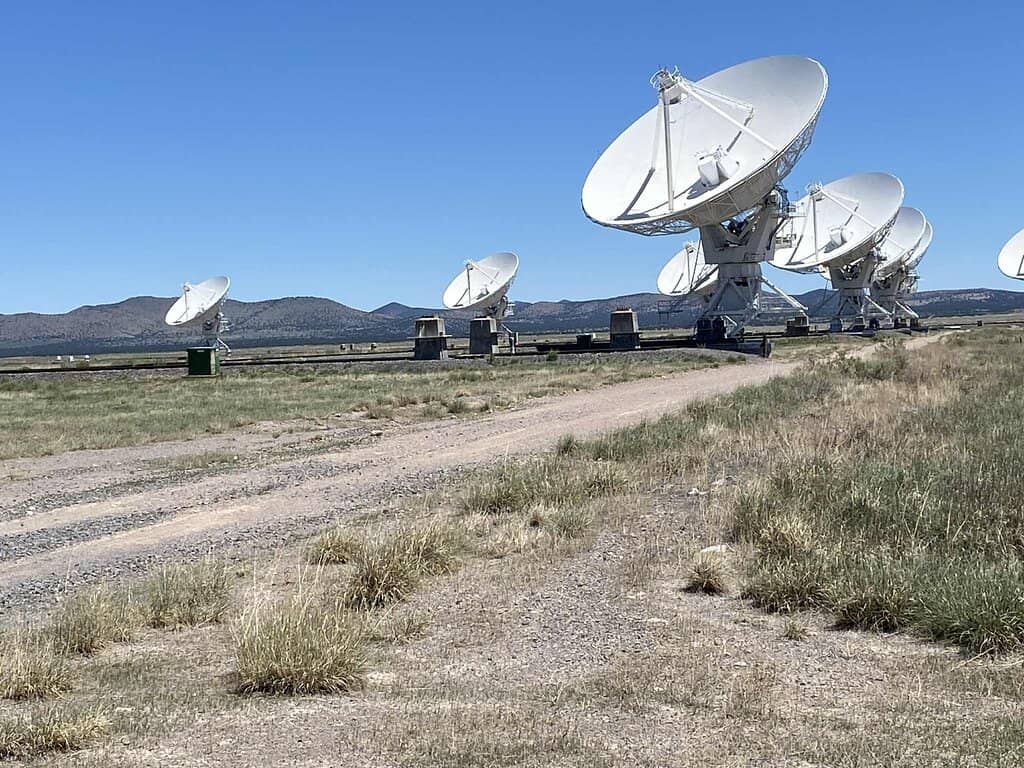
The Giant Radio Dishes
Plains of Agustin
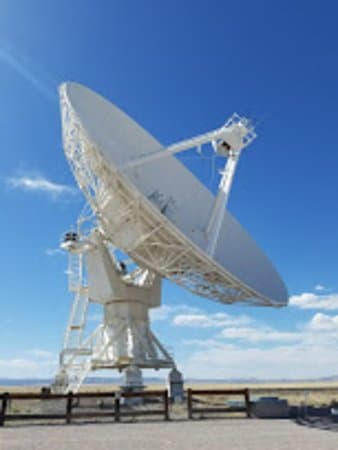
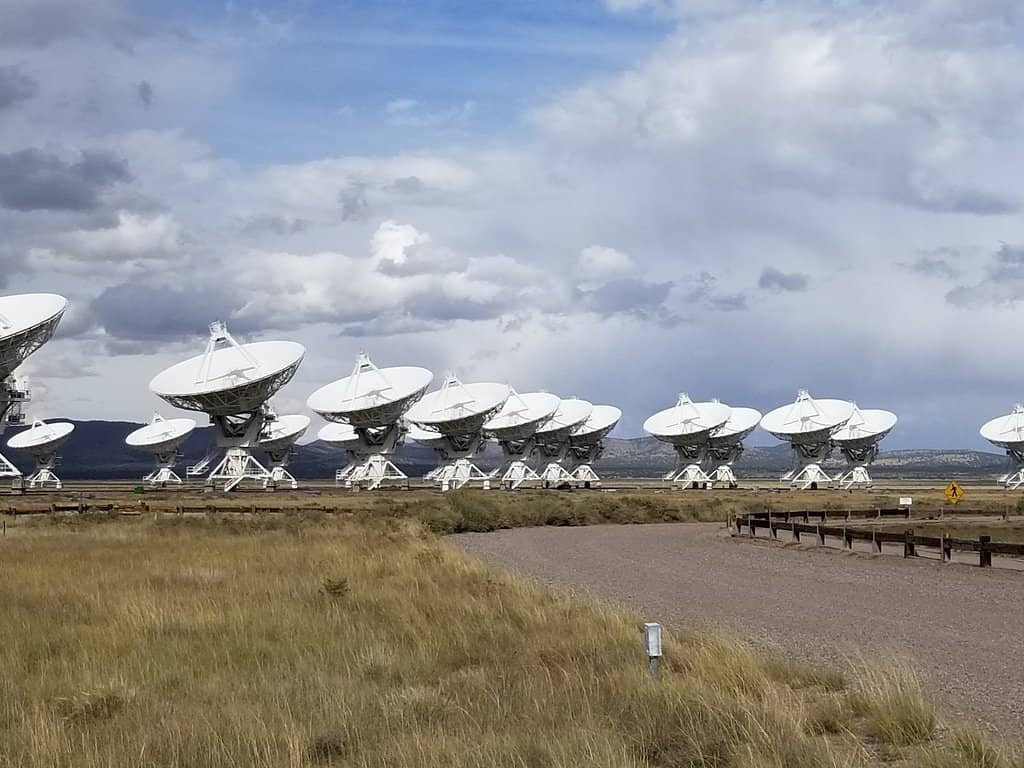
Stand in awe of 27 massive, 82-foot-wide radio telescopes, a truly sci-fi landscape.
Visitor Center Exhibits
Visitor Center
Learn about the VLA's groundbreaking discoveries and its role in searching for extraterrestrial life.
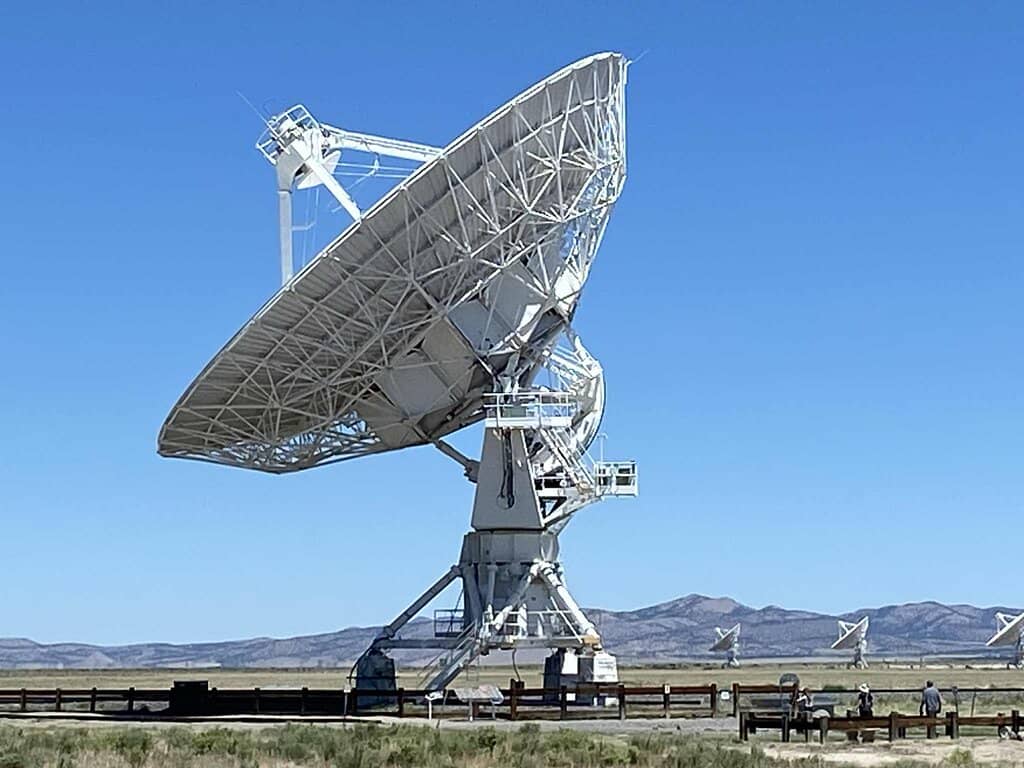
Self-Guided Walking Tour
Antenna Array
Get up close to the impressive engineering of the antennas and feel their immense scale.
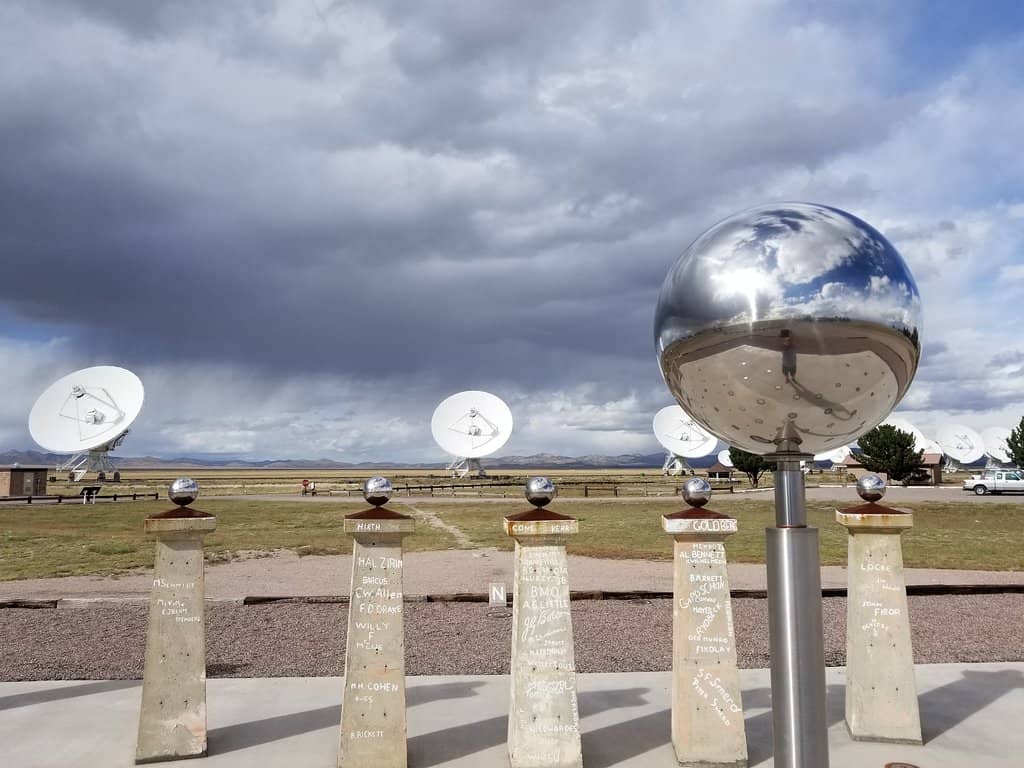
Musical Wind Installation
Near the dishes
Experience otherworldly sounds created by wind interacting with strings, a unique artistic addition.
Plans like a pro.
Thinks like you
Planning Your Visit
Timing is Key for the Best Experience
Prepare for the Desert Environment
Best Times
Insider Tips
from TikTok, Instagram & Reddit
🚗 Drive with Care
The VLA is remote; enjoy the scenic drive and keep an eye out for wildlife.
💧 Stay Hydrated!
Bring plenty of water, especially during warmer months. It's a desert environment!
✈️ Airplane Mode Essential
Turn off all electronic devices to avoid interfering with the sensitive radio telescopes.
📸 Capture the Scale
The sheer size of the dishes is breathtaking. Wide-angle lenses are great for photos.

Tips
from all over the internet
🚗 Drive with Care
The VLA is remote; enjoy the scenic drive and keep an eye out for wildlife.
💧 Stay Hydrated!
Bring plenty of water, especially during warmer months. It's a desert environment!
✈️ Airplane Mode Essential
Turn off all electronic devices to avoid interfering with the sensitive radio telescopes.
📸 Capture the Scale
The sheer size of the dishes is breathtaking. Wide-angle lenses are great for photos.
💡 Attend an Open House
Special events offer behind-the-scenes access and talks from scientists.
What Travellers Say
Reviews Summary
Visitors consistently describe the Very Large Array as awe-inspiring and unforgettable, with the sheer scale of the radio telescopes being a major highlight. The informative visitor center and the opportunity to get up close to the antennas are highly praised. While the remote desert location is part of its charm, some visitors found the gift shop selection to be lacking in variety.
"I anticipated this place to be cool but was a bit wary as we weren’t going on an open house day and I wasn’t sure how much info we would get. For $10 a person it is well worth the visit! You can pay at their kiosk or in the visitor center. Also they have a penny machine if you’re into that with 4 design options! There is a nice 10-15 minute film when you first get there to give you some insight. Then aside from displays inside and a nice gift shop, there is a self guided walking tour with a brochure. It had some hands on stuff to do which was great for interpretation. We also got to see the arrays move a couple of times during our visit which was cool to see! All of the workers knew their stuff and were very friendly."
Ellyn Felton
"Cannot say enough about how awesome it is to visit the VLA, whether it's for the science, the learning or the beauty of the location. Strongly advise to plan a trip at one of the open house event days (usually Saturday in April & October). The staff is absolutely wonderfull at giving guided tours explaining how and why everything works while answering all your questions. This was my second visit since becoming a member (not required but it has benefits well worth your while and helps further education efforts). Please visit the very one of a kind gift shop - shirts, caps, mugs and so much more. Already planning for the next ones!"
David Killam
"I really enjoyed my visit here to see the antenna array. I was a little disappointed that the only thing to really see in their visitors center was a video narrated by Jodi Foster. I wish they would have had actual displays explaining what they have discovered and talking more about the science aspect.
They do offer a guided tour, but I ended up taking the self guided which I enjoyed. Overall seeing the satellite dishes up close was the highlight for me from the whole visit.
I ended up driving around the facility from the highway and stopped along the way to take pictures which was a lot of fun on its own."
Hayden Haake
What People Like
What People Dislike
Frequently Asked Questions
🚇 🗺️ Getting There
The Very Large Array (VLA) is located on the Plains of Agustin in central New Mexico, about 50 miles west of Socorro. It's accessible via Highway 60. Many visitors make it a stop while traveling along this route. It's approximately a 2-hour drive from Albuquerque and a 1-hour drive from Socorro.
Yes, the VLA is well-marked off Highway 60. The distinctive large dishes are visible from a distance, making it a landmark.
The drive is scenic, traversing wide-open desert landscapes. Be prepared for a remote location with limited services.
Visiting without a car is challenging due to its remote location. It's best to have your own vehicle or join a guided tour that includes transportation.
The closest towns are Magdalena and Datil, though Socorro offers more accommodation options and is about an hour away. Albuquerque is a larger city with more amenities, about two hours away.
🎫 🎫 Tickets & Entry
Entry to the VLA site and the self-guided walking tour is generally affordable and doesn't require advance booking for standard visits. Check their official website for current admission fees and hours.
The VLA is typically open seven days a week from 9 AM to 4 PM for visitor access. However, it's always a good idea to confirm current hours before your visit, especially for special events.
While the VLA is a working scientific facility, there is usually a modest fee for the self-guided tour and access to the visitor center.
Standard visitor hours are during the day. However, the VLA occasionally hosts 'star parties' or special events that allow for nighttime viewing and access.
While the primary visitor experience is a self-guided walking tour, special events like the VLA Open House may offer more in-depth guided experiences with astronomers and engineers.
🎫 🔭 Onsite Experience
You can explore the visitor center with informative exhibits, watch an educational film, and take a self-guided walking tour to get up close to the massive radio telescopes. There's also a unique musical wind installation.
Most visitors spend 2-3 hours exploring the visitor center and taking the walking tour. You can spend more time if you're particularly interested in astronomy or photography.
Yes, the VLA is considered kid-friendly. The hands-on displays and the sheer scale of the antennas are engaging for all ages.
Photography is encouraged, but remember to put all electronic devices in airplane mode to avoid interfering with the telescopes. Wide-angle shots are great for capturing the vastness.
The 'visitor dish' is one of the 27 radio telescopes that is accessible to the public on the walking tour. Visitors can hear it move and adjust.
🍽️ 🍽️ Food & Dining
There are no dining facilities directly at the Very Large Array. Visitors should plan to bring their own food and drinks or eat in nearby towns like Socorro or Magdalena.
Yes, bringing your own picnic is a great idea, especially since dining options are limited. There are often picnic areas available.
Nearby towns like Socorro offer a range of casual dining options, including diners, cafes, and fast food.
📸 📸 Photography
Sunrise and sunset offer dramatic lighting for the dishes. The vast, open plains also provide stunning backdrops. Astrophotography is excellent due to the dark skies.
A wide-angle lens is highly recommended to capture the immense scale of the dishes and the surrounding landscape. A tripod can be useful for low-light conditions or astrophotography.
The main restriction is that all electronic devices must be in airplane mode to prevent interference with the radio telescopes.
While standard visitor hours are during the day, special events like star parties may offer opportunities for nighttime photography. The dark skies are ideal for astrophotography.
The VLA is located in a remote area with very little light pollution, making it an excellent location for capturing the night sky and celestial objects.


Social
from TikTok, Instagram & Reddit