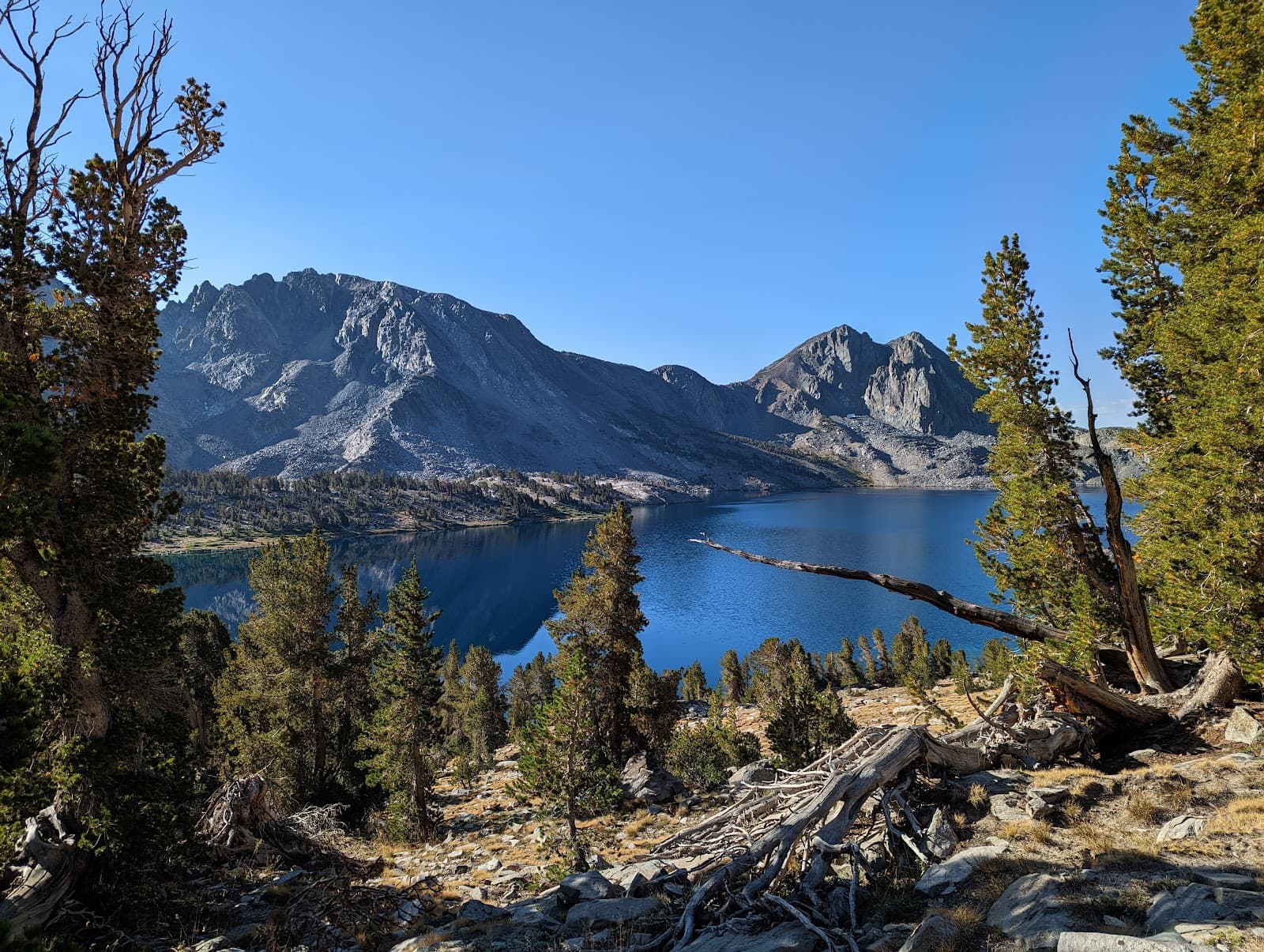
Duck Pass Trail
A challenging 10-mile hike in Mammoth Lakes, CA, leading to a chain of stunning alpine lakes with breathtaking Sierra Nevada views.
Highlights
Must-see attractions

Social
From TikTok & Reddit
Best Time
Clear skies & fewer crowds
Duck Pass Trail
Best Time
Clear skies & fewer crowds
Highlights
Must-see attractions
A challenging 10-mile hike in Mammoth Lakes, CA, leading to a chain of stunning alpine lakes with breathtaking Sierra Nevada views.

👟 Wear sturdy hiking boots
Rocky terrain and elevation gain demand good footwear. Many recommend waterproof boots for potential stream crossings.
💧 Hydrate, hydrate, hydrate!
Altitude can be brutal. Carry plenty of water and consider electrolytes.

Quick Facts
Highlights
Discover the most iconic attractions and experiences
Skelton Lake
Along the Duck Pass Trail
A pristine alpine lake offering breathtaking reflections and a sense of accomplishment.
Pika Lake
Along the Duck Pass Trail
Crystal-clear turquoise waters nestled amidst rugged Sierra Nevada scenery.

Emerald Lake
Along the Duck Pass Trail
A picturesque gem with vibrant green hues, perfect for a serene stop.
Duck Lake
End of the Duck Pass Trail
The namesake lake, offering stunning panoramic views and a rewarding destination.
Plans like a pro.
Thinks like you
Planning Your Visit
Conquer the Climb: Prepare for Elevation
Timing is Everything: Beat the Crowds
Best Times
Insider Tips
from TikTok, Instagram & Reddit
👟 Wear sturdy hiking boots
Rocky terrain and elevation gain demand good footwear. Many recommend waterproof boots for potential stream crossings.
💧 Hydrate, hydrate, hydrate!
Altitude can be brutal. Carry plenty of water and consider electrolytes.
⬆️ Acclimatize in Mammoth Lakes
Spend a day or two at lower elevation before tackling this hike to avoid altitude sickness.
☀️ Start early to beat heat
Morning hikes offer cooler temperatures and better light for photos.
Tips
from all over the internet
👟 Wear sturdy hiking boots
Rocky terrain and elevation gain demand good footwear. Many recommend waterproof boots for potential stream crossings.
💧 Hydrate, hydrate, hydrate!
Altitude can be brutal. Carry plenty of water and consider electrolytes.
⬆️ Acclimatize in Mammoth Lakes
Spend a day or two at lower elevation before tackling this hike to avoid altitude sickness.
☀️ Start early to beat heat
Morning hikes offer cooler temperatures and better light for photos.
🗺️ Download offline maps
Cell service is spotty. Ensure you have your route downloaded on an app like AllTrails.
What Travellers Say
Reviews Summary
Hikers consistently praise the Duck Pass Trail for its absolutely stunning alpine lakes and breathtaking High Sierra scenery. The challenging nature of the hike is seen as a worthwhile endeavor, with many calling it a 'bucket list' trail. However, some find the elevation gain and length demanding, and crowds can be an issue during peak times.
What People Like
What People Dislike
Frequently Asked Questions
🚇 🗺️ Getting There
The Duck Pass Trailhead is typically accessed from the Coldwater Campground area near Mammoth Lakes, California. You'll drive towards the campground and find parking. Some suggest it's part of a larger loop that includes other trailheads. 
Parking is available at the Coldwater Campground area, but it can fill up quickly, especially during peak season. Arriving early is highly recommended.
Public transportation options directly to the trailhead are limited. It's best to have your own vehicle or arrange a shuttle service if you're not driving. Mammoth Lakes does have local bus services, but check their routes and schedules carefully.
The most common route from Los Angeles to Mammoth Lakes is via US-395 North. This scenic drive takes approximately 5-6 hours, depending on traffic and stops.
While the trail itself is generally free to access, you may need to pay for parking at the trailhead or campground. Additionally, if you plan to camp in the Inyo National Forest, permits and fees will apply.
🎫 🎫 Tickets & Entry
For day hiking, a permit is generally not required. However, if you plan to backpack or camp overnight in the Inyo National Forest, you will need a wilderness permit, which can be obtained in advance or at ranger stations.
The Duck Pass Trail is an outdoor natural attraction and is accessible year-round, weather permitting. However, the best hiking season is typically from late spring through early fall when snow has melted.
There is no direct entrance fee for the Duck Pass Trail itself. However, you may incur costs for parking, camping permits if applicable, and transportation to the trailhead.
As it's a natural trail, there are no tickets to buy in advance. If you plan to camp, securing wilderness permits well in advance is crucial, especially for popular areas.
Camping reservations for campgrounds like Coldwater Campground can be made through recreation.gov. For wilderness camping, you'll need to apply for a wilderness permit through the Inyo National Forest website.
🎫 🏞️ Onsite Experience
The Duck Pass Trail is considered a strenuous or hard hike. It's approximately 10 miles round trip with an elevation gain of around 2,200 feet, reaching over 10,500 feet.
Most hikers take between 4 to 7 hours to complete the Duck Pass Trail, depending on their fitness level, pace, and how much time they spend enjoying the views and lakes.
You'll experience diverse alpine scenery, including lush forests, open meadows, and stunning lakes like Skelton, Pika, Emerald, and Duck Lake. Some sections are rocky.
Dogs are generally allowed on the Duck Pass Trail but must be kept on a leash at all times. Always check the latest regulations for Inyo National Forest.
Due to its length and significant elevation gain, the Duck Pass Trail is not recommended for absolute beginners. Intermediate hikers with good fitness levels will find it more manageable.
📸 📸 Photography
Every lake along the trail offers incredible photo opportunities. Skelton Lake, Pika Lake, and Duck Lake itself provide stunning reflections and dramatic mountain backdrops.
Early morning offers soft light and fewer people, ideal for capturing serene lake reflections. Late afternoon can also provide beautiful golden hour light.
A wide-angle lens is great for capturing the expansive landscapes and lakes. A polarizing filter can enhance the colors of the water and sky. Don't forget a sturdy tripod for low-light conditions.
Keep an eye out for wildflowers in meadows during summer and the vibrant fall foliage in early autumn. The diverse terrain and changing light create endless photographic possibilities.
Use foreground elements like rocks or trees to create depth and emphasize the scale of the mountains. Shooting from a lower angle can also make the peaks appear more imposing.

Social
from TikTok, Instagram & Reddit