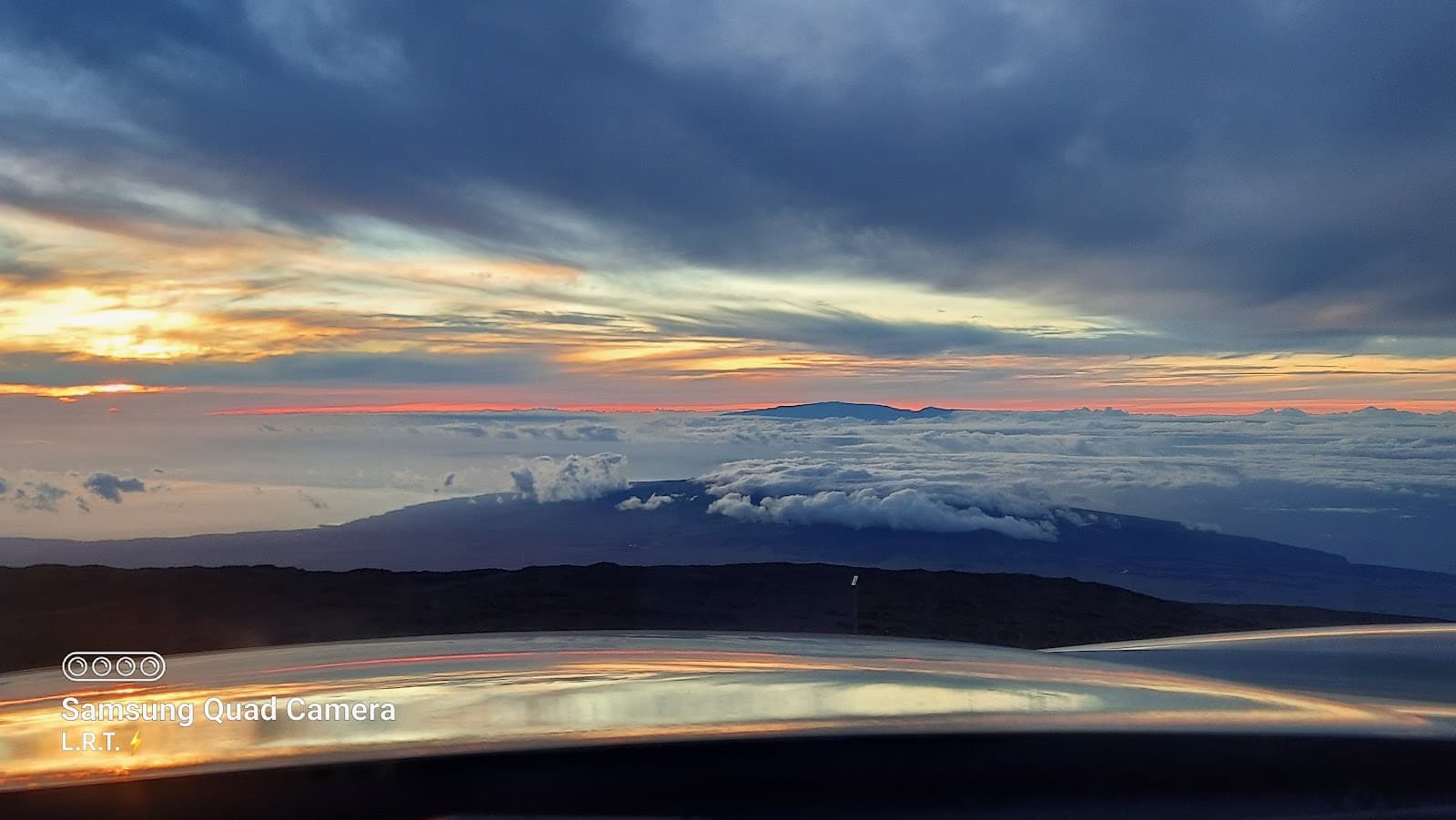
Mauna Kea Summit
Ascend to the 'White Mountain' for unparalleled stargazing and sunsets above the clouds. A sacred site and astronomical marvel.
Highlights
Must-see attractions

Social
From TikTok & Reddit
Best Time
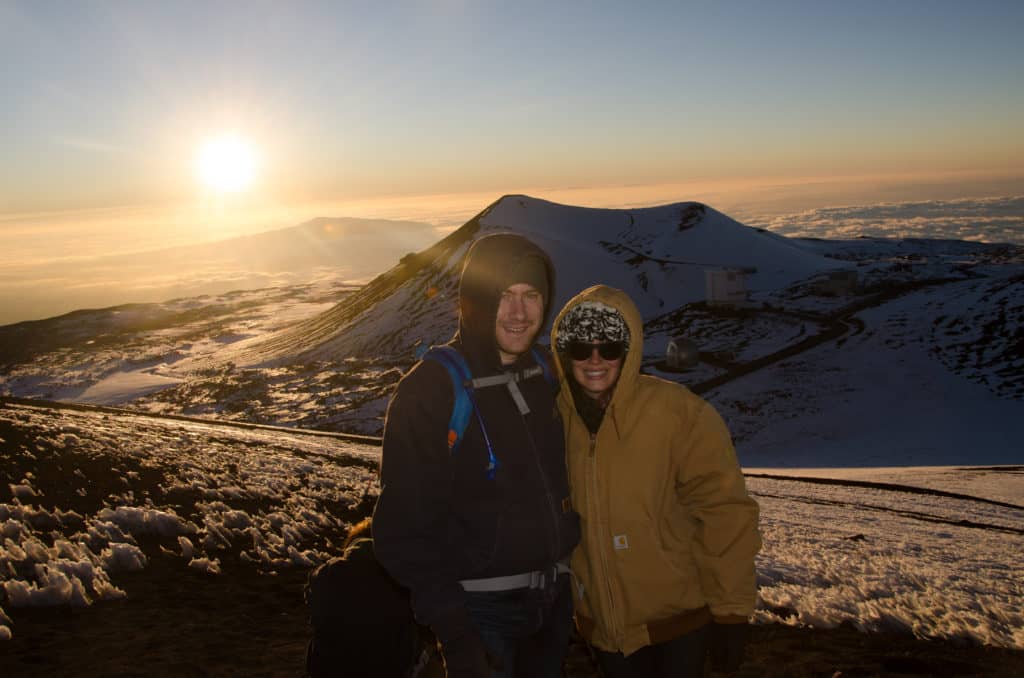
For sunset views
Mauna Kea Summit
Best Time
For sunset views
Highlights
Must-see attractions
Ascend to the 'White Mountain' for unparalleled stargazing and sunsets above the clouds. A sacred site and astronomical marvel.
🚗 4WD is a MUST for Summit
Don't risk it! A 4WD vehicle is essential for the summit road. Check rental agreements carefully.
💧 Hydrate & Acclimate
Altitude sickness is no joke. Spend time at the VIS (9,200 ft) before ascending. Drink plenty of water!
Quick Facts
Highlights
Discover the most iconic attractions and experiences
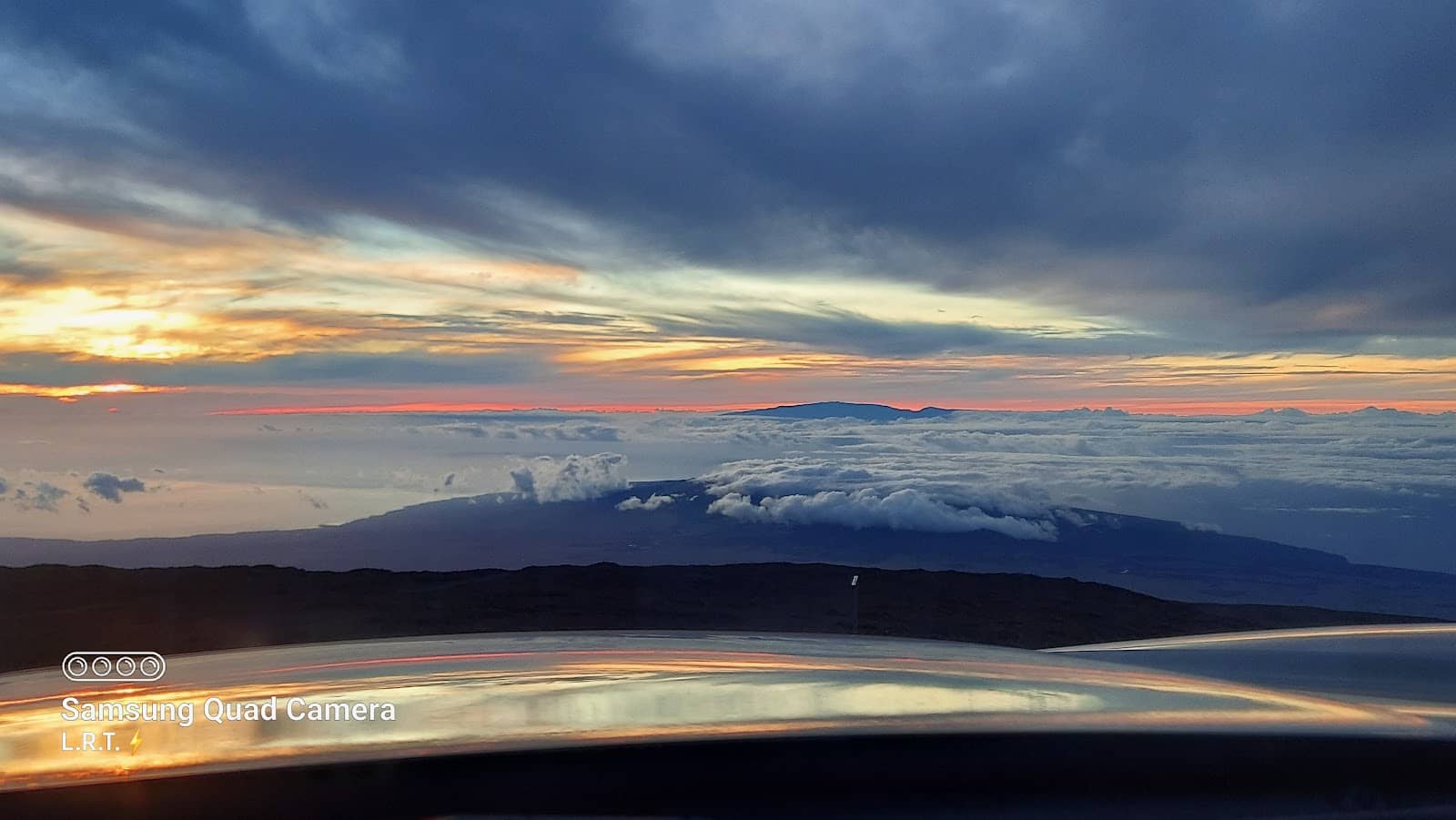
Summit Sunset & Stargazing
Mauna Kea Summit
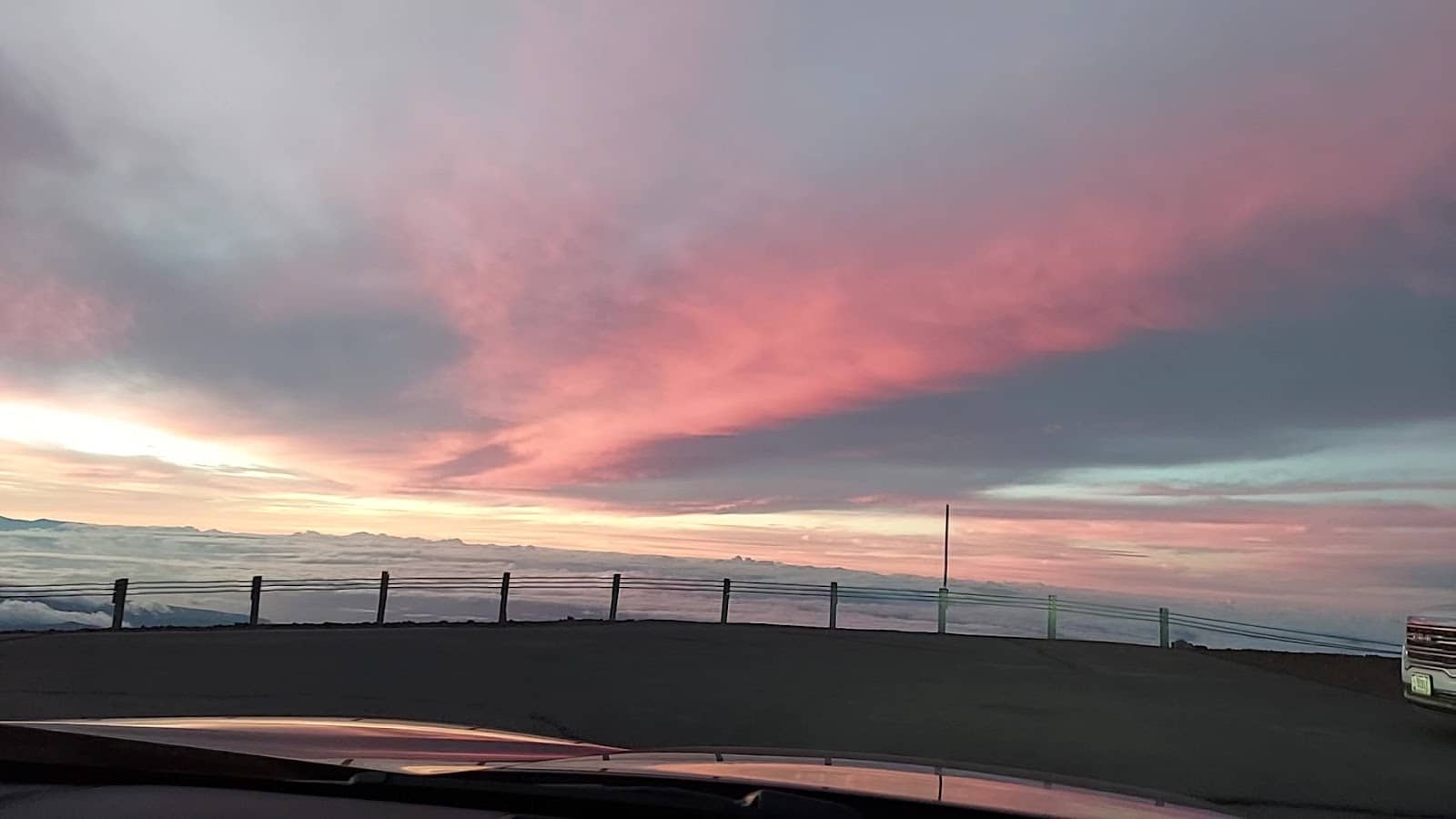
Witness breathtaking sunsets above the clouds and marvel at the universe through powerful telescopes. A truly magical experience.
 +1
+1Visitor Information Station (VIS)
9,200 ft elevation
A crucial stop for acclimatizing to the altitude. Offers exhibits and ranger programs, making it a great educational starting point.
Astronomical Observatories
Mauna Kea Summit
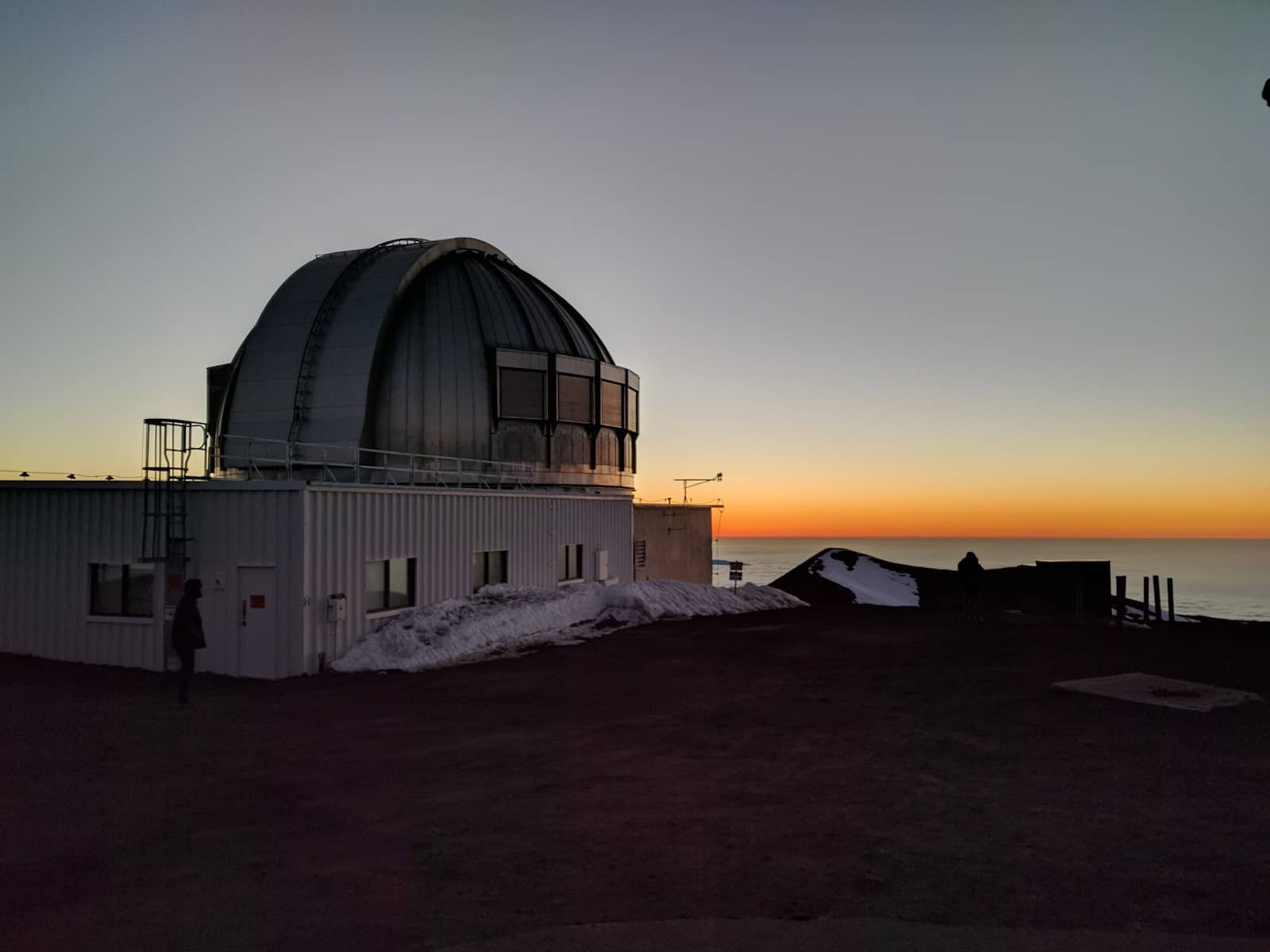
Home to some of the world's most advanced telescopes, showcasing cutting-edge astronomical research.
+1Mauna Kea Cabins
Mid-elevation slopes
Experience a unique getaway in rustic cabins, offering a chance to connect with nature and enjoy the cold country.
Plans like a pro.
Thinks like you
Planning Your Visit
Altitude Acclimation is Key
Summit Access & Vehicle Needs
+1Best Times
Insider Tips
from TikTok, Instagram & Reddit
🚗 4WD is a MUST for Summit
Don't risk it! A 4WD vehicle is essential for the summit road. Check rental agreements carefully.
💧 Hydrate & Acclimate
Altitude sickness is no joke. Spend time at the VIS (9,200 ft) before ascending. Drink plenty of water!
🧥 Dress in Layers
Temperatures plummet at the summit. Pack warm clothing, including hats and gloves, even in summer.
🔭 Respect the Sacred Site
Mauna Kea is culturally significant. Be mindful of its sacredness and follow all guidelines.
Tips
from all over the internet
🚗 4WD is a MUST for Summit
Don't risk it! A 4WD vehicle is essential for the summit road. Check rental agreements carefully.
💧 Hydrate & Acclimate
Altitude sickness is no joke. Spend time at the VIS (9,200 ft) before ascending. Drink plenty of water!
🧥 Dress in Layers
Temperatures plummet at the summit. Pack warm clothing, including hats and gloves, even in summer.
🔭 Respect the Sacred Site
Mauna Kea is culturally significant. Be mindful of its sacredness and follow all guidelines.
⛽ Fill Up Before You Go
Gas stations are scarce. Ensure your vehicle has a full tank before starting the ascent.
What Travellers Say
Reviews Summary
Visitors consistently rave about the breathtaking sunset and unparalleled stargazing opportunities from Mauna Kea's summit. The unique experience of being above the clouds and witnessing the vastness of the universe is a major highlight. However, the challenging drive to the summit and the potential for altitude sickness are frequently mentioned drawbacks that require careful preparation.
What People Like
What People Dislike
Frequently Asked Questions
🚇 🗺️ Getting There
Yes, a 4WD vehicle is required to reach the summit of Mauna Kea. Some rental car companies prohibit their vehicles from going to the summit, so be sure to check your rental agreement. If you don't have a 4WD, consider booking a guided tour.
The drive from Hilo to the summit can take around 1.5 to 2 hours, depending on road conditions and stops. The drive from Kona is similar.
Yes, you can drive to the VIS at 9,200 feet without a 4WD vehicle. However, a 4WD is necessary for the final stretch to the summit.
Absolutely! Several companies offer guided tours to the summit for sunset and stargazing, which is a great option if you don't have a 4WD or want to learn more from experts.
The road to the summit is paved for the first part, then turns into a rough, unpaved gravel road. It's steep and winding, requiring careful driving.
🎫 🎫 Tickets & Entry
There is no entrance fee to visit Mauna Kea State Park or the summit. However, guided tours will have a cost associated with them.
The summit area is generally open a half hour before sunrise and a half hour after sunset. The Visitor Information Station (VIS) typically opens at 9 am.
Tickets are not required for general access. However, if you plan to use a guided tour, booking in advance is highly recommended, especially during peak seasons.
Yes, you can visit during the day, but many visitors prefer to go for sunset and stargazing. The VIS is open during the day for educational purposes.
Yes, due to the high altitude, pregnant women, children under 13, and individuals with respiratory or heart conditions are advised not to go to the summit. Always check current advisories.
🎫 🔭 Onsite Experience
Dress in warm layers! Temperatures at the summit can be freezing, even below 0°C (32°F). Bring a jacket, hat, gloves, and sturdy shoes.
Altitude sickness can cause headaches, nausea, and dizziness. Acclimate at the VIS for at least 30 minutes, stay hydrated, avoid alcohol, and ascend slowly.
Yes, it's possible to see snow on Mauna Kea, especially during the winter months. This unique phenomenon in Hawaii is a major draw for visitors. +1
Mauna Kea is a sacred mountain in Hawaiian culture, considered the home of deities. It's also a premier location for astronomical observation due to its clear skies.
While technically possible, hiking the entire way from the VIS to the summit is extremely strenuous and not recommended for most due to the altitude and length. Shorter hikes around the VIS are popular. +1
📸 📸 Photography
Sunset and stargazing offer the most dramatic photographic opportunities. The landscape itself is also stunning at any time of day.
A wide-angle lens is great for landscapes and the vast sky. A tripod is essential for long-exposure astrophotography. Consider a camera with good low-light performance.
Yes, you can photograph the observatories from the outside. However, access inside is restricted to authorized personnel.
Be respectful of the cultural significance of the mountain and the scientific work at the observatories. Avoid using flash photography directly at telescopes.
Use a manual mode on your camera, set a high ISO, a wide aperture, and a long shutter speed. A remote shutter release or timer can help avoid camera shake.


Social
from TikTok, Instagram & Reddit