
Debsconeag Lakes Wilderness
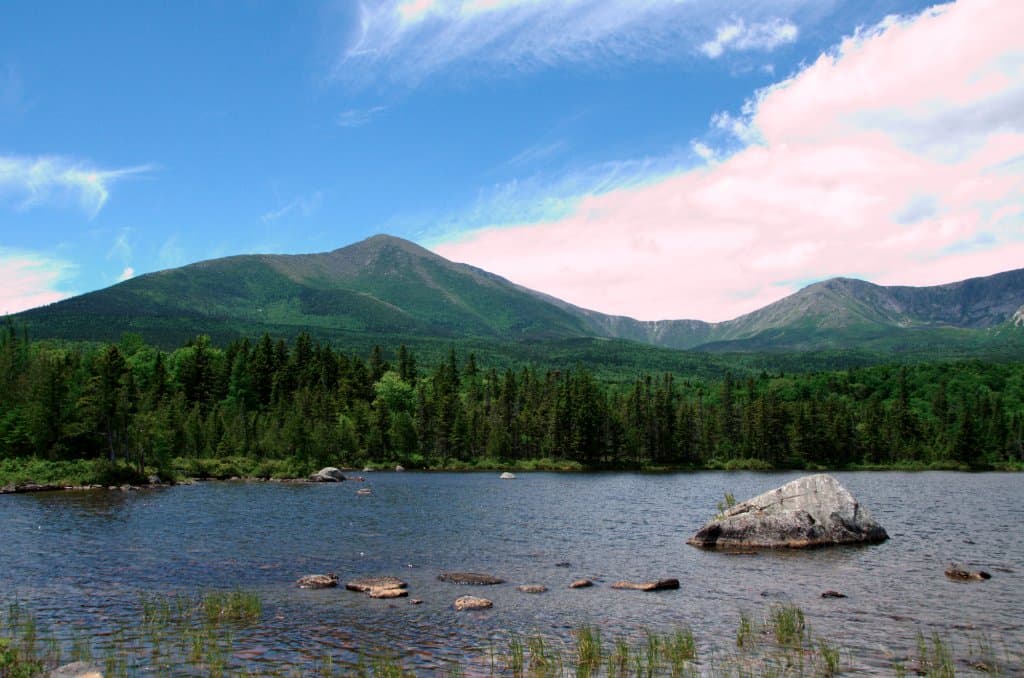
Vast, undeveloped preserve with pristine lakes and challenging trails, offering a true remote wilderness escape in Maine.
Highlights
Must-see attractions

Social
From TikTok & Reddit
Best Time
Ideal for hiking & paddling
Debsconeag Lakes Wilderness
Best Time
Ideal for hiking & paddling
Highlights
Must-see attractions
Vast, undeveloped preserve with pristine lakes and challenging trails, offering a true remote wilderness escape in Maine.
"A beautiful little wilderness area with awesome primitive lakeside sites and amazing snow-capped mountain views."

Pack for remoteness
Limited cell service & amenities. Bring maps, food, water, and first-aid. :hiking_boot:
Check trail conditions
Terrain can be difficult with heavy brush and swampy areas. :hiking_boot:

Quick Facts
Rating
4.7 · 96 reviews
Type
Park
Highlights
Discover the most iconic attractions and experiences
Pristine Lakes
Discover numerous untouched lakes offering serene beauty and opportunities for paddling and reflection.
Ice Caves
Explore fascinating ice caves, accessible by hike, offering a unique geological wonder. Be cautious with entry.

Challenging Hiking Trails
Tackle diverse trails with varying difficulty levels, leading to stunning lookouts and remote wilderness.
Wildlife Encounters
Keep an eye out for moose, wolf tracks, woodpeckers, and other native wildlife in their natural habitat.
Plans like a pro.
Thinks like you
Planning Your Visit
Embrace the Remote Wilderness
Best Time for Pristine Views
Best Times
Insider Tips
from TikTok, Instagram & Reddit
Pack for remoteness
Limited cell service & amenities. Bring maps, food, water, and first-aid. :hiking_boot:
Check trail conditions
Terrain can be difficult with heavy brush and swampy areas. :hiking_boot:
100 mile wilderness - driving possibilities?
Hey all, Feel free to direct me if there's a better place to post this. I hiked the northern half of the AT years ago, and this year a friend of mine is hiking! V excited for them and v excited for all of you who are hiking this year! I'm loosely planning the possibility of…
Respect wildlife
Moose and bears can be aggressive. Maintain distance and never feed animals. :seenoevil:
Book camping in advance
Campsites are primitive. Confirm availability and regulations with rangers. 🏕️
Tips
from all over the internet
Pack for remoteness
Limited cell service & amenities. Bring maps, food, water, and first-aid. :hiking_boot:
Check trail conditions
Terrain can be difficult with heavy brush and swampy areas. :hiking_boot:
Respect wildlife
Moose and bears can be aggressive. Maintain distance and never feed animals. :seenoevil:
Book camping in advance
Campsites are primitive. Confirm availability and regulations with rangers. 🏕️
Prepare for wet conditions
Swampy areas and shallow waters are common, even on portages. ☂️
What Travellers Say
Reviews Summary
Visitors praise the stunning, pristine lakes and the feeling of remote wilderness. The challenging hikes and unique ice caves are highlights for many. However, some find the terrain difficult, with heavy brush and swampy conditions, and note the complete lack of amenities and very limited cell service. +2
"What a beautiful little wilderness area ! My boys came to visit from San Diego and we cold weather camped for 3 days on this awesome free primitive lakeside site. Woke up in the morning and stuck my head out of the tent and saw this amazing snow capped mountain staring back at me. We had a great time and saw moose and wolf tracks in yhe sand on the beach."
Josh Jeror (Art by Jish)
"This was a fantastic hiking location. Lots of trails off various levels of difficulty. The ice caves were very cool. You can climb down in them as long as you are not claustrophobic. The look out was worth the hike. It's remote and you will likely not see anyone while hiking all day. Pack some food and make a day of it."
Ryan Miller
"Lovely hike to a gorgeous pristine lake. The ice caves sadly were ice-free and too difficult to explore for my cautious 66-year old husband and myself."
Jim & Sue Rockwell
What People Like
What People Dislike
Frequently Asked Questions
🚇 🗺️ Getting There
Access is primarily via Jo Mary Road, which crosses the Appalachian Trail. This road can be rough, so a 4WD vehicle is recommended. Be aware that cell service is very limited in this remote area.
Jo Mary Road is generally accessible during warmer months. Winter access can be challenging due to snow and ice, and may require specialized vehicles or snowmobiles. It's best to check local conditions before planning a winter trip.
Yes, Nahmakanta Lake is accessible through the KI-Jo Mary Unit, often via Jo Mary Road. This area is a popular spot for summer visits and offers opportunities for primitive camping.
Expect unpaved, potentially rough roads with heavy brush and swampy sections. A high-clearance vehicle is advisable, and caution is necessary.
No, there is no public transportation available. This is a remote wilderness area, and you will need your own vehicle to access it.
🎫 🎫 Tickets & Entry
While there isn't typically an entry fee for the wilderness area itself, you may need permits for camping or specific activities. It's crucial to check with the Maine Forest Service or local rangers for the most up-to-date regulations.
Camping in Debsconeag Lakes Wilderness is generally free and primitive. However, regulations can change, and it's always best to confirm with rangers beforehand to avoid any issues. +1
Operating hours for ranger stations in remote wilderness areas can be irregular. It's advisable to contact the Maine Forest Service or the relevant regional office in advance to inquire about ranger availability and any necessary permits.
Camping is generally permitted in designated primitive sites or dispersed camping in accordance with regulations. However, some areas may have restrictions, and it's essential to be aware of fire bans and Leave No Trace principles.
Always err on the side of caution and contact the Maine Forest Service or local rangers before your trip. This will help you understand current rules and avoid potential issues, like being asked to leave a campsite.
🎫 🏞️ Onsite Experience
The trails vary in difficulty, from easy lakeside strolls to more challenging climbs leading to lookouts. Some trails can be overgrown and require careful navigation. +1
The ice caves can be explored, but caution is advised. They can be difficult to access, and some visitors find them too challenging or claustrophobic. Always assess your comfort level and conditions. +1
You might encounter moose, black bears, and various bird species. Remember to maintain a safe distance and never feed the animals. +1
Yes, many of the pristine lakes are suitable for paddling. However, be aware that some areas can be swampy and shallow, and portages might be challenging.
The terrain is often difficult, with heavy brush, swampy areas, and shallow, rocky waters. Portages can also be swampy, so be prepared for wet conditions.
🍽️ 🍽️ Food & Dining
No, there are no restaurants or food services within the Debsconeag Lakes Wilderness. You must bring all your own food and be prepared to pack out all trash.
Pack non-perishable, high-energy foods suitable for hiking and camping. Consider meals that are easy to prepare with minimal equipment. Remember to bring extra for unexpected delays.
Campfires may be allowed depending on fire restrictions. Always check current regulations with the Maine Forest Service before planning to cook over an open fire. Use designated fire rings if available.
You'll need to purchase groceries in a town before reaching the remote wilderness area. Larger towns like Millinocket or Bangor will have supermarkets.
Proper food storage is critical. Use bear-resistant containers or hang your food properly away from your campsite to prevent attracting bears.
📸 📸 Photography
The pristine lakes offer stunning reflections, especially during sunrise and sunset. Hiking to elevated lookouts provides panoramic views of the forested landscape.
Landscape photography is very popular, capturing the untouched nature, lakes, and forests. Wildlife photography is also a draw for those patient enough to spot animals.
Drone usage in wilderness areas can be restricted. It's essential to check with the Maine Forest Service or relevant authorities regarding regulations on drone operation before flying.
A wide-angle lens is great for landscapes, while a telephoto lens is useful for wildlife. A sturdy tripod will help with low-light conditions and long exposures.
Use a tripod for stability and consider a wider aperture to capture the cave's depth. Be mindful of lighting conditions, which can be dim inside the caves.


Social
from TikTok, Instagram & Reddit