Church Street Graveyard
A historic Mobile graveyard, resting place of Mardi Gras' 'Father' Joe Cain, featuring unique funerary art and deep city history.
Highlights
Must-see attractions

Social
From TikTok & Reddit
Best Time
Sun aids gravestone readability
Church Street Graveyard
Best Time
Sun aids gravestone readability
Highlights
Must-see attractions
A historic Mobile graveyard, resting place of Mardi Gras' 'Father' Joe Cain, featuring unique funerary art and deep city history.
"A mandatory visit to show respects for pARTy Master 'Joe Cain', the 'Father of Mardi Gras'."
Wear Comfortable Shoes
Uneven terrain and grass can be tall. Comfortable walking shoes are essential for exploring. :athletic_shoe:
Morning Sun is Your Friend
Most graves face east, making morning light ideal for reading inscriptions. 🌅
Quick Facts
Hours
Rating
4.2 · 18 reviews
Type
Cemetery
Highlights
Discover the most iconic attractions and experiences
Joe Cain's Grave
Church Street Graveyard
Pay respects to the 'Father of Mardi Gras' at his final resting place. A must-see for history and Mardi Gras enthusiasts.

Historic Gravestones
Throughout the graveyard
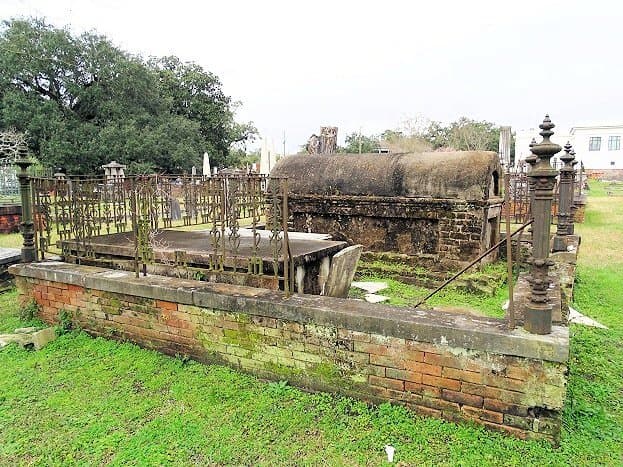
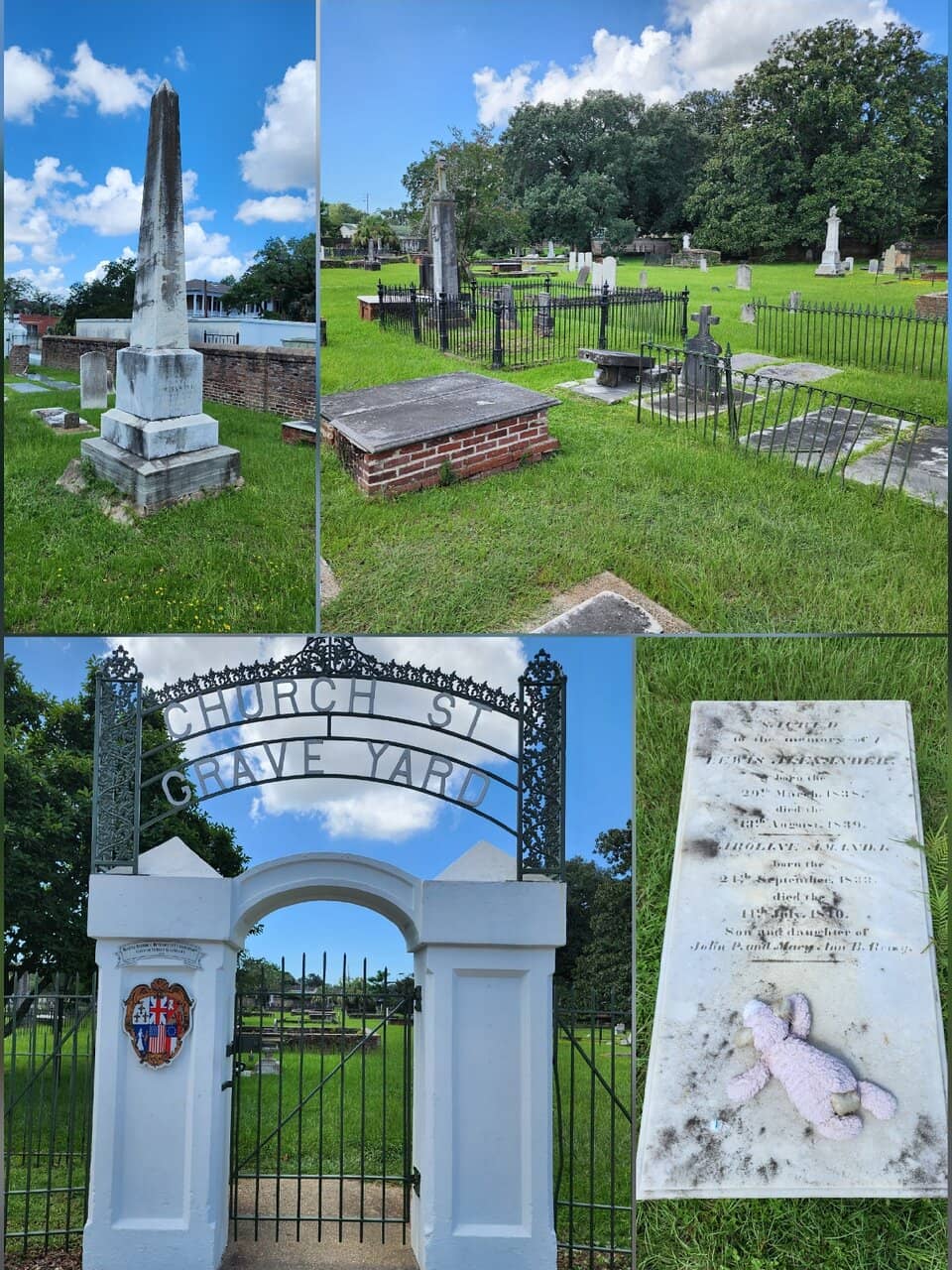
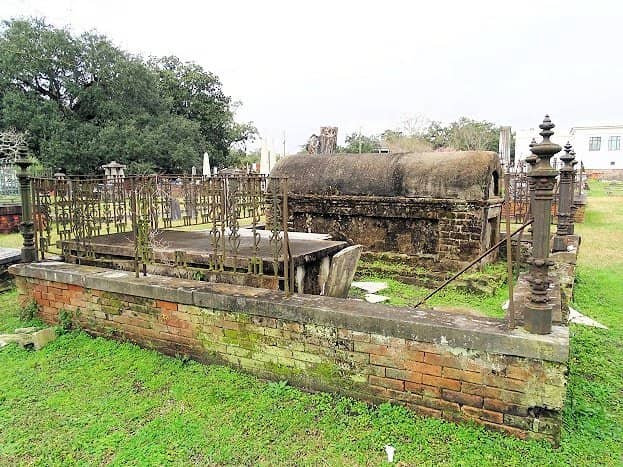
Admire intricate stone carvings and weathered markers, showcasing early American folk art and diverse funerary architecture.
Early 20th Century Tombs
Various sections
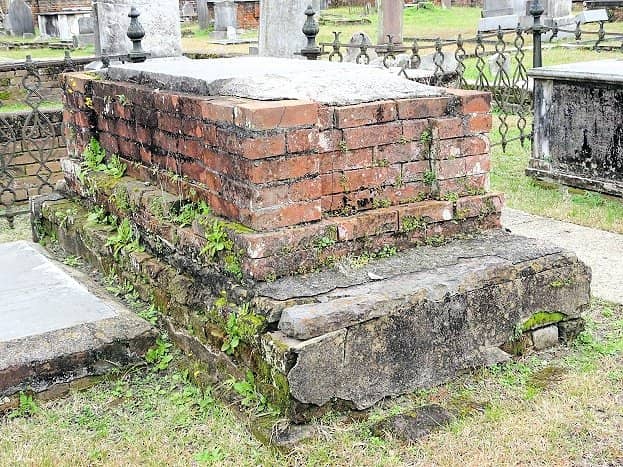
Discover unique above-ground tombs and elaborate metal fencing, reflecting the funerary art styles of the colonial Gulf Coast.
Plans like a pro.
Thinks like you
Planning Your Visit
Respectful Exploration
Mardi Gras Connection
Best Times
Insider Tips
from TikTok, Instagram & Reddit
Wear Comfortable Shoes
Uneven terrain and grass can be tall. Comfortable walking shoes are essential for exploring. :athletic_shoe:
Morning Sun is Your Friend
Most graves face east, making morning light ideal for reading inscriptions. 🌅
Respect the Space
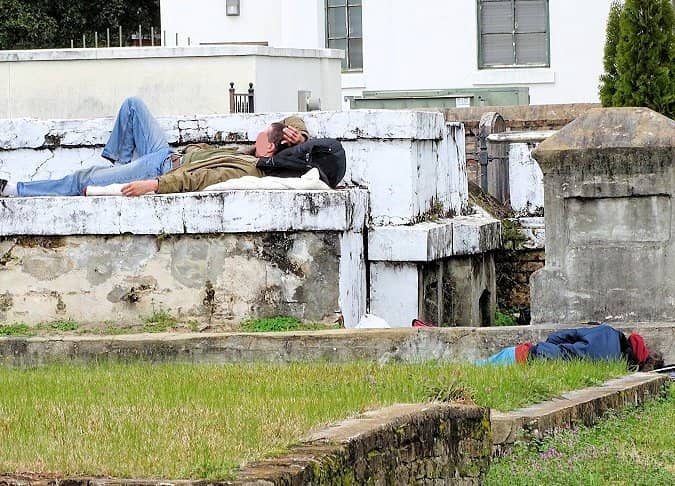
This is a place of rest. Be quiet, don't disturb markers, and be mindful of any homeless individuals present. 🙏
Look for Spell Bottles
Keep an eye out for unique items like spell bottles, adding a touch of mystery to your visit. ✨
Tips
from all over the internet
Wear Comfortable Shoes
Uneven terrain and grass can be tall. Comfortable walking shoes are essential for exploring. :athletic_shoe:
Morning Sun is Your Friend
Most graves face east, making morning light ideal for reading inscriptions. 🌅
Respect the Space
This is a place of rest. Be quiet, don't disturb markers, and be mindful of any homeless individuals present. 🙏
Look for Spell Bottles
Keep an eye out for unique items like spell bottles, adding a touch of mystery to your visit. ✨
Local History Connection
Learn about figures like Joe Cain, the 'Father of Mardi Gras,' and other historical figures buried here. 📜
What Travellers Say
Reviews Summary
Church Street Graveyard is a historically significant site, particularly for its connection to Mardi Gras and its unique funerary art. Visitors appreciate the historical depth and the opportunity to pay respects to figures like Joe Cain. However, concerns have been raised about the site's upkeep, with mentions of unkempt grass, litter, and the presence of homeless individuals, leading to a desire for better preservation.
"Mobile, Alabama -
a mandatory visit to show my respects for pARTy Master “Joe Cain” (the “Father of Mardi Gras”) is required …
most graves (not all) are facing east, so the morning sun ☀️ makes it easier to read the gravestones - I like reading the names out loud as I pass each grave …
the historical graves fascinate me - like the years, months & days engraved …
the shapes and metal fencing all add to each visit …
04.17.25 Thursday
“pARTy Pal Tour” Day 009"
Run-A-Way Bill
"Awesome place to visit. A lot of history
Church Street Graveyard was acquired by the City of Mobile in 1820, and replaced the older colonial burial ground located at the site of the present Cathedral. The earliest burials in the graveyard in fact date from 1819, while negotiations for the purchase of the site were still in progress. Many of the early burials were victims of yellow fever.
The graveyard was drawn off into rows and lots, the rows numbering one to twenty north to south. The lot numbers increase from east to west by tens. Many individuals important in Mobile’s early history are buried in the graveyard. Among them are Don Miguel Eslava, an early Spanish official, Dominique Louis Dolive, an early French settler and James Roper, The builder of Oakleigh. The best known burials are of course Joe Cain and Julian Lee Rayford, both important figures in the history of Mardi Gras in the city.
The gravestones are important in and of themselves. Sharyn Thompson wrote of this in the Fall of 1993, “The early above ground tombs are important to the study of the development and diffusion of funerary architecture in the colonial Gulf Coast region. Many of the gravestones at Church Street are significant because they are excellent examples of stone carving work done in two different areas (New England and the Gulf Coast) at about the same time. The various pieces indicate differences in carving styles, techniques, and materials, as well as two distinct cultural groups with divergent religious beliefs and attitudes toward death. In addition, because gravestone carving is considered America’s first true folk art, some of the examples of individual stone carvers’ work at Church Street are significant to the study of the development of stone carving.
She assesses the value of the graveyard as great, “through the tombs, markers, monuments and other funerary materials, the graveyard tells the story of Mobile’s historical development and the people who made contributions to its’ heritage. The site’s significance as a tourist attraction, and as a regional historical/genealogical resource must not be underestimated. The graveyard is also important as passive open space in the surrounding neighborhood.”"
Manuel Rincon
"I wish so much that this was better cared for. The grass was too tall to explore today but, from what we could see, there's a lot of love in the details of the resting places"
Candice
What People Like
What People Dislike
Frequently Asked Questions
🚇 🗺️ Getting There
The Church Street Graveyard is located in downtown Mobile, Alabama. It's easily accessible by car and is often within walking distance from many downtown hotels. Public transportation options may also be available, but checking local schedules is recommended.
Parking can be found in nearby public lots or on street parking in the downtown area. During major events like Mardi Gras, parking may be more challenging and expensive, so consider arriving early or using ride-sharing services.
Yes, many downtown Mobile hotels are within a reasonable walking distance to the graveyard, making it a convenient destination for a stroll and historical exploration.
During Mardi Gras, especially around Joe Cain Day, it's best to walk or use ride-sharing services due to road closures and heavy crowds. Many locals start their Mardi Gras celebrations by visiting Joe Cain's grave here.
The terrain can be uneven with grass and older pathways. While some areas are more accessible, visitors with mobility concerns should proceed with caution and consider the conditions.
🎫 🎫 Tickets & Entry
No, Church Street Graveyard is a public space and generally does not require tickets for entry. It's a historic site open for visitors to explore respectfully.
As a public cemetery, there are typically no strict opening or closing hours, but it's advisable to visit during daylight hours for safety and visibility. It's best to avoid visiting very late at night.
There is no admission fee to enter and explore the Church Street Graveyard. It's a free historical site for the public.
Yes, you can visit on holidays, but be aware that during major local events like Mardi Gras, the area will be very crowded and may have special access considerations.
While not always formally advertised, local historical societies or tour operators may offer guided tours, especially during peak seasons or Mardi Gras. It's worth checking local tourism websites for options.
🎫 🧭 Onsite Experience
You can see historic gravestones with intricate carvings, above-ground tombs, unique metal fencing, and the graves of notable figures like Joe Cain, the 'Father of Mardi Gras.'
While generally safe during daylight hours, some reviews mention the presence of homeless individuals and a need for general awareness. It's recommended to visit during the day and stay in well-trafficked areas.
Notable burials include Joe Cain, the 'Father of Mardi Gras,' and Julianne Lee Rayford. Early Spanish officials, French settlers, and victims of yellow fever are also interred here.
Wander through the rows, read the inscriptions on the gravestones, and appreciate the funerary art. The morning sun can help make the inscriptions more legible.
As a historic graveyard, there are typically no public facilities like restrooms or water fountains within the grounds. It's advisable to use facilities before your visit.
📸 📸 Photography
Yes, photography is generally allowed for personal use. It's a popular spot for historical and atmospheric photos. 
Look for the most ornate gravestones, unique tomb structures, and the graves of famous figures. The morning light can create dramatic shadows and highlight details.
While personal photography is fine, commercial photography or filming may require permission. Always be respectful and avoid disturbing other visitors or the site itself.
Drone usage is typically restricted in cemeteries and public spaces due to privacy and safety concerns. It's best to assume drones are not permitted unless explicitly allowed.
Visitors often capture photos of the historic gravestones, the eerie atmosphere, and the connection to Mardi Gras history. Some creators even use it for miniature scene inspiration.


Social
from TikTok, Instagram & Reddit