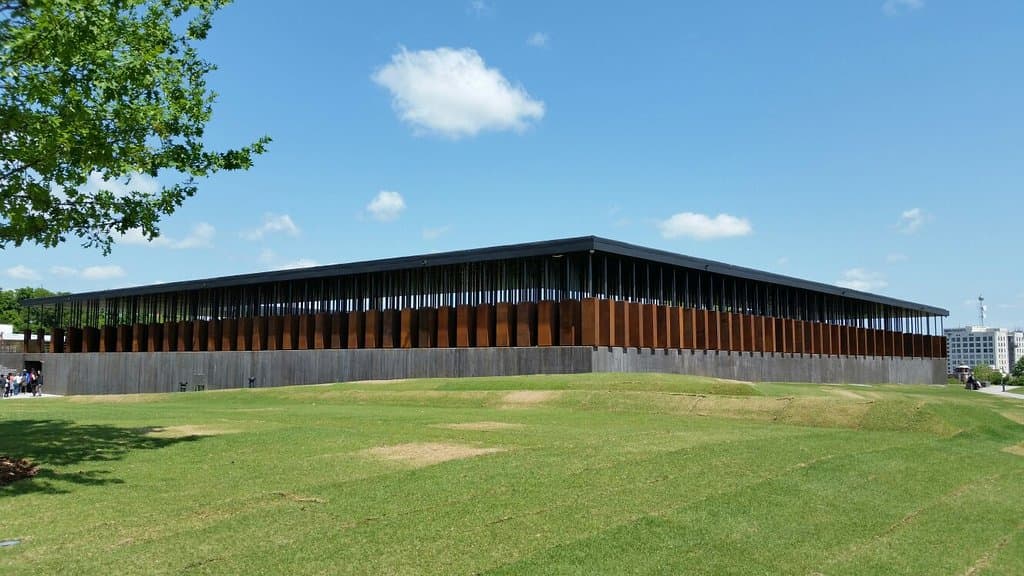
National Memorial for Peace and Justice
A powerful memorial honoring victims of racial terror lynchings, featuring hundreds of steel monuments and impactful art.
Highlights
Must-see attractions

Social
From TikTok & Reddit
Best Time
Fewer crowds, more reflection
National Memorial for Peace and Justice
Best Time
Fewer crowds, more reflection
Highlights
Must-see attractions
A powerful memorial honoring victims of racial terror lynchings, featuring hundreds of steel monuments and impactful art.
"A solemn place, worthy of a landscape architecture design award. Stellar historical information."
Wear Comfortable Shoes
You'll be doing a lot of walking on the grounds. :athletic_shoe:
Allow Ample Time
Plan for at least 1-2 hours to fully absorb the memorial's impact. :clock1:
Quick Facts
Hours
Rating
4.9 · 2,351 reviews
Type
Park
Highlights
Discover the most iconic attractions and experiences
The Steel Monuments
Throughout the memorial grounds
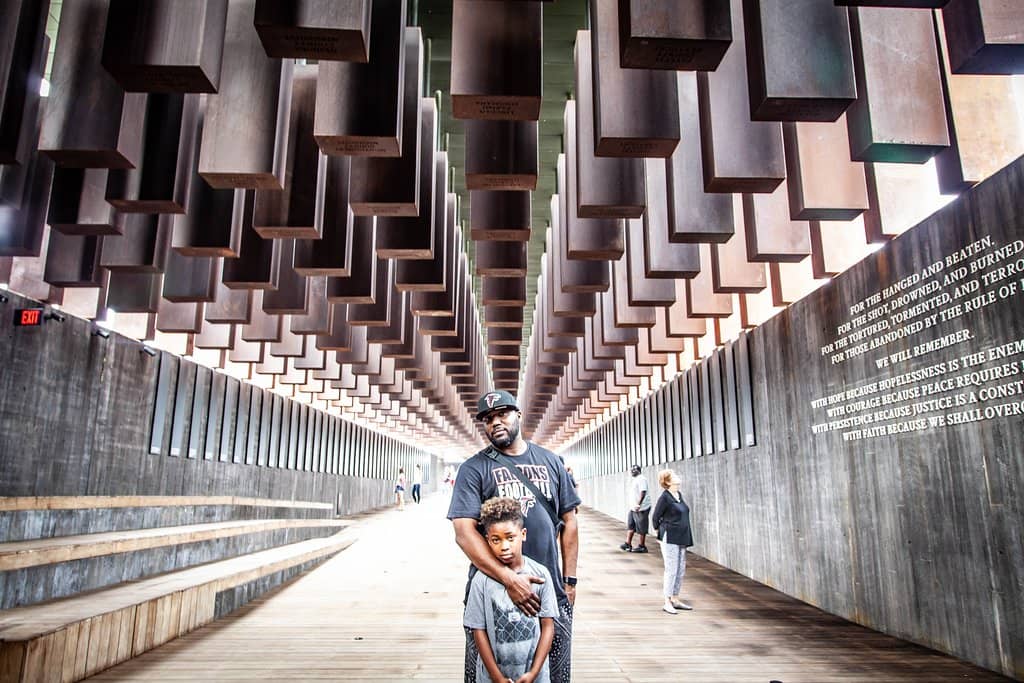
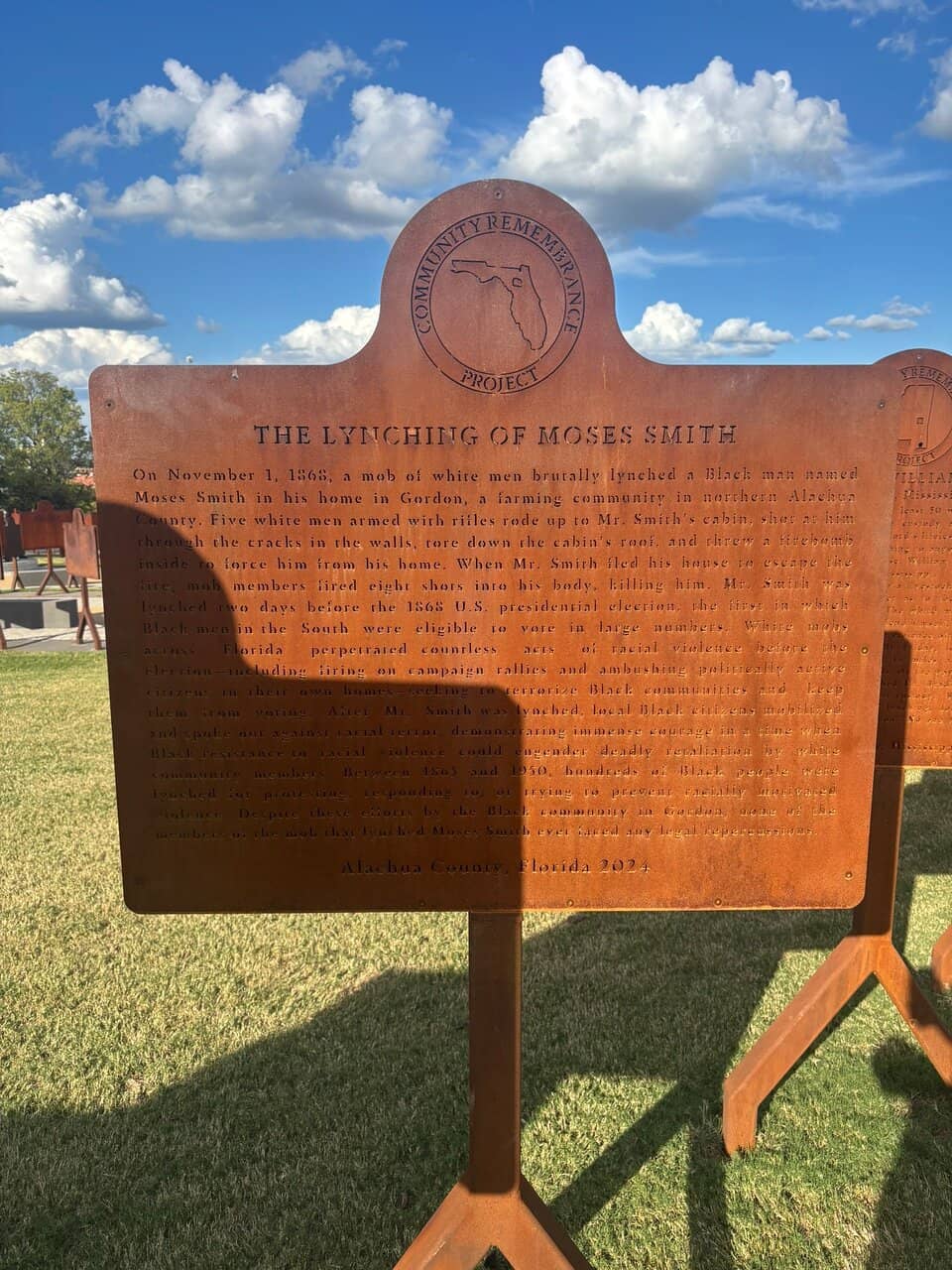
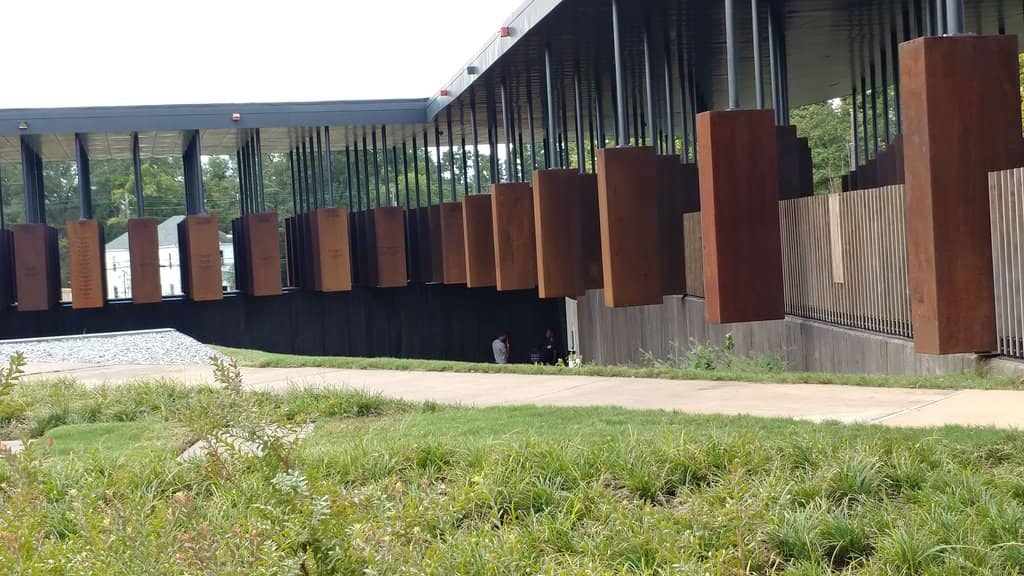
Hundreds of hanging steel monuments, each representing a county with documented lynchings, bearing the names of victims.
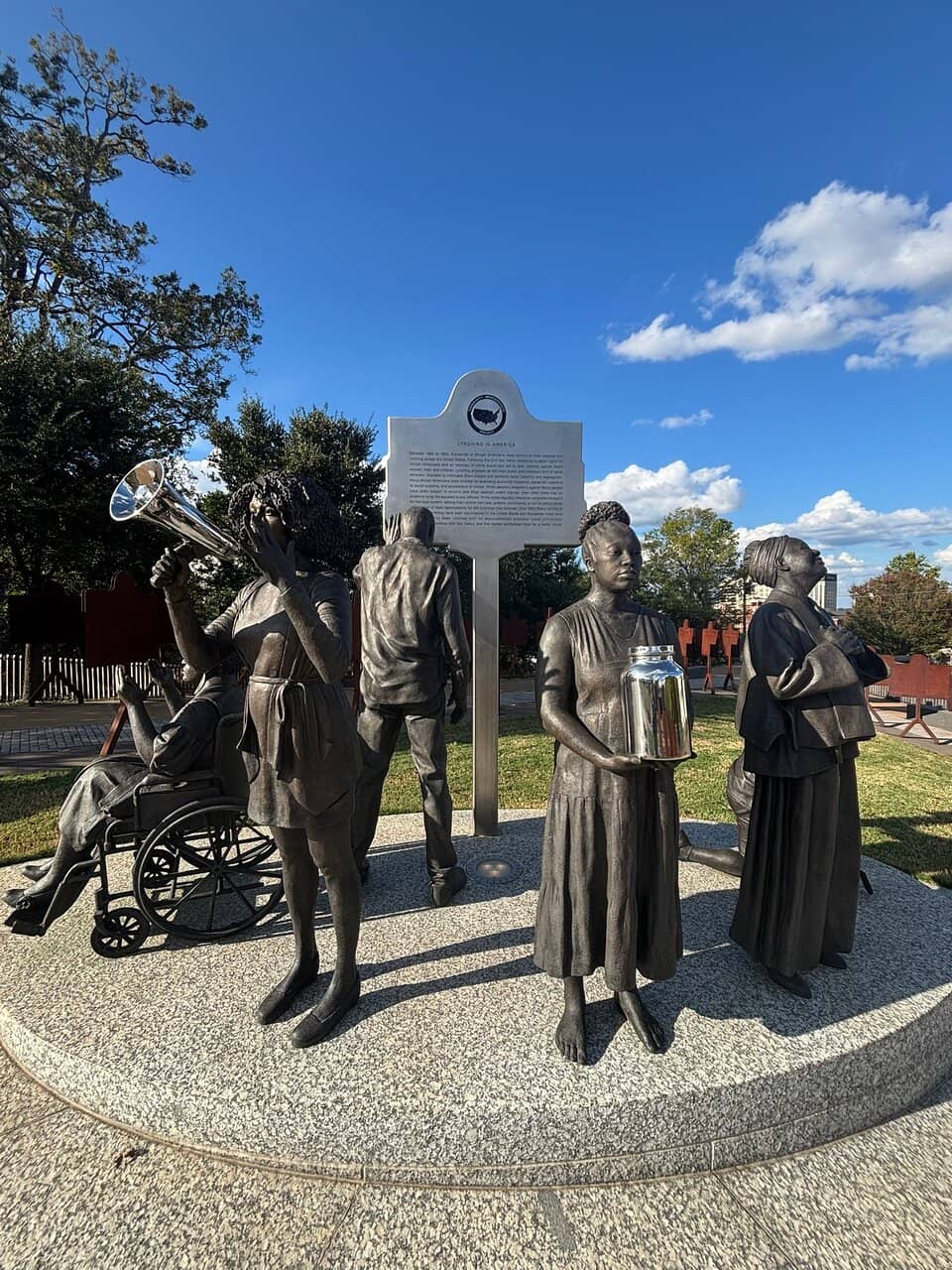
The 'Raise Up' Sculpture
Near the entrance
A striking bronze and cement sculpture depicting enslaved people, symbolizing the weight of history and the struggle for freedom.
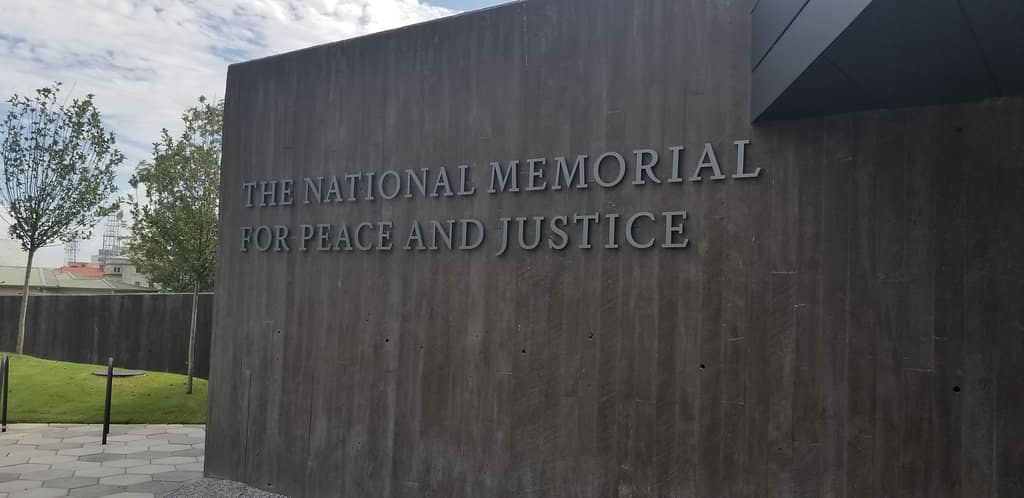
The Reflection Space
Central area
A tranquil space designed for contemplation, allowing visitors to process the profound history and its impact.
Plans like a pro.
Thinks like you
Planning Your Visit
Prepare for an Emotional Journey
Understand the Scope of the Memorial

Best Times
Insider Tips
from TikTok, Instagram & Reddit
Wear Comfortable Shoes
You'll be doing a lot of walking on the grounds. :athletic_shoe:
Allow Ample Time
Plan for at least 1-2 hours to fully absorb the memorial's impact. :clock1:
Bring Tissues
Many visitors find the experience deeply emotional. :pleading_face:
Consider Visiting with Others
Sharing the experience can lead to meaningful conversations and shared reflection. :peopleholdinghands:
Tips
from all over the internet
Wear Comfortable Shoes
You'll be doing a lot of walking on the grounds. :athletic_shoe:
Allow Ample Time
Plan for at least 1-2 hours to fully absorb the memorial's impact. :clock1:
Bring Tissues
Many visitors find the experience deeply emotional. :pleading_face:
Consider Visiting with Others
Sharing the experience can lead to meaningful conversations and shared reflection. :peopleholdinghands:
No Water Bottles Allowed
Be prepared to discard water bottles before entering. :noentrysign:
What Travellers Say
Reviews Summary
Visitors consistently describe the National Memorial for Peace and Justice as a profoundly moving and essential experience. Its thoughtful design and powerful exhibits are widely praised for their ability to educate and evoke deep reflection on America's history of racial terror. While the subject matter is heavy, the memorial is considered a vital space for remembrance and a catalyst for ongoing conversations about justice.
"A solemn place. Very well designed, Worthy of a landscape architecture design award. The attendants were super helpful. An electric cart was available for those in need. The hill to climb to the art installation was well provided with information tablets of history and facts. The landscape and grounds were very well taken care of. A stellar place of historical information and worthy of a 1-2 hour visit."
C Brick Owens
"One of the museums that you could visit if you are nearby. Made me think deeper about the historical racial justice issues. I like the design of the museum, the sculptures and memorials were very well designed and they were nice. It was a deep experience, I suggest that you visit with friends and family. Some of the sculptures are really sad and could be hurtful."
Navid Jadidoleslam
"Very informative for all ages who understand they have a history of Theo ancestors. Much work, art and detail placed in all exhibits. We experienced all the emotions existent to mankind!!! A worker there who saw me crying said "it's ok, don't you feel guilty... it's not your fault." I left reflecting.💕"
Ayanna Williams - Cobb
What People Like
What People Dislike
Frequently Asked Questions
🚇 🗺️ Getting There
The memorial is located in Montgomery, Alabama. It's accessible by car, and many visitors utilize ride-sharing services. The Equal Justice Initiative (EJI) also offers a free shuttle service connecting the memorial to The Legacy Museum and other EJI sites, making it easy to visit multiple locations.
Yes, parking is available for visitors. It's recommended to arrive early, especially on weekends, to secure a spot.
While public transportation options exist in Montgomery, the most convenient way to access the memorial and its related sites is often through the EJI's free shuttle service.
Yes, the memorial grounds are designed with accessibility in mind. Electric carts are available for those who need assistance navigating the site, and informational tablets are placed along the pathways.
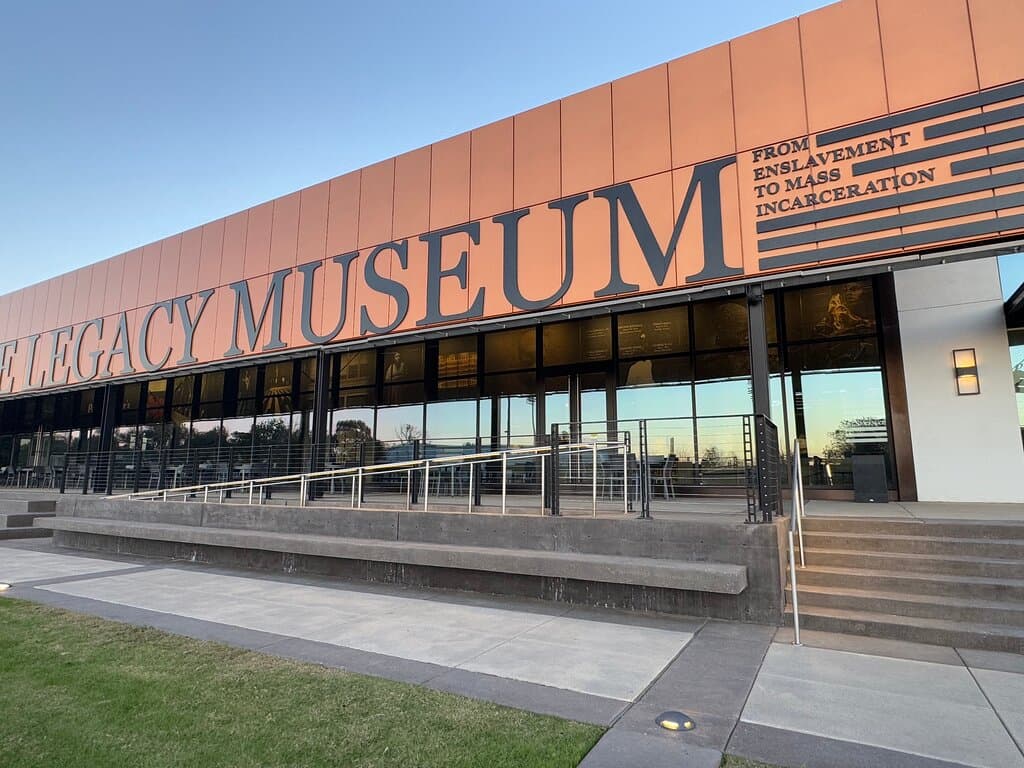
The Equal Justice Initiative provides a free shuttle service that runs regularly between the National Memorial for Peace and Justice and The Legacy Museum, which is highly recommended for a comprehensive understanding of the history.
🎫 🎫 Tickets & Entry
Entry to the National Memorial for Peace and Justice is free. However, if you plan to visit The Legacy Museum, there is an admission fee.
The memorial is typically open daily. It's always a good idea to check the official Equal Justice Initiative website for the most up-to-date hours before your visit.
While bags are generally allowed, it's advisable to keep them small. Large backpacks may be subject to inspection.
Visitors are not permitted to bring water bottles into the memorial; they will be asked to discard them.
No, the National Memorial for Peace and Justice itself is free to enter. The admission fee applies to The Legacy Museum.
🎫 🧭 Onsite Experience
The atmosphere is solemn, reflective, and deeply moving. It's designed to evoke a sense of remembrance and acknowledgment of historical injustices. Visitors often describe it as a powerful and emotional experience.
The memorial features over 800 steel monuments representing counties where racial terror lynchings occurred, a striking sculpture called 'Raise Up,' and a tranquil reflection space.
Most visitors find that 1-2 hours is sufficient to experience the memorial and reflect on its significance.
While there may not be formal guided tours, the memorial is designed to be self-guided. Informational tablets are placed throughout the grounds to provide context and historical details.
Each hanging steel monument represents a county in the United States where racial terror lynchings took place between 1877 and 1950. The names of victims are engraved on these monuments.
📸 📸 Photography
Yes, photography is generally permitted at the memorial. However, visitors are encouraged to be respectful of the solemn nature of the site and the emotional experiences of others.
The hanging steel monuments, the 'Raise Up' sculpture, and the overall landscape offer powerful photographic opportunities. The late afternoon light can create a particularly evocative atmosphere.
While photography is allowed, it's important to be mindful of other visitors and maintain a respectful demeanor. Avoid intrusive photography that might disrupt someone's personal reflection.
Yes, you can photograph the names on the monuments. Many visitors do this to document the victims and share their stories.
A smartphone with good low-light capabilities or a DSLR camera can capture the impactful details and atmosphere. The unique design of the monuments lends itself well to various photographic styles.

Social
from TikTok, Instagram & Reddit