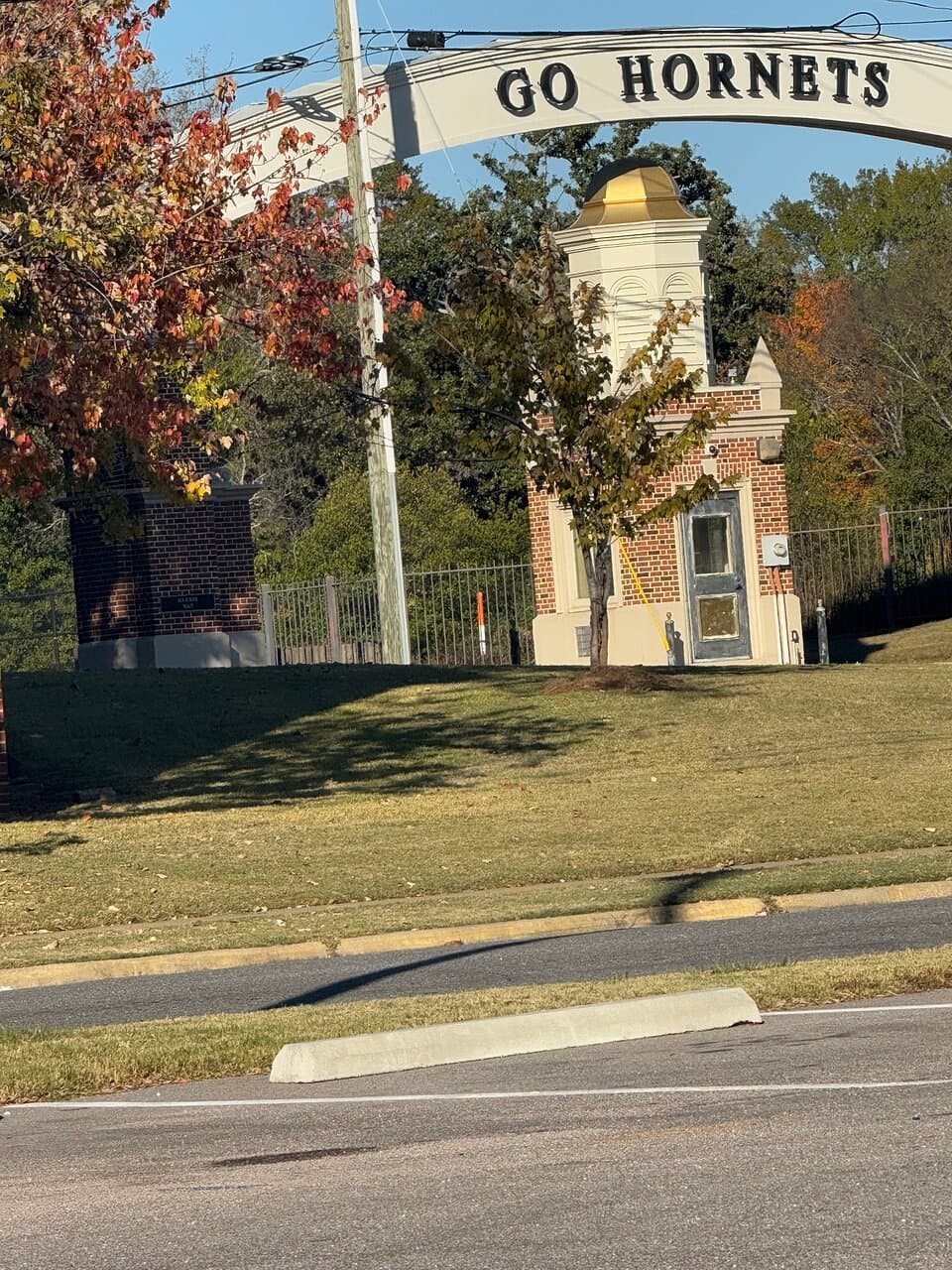
Selma to Montgomery National Historic Trail Montgomery Interpretive Center
Trace the pivotal 1965 voting rights marches from Selma to Montgomery, a journey of courage and change.
Highlights
Must-see attractions

Social
From TikTok & Reddit
Best Time
Fewer crowds, more reflection
Selma to Montgomery National Historic Trail Montgomery Interpretive Center
Best Time
Fewer crowds, more reflection
Highlights
Must-see attractions
Trace the pivotal 1965 voting rights marches from Selma to Montgomery, a journey of courage and change.
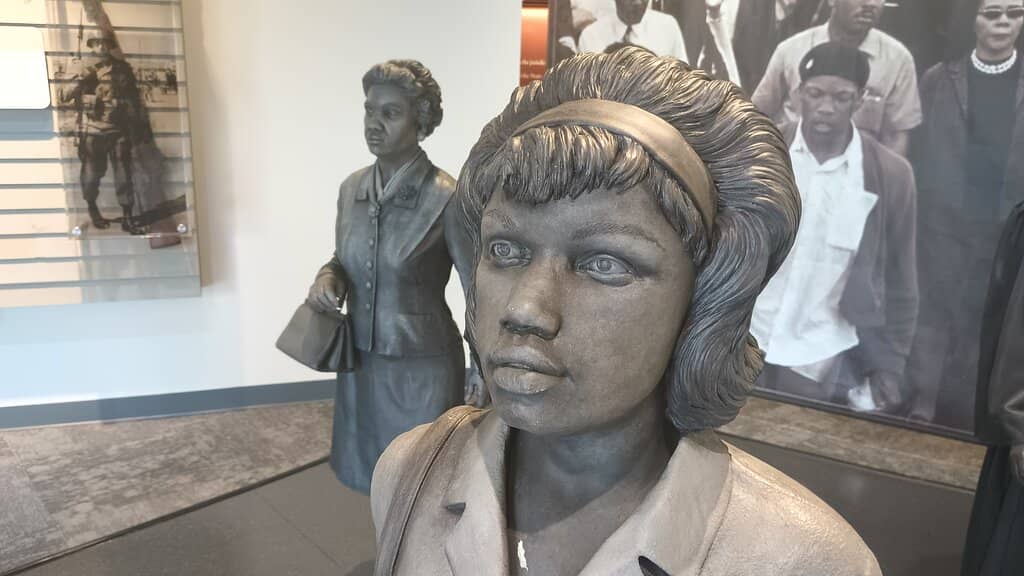
"This museum offers a life-size duet performing with a crowd watching to show the diversity of supporters and activists."
⏳ Catch the Film
Don't miss the powerful 20-minute film at the Interpretive Center; it's highly recommended!
🚗 Parking Perks
Get a free parking voucher at the front desk to avoid ticketing near the stadium.
Highlights
Discover the most iconic attractions and experiences
Montgomery Interpretive Center
Montgomery, AL
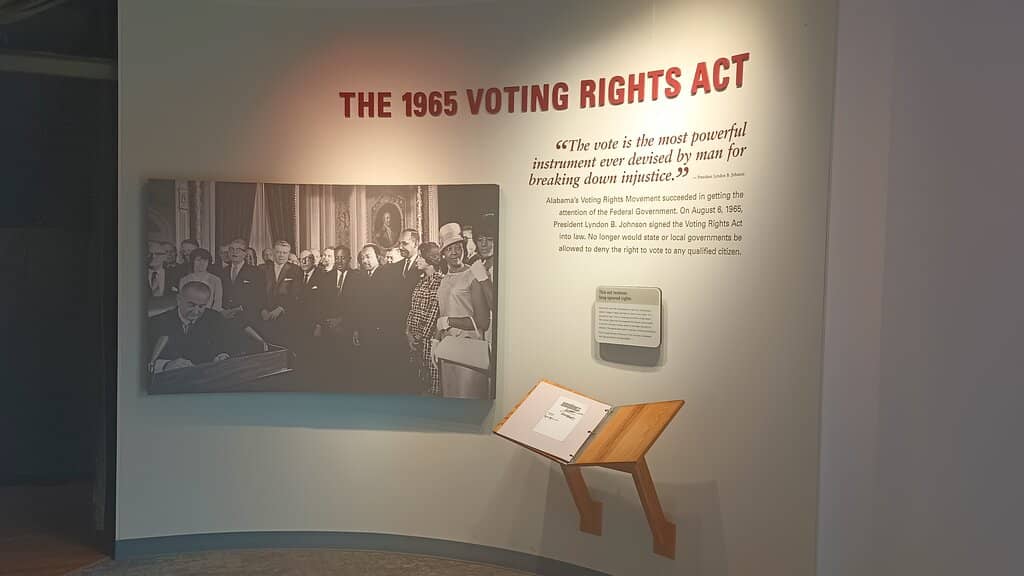
Immerse yourself in the 1965 marches with powerful exhibits and a compelling 20-minute film.
The 1965 March Route
Highway 80
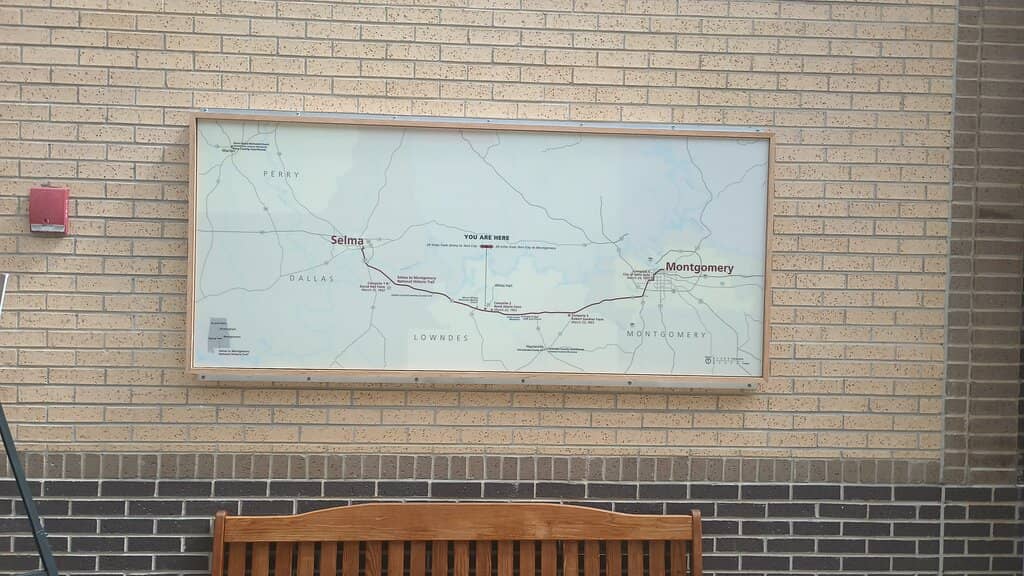
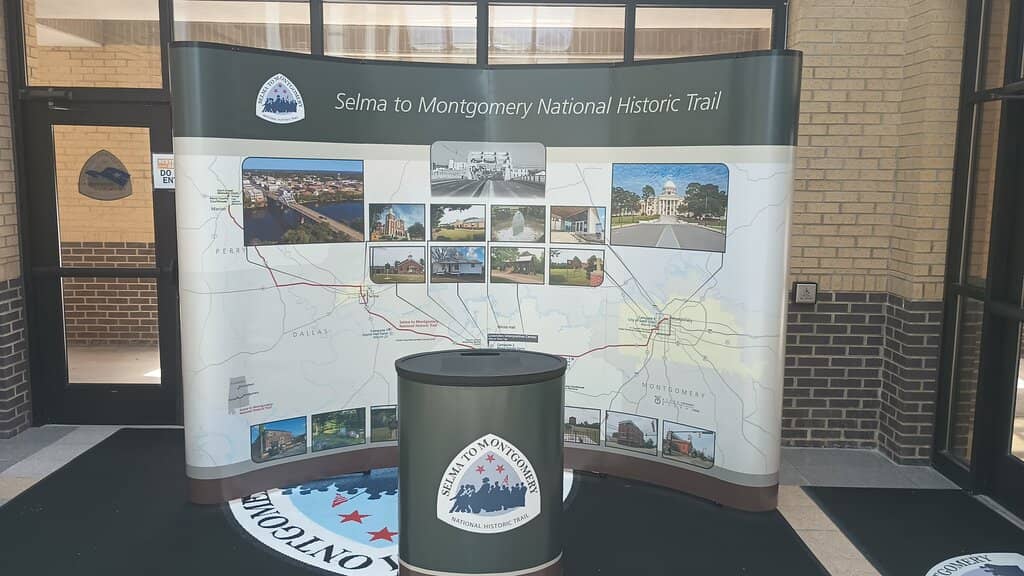
Walk or drive the historic 54-mile route, retracing the steps of civil rights activists.
Freedom Monument Sculpture Park
Montgomery, AL
Experience powerful art installations honoring ancestors and the fight for justice.
Plans like a pro.
Thinks like you
Planning Your Visit
Timing Your Visit for Impact
Understanding the Trail's Scope
Best Times
Insider Tips
from TikTok, Instagram & Reddit
⏳ Catch the Film
Don't miss the powerful 20-minute film at the Interpretive Center; it's highly recommended!
🚗 Parking Perks
Get a free parking voucher at the front desk to avoid ticketing near the stadium.
🚶♀️ Walk the Route
Consider walking or running parts of the 54-mile trail for a profound experience.
🤝 Friendly Staff
Expect helpful and friendly park rangers and student staff to enhance your visit.
Tips
from all over the internet
⏳ Catch the Film
Don't miss the powerful 20-minute film at the Interpretive Center; it's highly recommended!
🚗 Parking Perks
Get a free parking voucher at the front desk to avoid ticketing near the stadium.
🚶♀️ Walk the Route
Consider walking or running parts of the 54-mile trail for a profound experience.
🤝 Friendly Staff
Expect helpful and friendly park rangers and student staff to enhance your visit.
🗺️ Get Your Passport
Collect a passport stamp at the Montgomery Interpretive Center for a souvenir.
What Travellers Say
Reviews Summary
Visitors consistently praise the Montgomery Interpretive Center for its informative exhibits and powerful film, offering a deep dive into the 1965 marches. The friendly staff and the opportunity to collect a passport stamp are also highlights. Some find the center small but packed with crucial history, while others appreciate the well-designed space and top-notch storytelling.
"Great concentrated museum of the march to
Selma with movie about student involvement. Small but packed, this museum
Offers a life size duet performing with a crowd watching to show the diversity of supporters and activists
Sits on the corner of Alabama State University football
Stadium so be sure to avoid football days ! Free parking voucher at Front desk. Several flyers and pamphlets from the National Park Setvice fill in the blanks here. About 30-40 minutes."
Toni Thompson
"I really enjoyed visiting this beautiful museum! It is very informative as I learned some about the historic march from Selma! The park rangers are very friendly and helpful! I definitely recommend watching the 20 minute video as you see the raw history from this time period as it’s a very powerful, informative documentary! I highly recommend visiting if you’re in Montgomery!"
Daniel Duran
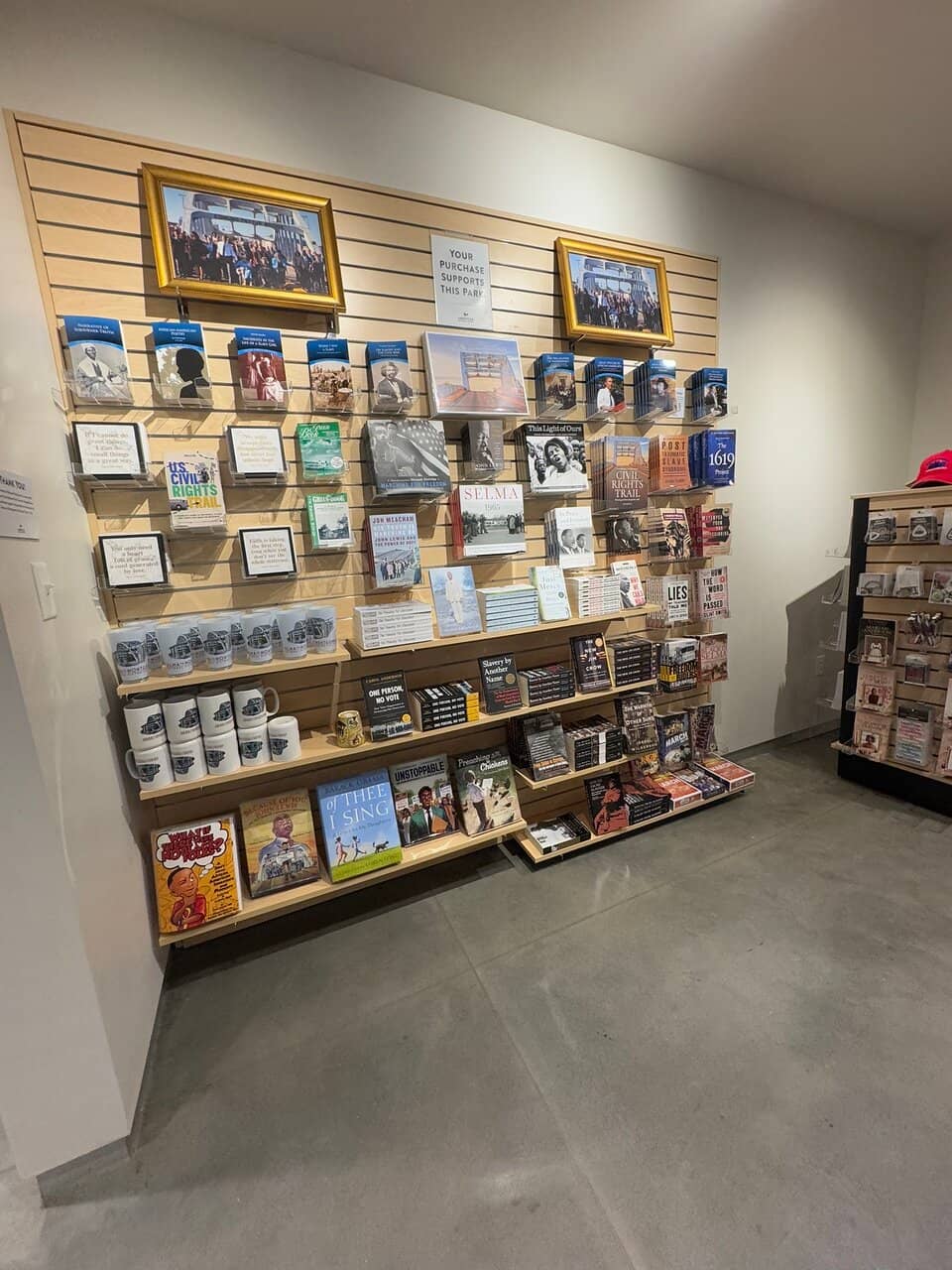
"Gorgeous, new space along the Selma to Montgomery National Historic Trail. Wasn’t sure about parking, but student staffer said the lot was good and I wasn’t ticketed. Well designed space and top notch history-telling throughout. Park film if you have time. Friendly student staffer. Passport stamp, but no park store at this location."
Jesse James
What People Like
What People Dislike
Frequently Asked Questions
🚇 🗺️ Getting There
While Montgomery Regional Airport (MGM) is closest, flights can be expensive. Many visitors opt to fly into Atlanta (ATL) and drive 2-3 hours to Montgomery. Alternatively, check for flights into Birmingham-Shuttleswille International Airport (BHM), which is also a viable option with car rental availability.
Yes, the trail follows Highway 80, which is a well-maintained road. Driving the route allows you to stop at various historical markers and points of interest.
Having a car is highly recommended to fully experience the Selma to Montgomery National Historic Trail, as it spans 54 miles and includes multiple significant locations.
The trail officially begins in Selma at the Edmund Pettus Bridge and ends in Montgomery. The Montgomery Interpretive Center serves as a key starting point for understanding the historical context.
Public transportation options are limited along the 54-mile trail. It is best to have your own vehicle or arrange for transportation to explore the various sites.
🎫 🎫 Tickets & Entry
The Montgomery Interpretive Center is part of the National Park Service and is generally free to enter.
The Freedom Monument Sculpture Park has a small admission fee, often around $5, and tickets may be reusable for access to other museums and a boat tour.
Operating hours can vary, so it's advisable to check the official National Park Service website for the Selma to Montgomery National Historic Trail for the most up-to-date information.
Typically, advance booking is not required for the Montgomery Interpretive Center as it's a National Park Service site. However, it's always a good idea to check their official website for any special events or requirements.
Walking across the Edmund Pettus Bridge in Selma is free and open to the public.
🎫 🧭 Onsite Experience
The center is a well-designed space with top-notch history-telling, featuring displays about the March 1965 events and a compelling 25-minute movie that deeply engages visitors.
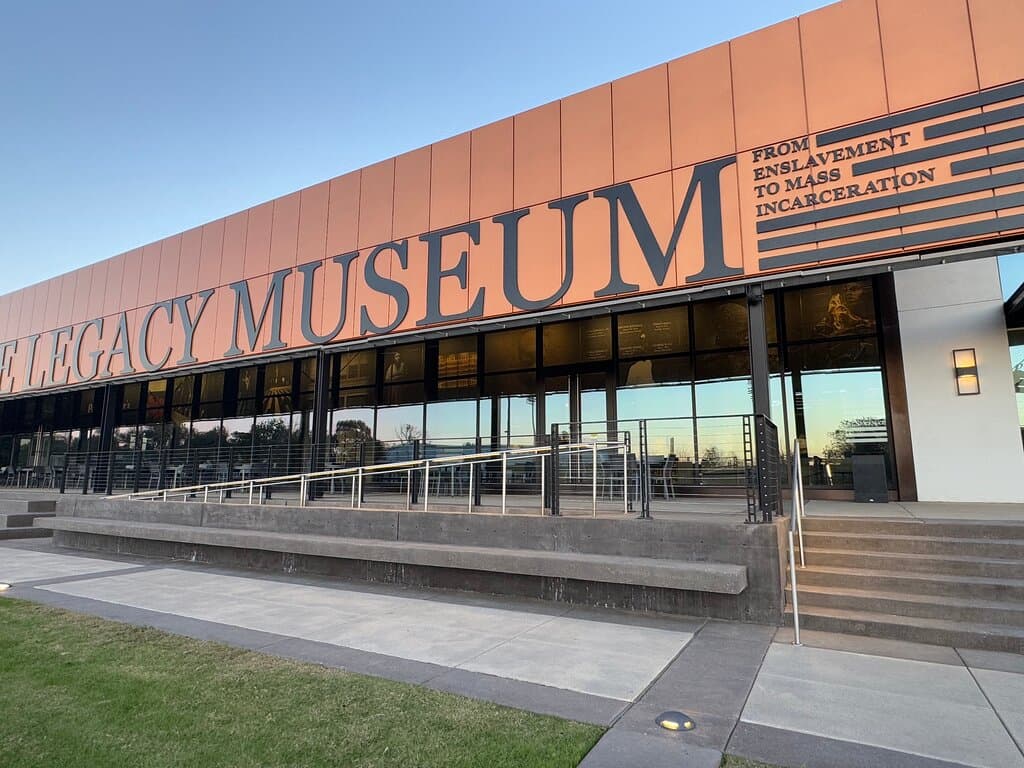
Photography and video recording are generally not permitted inside the Legacy Museum, which is a separate but related site. However, the Montgomery Interpretive Center usually allows photography of exhibits.
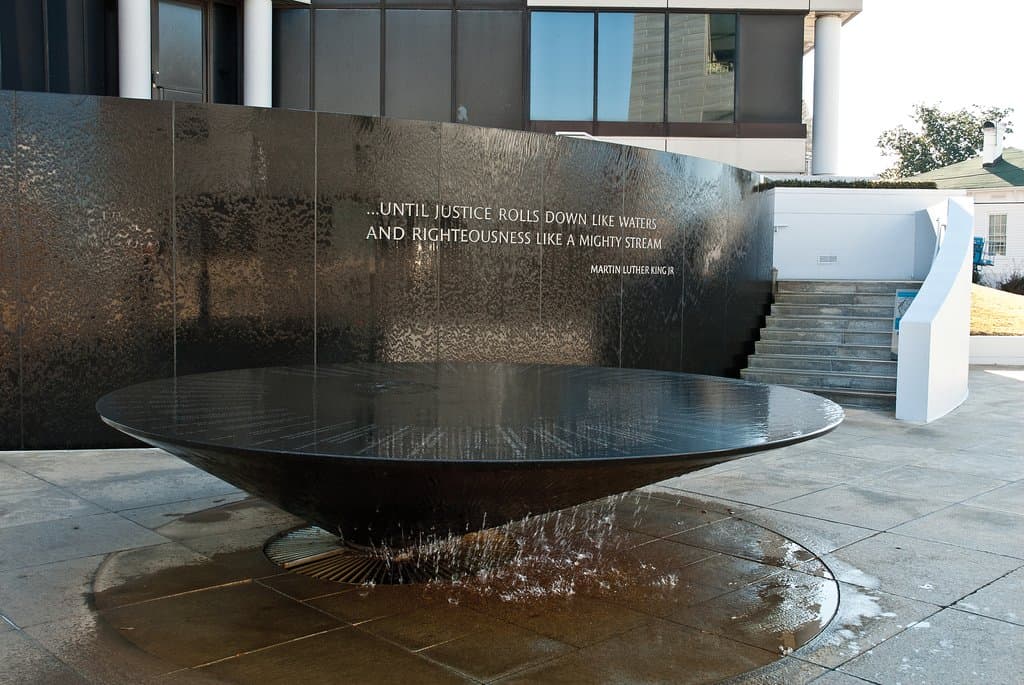
This memorial honors thousands of Black victims of racial terror and lynching, featuring over 800 steel monuments representing counties where these acts occurred. It's a powerful space for reflection.
Most visitors spend about 30-40 minutes at the Montgomery Interpretive Center, allowing time to view the exhibits and watch the informative film.
The Montgomery Interpretive Center features a life-size duet performing with a crowd watching, showcasing the diversity of supporters and activists during the Civil Rights Movement.
📸 📸 Photography
Iconic photo opportunities include the Edmund Pettus Bridge in Selma, the Montgomery Interpretive Center, and the Freedom Monument Sculpture Park in Montgomery.
Yes, photography is generally permitted at the National Memorial for Peace and Justice, allowing visitors to capture the solemn and impactful monuments.
While most outdoor sites allow photography, it's always wise to check for specific signage or ask staff about any restrictions, especially inside museums like the Legacy Museum.
Expect powerful images of historical landmarks, poignant art installations, and the vast landscapes that were part of the civil rights struggle. +1
Drone usage is typically restricted in National Park Service areas and historical sites. It's best to consult the NPS guidelines or contact the park directly for specific regulations.
For Different Travelers
Tailored advice for your travel style
👨👩👧 Families with Kids
When planning your visit, remember that the trail itself is 54 miles long. Driving the route with children can be broken up into segments, stopping at points of interest. Pack snacks and drinks, and be prepared for a journey that requires patience and an open mind to discuss sensitive historical topics.
📚 History Enthusiasts

Don't miss the broader context provided by the National Memorial for Peace and Justice and the Freedom Monument Sculpture Park in Montgomery.
🚶♀️ Active Travelers & Runners
This offers a unique and physically demanding way to connect with history. Be prepared for varying road conditions and traffic, especially on Highway 80. It's advisable to plan your route, inform someone of your plans, and carry plenty of water and supplies. Local running groups and events sometimes organize runs along the trail, which can be a great way to experience it with others.
Deep Dives
In-depth insights and expert knowledge
The Significance of the Selma to Montgomery Marches
+1The trail is more than just a historical route; it's a living testament to the struggle for civil rights in America. Each mile represents a step towards equality and justice. The Montgomery Interpretive Center provides crucial context, offering insights into the planning, execution, and impact of these historic events.
Visitors can retrace the steps of Dr. Martin Luther King Jr., John Lewis, and countless other activists. The journey along Highway 80 allows for a profound connection to the past, understanding the sacrifices made and the progress achieved. The trail serves as a powerful reminder that the fight for civil rights is an ongoing process.
Exploring Montgomery's Civil Rights Landscape
Beyond the Interpretive Center, the Freedom Monument Sculpture Park provides a unique artistic interpretation of history, honoring ancestors with powerful sculptures.
Many visitors find that exploring these sites together creates a powerful and cohesive understanding of the Civil Rights Movement. The combination of interpretive centers, memorials, and historical landmarks allows for a multi-faceted engagement with this critical period in American history.
The Role of Art and Memorialization
The National Memorial for Peace and Justice is another profound example of memorialization. Its design, featuring over 800 steel monuments representing counties where racial terror and lynchings occurred, creates a somber and reflective space.
These artistic and memorial spaces are not just about remembrance; they are about education, reconciliation, and inspiring continued action. They ensure that the stories of those who fought for justice are not forgotten and that their legacy continues to inform present-day efforts for equality.


Social
from TikTok, Instagram & Reddit