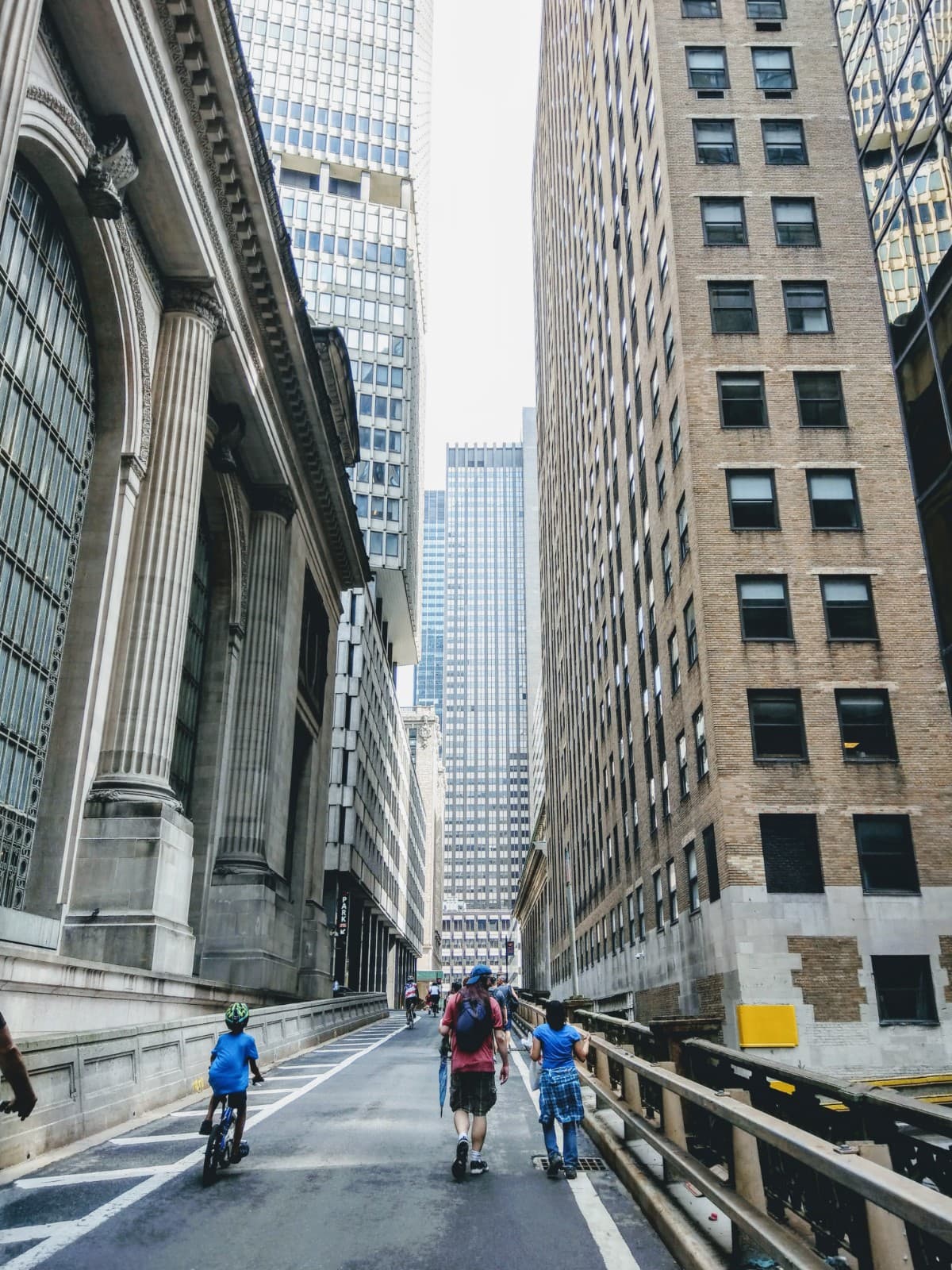
Park Avenue Viaduct
An elevated roadway curving around Grand Central Terminal, offering unique city views and showcasing early 20th-century urban engineering.
Highlights
Must-see attractions

Social
From TikTok & Reddit
Best Time
Less traffic, clearer views
Park Avenue Viaduct
Best Time
Less traffic, clearer views
Highlights
Must-see attractions
An elevated roadway curving around Grand Central Terminal, offering unique city views and showcasing early 20th-century urban engineering.
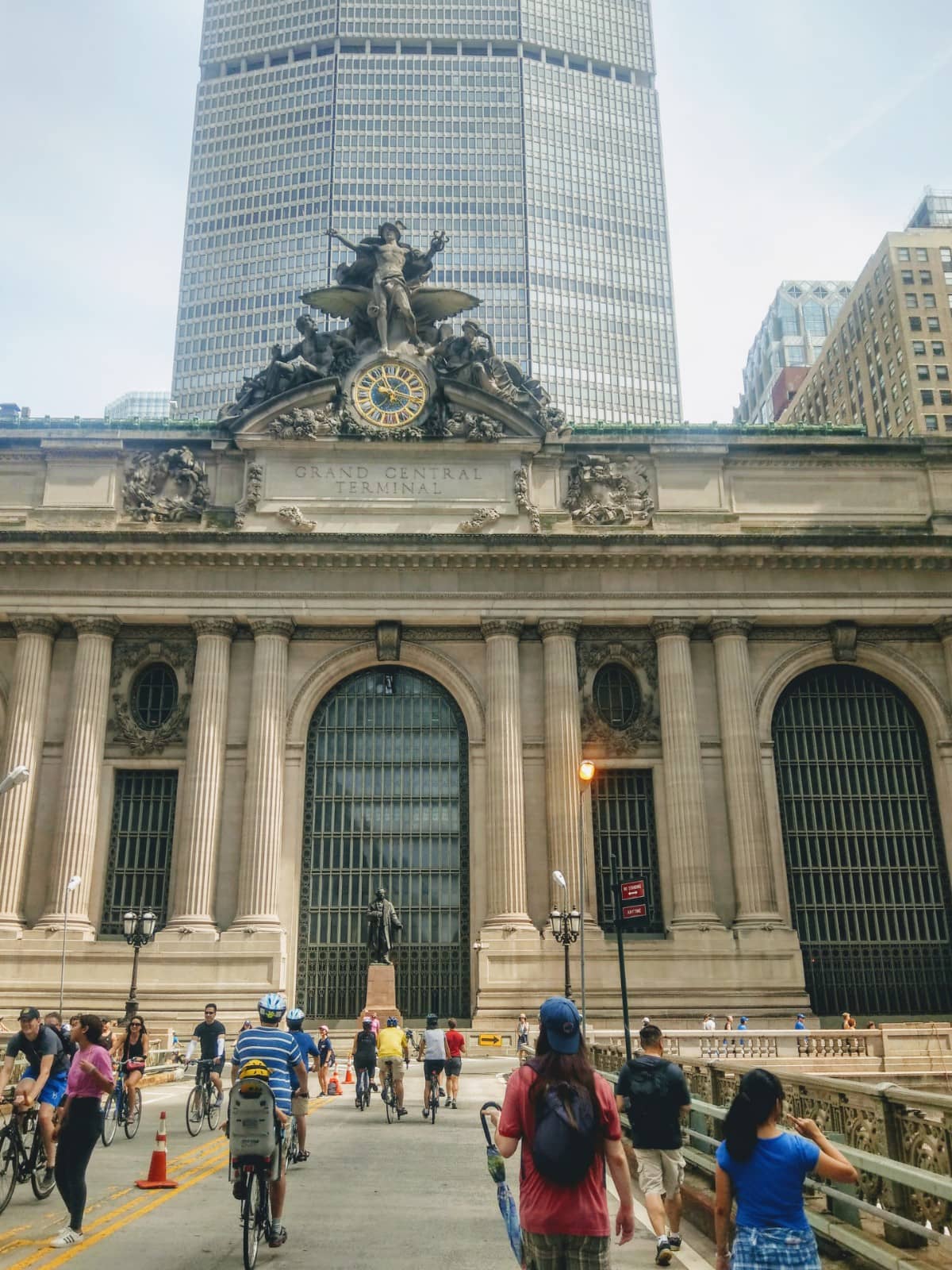
Cyclist's Route Choice
Cyclists debate using the viaduct; be aware of traffic and consider east/west avenues if unsure. :athletic_shoe:
Capture the Skyline
Best spots for photos are from adjacent buildings or during off-peak hours for clearer shots. :camerawithflash:
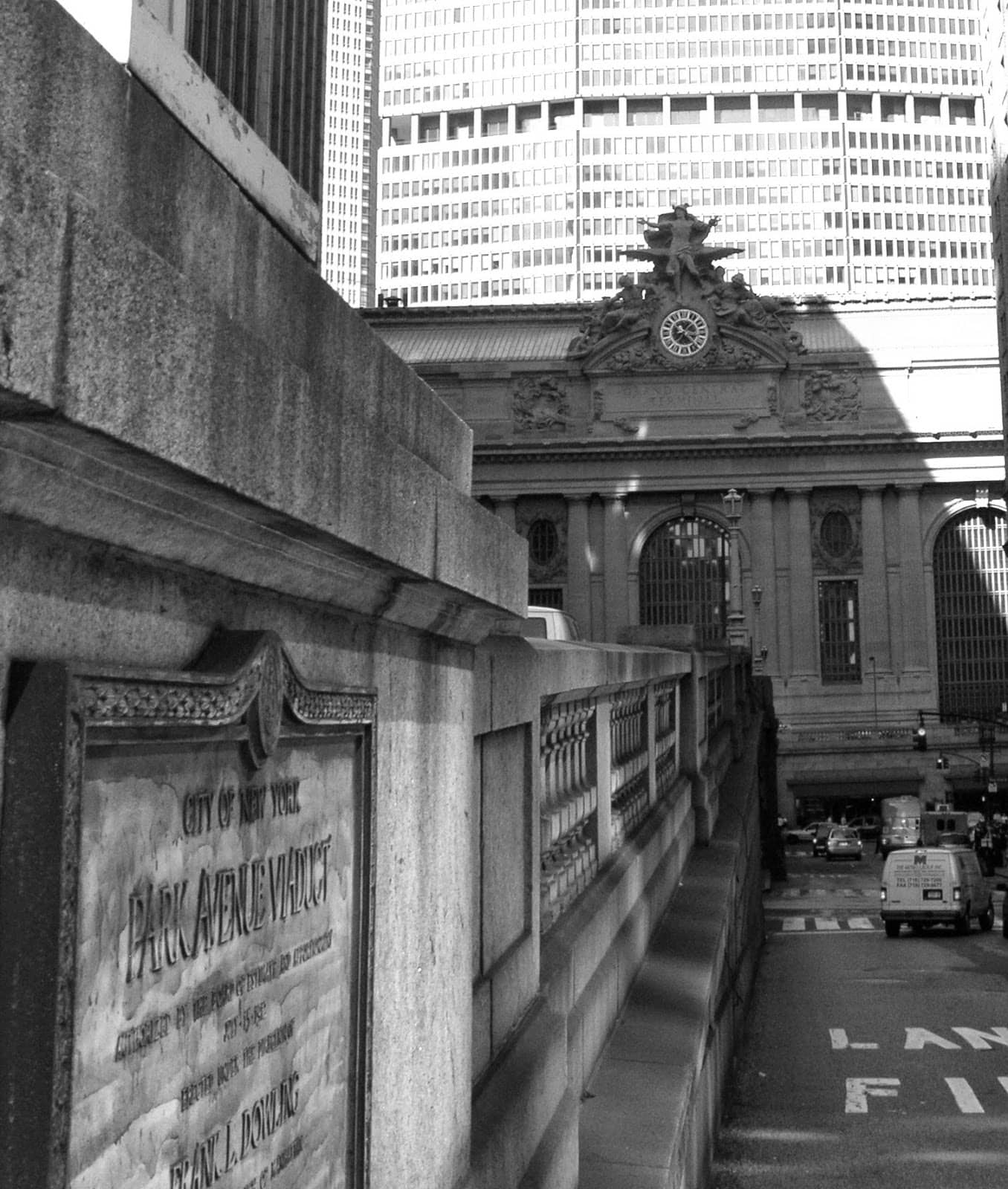
Quick Facts
Highlights
Discover the most iconic attractions and experiences
Elevated City Views
Along the viaduct
Experience a unique vantage point of Midtown Manhattan's iconic architecture and bustling street life from above.
Architectural Marvel
The viaduct itself
Appreciate the engineering feat of this elevated roadway, a testament to early 20th-century urban planning.
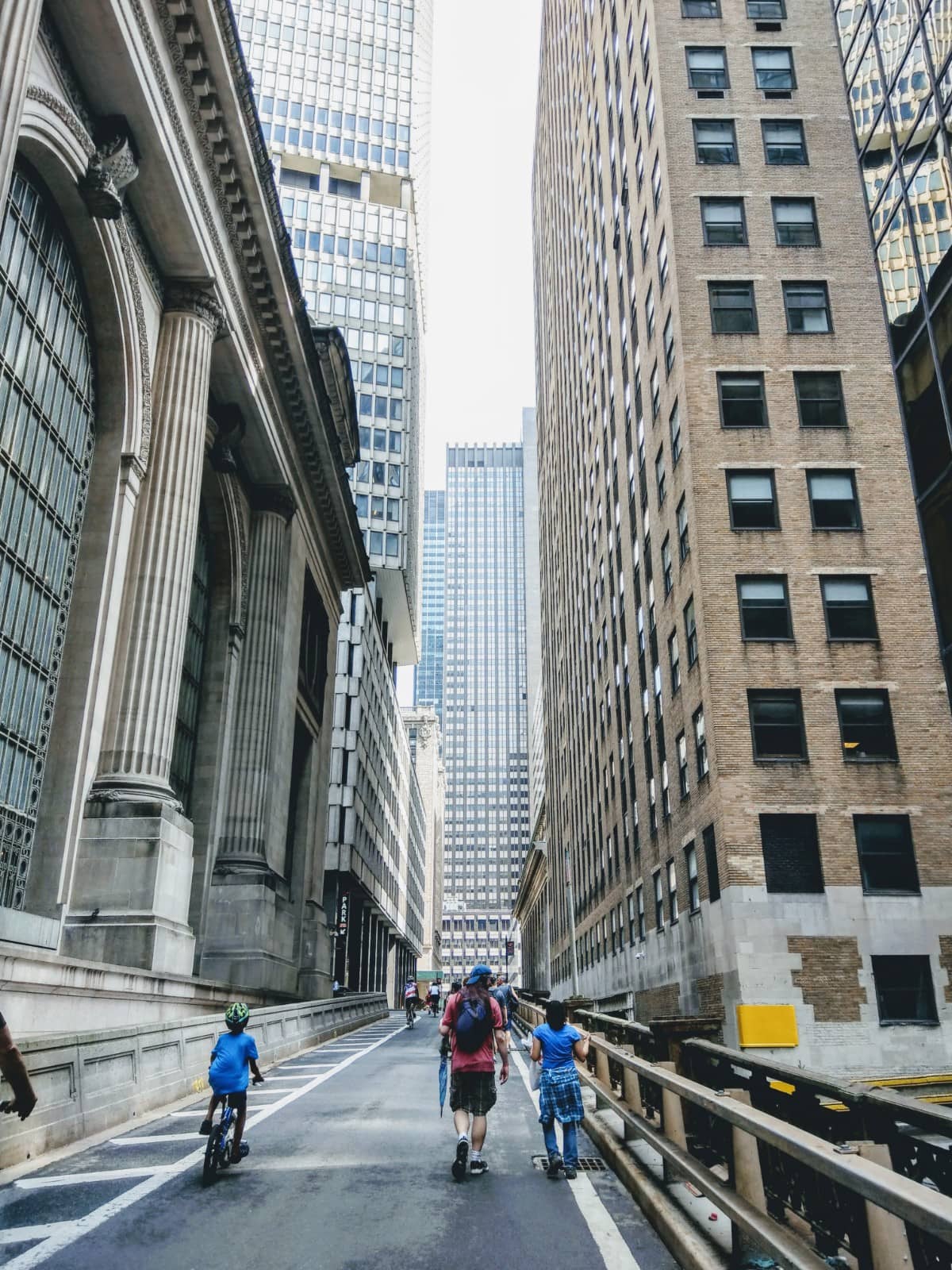
Grand Central Bypass
Over Grand Central Terminal
See how the viaduct elegantly curves around Grand Central, offering a different perspective of the historic station.
Plans like a pro.
Thinks like you
Planning Your Visit
Navigating the Viaduct
Understanding the Structure
Best Times
Insider Tips
from TikTok, Instagram & Reddit
Park Ave Viaduct on bike?
Okay, I've always been curious about this. If you're riding on Park avenue do you use the Park Ave Viaduct that goes around Grand Central or do you use the avenues east and west of Park? I'm a regular cyclist and can keep up with cars typically but don't know how badly I'd get…
Cyclist's Route Choice
Cyclists debate using the viaduct; be aware of traffic and consider east/west avenues if unsure. :athletic_shoe:
Capture the Skyline
Best spots for photos are from adjacent buildings or during off-peak hours for clearer shots. :camerawithflash:
Park Ave Viaduct
Is the Park Ave Viaduct bike-able? I have concerns about initial blind spots/sharp that cars have when you enter the viaduct from the north (Park and 46th). I'm thinking of using it as my route to Penn Station in the evenings via a Citibike.
Does Park Avenue really need 6 lanes of car traffic? There’s even a useless center meridian. As there are no north-south bike lanes between 2nd and 6th, why are there no proposals for a 2 way protected Park Ave bike lane??
Pretty fun to ride at night. Nightmare during the daytime though.
Understand the Structure
It's an elevated roadway, not a pedestrian walkway. Observe its engineering and how it integrates with Grand Central. :world_map:
Reconnect the Park Avenue medians, run a Greenway down it for micromobility and pedestrians, and only let cars cross every 10 blocks or so at major streets
Summer Streets really illustrates how ridiculous the current configuration of Park Ave is. Is always such a shit show of turning cars trying to sneak into the middle park and backing up into the lanes. Park could be a linear park and because again, what the east side needs
Tips
from all over the internet
Cyclist's Route Choice
Cyclists debate using the viaduct; be aware of traffic and consider east/west avenues if unsure. :athletic_shoe:
Capture the Skyline
Best spots for photos are from adjacent buildings or during off-peak hours for clearer shots. :camerawithflash:
Understand the Structure
It's an elevated roadway, not a pedestrian walkway. Observe its engineering and how it integrates with Grand Central. :world_map:
What Travellers Say
Reviews Summary
The Park Avenue Viaduct is primarily an engineering marvel and a functional roadway, offering unique elevated views of Midtown Manhattan. While not a destination in itself, its presence is a significant part of the city's urban fabric, particularly its integration with Grand Central Terminal. Visitors appreciate its architectural significance and the perspective it provides on city planning.
What People Like
What People Dislike
Frequently Asked Questions
🚇 🗺️ Getting There
The Park Avenue Viaduct is an elevated roadway primarily for vehicular traffic. Access points are typically via street-level entrances onto Park Avenue. For cyclists, it's a point of discussion whether to use it or adjacent avenues.
While you can't directly access the viaduct itself via public transport, it's located directly above Grand Central Terminal, a major transit hub. You can reach the area via subway or bus and then observe the viaduct from street level or nearby buildings.
The Park Avenue Viaduct is designed for vehicular traffic, not pedestrians. It's an elevated roadway, and walking on it is not permitted or safe.
To best appreciate the Park Avenue Viaduct, view it from street level on Park Avenue, from the windows of nearby buildings, or consider a taxi or bus ride that traverses it.
Vehicles enter the Park Avenue Viaduct by driving onto Park Avenue and following the designated elevated lanes that curve around Grand Central Terminal.
🎫 🎫 Tickets & Entry
No, there are no tickets required to see or experience the Park Avenue Viaduct. It's a public roadway and part of the city's infrastructure.
As a public roadway, the Park Avenue Viaduct is open 24/7 for vehicular traffic. However, visibility and traffic conditions will vary throughout the day and night.
There is no admission fee for the Park Avenue Viaduct. It is a free-flowing public thoroughfare.
Stopping your vehicle on the Park Avenue Viaduct is generally not permitted due to traffic flow and safety regulations. It's designed for continuous movement.
Standard traffic laws apply. Be mindful of speed limits and lane usage. Large trucks may have specific routing considerations.
📸 📸 Photography
Great photo opportunities exist from street level on Park Avenue, looking up at the structure, or from higher vantage points in surrounding buildings. Capturing its curve around Grand Central is a popular shot.
It is not safe or legal to take photos while driving on the Park Avenue Viaduct. Please pull over to a safe location or have a passenger take photos.
Early mornings or late evenings can offer dramatic lighting. Golden hour before sunset or the blue hour after sunset can provide beautiful cityscapes with the viaduct.
Drone usage in Manhattan is highly restricted, especially around major landmarks like Grand Central Terminal. It's unlikely you'll be able to legally fly a drone here.
Consider wide-angle shots to capture the scale of the viaduct against the city skyline, or telephoto shots to highlight architectural details and the flow of traffic.





Social
from TikTok, Instagram & Reddit