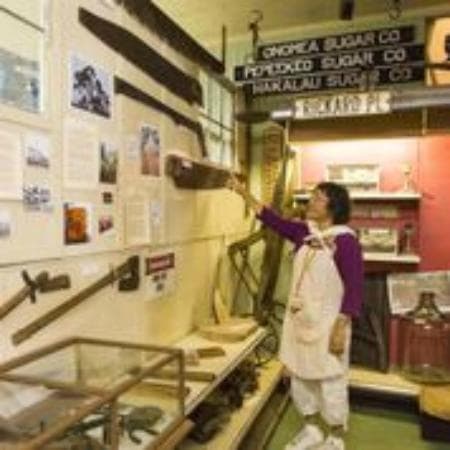
Hawaii Plantation Museum
Discover Hawaii's rich plantation past through artifacts and recreated village life, guided by passionate local volunteers.
Highlights
Must-see attractions

Social
From TikTok & Reddit
Best Time
Fewer crowds, more volunteer time
Hawaii Plantation Museum
Best Time
Fewer crowds, more volunteer time
Highlights
Must-see attractions
Discover Hawaii's rich plantation past through artifacts and recreated village life, guided by passionate local volunteers.
"A fascinating collection and slice of local history, worth the visit!"

Chat with the Docents
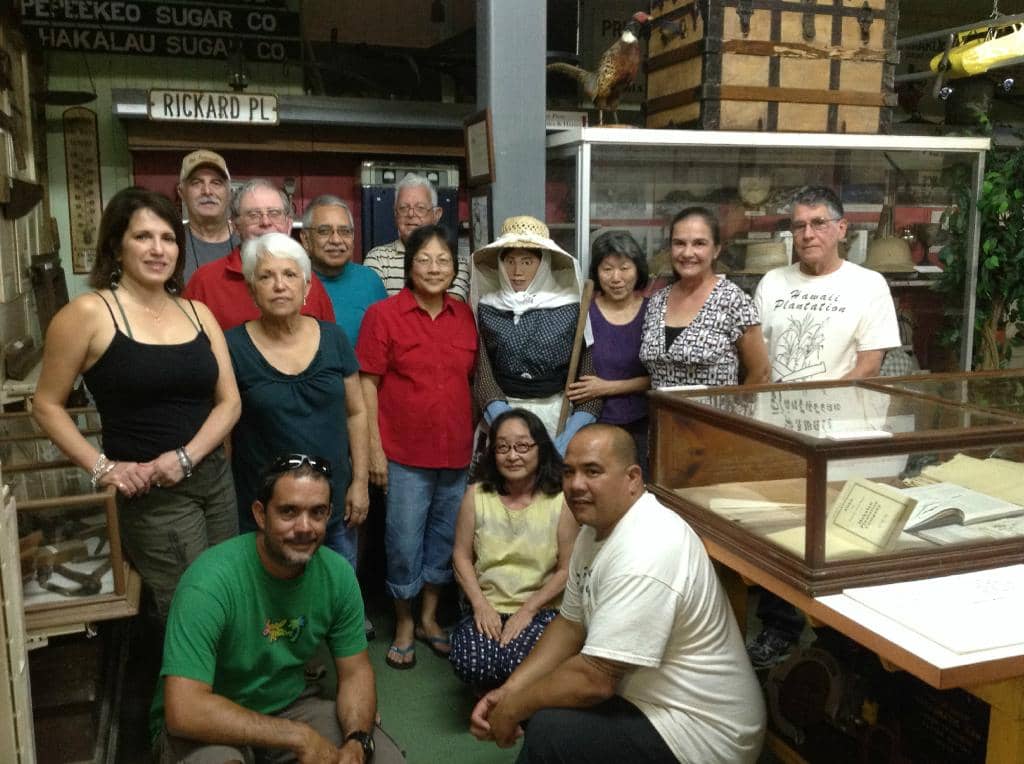
Volunteers are incredibly knowledgeable and passionate. Ask them about their favorite pieces!
Embrace the History
This museum tells a vital story of Hawaii's past. Be open to learning about complex histories.
Highlights
Discover the most iconic attractions and experiences
Immersive Plantation Life
Recreated plantation buildings
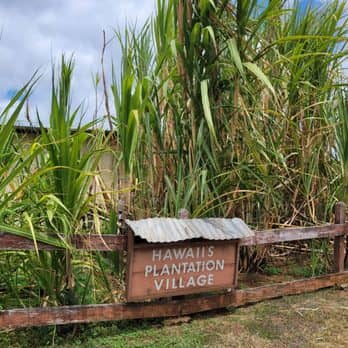
Step back in time to experience 1900s plantation living through meticulously recreated homes and structures.
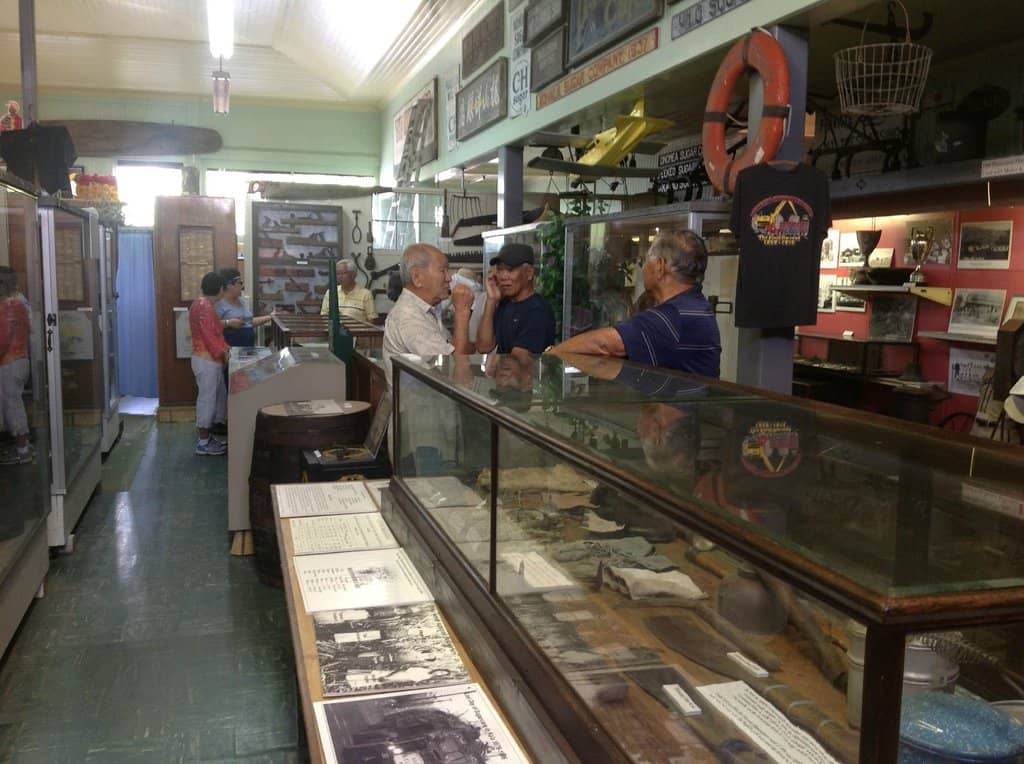
Artifacts of Immigration
Museum exhibits
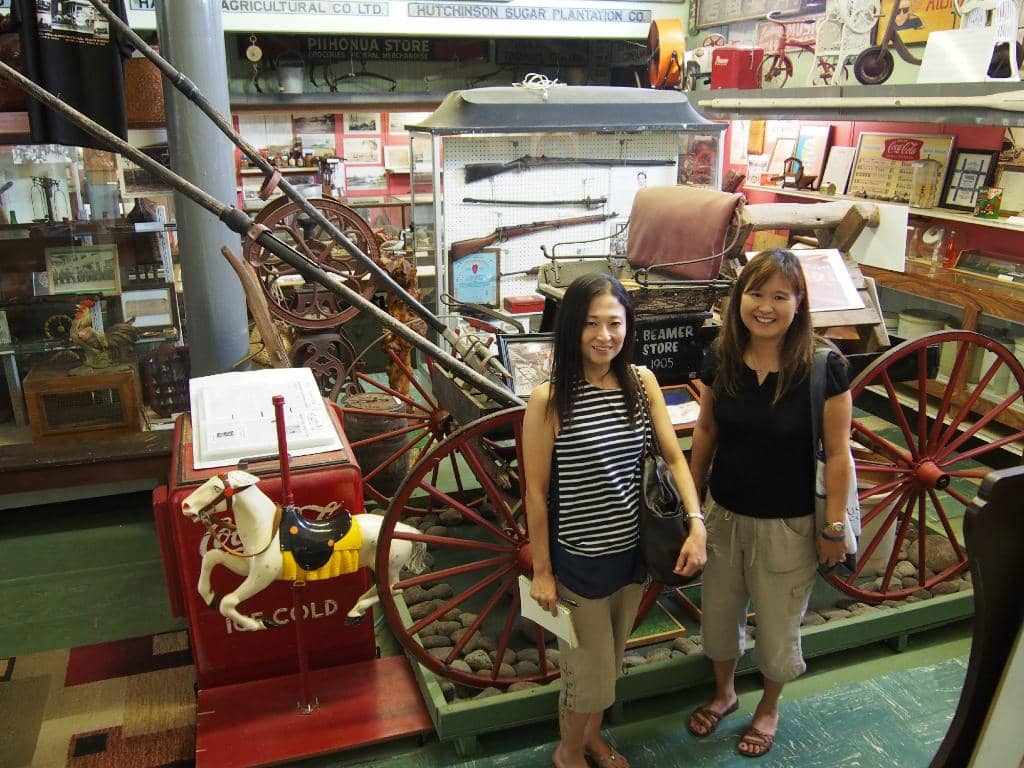
Discover a fascinating collection of artifacts detailing the lives and contributions of diverse immigrant communities.
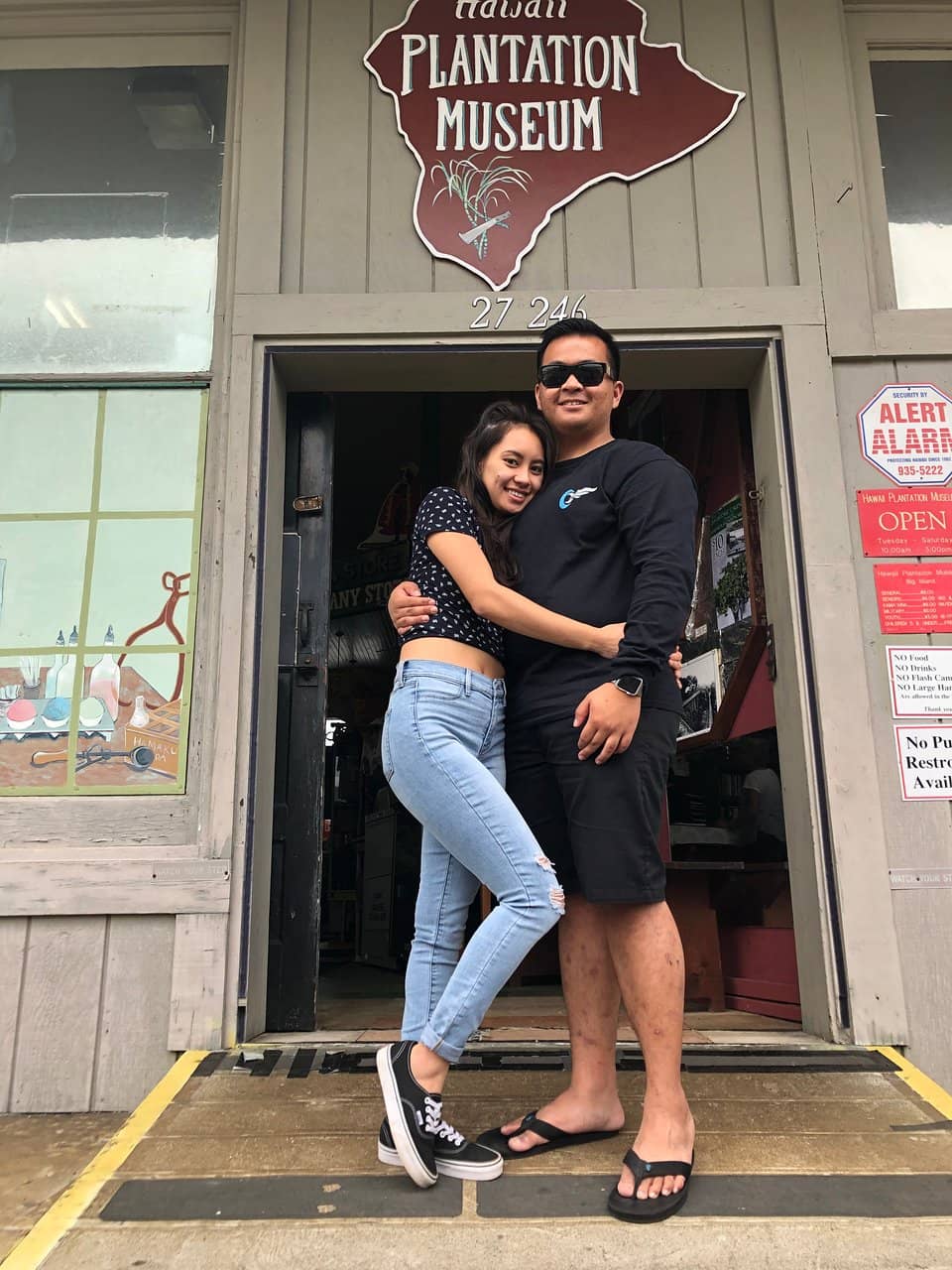
Stories from Passionate Volunteers
Throughout the museum
Engage with knowledgeable docents who share personal stories and historical context, bringing the past to life.
Plans like a pro.
Thinks like you
Planning Your Visit
Timing is Key for a Deeper Dive
Support a Local Gem
Best Times
Insider Tips
from TikTok, Instagram & Reddit
Chat with the Docents
Volunteers are incredibly knowledgeable and passionate. Ask them about their favorite pieces!
Embrace the History
This museum tells a vital story of Hawaii's past. Be open to learning about complex histories.
Support Non-Profits
Your visit helps preserve local culture. It's a gem worth supporting!
Plan for a Private Tour
You might get a private tour if you're lucky! Ask about specific exhibits.
Tips
from all over the internet
Chat with the Docents
Volunteers are incredibly knowledgeable and passionate. Ask them about their favorite pieces!
Embrace the History
This museum tells a vital story of Hawaii's past. Be open to learning about complex histories.
Support Non-Profits
Your visit helps preserve local culture. It's a gem worth supporting!
Plan for a Private Tour
You might get a private tour if you're lucky! Ask about specific exhibits.
What Travellers Say
Reviews Summary
Visitors consistently praise the Hawaii Plantation Museum for its rich historical artifacts and the passionate, knowledgeable volunteers who bring the past to life. Many appreciate the non-profit's dedication to preserving local culture and the intimate, educational experience it offers. Some note that the collection might feel personal, but the overall sentiment is that it's a valuable and worthwhile visit for understanding Hawaii's plantation history.
"Update - the owner is entertaining the idea of selling this place. The entire collection included. Make them an offer!!!
So much history and so many amazing things to see! They volunteers are very knowledgeable and more than willing to tell you about their favorite pieces and people they have met or talked to. Learn about the 5 separate train lines, the sugar plantations private loading docks and why each had its own. You will not be disappointed!!"
Obie Tric
"An off the beaten path non-profit museum run by volunteers who take the time to talk about the history and educate you about the artifacts personally. A fascinating collection and slice of local history. It was very interesting learning about how the sugar cane was harvested and brought to the plant for processing as well as how each wave of immigration contributed to what the Big Island is today. If you like old things and the history behind them, then this place is a gem and worth the $8 entry (less for kids, seniors, etc)"
Brandon Slotterbeck
"Amazing collection of items and information about the sugar cane plantations that powered the economy of Hilo for many years.
Extremely helpful and knowledgeable docents, really passionate about helping tell the story of the plantations and the people from all over the world who worked them."
brian g
What People Like
What People Dislike
Frequently Asked Questions
🚇 🗺️ Getting There
The Hawaii Plantation Museum is located in Waipahu, Oahu. Many visitors arrive by car, as it offers a more flexible way to explore the island. Public transportation options are available, but may require transfers and longer travel times. Check local bus routes for the most up-to-date information.
Yes, parking is generally available for visitors. It's advisable to arrive a bit earlier, especially during peak times, to secure a convenient spot.
While public transport serves the Waipahu area, direct routes to the museum might require some walking or a transfer. It's recommended to check TheBus schedules for routes serving Waipahu.
From Waikiki, you can take a taxi, rideshare service, or TheBus. Driving yourself offers the most direct route, typically taking around 30-40 minutes depending on traffic.
The museum is part of Hawaii's Plantation Village, which recreates a 1900s sugar plantation. You can explore the village and its historic buildings as part of your visit.
🎫 🎫 Tickets & Entry
Admission fees are typically around $8 for adults, with reduced rates for children, seniors, and Kama'aina (local residents). Check their official website or social media for the most current pricing.
Advance booking is usually not required, but it's always a good idea to check their website, especially if you plan to visit during a holiday or special event.
Operating hours can vary, but they are generally open during daytime hours on weekdays and sometimes weekends. It's best to confirm their current hours before your visit.
Yes, discounts are often available for Kama'aina (local residents), military personnel, seniors, and children.
Yes, the Hawaii Plantation Museum is a non-profit organization, and your admission fee directly supports its preservation efforts.
🎫 🧭 Onsite Experience
You'll find a fascinating collection of artifacts, tools, and personal items that tell the story of plantation life and the diverse immigrant communities who worked there. The museum also features recreated plantation buildings.
Yes, passionate volunteers often provide guided tours, sharing in-depth knowledge and personal anecdotes. These tours are highly recommended for a richer understanding.
The museum offers a glimpse into history that can be educational for children, though some topics might require parental guidance. The recreated village setting can be engaging for younger visitors.
Most visitors spend 1-2 hours exploring the exhibits and chatting with the knowledgeable volunteers. If you're particularly interested in history, you might want to allocate a bit more time.
Photography policies can vary. It's best to check with the staff upon arrival or look for signage regarding photo permissions.
📸 📸 Photography
The recreated plantation buildings and the surrounding village grounds offer picturesque opportunities. Look for charming architectural details and historical settings.
Photography rules can differ for indoor exhibits. Always check for signage or ask a staff member before taking pictures inside.
Drone usage is typically restricted at historical sites and museums to protect the artifacts and ensure visitor safety. It's best to assume drones are not permitted.
Natural light is prevalent in the outdoor village areas. Indoor exhibits may have controlled lighting, so be prepared for varying conditions.
Portrait photography might be allowed in designated areas, but it's wise to confirm with the museum staff beforehand, especially for professional shoots.
For Different Travelers
Tailored advice for your travel style
👨👩👧 Families with Kids
 While the historical context of plantation labor is complex, the tangible exhibits and the engaging stories from passionate volunteers can make history come alive for younger visitors.
 To make the visit more enjoyable for kids, encourage them to ask questions of the volunteers, who are often happy to tailor their explanations. Pointing out different tools or household items can also help them connect with the past. It's a great opportunity to discuss the importance of different cultures contributing to Hawaii's history.
📚 History Buffs & Cultural Enthusiasts
Redditors consistently praise the "fascinating collection" and the "extremely helpful and knowledgeable docents."
Deep Dives
In-depth insights and expert knowledge
The Heart of the Museum: Its Volunteers
These volunteers are the living link to Hawaii's past, providing a unique perspective on the sugar cane industry and the waves of immigration that shaped the islands. Their dedication ensures that the stories of the laborers, their struggles, and their contributions are not forgotten. This personal touch is what many visitors highlight as the most memorable aspect of their visit, making it feel less like a museum and more like a conversation with history.
Some visitors have even noted that the museum is "entertaining the idea of selling this place," suggesting that community support is crucial for its continued operation. By visiting and engaging with the volunteers, you directly contribute to the preservation of this important cultural heritage.
A Glimpse into Plantation Life
These structures provide a vivid backdrop for understanding the daily lives of the diverse immigrant communities – including Japanese, Chinese, Filipino, Portuguese, and others – who formed the backbone of the sugar industry. Beyond the recreated village, the museum houses an impressive array of artifacts. These items offer insights into the tools used for harvesting and processing sugar cane, as well as personal belongings that speak to the resilience and cultural practices of the workers. Learning about "how the sugar cane was harvested and brought to the plant for processing" is a key takeaway for many visitors.
While some visitors might feel that "some of the stuff seemed to just be the guys collection of treasures and not plantation," the overall experience is consistently described as "pleasant and educational."
Social
from TikTok, Instagram & Reddit