
Seneca Stonecutting Mill Ruins
Explore the hauntingly beautiful ruins of a historic stonecutting mill, crucial to building D.C. landmarks.
Highlights
Must-see attractions

Social
From TikTok & Reddit
Best Time
Pleasant weather for exploring
Seneca Stonecutting Mill Ruins
Best Time
Pleasant weather for exploring
Highlights
Must-see attractions
Explore the hauntingly beautiful ruins of a historic stonecutting mill, crucial to building D.C. landmarks.
"A gorgeous piece of local history, though sadly marred by neglect and vandalism."

Wear Sturdy Shoes
Trails are overgrown and uneven. Good footwear is essential for safe exploration. :athletic_shoe:
Pack Out Trash
Help preserve this historic site by taking all your trash with you. Leave no trace. :recycle:

Highlights
Discover the most iconic attractions and experiences
Mill Walls
Main structures of the mill
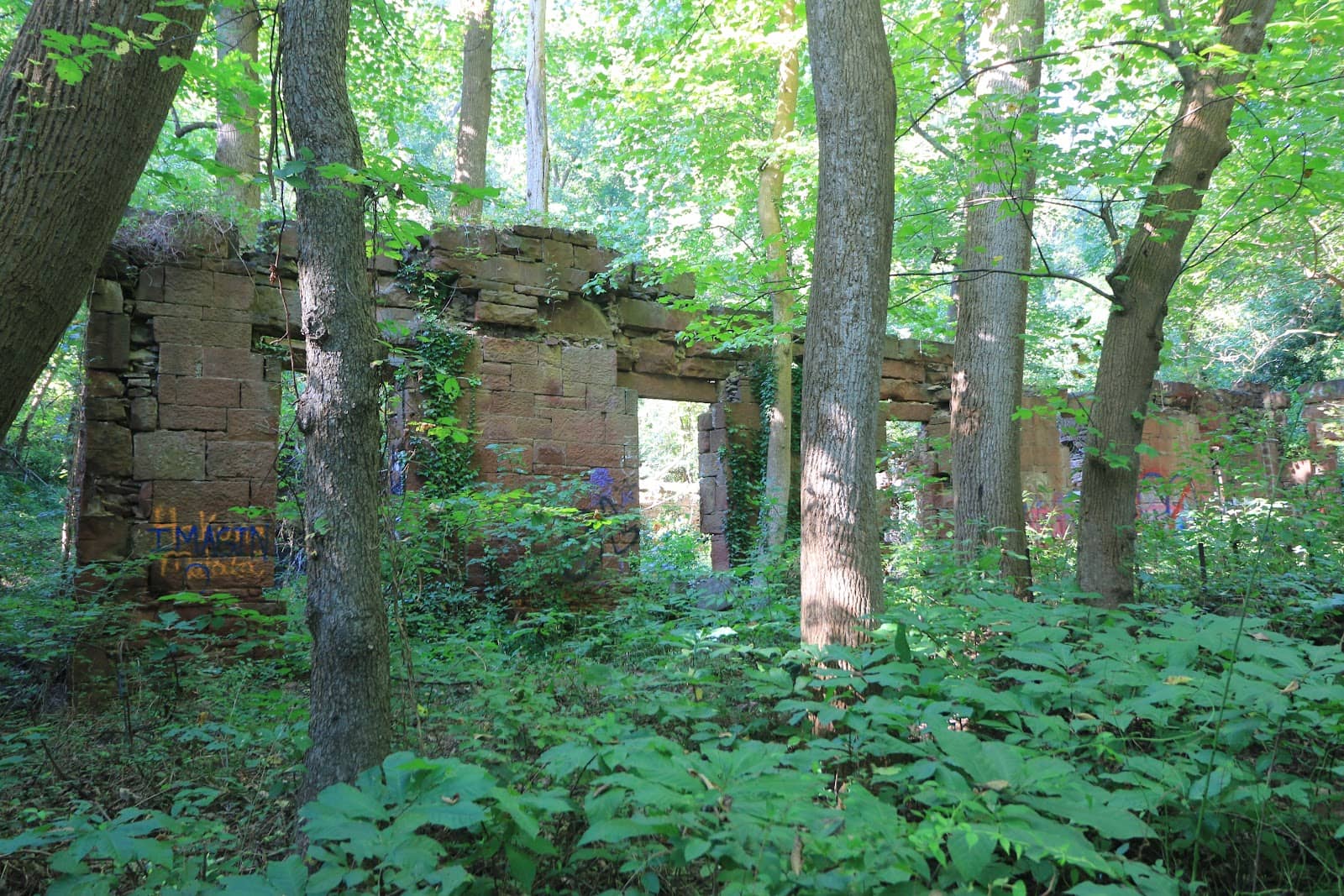
Explore the remaining stone walls of the historic mill, a testament to early American industry.
Quarry History
Near the mill
Discover the remnants of the quarry that supplied stone for iconic Washington D.C. landmarks.
Canal Proximity
C&O Canal Towpath
Easily accessible from the C&O Canal Towpath, offering a glimpse into the area's past.
Plans like a pro.
Thinks like you
Planning Your Visit
Respect the Ruins
Safety First on Trails
Best Times
Insider Tips
from TikTok, Instagram & Reddit
Wear Sturdy Shoes
Trails are overgrown and uneven. Good footwear is essential for safe exploration. :athletic_shoe:
Pack Out Trash
Help preserve this historic site by taking all your trash with you. Leave no trace. :recycle:
Beware of Water
The water near the ruins can be dangerous, especially in winter. Exercise extreme caution. :warning:
Look for Trails
Two paths lead to the ruins; one is more cleared than the other. Choose wisely! :hiking_boot:
Tips
from all over the internet
Wear Sturdy Shoes
Trails are overgrown and uneven. Good footwear is essential for safe exploration. :athletic_shoe:
Pack Out Trash
Help preserve this historic site by taking all your trash with you. Leave no trace. :recycle:
Beware of Water
The water near the ruins can be dangerous, especially in winter. Exercise extreme caution. :warning:
Look for Trails
Two paths lead to the ruins; one is more cleared than the other. Choose wisely! :hiking_boot:
Graffiti Adds Color
While unfortunate, graffiti can add a unique visual element to your photos. :camerawithflash:
What Travellers Say
Reviews Summary
Visitors find the Seneca Stonecutting Mill Ruins to be a gorgeous piece of local history with undeniable beauty, despite the unfortunate presence of graffiti and neglect. The site offers a fascinating glimpse into early American industry and its connection to iconic landmarks. However, many lament the condition of the ruins and the lack of preservation efforts.
"A gorgeous peice of local history. Dont be a horrible person and leave trash behind. There is already too much of it already. However its beauty is still undeniable. Be very safe as this is not meant to be climbed on or around and your risk seriously hurting yourself. Be careful for the water especially in winter as you may fall in."
Gus Kingman
"There are some ruins left that you can wander through. Of course they are graffitied but that give your photos color....so not complaining. Ruins are a bit overgrown so where good shoes and walk carefully. There are just main walls of structures, no artifacts, but still a cool little place to explore and read the history about. If you are near lock 24 you can walk to the ruins in a few minutes."
Jennifer Wenzel
"What a shame to find this National Historical Sight in this condition. Covered in graffiti and overgrown left to fall to the ground, defaced and discarded like trash. I visited a number of years ago and it wasn’t like this. There was once a placard with historical information. Whom ever Was responsible for preserving this landmark must have forgotten it.
As an artist traveling from place to place to find and paint interesting local sights, I am seriously disappointed! Compare what we neglect to other countries that persevere ruins for hundreds of years. What will we have left? A pile of sticks that eventually get sold For development. Heartbreaking."
Jimmy Vissari
What People Like
What People Dislike
Frequently Asked Questions
🚇 🗺️ Getting There
The ruins are accessible from the C&O Canal Towpath. Head upstream from the Seneca Creek Aqueduct for about a hundred yards, then look for a trail on your right. Follow this trail for approximately five minutes to reach the site.
While specific parking lots aren't always clearly marked, visitors often park near the C&O Canal access points and walk to the ruins. Check local signage for designated areas.
Yes, the C&O Canal Towpath is a popular route for cyclists, and you can easily access the ruins from the towpath.
The walk from the C&O Canal Towpath to the ruins is generally short and considered easy to moderate, depending on trail conditions.
Using a GPS device or a mapping app on your phone can be helpful. The ruins are located near Lock 24 on the C&O Canal.
🎫 🎫 Tickets & Entry
No, the Seneca Stonecutting Mill Ruins are generally accessible to the public without an admission fee. It's a historical site open for exploration.
As an outdoor historical site, there are no set operating hours. You can visit during daylight hours, but be mindful of safety after dark.
There is no entrance fee to visit the Seneca Stonecutting Mill Ruins. It's a free historical landmark to explore.
Yes, the ruins are accessible year-round. However, winter conditions can make the trails slippery and potentially hazardous.
Visitors are encouraged to respect the historical nature of the site and avoid climbing on unstable structures or leaving trash.
📸 📸 Photography
The remaining stone walls offer great photographic opportunities. The contrast of the old stone against nature, and even the graffiti, can create unique shots.
Regulations regarding drone usage can vary. It's advisable to check with local park authorities or the National Park Service for current rules before flying a drone.
Early morning or late afternoon light can provide beautiful, soft lighting for photography, highlighting the textures of the stone.
While the graffiti is a sign of vandalism, some photographers find it adds a layer of urban decay and color to their images.
Historically, there was a placard with information, but it may no longer be present. It's recommended to research the history beforehand to enhance your photographic storytelling.
🎫 📜 History & Legends
The mill, dating back to the early 1800s, was used to cut and dress stone quarried nearby. This stone was crucial for building structures like the Seneca Aqueduct, the Smithsonian's "Castle," and the Washington Monument.
A dark legend tells of a family tragedy involving a mother drowning her son and a father killing the mother, with bodies hidden within the mill. It's said to be haunted.
Absolutely! The red sandstone quarried and cut here was famously used in the construction of the Smithsonian Institution's "Castle" and as backing stone for the Washington Monument.
The Seneca Stone Cutting Mill is considered the oldest stone-cutting mill in the United States, highlighting its historical significance.
Over time, the mill fell into disrepair and has suffered from neglect and vandalism, leaving behind the ruins that visitors see today.
For Different Travelers
Tailored advice for your travel style
👨👩👧 Families with Kids
It's crucial to emphasize safety: keep children close, especially near the water and the unstable ruins. Ensure they wear appropriate footwear for the uneven terrain. While the graffiti might be present, it can also be a talking point about preservation and respecting historical sites. Pack snacks and water, as amenities are limited.
🚶♀️ History Buffs & Urban Explorers
While the site has suffered from vandalism, the remaining stone structures still offer a compelling glimpse into early 19th-century quarrying and stonecutting techniques. The proximity to the C&O Canal also adds a layer of historical context, connecting the mill to the broader transportation and industrial development of the era.
📸 Photographers
While the graffiti is a unfortunate aspect, some photographers embrace it as part of the site's current character, adding a layer of urban decay and color. The best light is often found during the golden hours of early morning or late afternoon. Remember to be respectful of the site and its history while capturing your shots.
Deep Dives
In-depth insights and expert knowledge
The Stone's Journey: From Quarry to Landmark
The mill's output was critical for iconic structures. The Seneca Aqueduct, part of the C&O Canal system, utilized this stone, demonstrating its structural importance. Even more famously, the stone cut here was used in the construction of the Smithsonian Institution's "Castle," a landmark building that continues to define the National Mall. Furthermore, it served as backing stone for the monumental Washington Monument, underscoring the mill's contribution to national symbols.
Today, the ruins serve as a tangible link to this industrious past. While time and neglect have taken their toll, the remaining structures hint at the scale of operations. Visitors can explore the remnants and imagine the hard work that went into shaping these stones, which ultimately became foundational elements of some of America's most recognizable buildings.
Navigating the Ruins and Trails
Once at the site, you'll find that the ruins are somewhat overgrown, with the main structures consisting of the remaining stone walls. There are often two paths to consider once you arrive at the general area; one is typically more cleared than the other. It's advisable to wear sturdy, closed-toe shoes, as the terrain can be uneven and potentially slippery, especially after rain or in damp conditions.
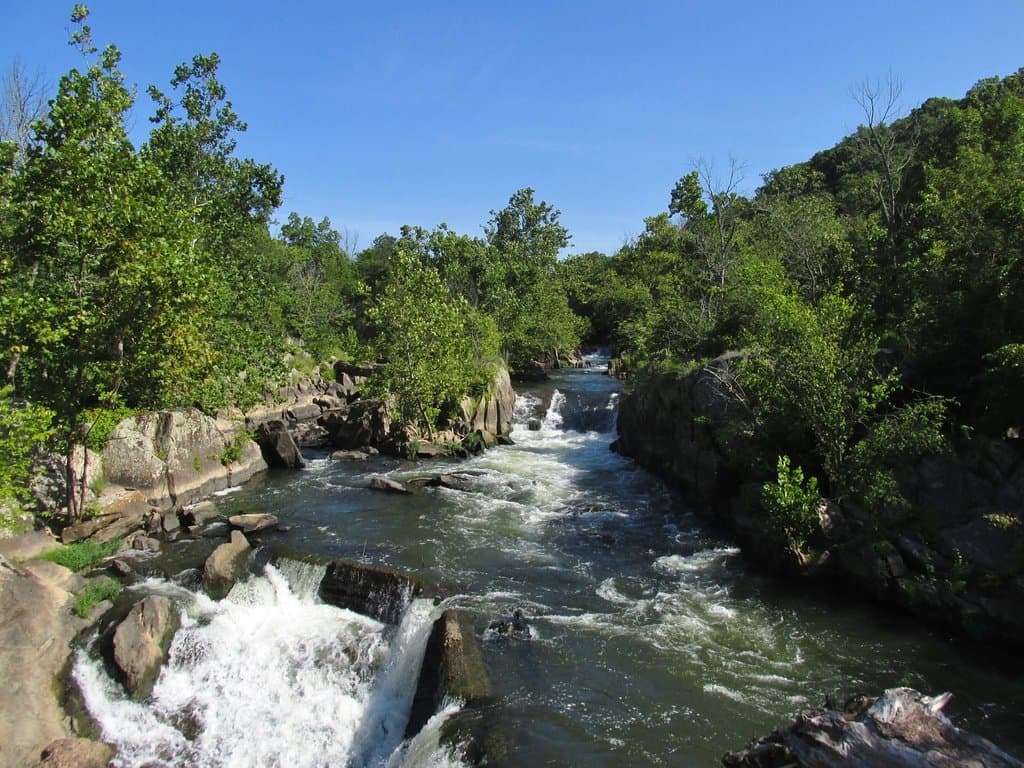
Safety is paramount. While the ruins are fascinating to explore, they are not designed for climbing. The proximity to the water, particularly the C&O Canal, means there's a risk of falling in, especially during colder months when the banks can be icy. Visitors are urged to be cautious and mindful of their footing to ensure a safe and enjoyable experience.
The Haunting Legend of Seneca Mill
Upon discovering his son's death, the father is said to have confronted and attacked his wife, resulting in her decapitating him with an ax. The legend further claims that the father's body was hidden beneath the mill's floorboards, and the mother subsequently hanged herself from the rafters. This grim narrative has led to the mill being considered haunted by some visitors.
Local lore suggests that those who venture into the mill and utter degrading names towards the woman, Abigail, might provoke a spectral appearance. While this is a legend, it contributes to the mystique of the Seneca Stonecutting Mill Ruins and is often shared among those who visit the site, adding a layer of folklore to the historical exploration.



Social
from TikTok, Instagram & Reddit