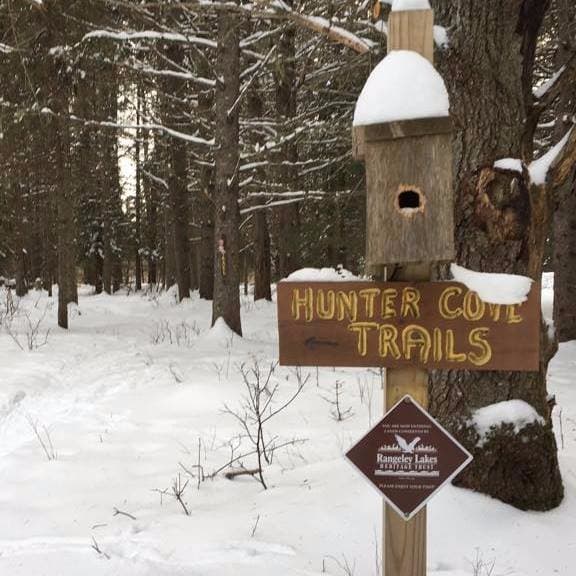
Hunter Cove Wildlife Sanctuary
Discover diverse wildlife in a serene natural setting. Home to a stunning heron rookery and playful otters, it's a haven for nature lovers.
Highlights
Must-see attractions

Social
From TikTok & Reddit
Best Time
Birdsong and active wildlife
Hunter Cove Wildlife Sanctuary
Best Time
Birdsong and active wildlife
Highlights
Must-see attractions
Discover diverse wildlife in a serene natural setting. Home to a stunning heron rookery and playful otters, it's a haven for nature lovers.

🤫 Be Quiet, Be Rewarded
Keep noise to a minimum to avoid startling wildlife. Patience is key for amazing sightings! :camerawithflash:
👟 Trail Ready
Wear sturdy, comfortable shoes. Trails can be uneven and muddy after rain. :athletic_shoe:

Quick Facts
Highlights
Discover the most iconic attractions and experiences
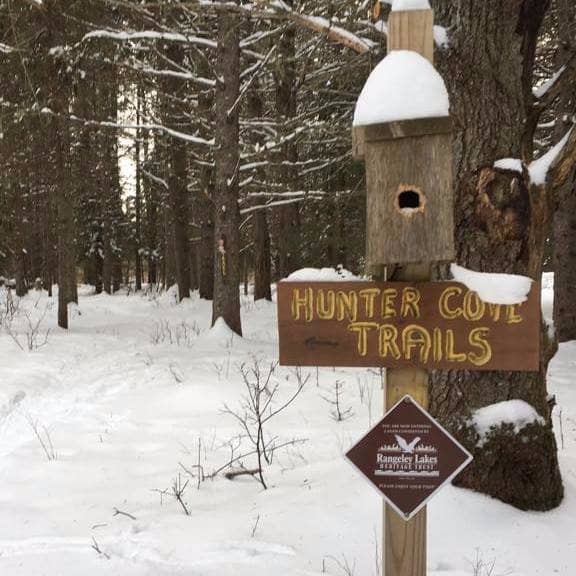
The Heron Rookery
North Marsh Trail
Witness hundreds of majestic herons nesting and raising their young. A truly breathtaking spectacle of nature.
Eagle's Nest Overlook
Summit Trail
Spot majestic bald eagles soaring overhead and nesting in the towering trees. Panoramic views of the sanctuary.
Otter Creek
South Bank Trail
Observe playful otters frolicking in the water and along the banks. A delightful and active wildlife encounter.
Plans like a pro.
Thinks like you
Planning Your Visit
Timing is Everything
Pack Smart for Nature
Best Times
Insider Tips
from TikTok, Instagram & Reddit
🤫 Be Quiet, Be Rewarded
Keep noise to a minimum to avoid startling wildlife. Patience is key for amazing sightings! :camerawithflash:
👟 Trail Ready
Wear sturdy, comfortable shoes. Trails can be uneven and muddy after rain. :athletic_shoe:
☀️ Sun & Bugs
Bring sunscreen and insect repellent, especially during warmer months. :bug:
💧 Stay Hydrated
Carry plenty of water, especially on longer hikes. Refill stations are limited. :droplet:
Tips
from all over the internet
🤫 Be Quiet, Be Rewarded
Keep noise to a minimum to avoid startling wildlife. Patience is key for amazing sightings! :camerawithflash:
👟 Trail Ready
Wear sturdy, comfortable shoes. Trails can be uneven and muddy after rain. :athletic_shoe:
☀️ Sun & Bugs
Bring sunscreen and insect repellent, especially during warmer months. :bug:
💧 Stay Hydrated
Carry plenty of water, especially on longer hikes. Refill stations are limited. :droplet:
What Travellers Say
Reviews Summary
Visitors consistently praise Hunter Cove Wildlife Sanctuary for its abundant and diverse wildlife, particularly the impressive heron rookery and playful otters. The well-maintained trails and serene natural beauty make it a perfect escape for nature lovers. Some visitors note that food options are scarce and recommend bringing your own provisions.
What People Like
What People Dislike
Frequently Asked Questions
🚇 🗺️ Getting There
Hunter Cove Wildlife Sanctuary is accessible by car, with ample parking available. The nearest major highway is Route 10. Public transport options are limited, so driving is recommended. Check the sanctuary's website for detailed directions and GPS coordinates.
Unfortunately, direct public transportation to Hunter Cove Wildlife Sanctuary is scarce. It's best to plan for a car journey or consider ride-sharing services if available in the area. Some local bus routes may get you close, but expect a walk.
The sanctuary offers well-marked trails for walking. Consider downloading an offline map of the trails on your phone, as cell service can be spotty within the sanctuary grounds. :iphone:
Yes, there is typically a modest entrance fee for individuals and vehicles. It's advisable to check the official Hunter Cove Wildlife Sanctuary website for the most current pricing and any potential discounts or membership options. 🎟️
Generally, pets are not allowed within wildlife sanctuaries to protect the native animals. Please leave your furry friends at home to ensure the safety and well-being of the sanctuary's inhabitants.
🎫 🎫 Tickets & Entry
Hunter Cove Wildlife Sanctuary typically opens at dawn and closes at dusk. However, specific hours can vary seasonally. Always check their official website for the most up-to-date operating hours before your visit.
For general admission, booking tickets in advance is usually not required, but it's always a good idea to check the sanctuary's website, especially during peak seasons or for special events. This can save you time upon arrival. 🎟️
Yes, guided tours are often available and highly recommended for a richer experience. These tours are led by knowledgeable naturalists who can point out wildlife and share fascinating insights about the ecosystem. Check the website for tour schedules and booking information.
Admission prices can vary. Typically, there's a per-person fee and sometimes a per-vehicle fee. Expect prices to be reasonable, often around $5-$15 per adult. Check the official website for current rates. :moneybag:
Refund policies can differ. Generally, if you've purchased a general admission ticket, it might be non-refundable. For special events or pre-booked tours, check the specific terms and conditions at the time of purchase. It's best to contact the sanctuary directly.
🎫 🧭 Onsite Experience
Hunter Cove is home to a diverse range of wildlife, including various bird species (herons, eagles, waterfowl), small mammals, reptiles, and amphibians. The specific animals you'll see depend on the season and time of day. 🐦
Most trails are relatively easy and well-maintained, suitable for most fitness levels. Some may have inclines or uneven terrain. The Heron Rookery and Otter Creek trails are generally flat and accessible. 🚶
Facilities typically include restrooms, picnic areas, and sometimes a small visitor center with educational exhibits. There are usually no food concessions, so pack your own snacks and drinks. :picnic_table:
Absolutely! Hunter Cove is a photographer's paradise, especially for wildlife and nature photography. Early morning and late afternoon light offer the best conditions. Remember to use a telephoto lens for wildlife shots. :camerawithflash:
To truly enjoy the sanctuary and spot wildlife, plan for at least 3-4 hours. If you're an avid birder or photographer, you could easily spend a full day exploring the different habitats and trails.
🍽️ 🍴 Food & Dining
Hunter Cove Wildlife Sanctuary does not typically have on-site restaurants or cafes. It's a natural preserve focused on wildlife. You'll need to bring your own food and drinks for a picnic. :sandwich:
Yes, picnic areas are usually available within the sanctuary. It's a wonderful way to enjoy a meal surrounded by nature. Remember to pack out all your trash to keep the sanctuary clean. :picnic_table:
The nearest dining options will be in the closest town, which is usually a short drive away. Expect casual cafes, diners, or family-friendly restaurants. Check local listings for recommendations before your visit.
Absolutely not. Feeding the wildlife is strictly prohibited and harmful to their health and natural behaviors. Please respect the animals and their environment by not feeding them. :noentrysign:
Alcoholic beverages are generally not permitted within wildlife sanctuaries to maintain a safe and family-friendly environment. It's best to leave it at home. :wine_glass:
📸 📸 Photography
The Heron Rookery, Otter Creek, and areas around the marshlands are prime spots for wildlife photography. Keep an eye out near water sources and dense foliage where animals often gather. :camerawithflash:
A telephoto lens (200mm or longer) is highly recommended for capturing wildlife from a distance. A sturdy tripod can also be helpful for stability, especially in low light. Don't forget extra batteries and memory cards! :iphone:
The 'golden hours' – shortly after sunrise and before sunset – offer the most beautiful, soft light for photography. Wildlife is also typically most active during these times. 🌅
Drone usage is almost always prohibited in wildlife sanctuaries to avoid disturbing the animals and for safety reasons. Always check the sanctuary's specific regulations regarding drones before your visit. :noentrysign:
Many visitors suggest being patient, moving slowly, and using camouflage or neutral-colored clothing to blend in. Respecting the animals' space is paramount. Some also recommend visiting during weekdays to avoid crowds. :man_running:

Social
from TikTok, Instagram & Reddit