Can Tho Bridge
An iconic cable-stayed bridge spanning the Hau River, symbolizing the Mekong Delta's progress and offering stunning panoramic views.
Highlights
Must-see attractions

Social
From TikTok & Reddit
Best Time
Serene views, fewer cars
Can Tho Bridge
Best Time
Serene views, fewer cars
Highlights
Must-see attractions
An iconic cable-stayed bridge spanning the Hau River, symbolizing the Mekong Delta's progress and offering stunning panoramic views.
"An impressive architectural symbol and a vital traffic route, Can Tho Bridge is a must-see in the Mekong Delta."
🚗 Beat the Traffic
Avoid rush hours to prevent long queues. Weekdays are your best bet for a smoother drive.
📸 Capture Stunning Views
The bridge offers incredible photo opportunities, especially at sunrise and sunset.
Highlights
Discover the most iconic attractions and experiences
Panoramic Mekong Delta Views
From the bridge deck
Experience breathtaking vistas of the Hau River and the surrounding lush landscape. A true symbol of the Mekong Delta's beauty.
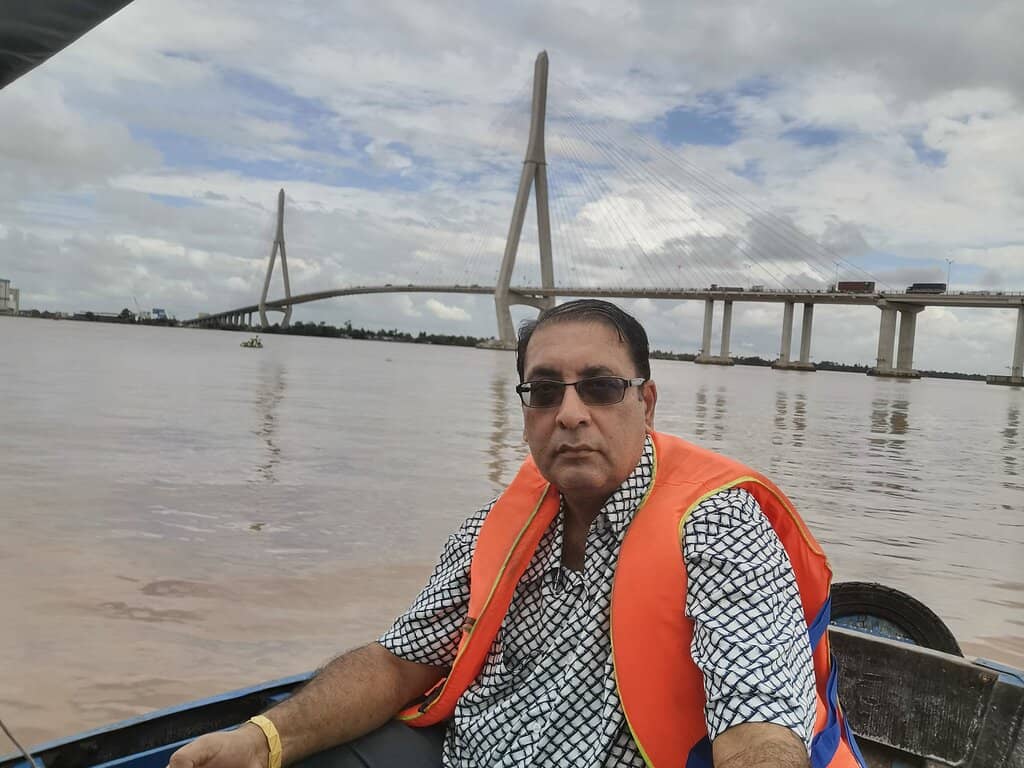
Architectural Marvel
The entire structure
Admire the impressive cable-stayed design, once holding records for its main span length in Southeast Asia.
Symbol of Connection
Connecting Can Tho and Vinh Long provinces
Witness a vital artery that boosts socio-economic development and connects communities across the Hau River.
Plans like a pro.
Thinks like you
Planning Your Visit
Timing Your Visit to Avoid Congestion
Understanding the Bridge's Significance
Best Times
Insider Tips
from TikTok, Instagram & Reddit
🚗 Beat the Traffic
Avoid rush hours to prevent long queues. Weekdays are your best bet for a smoother drive. +2
📸 Capture Stunning Views
The bridge offers incredible photo opportunities, especially at sunrise and sunset.
🛣️ Drive with Caution
Be mindful of other vehicles and local driving habits, especially during busy periods.
💡 Understand Its History
Learn about the bridge's construction and the tragic collapse in 2007; it adds depth to your visit. +2
Tips
from all over the internet
🚗 Beat the Traffic
Avoid rush hours to prevent long queues. Weekdays are your best bet for a smoother drive. +2
📸 Capture Stunning Views
The bridge offers incredible photo opportunities, especially at sunrise and sunset.
🛣️ Drive with Caution
Be mindful of other vehicles and local driving habits, especially during busy periods.
💡 Understand Its History
Learn about the bridge's construction and the tragic collapse in 2007; it adds depth to your visit. +2
What Travellers Say
Reviews Summary
Can Tho Bridge is widely praised as a magnificent architectural feat and a proud symbol of the Mekong Delta's progress. Visitors are impressed by its scale and the panoramic views it offers. However, the experience can be marred by significant traffic congestion, which travelers should plan to avoid.
"High quality cable-stayed bridge"
Mr. Six
"The pride of the Vietnamese people and the people of the Mekong Delta"
Le Quoc
"Can Tho Bridge is an impressive architectural symbol, connecting the two banks of the Hau River and making an important contribution to the socio-economic development of the Mekong Delta. This project is not only a vital traffic route but also an attractive tourist attraction, attracting visitors by its modern beauty and panoramic view. With its scale and top-notch construction techniques, Can Tho Bridge affirms the capacity and progress of the domestic engineering industry. The presence of the bridge has promoted trade, connected localities and improved the quality of life for people. Can Tho Bridge is truly the pride of the nation, demonstrating the aspiration to rise up and integrate."
Đặng huỳnh Huy
What People Like
What People Dislike
Frequently Asked Questions
🚇 🗺️ Getting There
Can Tho Bridge connects Can Tho city and Vinh Long province, spanning the Hau River. You can drive across it via National Highway 1A. Taxis and private cars are readily available in Can Tho for transport to and from the bridge. +1
Access by car is straightforward via National Highway 1A. However, be prepared for potential traffic congestion, especially during peak hours or holidays. +1
While primarily designed for vehicular traffic, some visitors have reported walking or cycling parts of it. However, it's recommended to use a vehicle for safety and convenience due to the bridge's scale and traffic.
The bridge connects the city of Can Tho on the north bank with Vinh Long province on the south bank. It's a key link in the Mekong Delta region.
Local buses and taxis are the most common public transport options to get to the vicinity of the bridge. For a direct experience of crossing, hiring a taxi or using ride-sharing apps is advisable.
🎫 🎫 Tickets & Entry
There are no specific tickets required to simply cross Can Tho Bridge by vehicle. Toll fees may apply depending on the type of vehicle and direction of travel, which is standard for major bridges in Vietnam.
Can Tho Bridge is a public infrastructure and is open 24/7 for vehicular traffic. There are no specific opening or closing hours for crossing.
There is no entrance fee for visitors to access the bridge itself. Any charges would be related to road tolls for vehicles.
Stopping on the main traffic lanes of the bridge is generally not permitted for safety reasons. Designated viewpoints or pulling over safely in permitted areas might be possible, but caution is advised.
Standard traffic regulations apply. Large vehicles may have specific weight or size restrictions, and all vehicles must adhere to speed limits and traffic laws.
📸 📸 Photography
The best photo opportunities are often from the riverbanks, either in Can Tho or Vinh Long, offering a full view of the bridge's impressive structure. Driving across also provides dynamic perspectives.
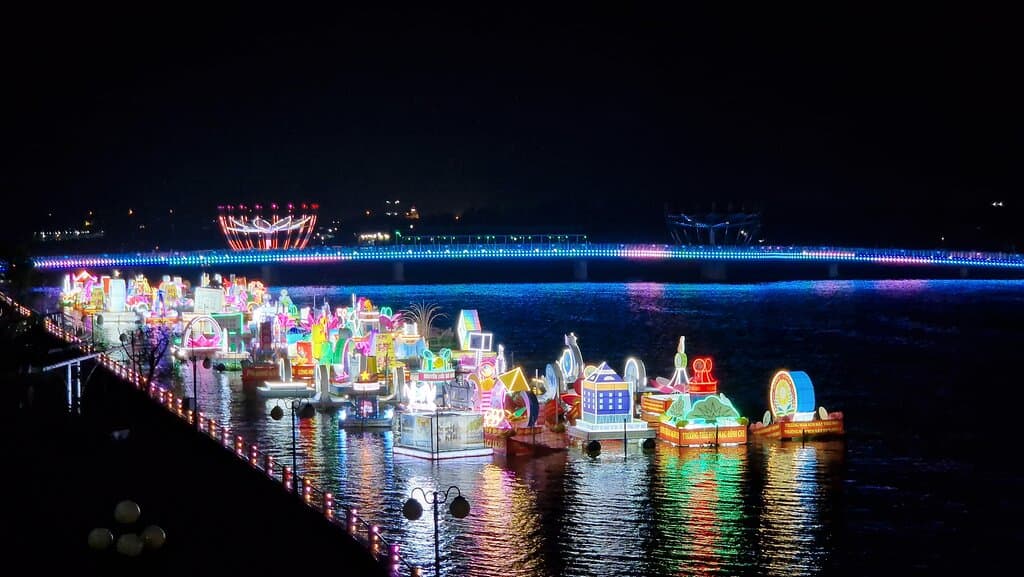
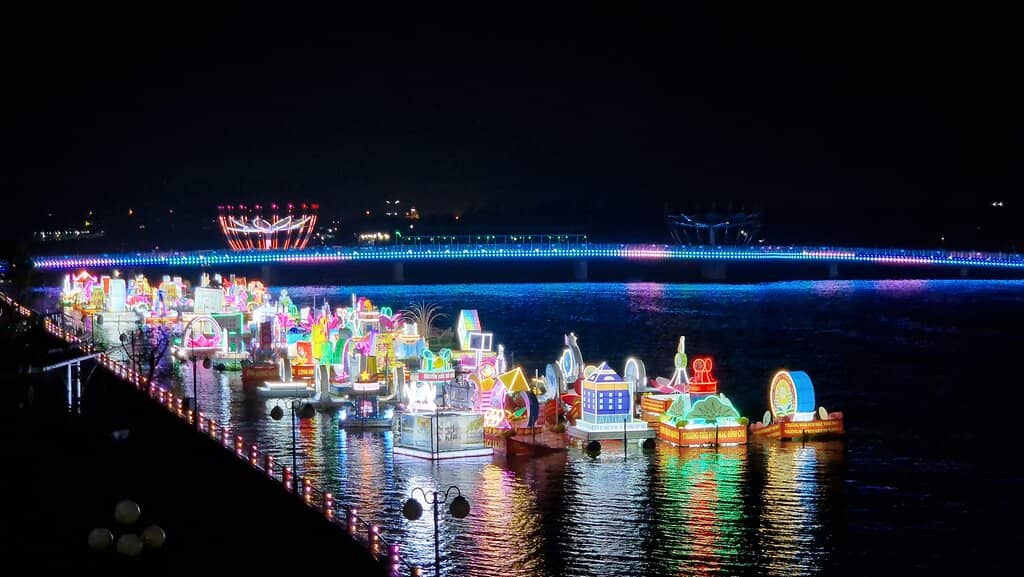
Sunrise and sunset offer beautiful lighting conditions for photography. At night, the bridge is illuminated, creating a stunning spectacle.
Drone usage may be subject to regulations and require permits, especially near infrastructure. It's advisable to check local aviation authorities for current rules before flying a drone.
Many photographers capture the bridge from a distance, showcasing its scale against the river and sky. Close-up shots highlighting the cable-stayed design are also popular.
A wide-angle lens is useful for capturing the bridge's full span. A telephoto lens can be good for details, and a tripod is helpful for low-light or night shots.
🎫 ⚖️ History & Significance
Construction of Can Tho Bridge began on September 25, 2004, and it was officially inaugurated on April 24, 2010.
It's a major symbol of Vietnam's development and a vital economic link for the Mekong Delta. It was the longest cable-stayed bridge in Vietnam and Southeast Asia at its completion. +1
Tragically, a section of the bridge collapsed on September 26, 2007, resulting in numerous fatalities. This event significantly delayed its completion. +2
The main span of Can Tho Bridge is 550 meters long, contributing to its record-holding status at the time of its completion.
It represents progress, connectivity, and economic growth for the region, facilitating trade and improving the lives of its residents. +1
For Different Travelers
Tailored advice for your travel style
👨👩👧 Families with Kids
🚗 Road Trippers & Drivers
📸 Photographers & View Seekers
Deep Dives
In-depth insights and expert knowledge
Engineering Marvel and Historical Context
However, the bridge's history is also marked by a tragic event. On September 26, 2007, a catastrophic collapse of a section of the bridge claimed the lives of 55 workers and injured many others.
Despite the challenges, Can Tho Bridge is now a symbol of resilience and progress for the Vietnamese people. It's not just a functional piece of infrastructure but also an architectural icon that draws admiration for its scale and design. Visitors often marvel at its modern beauty and the panoramic views it offers of the surrounding Mekong Delta landscape.
Navigating Traffic and Travel Experience
For those driving their own vehicles or using taxis, patience is key. The experience can be a mix of navigating through traffic and enjoying the expansive views of the Hau River. Some visitors have noted the challenges of weather conditions, with intense sun or rain adding to the discomfort during traffic jams.
While stopping directly on the bridge for extensive sightseeing or photography is not advisable due to safety regulations and traffic flow, the journey across itself provides ample opportunities to appreciate the bridge's grandeur and the surrounding delta scenery. Many find the experience of traversing this iconic structure to be a memorable part of their Mekong Delta visit.


Social
from TikTok, Instagram & Reddit