12 Best Palaces in Seoul
Discover Seoul's most magnificent palaces, from the grand Gyeongbokgung to the serene Changdeokgung with its Secret Garden. Explore the unique architecture and rich history of these royal residences, including Deoksugung and Changgyeonggung. Find tips on hanbok rentals, guard ceremonies, and hidden gems for an unforgettable cultural journey through Korea's imperial past.

See what's trending
We've done exactly what you would have done—spent hours scrolling through TikTok, Instagram, and Reddit to find the absolute best experiences. These 33 recommendations come from real travelers sharing their unfiltered takes, hidden gems, and insider secrets. No travel agency fluff, just the wisdom of people who've actually been there. This is how everyone really plans their trips these days.


Step back in time at Seoul's largest and most iconic palace, a stunning example of Joseon Dynasty architecture. Witness the grandeur of the main royal residence and immerse yourself in Korean history.
Tip: Rent a hanbok for free entry and amazing photo opportunities. Arrive early to avoid crowds.

Discover the beauty of Changdeokgung Palace, a UNESCO World Heritage site renowned for its harmonious integration with nature. Don't miss the enchanting Secret Garden (Huwon), a former royal retreat.
Tip: Book your Secret Garden tour tickets online in advance as they sell out quickly.
Experience a vibrant display of tradition at Gyeongbokgung Palace with the impressive Royal Guard Changing Ceremony. It's a colorful spectacle that brings history to life.
Tip: Check the schedule for daily ceremonies, usually held at 10 AM and 2 PM (closed Tuesdays).

Visit Deoksugung Palace, a unique royal residence that blends traditional Korean architecture with Western-style buildings. It offers a more tranquil and less crowded experience.
Tip: It's particularly beautiful in the summer when it's open late.
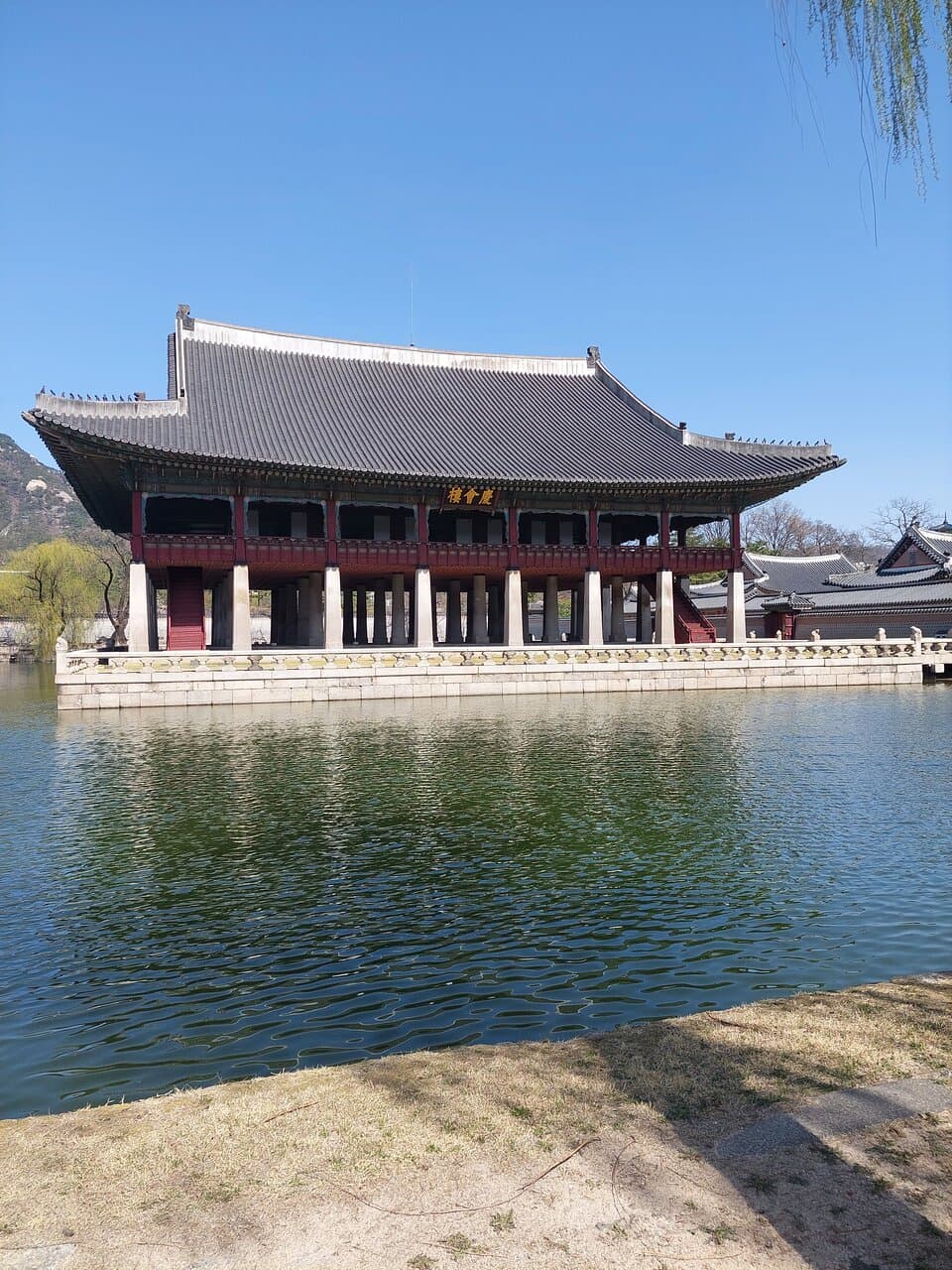
Explore Changgyeonggung Palace, located adjacent to Changdeokgung, offering a glimpse into the lives of Joseon royalty. It's often less crowded and provides a peaceful historical experience.
Tip: Can be visited in conjunction with Changdeokgung Palace for a comprehensive experience.
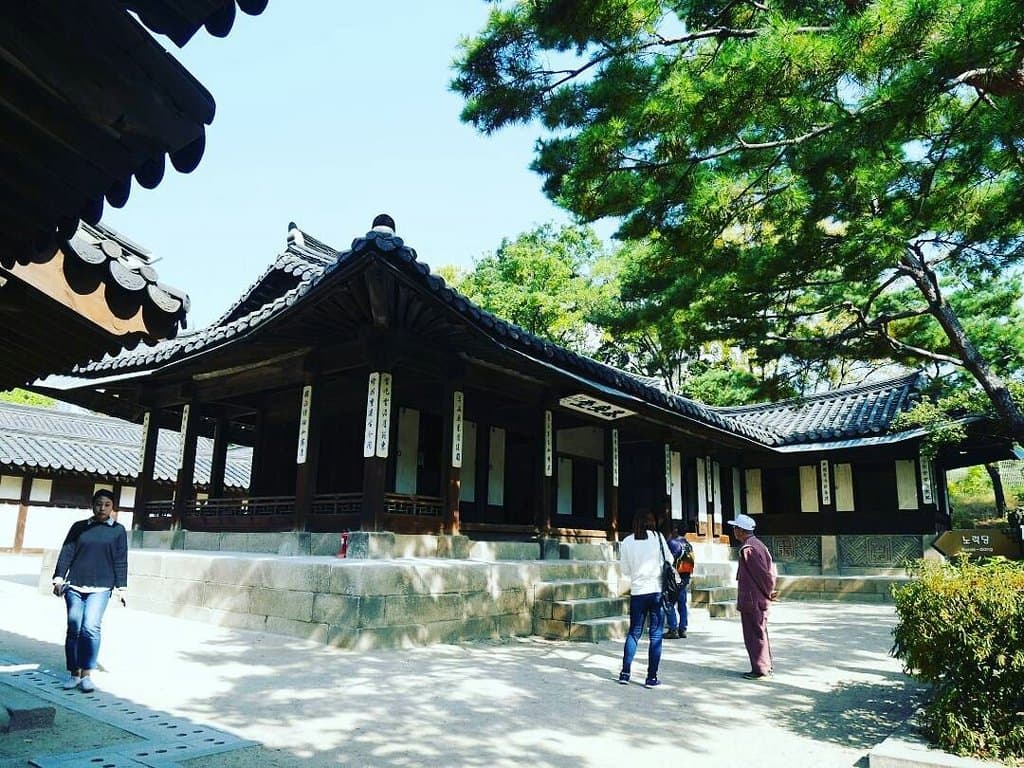
Consider Unhyeongung Palace as an alternative to the more crowded Gyeongbokgung for beautiful hanbok photos. It offers a quieter setting with lovely traditional architecture.
Tip: A good spot for hanbok photos if you're looking for a less busy experience.
Seek out the picturesque Hyangwonjeong Pavilion within Gyeongbokgung Palace, a stunning two-story structure set on an island in a serene pond. It's a favorite spot for photographers.
Tip: This pavilion is often highlighted as a beautiful photo spot within the palace grounds.
Visit Geunjeongjeon Hall, the main throne hall of Gyeongbokgung Palace, where important state affairs and ceremonies were held. Admire the intricate details and the Ilwol-Obongdo (sun, moon, and five peaks) screen.
Tip: This is the central and most significant building within Gyeongbokgung.
Marvel at the Gyeonghoeru Pavilion, an impressive banquet hall situated on an artificial island in a pond within Gyeongbokgung Palace. It's a breathtaking sight, especially when reflected in the water.
Tip: This pavilion is known for its stunning architecture and scenic setting.
Enter Gyeongbokgung Palace through the majestic Gwanghwamun Gate, the main entrance. This imposing gate is a symbol of the palace's grandeur and historical significance.
Tip: The gate is a key landmark and often the starting point for exploring the palace.
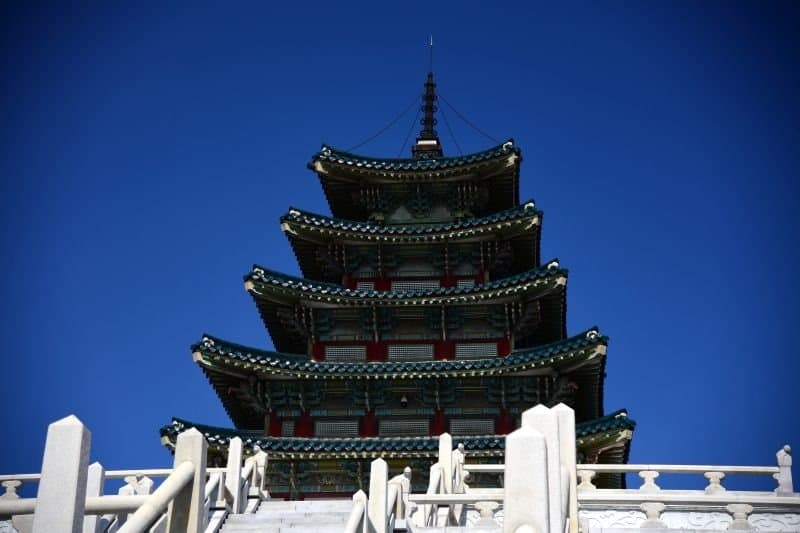
Located within the grounds of Gyeongbokgung Palace, this museum offers a fascinating look into the daily lives and traditions of Korean people throughout history.
Tip: It's conveniently located within Gyeongbokgung, making it easy to combine with your palace visit.
Discover the Seokjojeon, a Western-style building within Deoksugung Palace that showcases the architectural influences of the Korean Empire. It offers a unique contrast to traditional Korean structures.
Tip: This building adds a distinct historical and architectural dimension to Deoksugung.