20 Best Religious Sites in Istanbul
Discover Istanbul's most sacred and historically significant religious sites. From the iconic Hagia Sophia and the majestic Blue Mosque to hidden Byzantine churches and ancient pilgrimage spots, explore the city's rich spiritual tapestry. This curated list highlights architectural wonders, places of deep faith, and sites steeped in centuries of history, perfect for anyone seeking a profound cultural and religious journey in Istanbul.

See what's trending
We've done exactly what you would have done—spent hours scrolling through TikTok, Instagram, and Reddit to find the absolute best experiences. These 25 recommendations come from real travelers sharing their unfiltered takes, hidden gems, and insider secrets. No travel agency fluff, just the wisdom of people who've actually been there. This is how everyone really plans their trips these days.


Step into a millennium of history at the Hagia Sophia, a breathtaking architectural marvel that has served as a church, mosque, and museum. Its immense dome and intricate mosaics tell stories of empires and faiths.
Tip: Consider booking tickets in advance to skip the queue, especially during peak season.

Perched on a hill overlooking the Golden Horn, Süleymaniye Mosque is a masterpiece of Ottoman architecture. It offers stunning city views and houses the tombs of Sultan Süleyman the Magnificent and Hürrem Sultan.
Tip: Visit during prayer times for a more spiritual experience, but be mindful of visitor etiquette.

Famous for its six minarets and cascading domes, the Blue Mosque is an iconic symbol of Istanbul. Its interior is adorned with tens of thousands of hand-painted blue Iznik tiles.
Tip: Dress modestly and be aware of prayer times, as the mosque is closed to visitors during these periods.
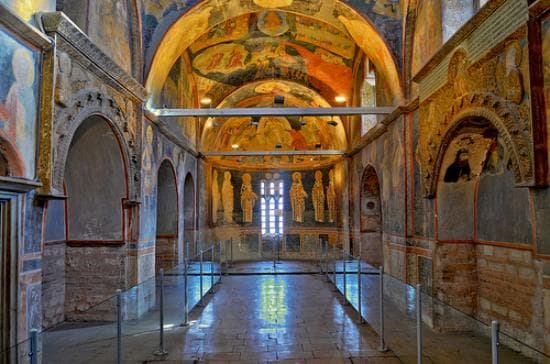
Once a Byzantine church, now a mosque, Chora is renowned for its exceptionally preserved mosaics and frescoes depicting biblical scenes. It's a treasure trove of late Byzantine art.
Tip: Check current visiting hours as it has recently reopened after restoration and conversion.

This mosque is a significant pilgrimage site, believed to be the burial place of Abu Ayyub al-Ansari, a companion of the Prophet Muhammad. It's a place of deep spiritual importance.
Tip: Be respectful of worshippers and dress conservatively when visiting this sacred site.
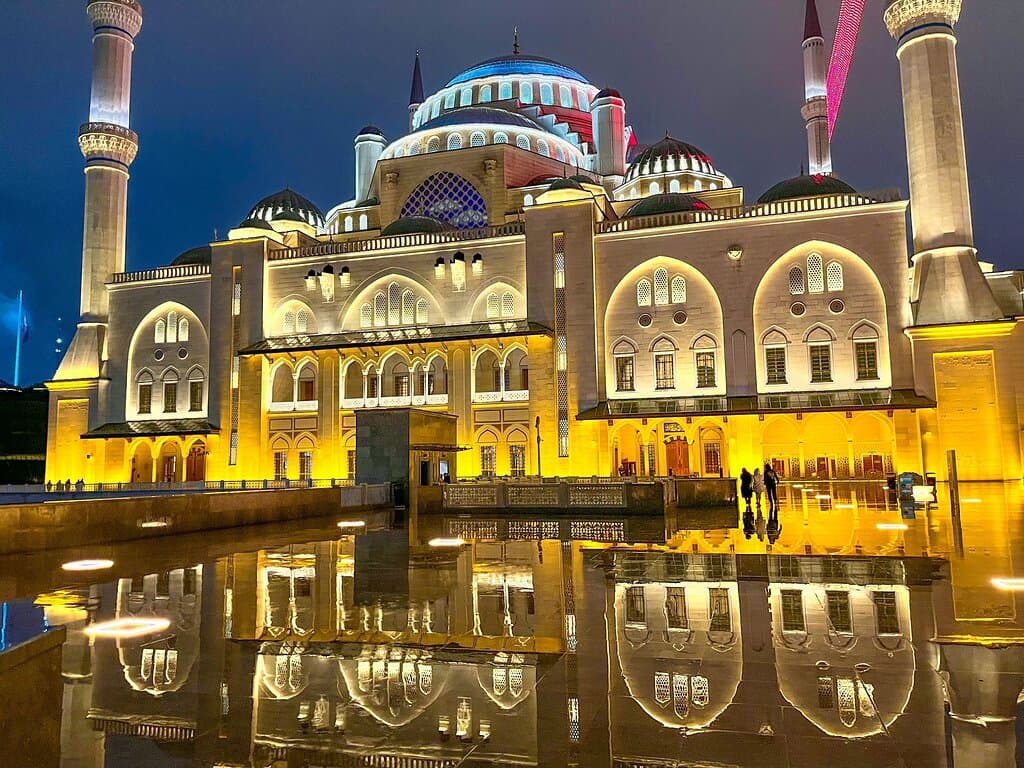
As Turkey's largest mosque, Camlica Mosque offers breathtaking architecture and panoramic views of Istanbul from its perch on the Asian side. It's less crowded than many other famous mosques.
Tip: Visit at sunset for a truly magical experience and stunning photo opportunities.
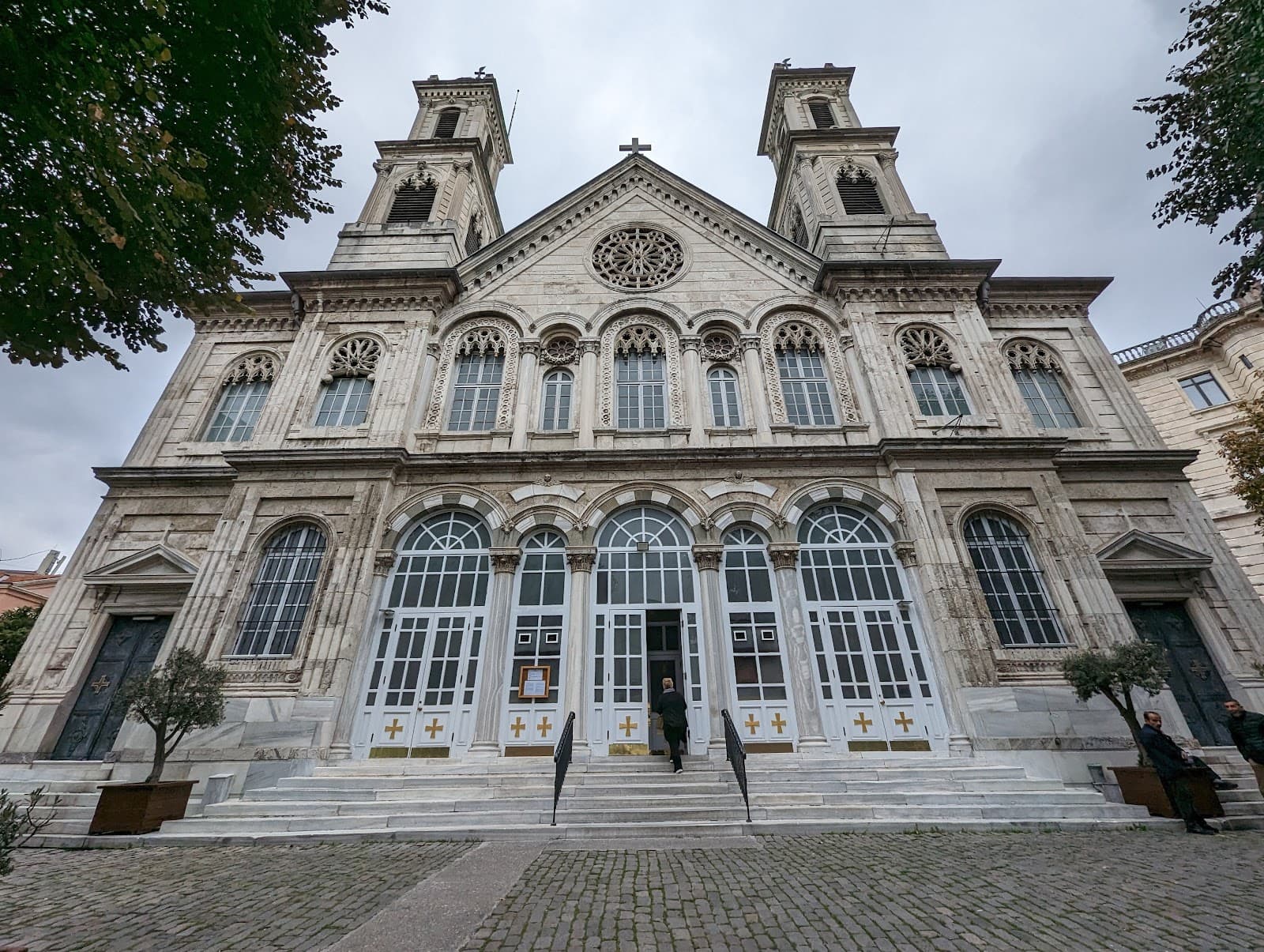
This is Istanbul's largest Greek Orthodox church, a beautiful 19th-century structure in the Beyoğlu district. It's a significant center for the city's Greek Orthodox community.
Tip: Check for any specific service times or events if you wish to witness a service.

Located on the bustling Istiklal Street, St. Antoine Church is Istanbul's largest Roman Catholic church. Its Venetian Neo-Gothic architecture, with a striking red brick facade, is a sight to behold.
Tip: Take a moment to appreciate the stained glass windows and the peaceful interior.
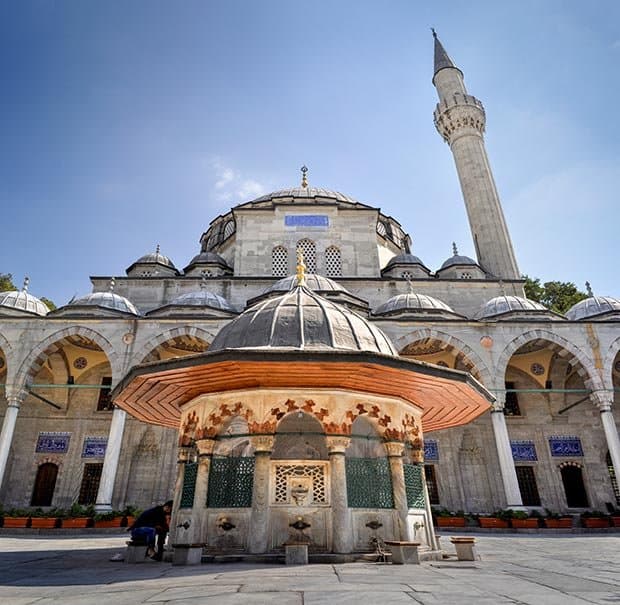
This mosque is unique for its four embedded pieces of the Hajar al-Aswad (Black Stone) within its walls, offering a tangible connection to Islamic history and spirituality.
Tip: Look closely at the intricate tilework and architectural details that make this mosque special.
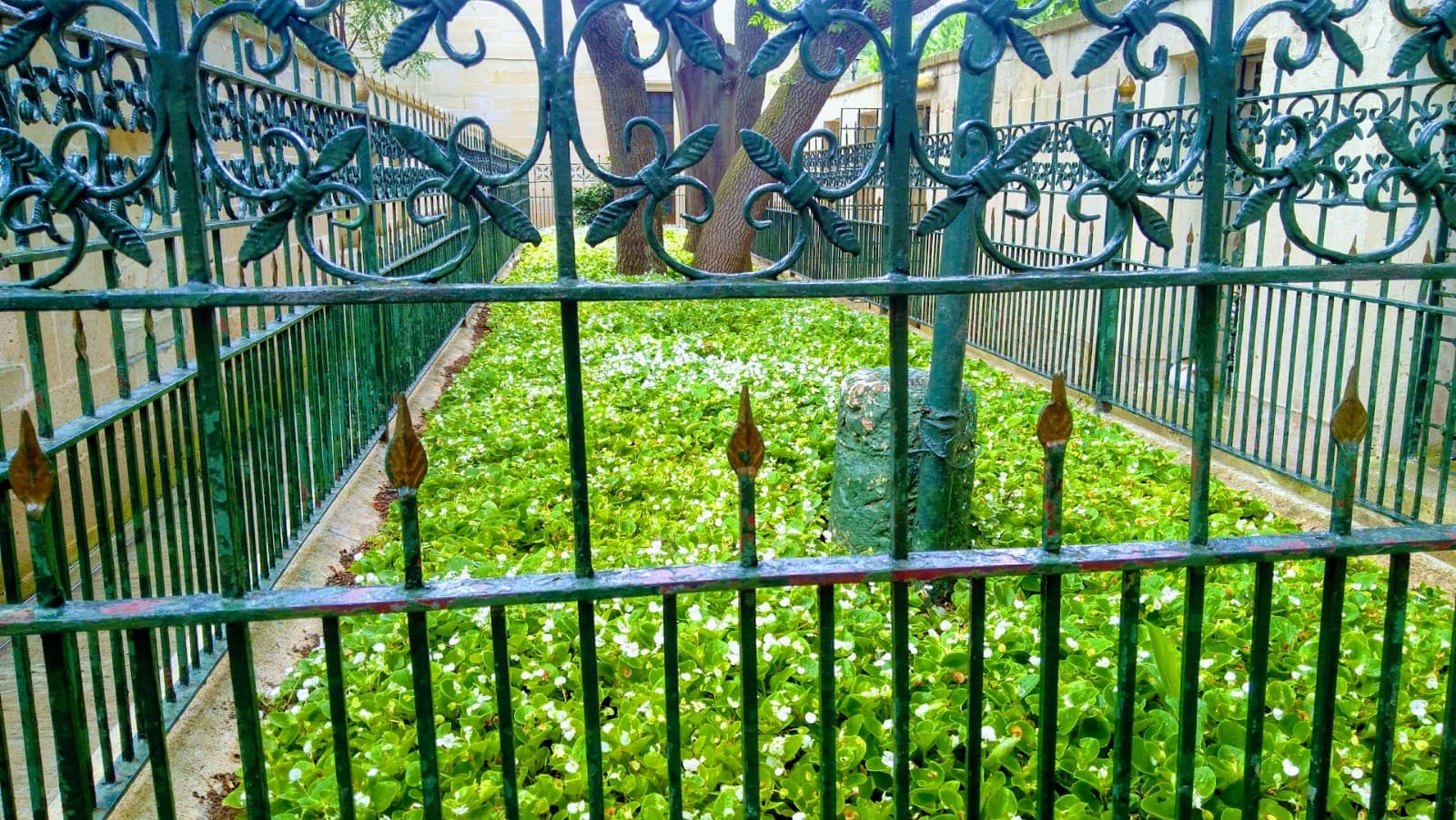
Situated on the city's highest hill, this site is traditionally believed to be the burial place of Prophet Yusha (Joshua), a significant figure in Abrahamic religions.
Tip: The elevated location offers a serene atmosphere and potentially good views.
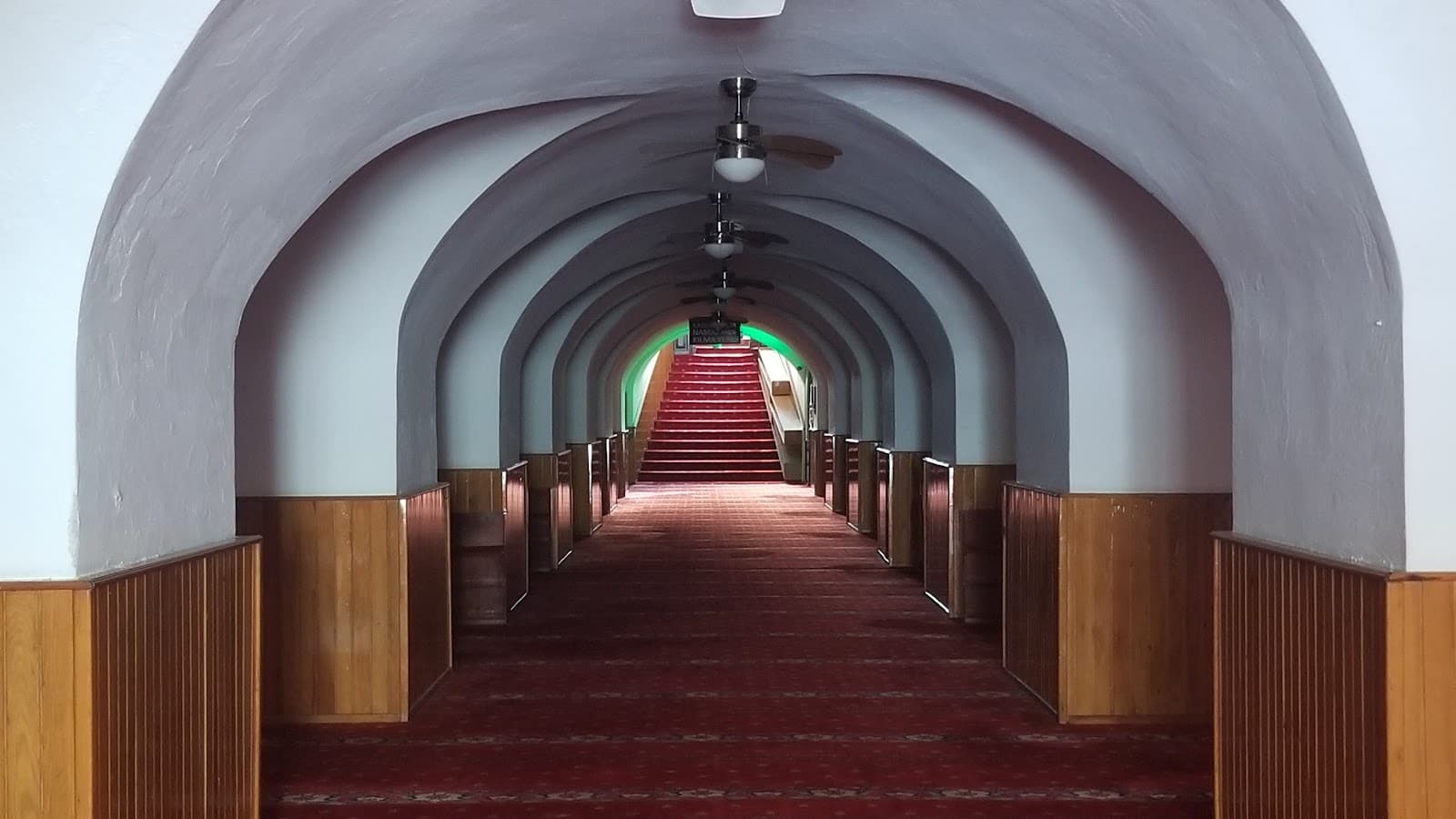
This ancient underground mosque is linked to the early Muslim campaigns in Constantinople. It's a fascinating historical site with a unique subterranean atmosphere.
Tip: Explore this hidden gem for a different perspective on Istanbul's religious heritage.

With its stunning waterfront location on the Bosphorus, the Ortaköy Mosque is an iconic landmark. Its elegant Baroque design makes it one of the most picturesque mosques in the city.
Tip: Combine your visit with exploring the vibrant Ortaköy square and its market.
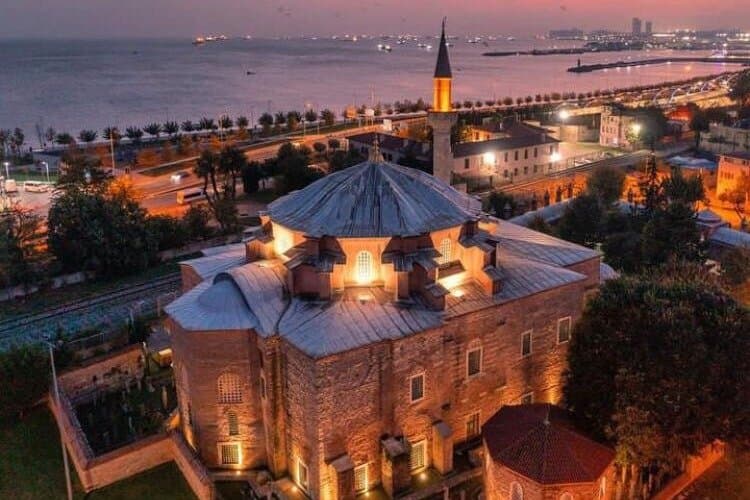
A beautiful and historic mosque that predates the Hagia Sophia itself. It offers a more intimate and less crowded experience of Byzantine and Ottoman architecture.
Tip: Appreciate the historical layers of this building, which was originally a church.
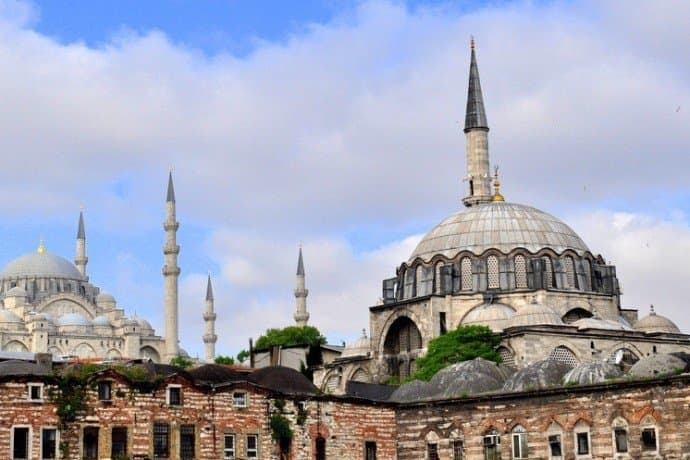
Famous for its exquisite Iznik tilework, the Rustem Pasha Mosque is a hidden gem. The vibrant blue and floral patterns covering its walls are a feast for the eyes.
Tip: Look up to admire the intricate tilework on the dome and walls.
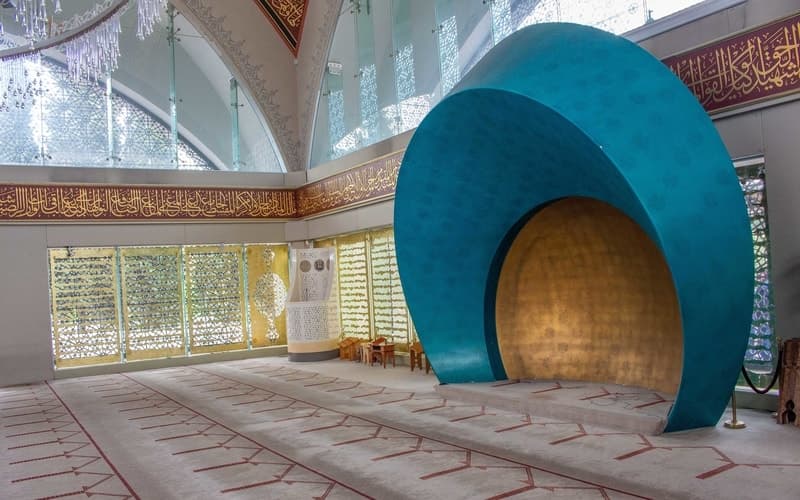
A modern architectural marvel, Sakirin Mosque is known for its elegant design, featuring a large glass dome and contemporary artistic elements, making it a unique spiritual space.
Tip: Experience the blend of traditional spirituality with contemporary design.

This mosque is an architectural marvel, designed to blend seamlessly with its natural surroundings. It offers a unique, cave-like interior that provides a serene spiritual experience.
Tip: Appreciate the innovative design that prioritizes a contemplative environment.
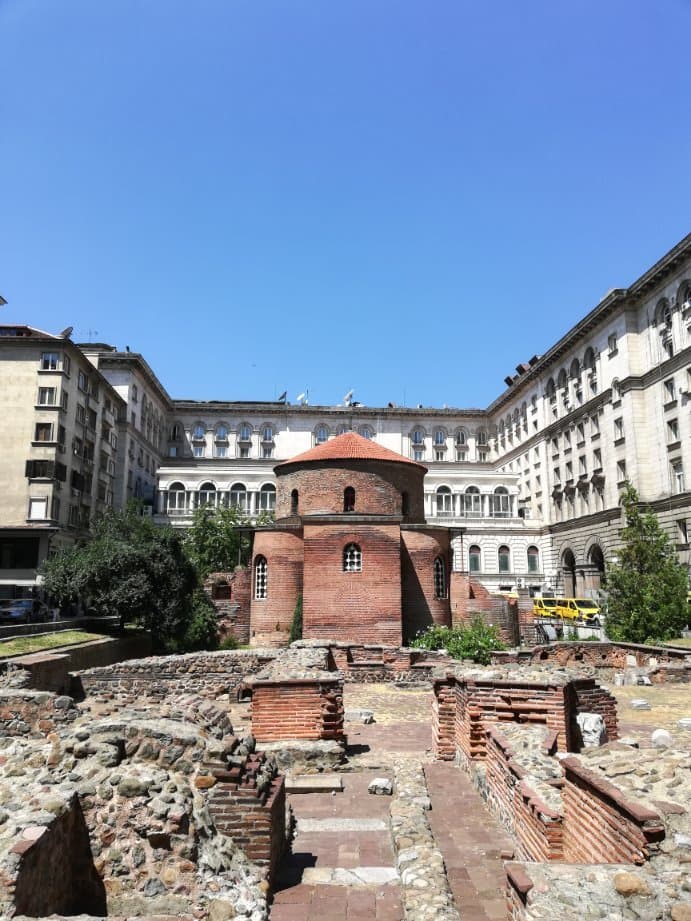
The spiritual center of the Eastern Orthodox Church, this historic site offers a glimpse into the heart of Orthodox Christianity and its enduring presence in Istanbul.
Tip: You may be able to arrange a meeting with the Patriarch if you have a connection to the Greek Orthodox community.
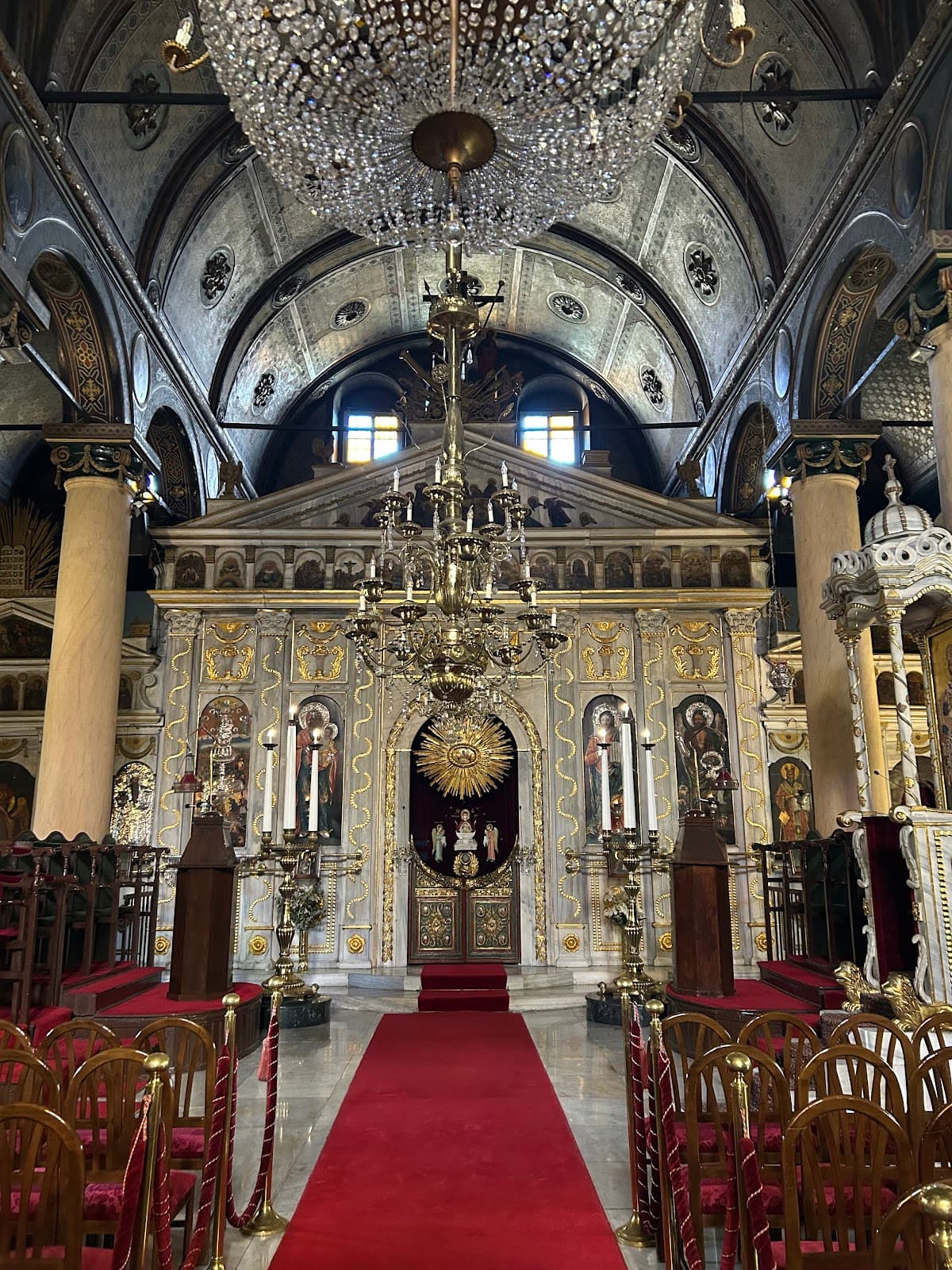
This ancient church is associated with a miraculous spring, believed to have healing properties. It's a place of pilgrimage for those seeking spiritual solace and blessings.
Tip: Take home a bottle of water from the life-giving spring.

This is the only pre-conquest church in Istanbul that remains a church. It's a significant historical and religious site, offering a direct link to the Byzantine era.
Tip: A rare opportunity to see a church that has continuously served its purpose since before the Ottoman conquest.
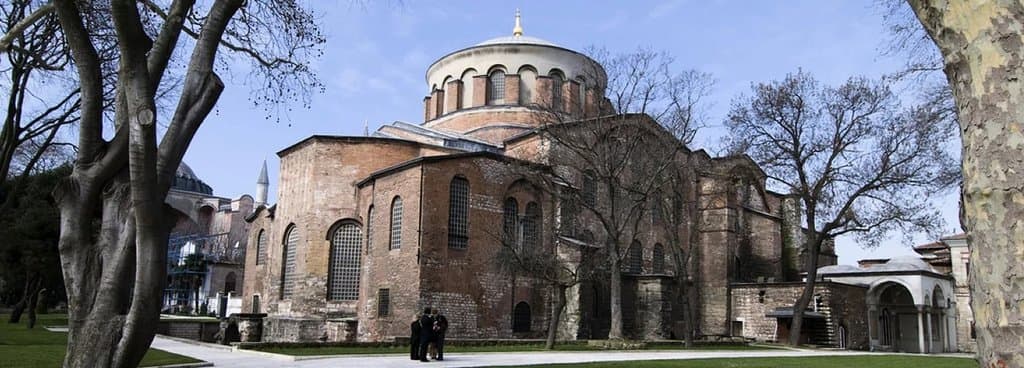
One of the few churches in Istanbul that was never converted into a mosque, Hagia Irene stands as a testament to Byzantine ecclesiastical architecture and history.
Tip: Its preservation offers a unique insight into the original form of Byzantine churches.