National Archaeological Museum
Discover ancient Thracian gold, medieval jewels, and artifacts from prehistory to Roman times.
Highlights
Must-see attractions

Social
From TikTok & Reddit
Best Time
Fewer crowds, better viewing
National Archaeological Museum
Best Time
Fewer crowds, better viewing
Highlights
Must-see attractions
Discover ancient Thracian gold, medieval jewels, and artifacts from prehistory to Roman times.
"A well-curated museum with impressive treasures, though historical context could be richer."
Allocate Ample Time
Plan for 2-3 hours to explore the extensive collections without rushing. :stopwatch:
Enhance Your Visit
Do some pre-reading for historical context; descriptions can be brief. 📚
Quick Facts
Hours
Rating
4.6 · 2,753 reviews
Type
Museum
Highlights
Discover the most iconic attractions and experiences
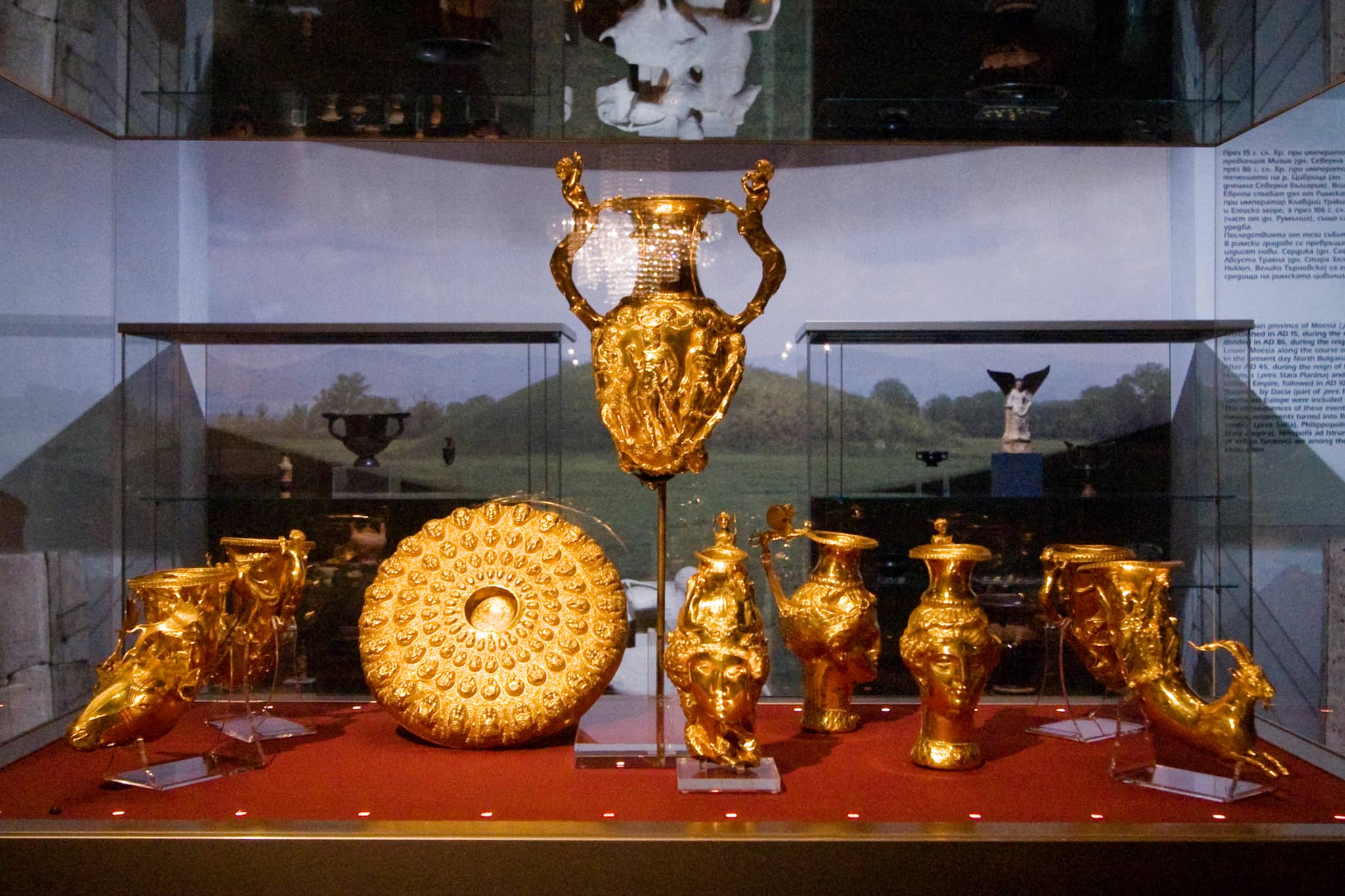
Thracian Treasures
Main Exhibition Hall
Exquisite gold and silver artifacts showcasing ancient Thracian artistry and wealth.
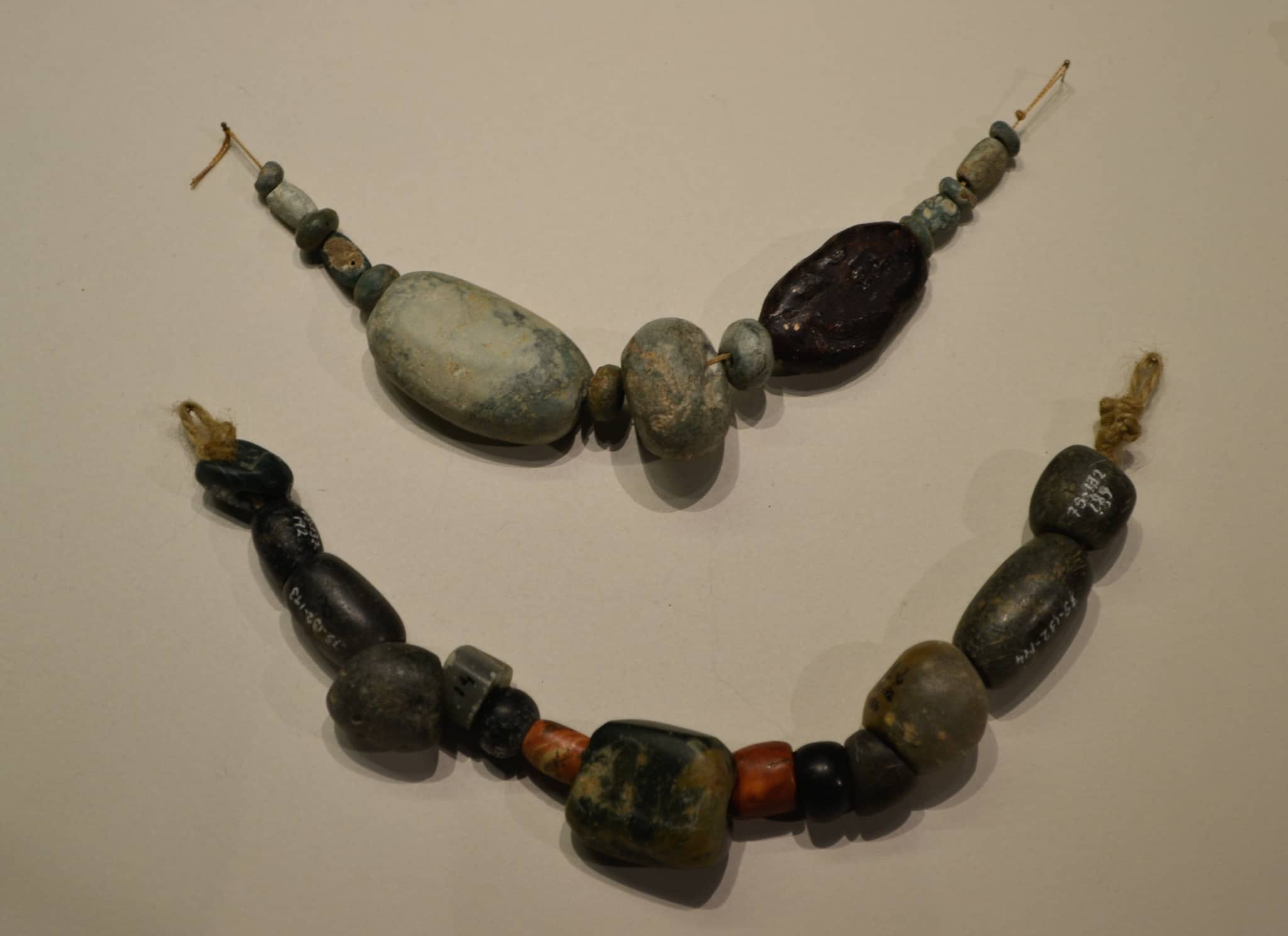
Medieval Jewelry Collection
Second Floor
Stunning examples of intricate craftsmanship from various historical periods.
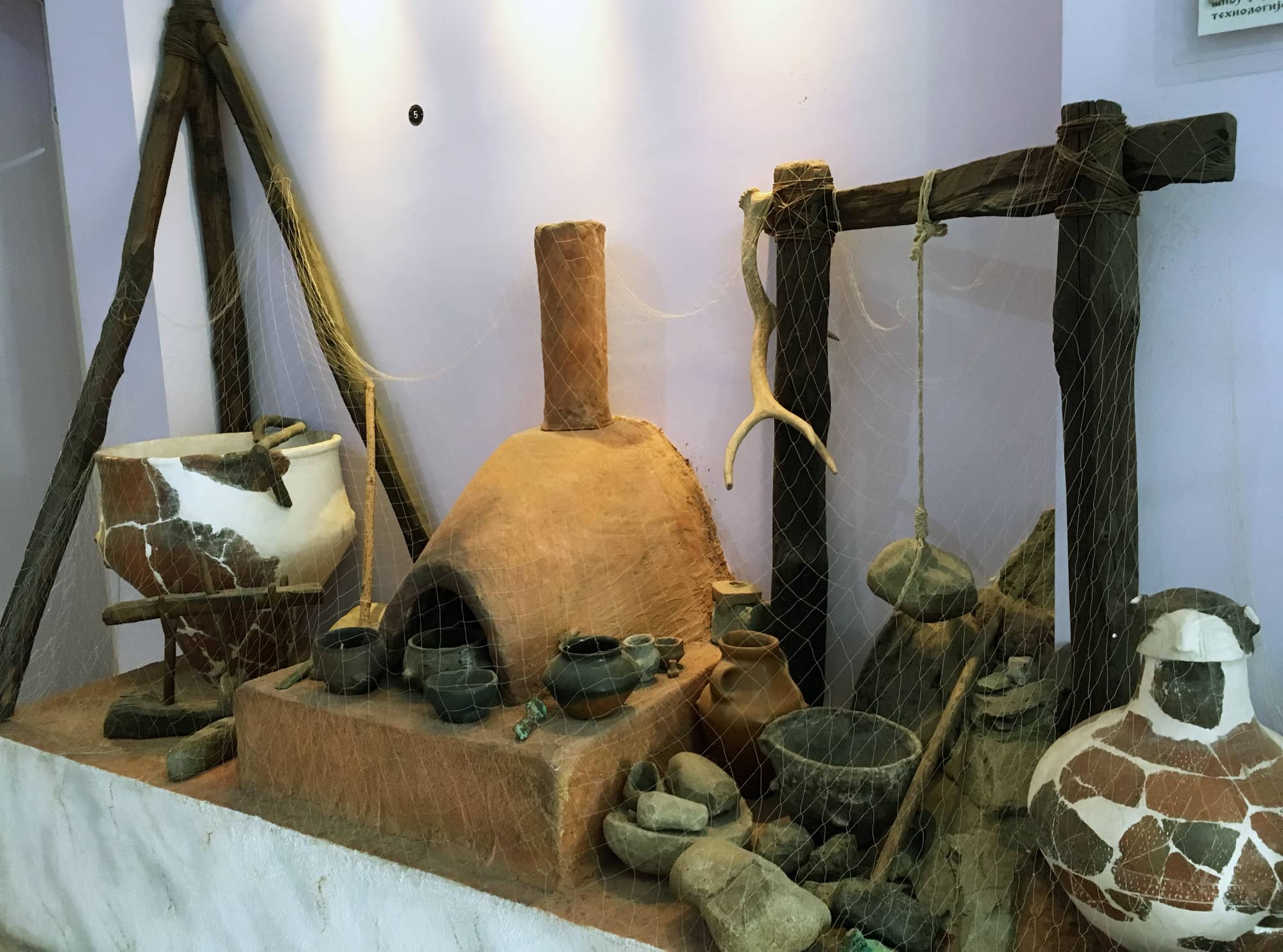
Stone Age to Roman Relics
Ground Floor
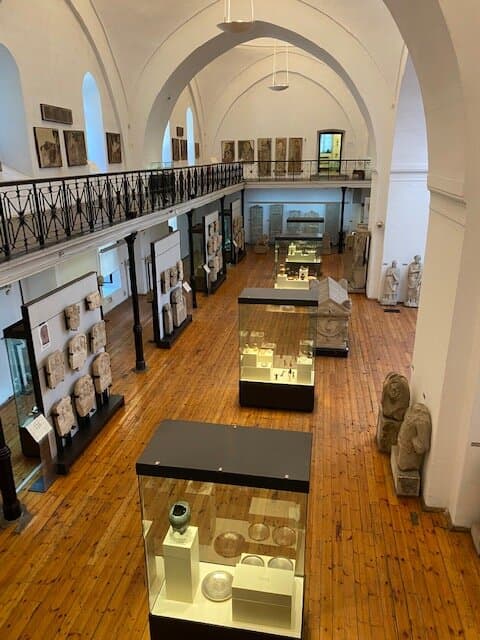
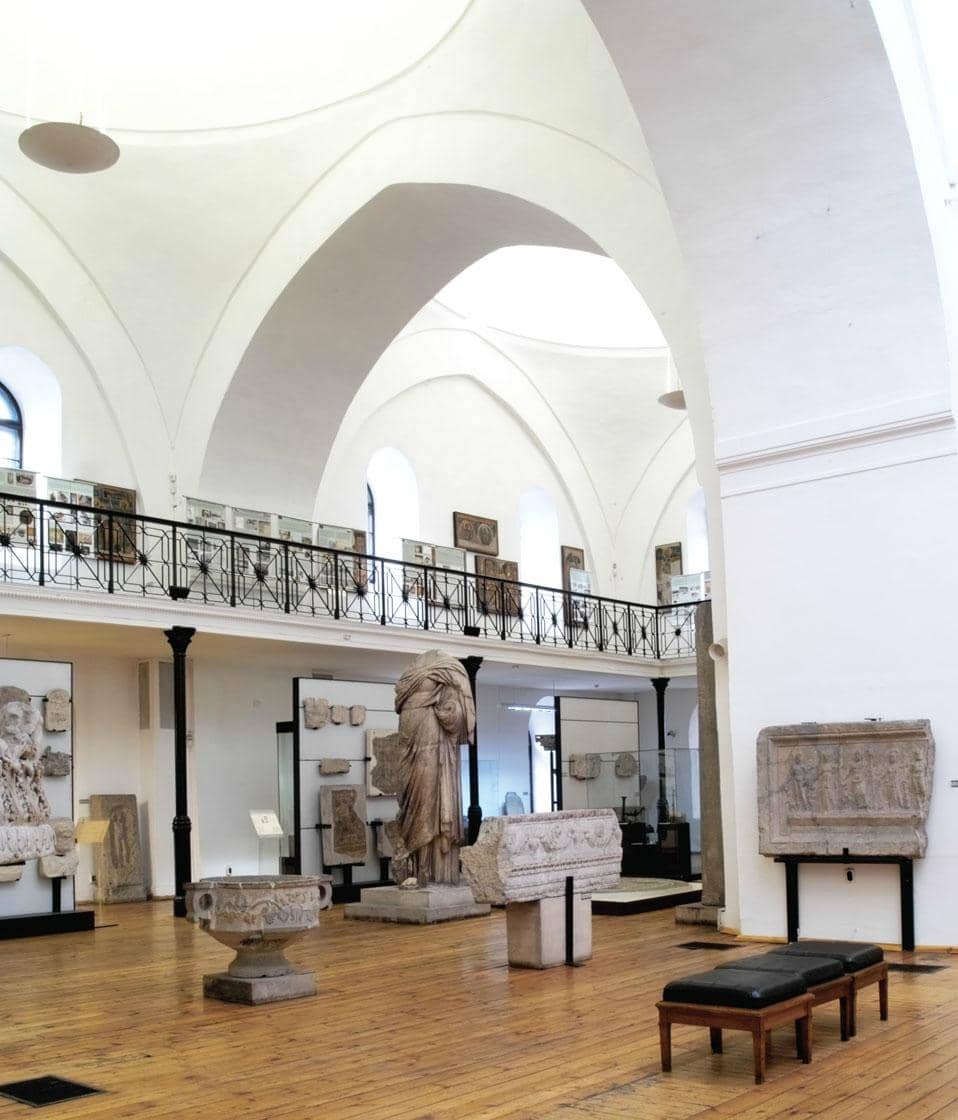
A broad spectrum of ancient tools, statues, and pillars offering a glimpse into early civilizations.
Plans like a pro.
Thinks like you
Planning Your Visit
Timing is Key for Artifacts
Context is Crucial
Best Times
Insider Tips
from TikTok, Instagram & Reddit
National Archaeological Museum
Most of my itinerary is full already, but I'm looking to fill in some gaps. And I've seen this mentioned several times as a commonly overlooked must see, so I'm adding it to the itinerary since it definitely sounds right up my alley. My question is quite simple: how much time…
Allocate Ample Time
Plan for 2-3 hours to explore the extensive collections without rushing. :stopwatch:
Enhance Your Visit
Do some pre-reading for historical context; descriptions can be brief. 📚
National Archeological Museum
Hello, We will be flying into Athens early May 25th and want to go to the Archeological Museum to help us stay awake. The problem is that I don't know exactly what time we will get there so do you think we can buy tickets the day of. It will likely be around noon. Thanks…
Athens - Acropolis museum or archeological museum?
I only have time to visit one of these on my upcoming trip to Athens. Which one is best, and why? Thanks!
Mind the Alarms
Be aware of alarms near icons; they can be loud if you get too close. ⚠️
Free Entry Days
Check for national holidays for free admission, but expect more visitors. :moneywithwings:
National Archaeological Museum
Hello! Planning out our trip to Athens. Any recommendations for a great restaurant near the National Archaeological Museum? Was looking at Atitamos. Also, Should we could be concerned about the short walk from Stani near Omonia square to the National Archaeological museum during…
Tips
from all over the internet
Allocate Ample Time
Plan for 2-3 hours to explore the extensive collections without rushing. :stopwatch:
Enhance Your Visit
Do some pre-reading for historical context; descriptions can be brief. 📚
Mind the Alarms
Be aware of alarms near icons; they can be loud if you get too close. ⚠️
Free Entry Days
Check for national holidays for free admission, but expect more visitors. :moneywithwings:
Quiet Please!
Annoyed by loud tour guides? Visit during off-peak hours or find quieter sections. 🔊
What Travellers Say
Reviews Summary
Visitors praise the National Archaeological Museum for its impressive collection, particularly the ancient Thracian treasures and medieval jewelry. While the historical context provided could be more detailed, the well-curated exhibits offer a fascinating glimpse into various historical periods. The manageable size makes it accessible for a focused visit, though loud tour groups can sometimes detract from the experience.
"Very nice museum, some amazing exhibits here from prehistory to modern times, especially interesting are the Thracian treasures.
Historical information is quite lacking, however. All exhibits have English descriptions, but not much historical context. That could be improved."
Lior Blum
"Great place to see relics and archaeological things. In fact there are many history things not only prehistoric things but also many icons and roman periods. The museum is not very big but well curated and staffs are kind. The only thong you mind is there is a huge alarm when you approach to icons to look carefully. The sound is so huge😭"
Mothusi
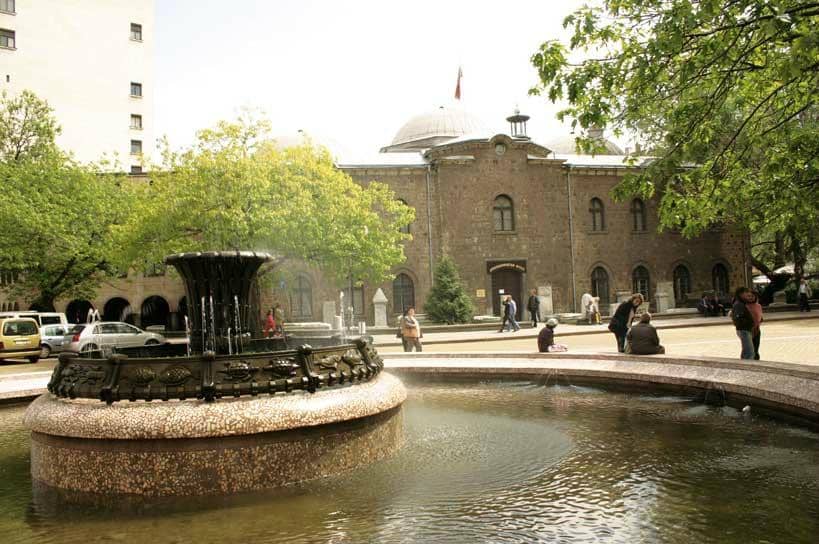
"Wonderful museum in a former mosque. Incredible range of tools and beautiful objects from the Stone Age to a few hundred years ago. Manageable in 1-2 hours. A modest entry fee applies."
David Smith
What People Like
What People Dislike
Frequently Asked Questions
🚇 🗺️ Getting There
The museum is centrally located and easily accessible by public transport. Many visitors arrive via tram or bus, with stops conveniently located nearby. Check local transit apps for the best routes from your accommodation.
Parking in the vicinity can be challenging and expensive. It's generally recommended to use public transportation to reach the museum.
Information on accessibility can vary. It's advisable to contact the museum directly or check their official website for the most up-to-date details regarding ramps and elevator access.
From the city center, a short walk or a quick bus ride will typically get you to the museum. Consult local maps or ask your hotel for the most direct route.
Yes, the museum is often visited in conjunction with other historical sites. Consider planning your visit to include nearby attractions for a fuller day of exploration.
🎫 🎫 Tickets & Entry
Opening hours can vary seasonally and on public holidays. It's best to check the official website for the most current information before your visit.
There is a modest entry fee, though it can be free on certain national holidays. Check the museum's official website for current pricing and any special offers.
While not always explicitly stated, purchasing tickets in advance online can save time, especially during peak seasons. Check the museum's website for online booking options.
Discounts may be available for students, seniors, or groups. Inquire at the ticket counter or check the museum's website for eligibility criteria.
Typically, tickets are for single entry. If you plan to leave and return, confirm the re-entry policy with museum staff at the entrance.
🎫 🏛️ Onsite Experience
Most visitors spend 1-2 hours to see the highlights, but you could easily spend 2-3 hours if you want to delve deeper into the collections.
Don't miss the Thracian treasures, the medieval jewelry collection, and the artifacts from the Stone Age to the Roman period.
It can get crowded, especially on weekends and during national holidays. Weekday mornings are generally the least crowded times to visit.
Guided tours are often available, but be aware that some visitors find the guides can be quite loud. Consider a self-guided tour if you prefer a quieter experience.
Photography policies can vary. Generally, non-flash photography is permitted for personal use, but check for specific restrictions, especially around certain artifacts like icons.
📸 📸 Photography
Generally, non-flash photography is permitted for personal use. However, always look for signage indicating specific restrictions, particularly for sensitive exhibits like icons.
The Thracian treasures offer stunning photographic opportunities due to their intricate details and precious materials. The medieval jewelry is also highly photogenic.
Tripods and selfie sticks are usually not allowed in museums to prevent obstruction and potential damage to exhibits. It's best to leave these at your accommodation.
Areas with particularly fragile or sacred artifacts, such as icons, may have strict no-photography rules. Always adhere to posted signs.
The museum lighting can be atmospheric. Consider using a camera with good low-light performance or adjusting your settings to capture details without flash.




Social
from TikTok, Instagram & Reddit