Ahu Akivi
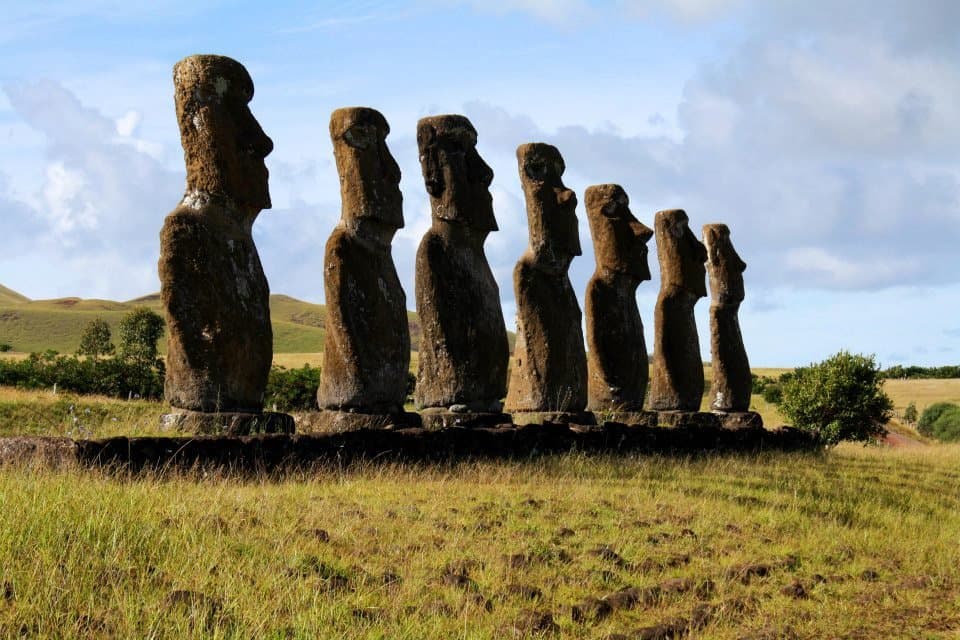
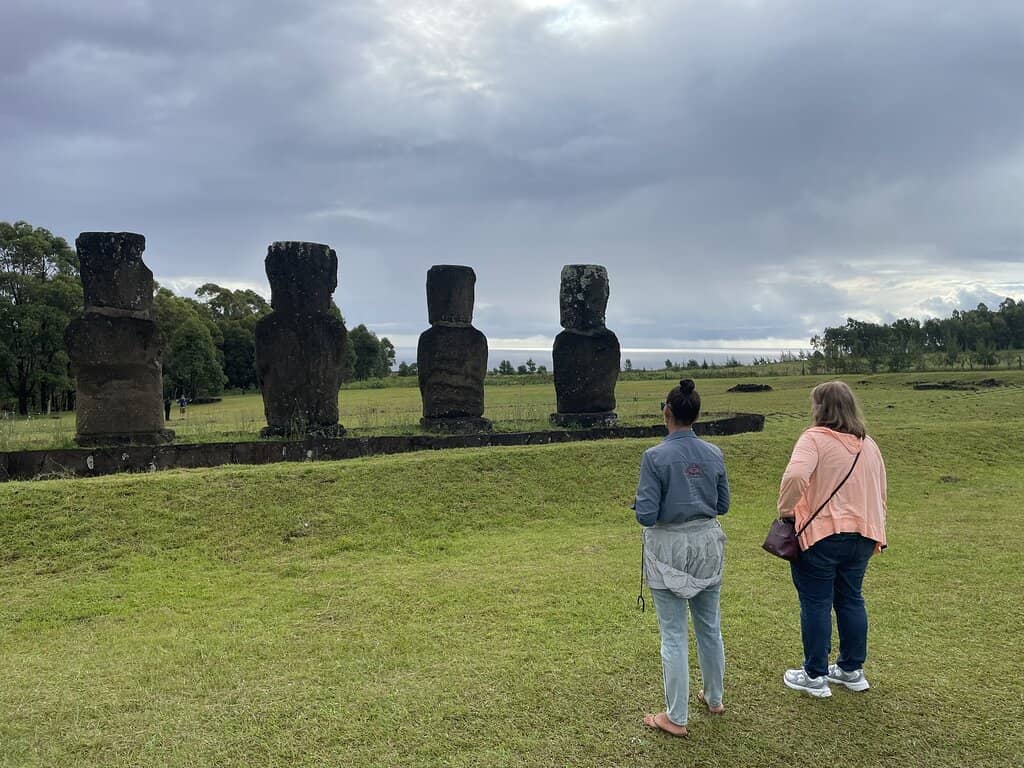
Ahu Akivi features seven unique moai facing the ocean, symbolizing explorers and marking the first scientifically restored platform on Rapa Nui.

Highlights
Must-see attractions

Social
From TikTok & Reddit
Best Time
Better light for photos
Ahu Akivi
Best Time
Better light for photos
Highlights
Must-see attractions
Ahu Akivi features seven unique moai facing the ocean, symbolizing explorers and marking the first scientifically restored platform on Rapa Nui.
"These seven uniquely face the Pacific Ocean, offering a striking vista as they seemingly contemplate the horizon."

🎯 Hire a Local Guide
A guide is essential for understanding the history and significance of Ahu Akivi.
📸 Afternoon Photo Tips
Visit in the afternoon for the best light, but be mindful of the sun's position for optimal photos.
Quick Facts
Hours
Rating
4.9 · 533 reviews
Highlights
Discover the most iconic attractions and experiences
The Seven Moai
Ahu Akivi platform
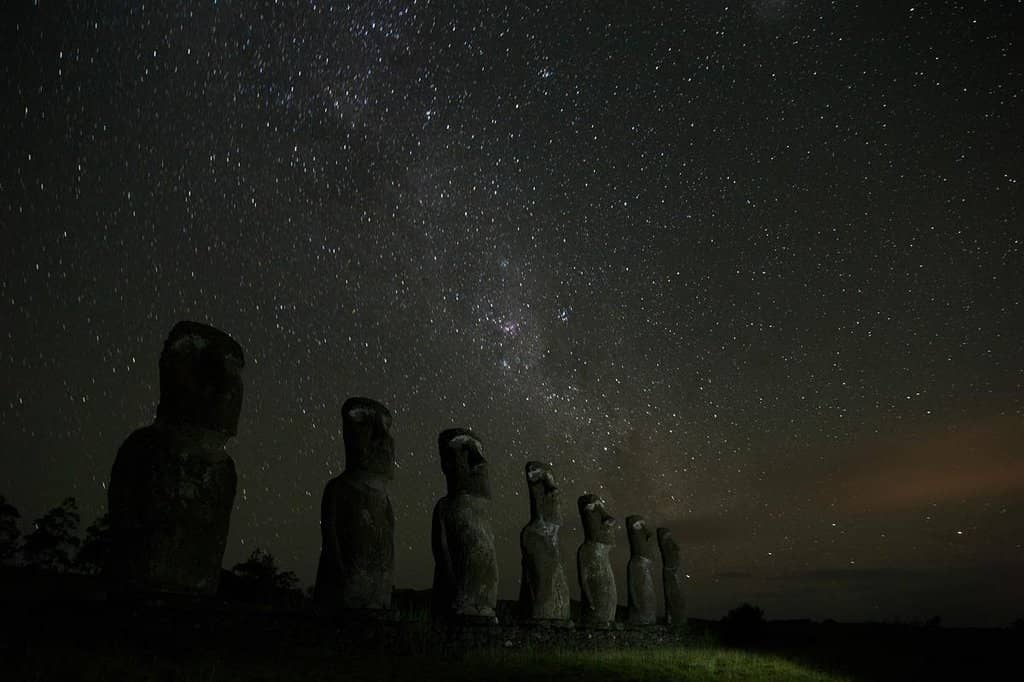
Seven unique moai stand facing the ocean, a rare sight on Rapa Nui, symbolizing a deep connection to the sea.

Oceanic Gaze
Ahu Akivi platform
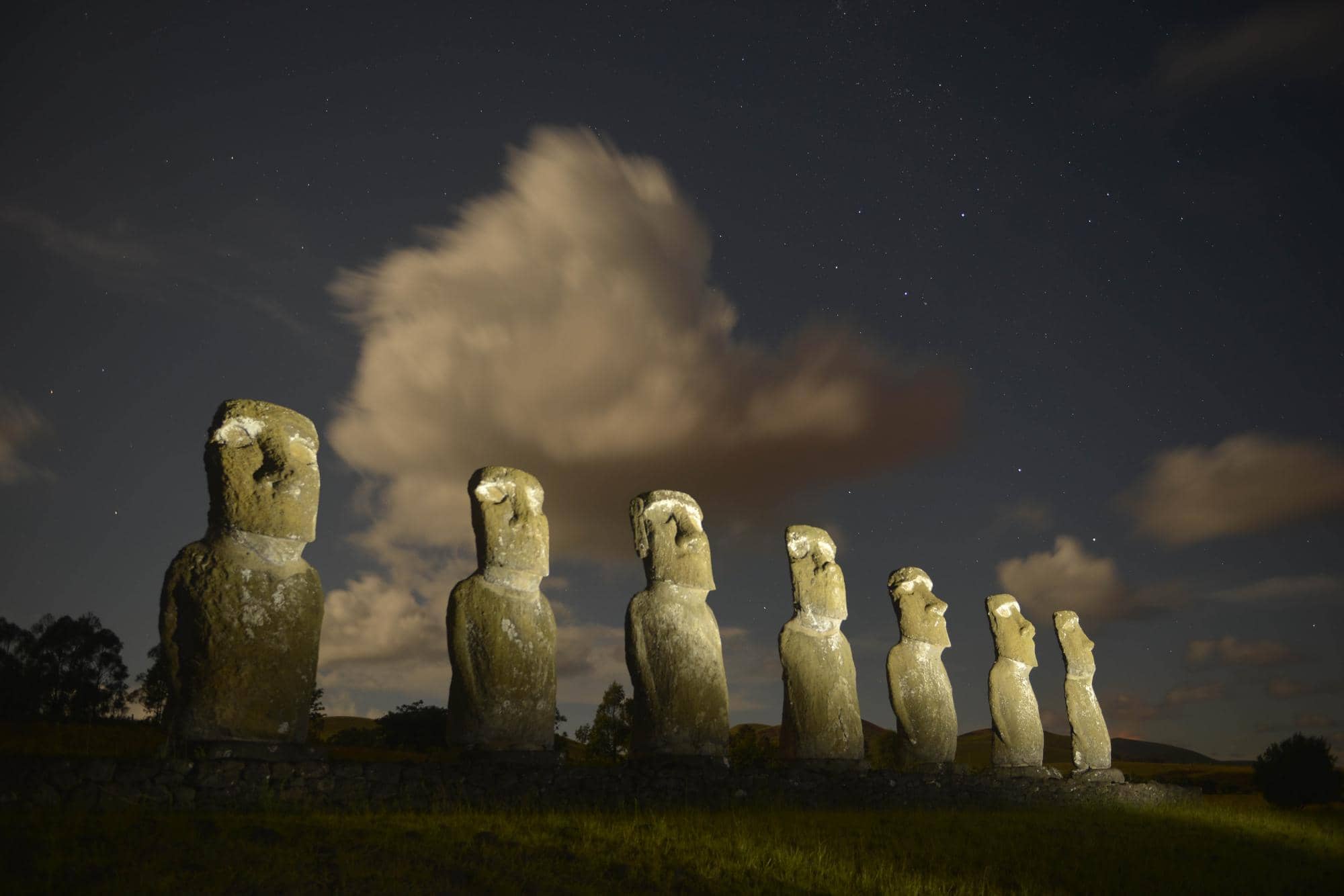
Unlike most moai facing inland, these statues gaze towards the Pacific, a symbolic connection to ancestral spirits and the sea.
Restoration History
Ahu Akivi platform
This was the first platform scientifically restored, offering insight into conservation efforts and the site's historical significance.
Plans like a pro.
Thinks like you
Planning Your Visit
Book Your Guide in Advance
Timing is Key for Photos
Best Times
Insider Tips
from TikTok, Instagram & Reddit
🎯 Hire a Local Guide
A guide is essential for understanding the history and significance of Ahu Akivi.
📸 Afternoon Photo Tips
Visit in the afternoon for the best light, but be mindful of the sun's position for optimal photos.
🚶♀️ Walk Around
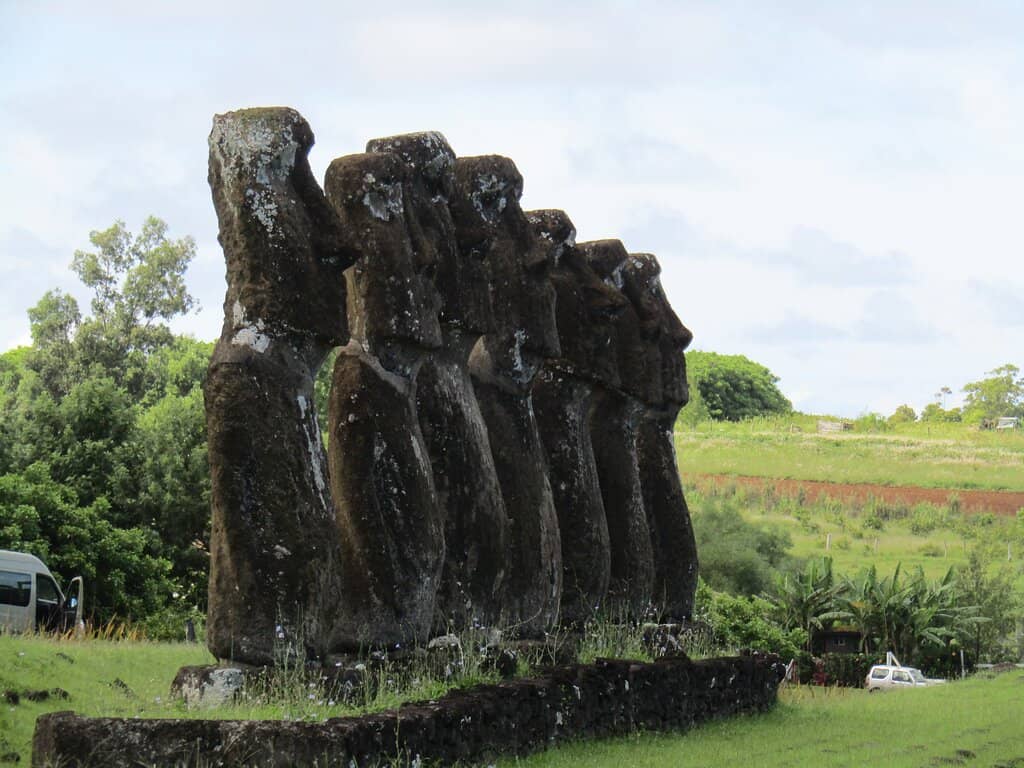
Explore all angles of the moai; the rock barrier allows close viewing from behind.
🌊 Unique Orientation
Appreciate the rare sight of moai facing the ocean, a distinct feature of Ahu Akivi.
Tips
from all over the internet
🎯 Hire a Local Guide
A guide is essential for understanding the history and significance of Ahu Akivi.
📸 Afternoon Photo Tips
Visit in the afternoon for the best light, but be mindful of the sun's position for optimal photos.
🚶♀️ Walk Around
Explore all angles of the moai; the rock barrier allows close viewing from behind.
🌊 Unique Orientation
Appreciate the rare sight of moai facing the ocean, a distinct feature of Ahu Akivi.
What Travellers Say
Reviews Summary
Visitors are captivated by Ahu Akivi's unique seven moai facing the ocean, a rare and contemplative sight. The site's historical significance as the first scientifically restored platform adds to its allure. While access requires a guide and ticket, the experience is widely considered a worthwhile and memorable part of any Rapa Nui itinerary.
"During my Easter Weekend 2014 adventure to Easter Island, I discovered the captivating site of Ahu Akivi. This ceremonial platform is home to seven magnificent moai, each standing tall and proud. Unlike many other moai on the island, these seven uniquely face the Pacific Ocean, offering a striking vista as they seemingly contemplate the horizon. It's a beautiful and somewhat contemplative place that leaves a lasting impression on visitors."
Thomas Fridrich
"Here are seven Moai remounted on their restored platform. All these Moais are looking out to sea (unusual as they normally look inland). They from an incredible sight from all angles. There are a couple of differing stories why they are looking out to sea... I'll let you research and decide which story is best."
Tony Finn
"Located inland and overlooking the remnants of a former village, these statues possess a remarkable distinction—their gaze is fixed toward the ocean, unlike most other moai on the island, which face inland. This unique orientation is more than a physical anomaly; it is a symbolic gesture connecting the island's people to the sea and the ancestral spirits believed to guide and protect them."
Alex Bezrukov
What People Like
What People Dislike
Frequently Asked Questions
🚇 🗺️ Getting There
Ahu Akivi is located inland on Rapa Nui. The most common way to reach it is by hiring a local guide who will arrange transportation, often by car or tour bus. Renting a car is also an option for independent exploration, but ensure you have a map and understand the island's roads.
Public transport on Rapa Nui is limited. It's highly recommended to book a guided tour or rent a vehicle to comfortably reach Ahu Akivi and other archaeological sites.
Ahu Akivi is situated a few kilometers inland from Hanga Roa, the main town. The journey typically takes about 15-20 minutes by car.
🎫 🎫 Tickets & Entry
Yes, a ticket to the Rapa Nui National Park is required to visit Ahu Akivi and most other archaeological sites on the island. This ticket can be purchased in Hanga Roa.
Yes, a guide is mandatory to enter Ahu Akivi and many other significant moai sites on Easter Island. It's best to book your guide in advance.
Ahu Akivi, as part of the Rapa Nui National Park, is generally accessible during daylight hours. However, specific access might be managed by your guide or tour operator.
🎫 🗿 Onsite Experience
The Ahu Akivi moai are unique because they are the only ones on Rapa Nui that face the ocean. They are also the first moai to be scientifically restored.
There is a rock barrier around the moai at Ahu Akivi, so you cannot get extremely close to the front. However, you can walk all the way around to see them from various angles.
While beautiful at any time, visiting in the afternoon can offer good light, but be aware the sun might be behind the moai, affecting photos. Some prefer earlier visits for clearer shots.
Yes, Ahu Akivi is often visited as part of a tour that includes other significant sites like Rano Raraku (the moai quarry), Ahu Tongariki, and Ana Te Pahu cave.
📸 📸 Photography
The best photography spots are from all around the platform, allowing you to capture the unique ocean-facing orientation of the seven moai. Consider the time of day for optimal lighting.
Use a wide-angle lens to capture the full scope of the seven moai. Adjust your settings based on the time of day; consider a tripod for lower light conditions in the late afternoon.
Drone usage is often restricted in national parks and archaeological sites to protect the environment and cultural heritage. Check current regulations before your visit.


Social
from TikTok, Instagram & Reddit