Kaiping Diaolou and Villages
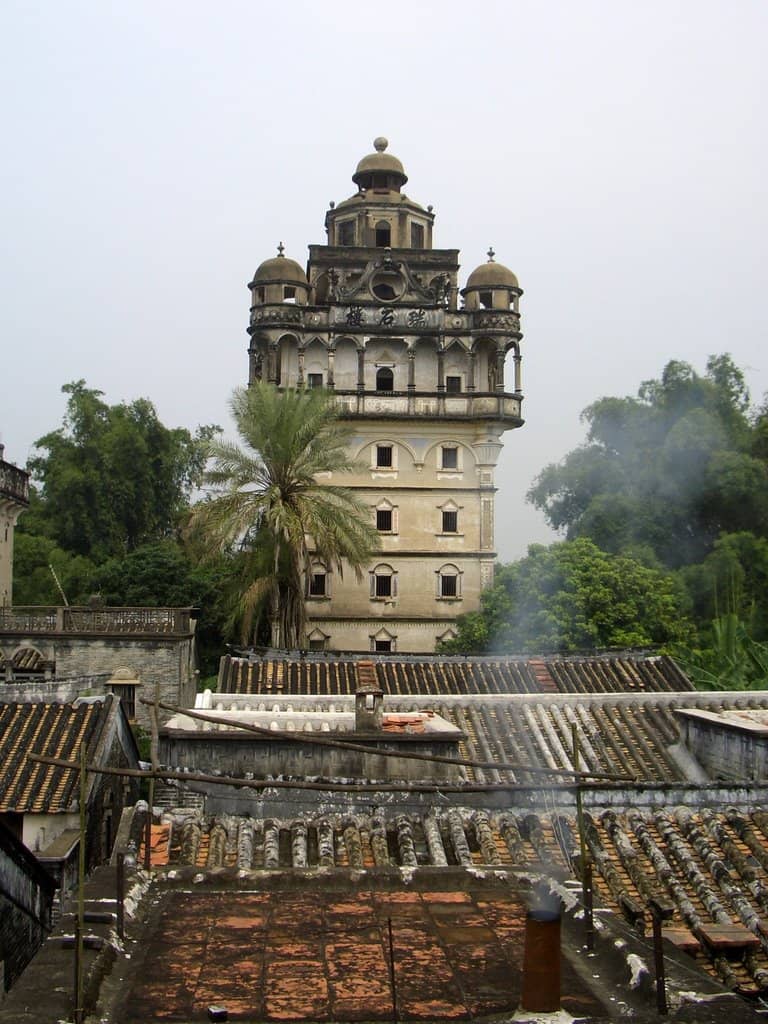
UNESCO-listed Kaiping Diaolou are unique fortified towers blending Chinese and Western architecture, built by overseas Chinese.
Highlights
Must-see attractions

Social
From TikTok & Reddit
Best Time
Fewer crowds, better photos
Kaiping Diaolou and Villages
Best Time
Fewer crowds, better photos
Highlights
Must-see attractions
UNESCO-listed Kaiping Diaolou are unique fortified towers blending Chinese and Western architecture, built by overseas Chinese.
"A striking blend of Chinese and Western architectural styles, these towers are a unique fusion of cultures. "
🎯 Consider a multi-village pass
A pass covers Zili Village, Li Garden, and Majianglong for a comprehensive experience.
🚲 Rent a bike to explore
Cycling is a great way to see the villages and countryside at your own pace.

Quick Facts
Rating
4.3 · 71 reviews
Type
National Park
Highlights
Discover the most iconic attractions and experiences
Zili Village Diaolou
Kaiping
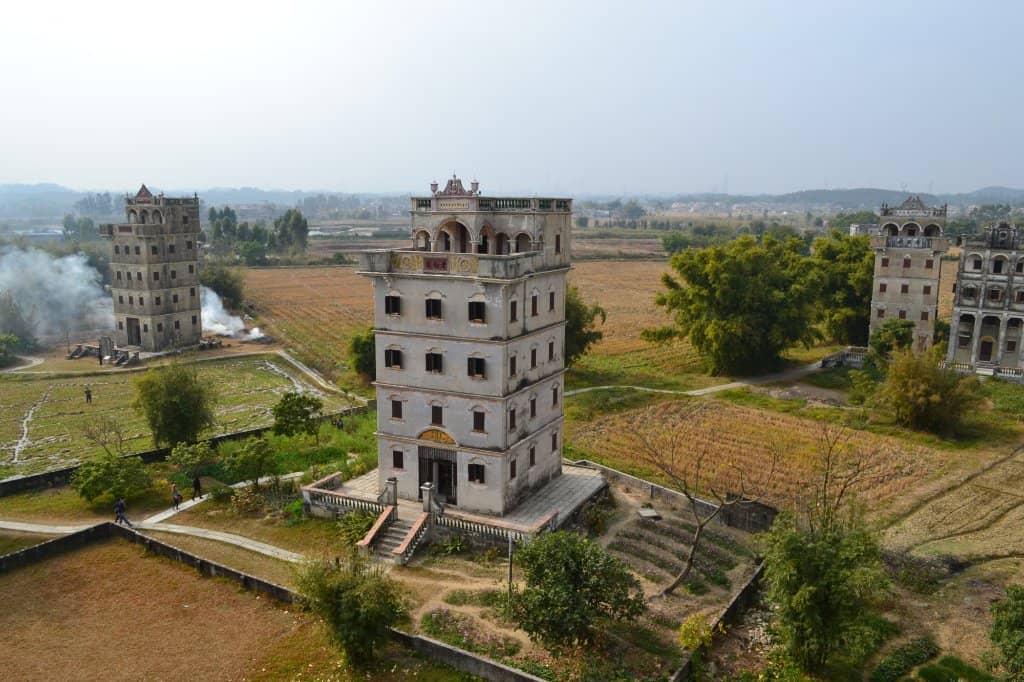
Iconic multi-story watchtowers showcasing a unique blend of Chinese and Western architecture.
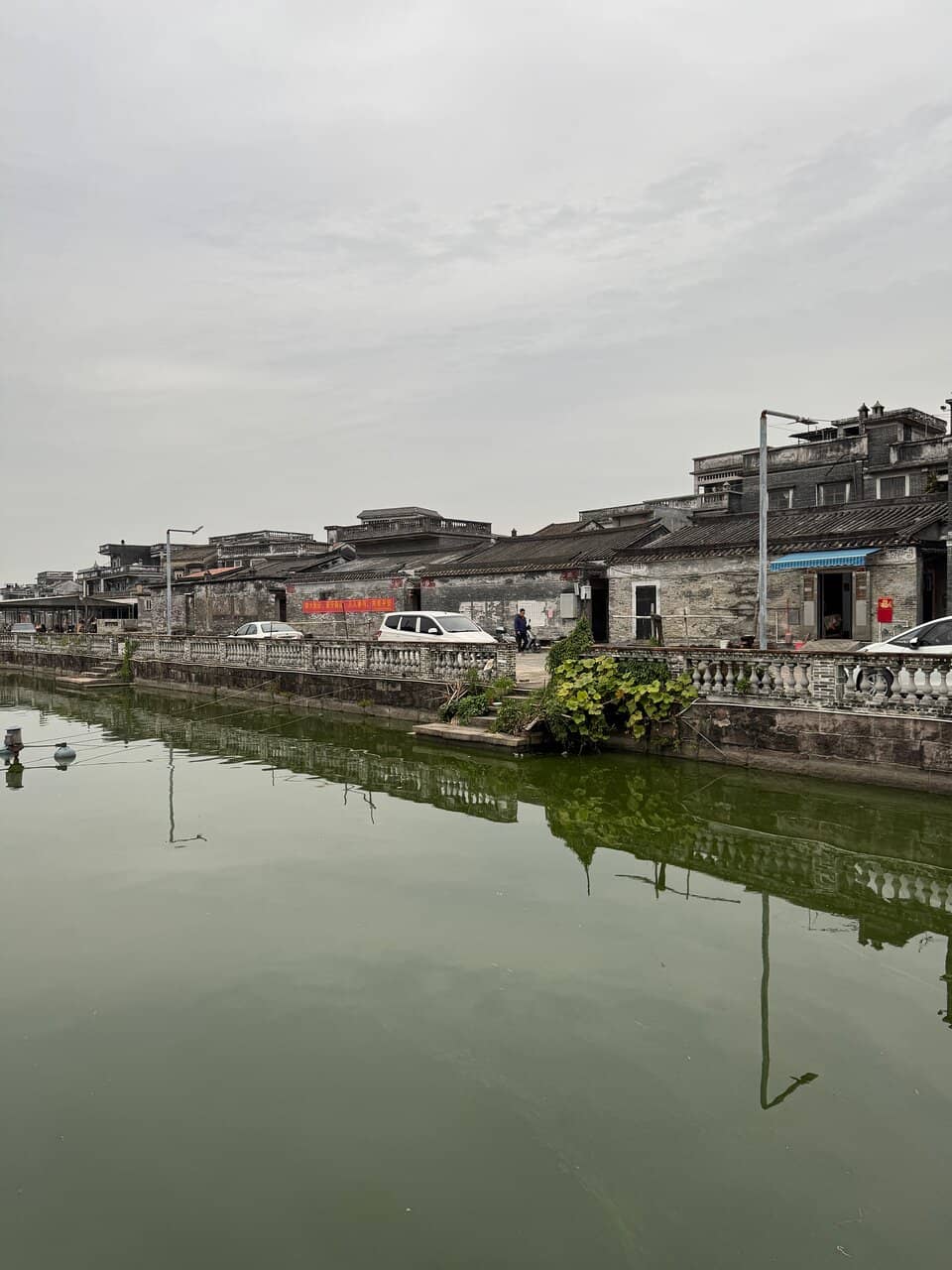
Li Garden (Liyuan Gardens)
Kaiping
A fascinating complex built in the 1920s, blending traditional Chinese gardens with Western architectural influences.
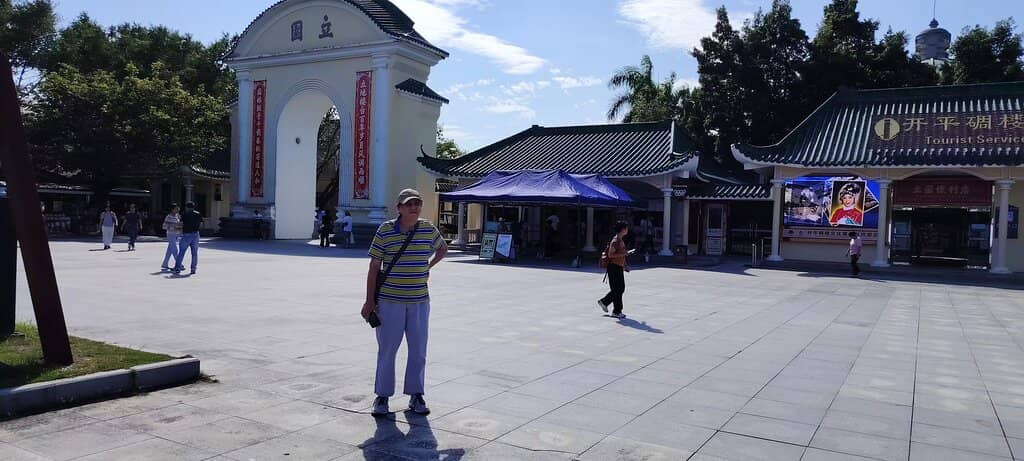
Majianglong Village
Kaiping
Known for its diaolou nestled within bamboo forests, offering a picturesque and serene atmosphere.
Plans like a pro.
Thinks like you
Planning Your Visit
Timing is Key for the Best Views
Getting There and Around
Best Times
Insider Tips
from TikTok, Instagram & Reddit
🎯 Consider a multi-village pass
A pass covers Zili Village, Li Garden, and Majianglong for a comprehensive experience.
🚲 Rent a bike to explore
Cycling is a great way to see the villages and countryside at your own pace.

📸 Iconic bamboo shot may be elusive
The famous view in Majianglong can be obscured by tall bamboo; check conditions beforehand.
🏨 Base yourself in Chikan Zhen
This interesting, though somewhat rundown, town is a good place to stay.
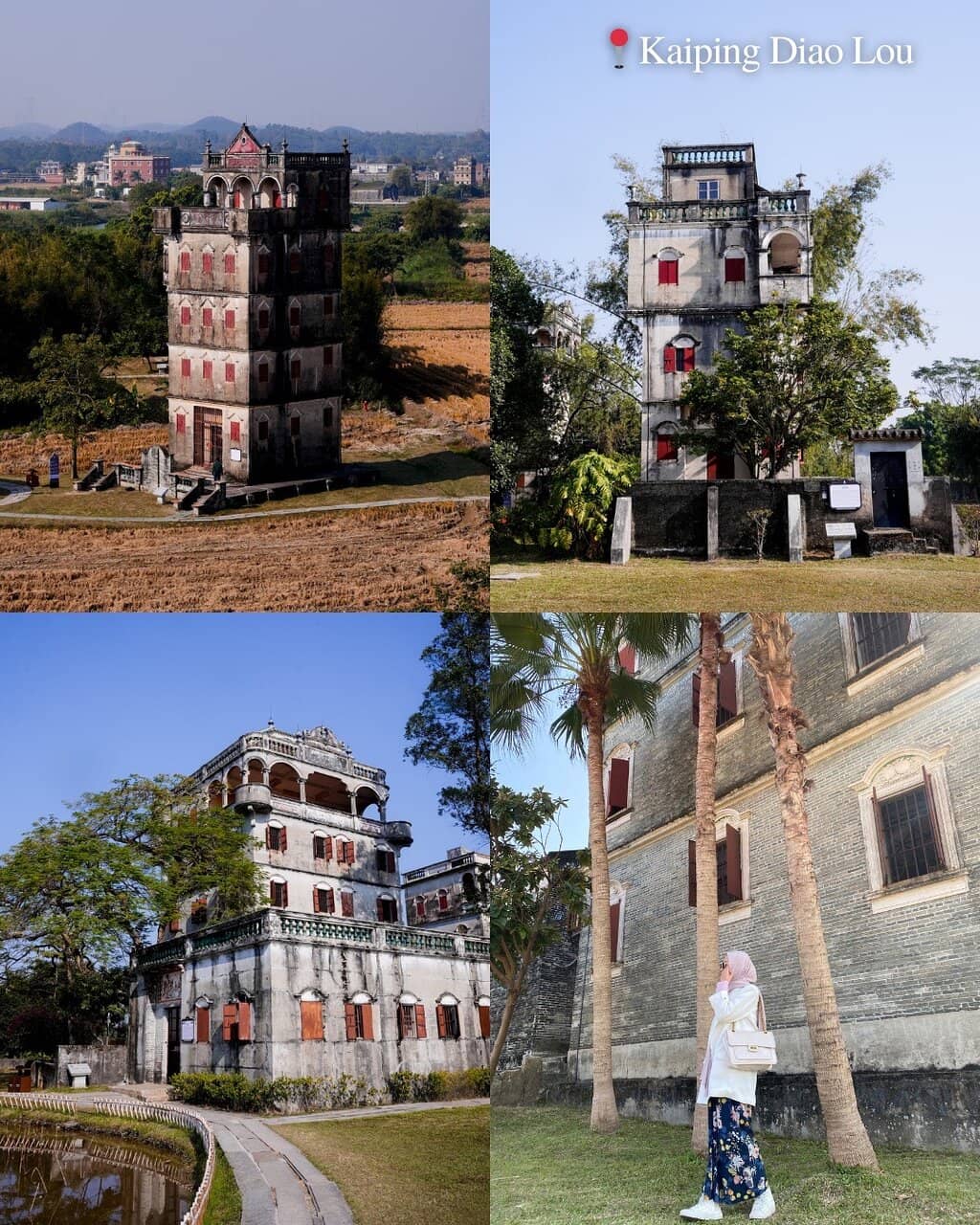
Some photos I took of Kaiping Diaolou
Great photos. Looks like Zili Cun. Been there a couple of times. Gets a bit busy at weekend but the whole area is worth seeing. Did you get to Chikan Zhen? Interesting, though rundown, town that's a good place to base yourself the weekend.
Tips
from all over the internet
🎯 Consider a multi-village pass
A pass covers Zili Village, Li Garden, and Majianglong for a comprehensive experience.
🚲 Rent a bike to explore
Cycling is a great way to see the villages and countryside at your own pace.
📸 Iconic bamboo shot may be elusive
The famous view in Majianglong can be obscured by tall bamboo; check conditions beforehand.
🏨 Base yourself in Chikan Zhen
This interesting, though somewhat rundown, town is a good place to stay.
🚶♀️ Explore occupied properties
Some buildings are still lived in, offering a glimpse into local life.
What Travellers Say
Reviews Summary
Visitors praise the unique architecture and historical significance of the Kaiping Diaolou, describing them as a fascinating blend of Chinese and Western styles. The picturesque village settings and the opportunity to explore these ancient structures are highlights. However, some find the journey to reach the sites lengthy, and certain iconic photo spots can be obstructed.
"Small village in Kaiping with some historic buildings, some of the properties inside are still occupied. Very quiet and some small rice fields.
One of the building can be visited. On the different levels you can see two to three bedrooms, furnished with old furnishings.
On the highest floor is a nice view of the surrounding properties.
There is an entrance fee for about US$ 10.00"
Peter Lau
"Kaiping village is a small village listed in Cultural World Heritage. The architecture of the local houses are blending of Chinese culture and other cultures from many different countries. In the past, many Chinese people came to different countries for working. When they came back to China, they gathered in this village and built these houses."
Thanh Huyen Pham
"Diaolou (simplified Chinese: 碉楼)are fortified multi-storey watchtowers in rural villages, generally made of reinforced concrete. These towers are located mainly in Kaiping (开平),Guangdong province (广東省), China. In 2007, UNESCO designated the Kaiping Diaolou and Villages (开平碉楼与村落) a World Heritage Site. These buildings demonstrate a unique fusion of 19th- and 20th-century Chinese and Western architectural styles. Diaolou structures were built from the time of the Ming dynasty to the early 20th century, reaching a peak during the Warlord Era in the 1920s and 1930s, with the financial aid of overseas Chinese, when there were more than three thousand of these structures. Today, approximately 1,800 diaolou remain standing, and mostly abandoned, in the village countryside of Kaiping. Today, a few of these towers were renovated and being used as residence, and some, opened to visitors as museums.
I recently visited two groups of Diaolou villages. One is Liyuan Gardens (立园)owned and built by Xie Weili 謝維立and his father Xie Shengpan 謝圣泮back in 1920s. The other is Zili Village (自力村) group of Diaolou built between 1900 and 1930 by the Fang (方)relatives.
Most of these towers were built of reinforced concrete with exterior walls more than two-foot thick. Most have four, five, and even six floors. The main function of these buildings were for defence against bandits attacks, and secondly use for residential."
Doug Ho
What People Like
What People Dislike
Frequently Asked Questions
🚇 🗺️ Getting There
You can take a bus from Guangzhou to Kaiping, which typically takes around 2-3 hours. From Kaiping city, you'll need to arrange local transport, such as taxis or buses, to reach the specific Diaolou villages.
While some villages are close, others are spread out. Renting a bicycle is a popular and enjoyable way to navigate between nearby villages. For more distant ones, consider hiring a car or using local buses.
Many visitors find renting a bicycle to be the most convenient and scenic way to explore the villages and surrounding countryside. Taxis are also available but can be more expensive.
Yes, you can find direct bus services from cities like Foshan to Kaiping. The journey time is comparable to that from Guangzhou.
While possible, it's a long day trip, especially from Guangzhou. Many recommend staying overnight to fully appreciate the villages and avoid feeling rushed.
🎫 🎫 Tickets & Entry
Entrance fees vary per village or group of villages. A combined ticket for the three main spots (Zili Village, Li Garden, Majianglong) is approximately 180 RMB. Individual village entry fees are around US$10.00.
It's generally not necessary to book tickets in advance, especially if you're visiting on a weekday. You can purchase tickets at the entrance of each village or at tourist centers.
Opening hours can vary, but most villages are generally accessible during daylight hours. It's advisable to check specific opening times for the villages you plan to visit, especially if you're arriving late in the day.
While the main attractions have entrance fees, you can often wander through the general village areas and see some of the exterior architecture without a ticket. However, to enter specific Diaolou buildings and gardens, a ticket is required.
Discounts are typically not widely advertised. It's best to check with local tourist information centers upon arrival for any potential group rates or special offers, though these are uncommon.
📸 📸 Photography
Zili Village offers classic views of the Diaolou, while Majianglong is known for its picturesque setting among bamboo. Li Garden provides unique architectural shots.
Early mornings and late afternoons offer the best light for photography, with softer shadows and a warmer glow. This also helps avoid harsh midday sun.
The iconic shot of Diaolou towers nestled in bamboo at Majianglong is highly sought after, though sometimes obstructed by growth. Look for unique architectural details blending Chinese and Western styles.
Yes, you can generally take photos inside the Diaolou buildings that are open to visitors. Some may have restrictions on flash photography, so be mindful of signage.
A standard DSLR or mirrorless camera with a versatile lens (e.g., 24-70mm) is ideal. A wide-angle lens can be useful for capturing the scale of the towers and village landscapes.
🎫 🚶♀️ Onsite Experience
These fortified multi-story watchtowers were built from the Ming dynasty to the early 20th century, primarily by overseas Chinese returning home. They served as defense against bandits and showcase a unique fusion of Chinese and Western architectural styles.
Yes, some of the properties within the villages are still occupied by residents, offering a glimpse into local life. Many others are unoccupied and appear old, though not necessarily ruins.
Inside, you can often see multiple levels with bedrooms furnished with antique items. The highest floors typically offer panoramic views of the surrounding village and countryside.
The terrain is generally flat within the villages, making it easy to walk or cycle. Some of the towers have stairs to climb to the upper levels.
While not always readily available in English, local guides can often be hired at the main tourist sites. It's recommended to inquire at the ticket offices or visitor centers.



Social
from TikTok, Instagram & Reddit