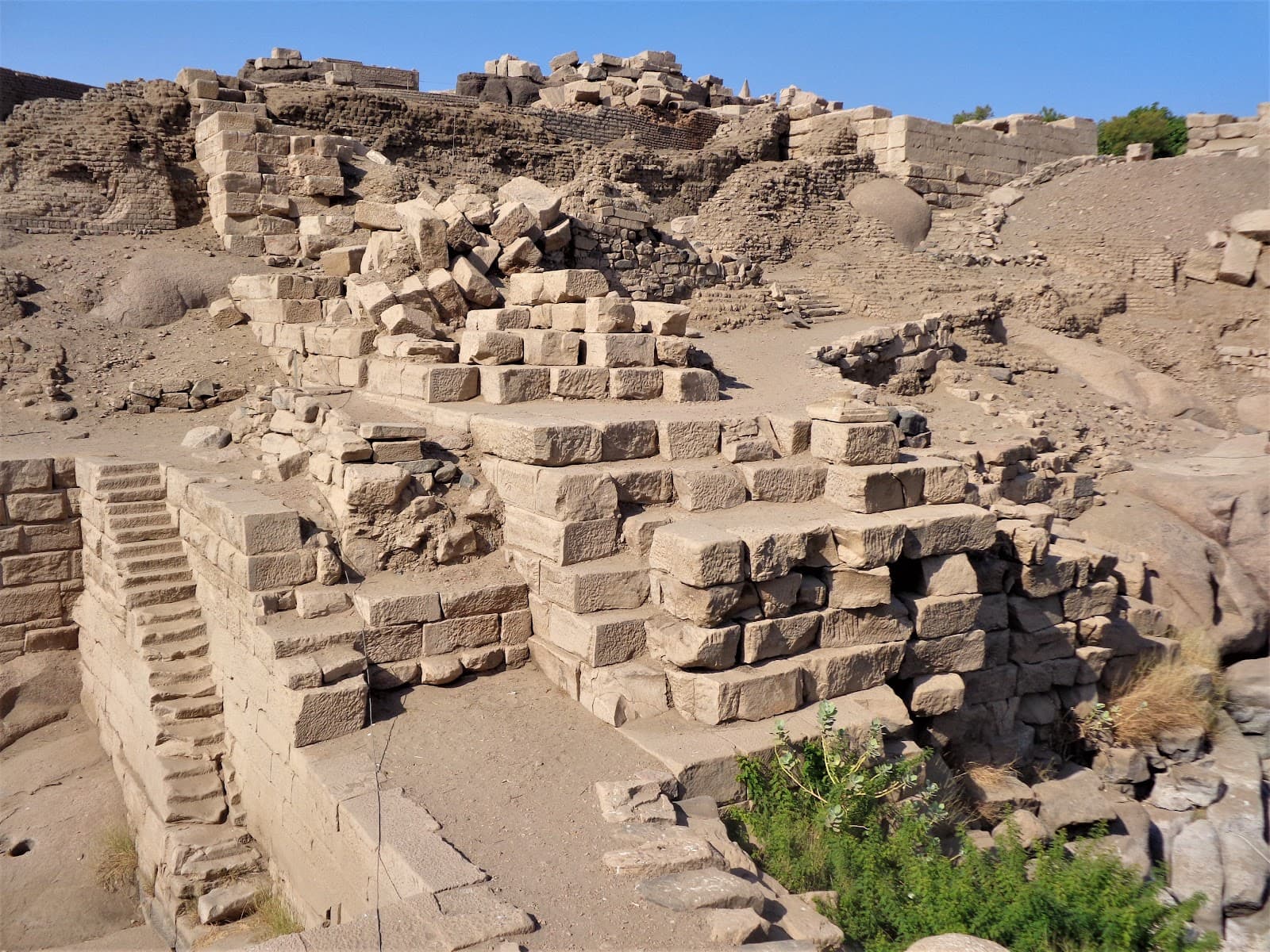
Elephantine Nilometer
Discover the Elephantine Nilometer, an ancient marvel on Elephantine Island that measured the Nile's vital flood levels for Egypt's survival.
Highlights
Must-see attractions

Social
From TikTok & Reddit
Best Time
Witness visible water levels
Elephantine Nilometer
Best Time
Witness visible water levels
Highlights
Must-see attractions
Discover the Elephantine Nilometer, an ancient marvel on Elephantine Island that measured the Nile's vital flood levels for Egypt's survival.
"A fascinating glimpse into ancient Egyptian ingenuity and their reliance on the Nile's predictable cycles."

Boat to the Island
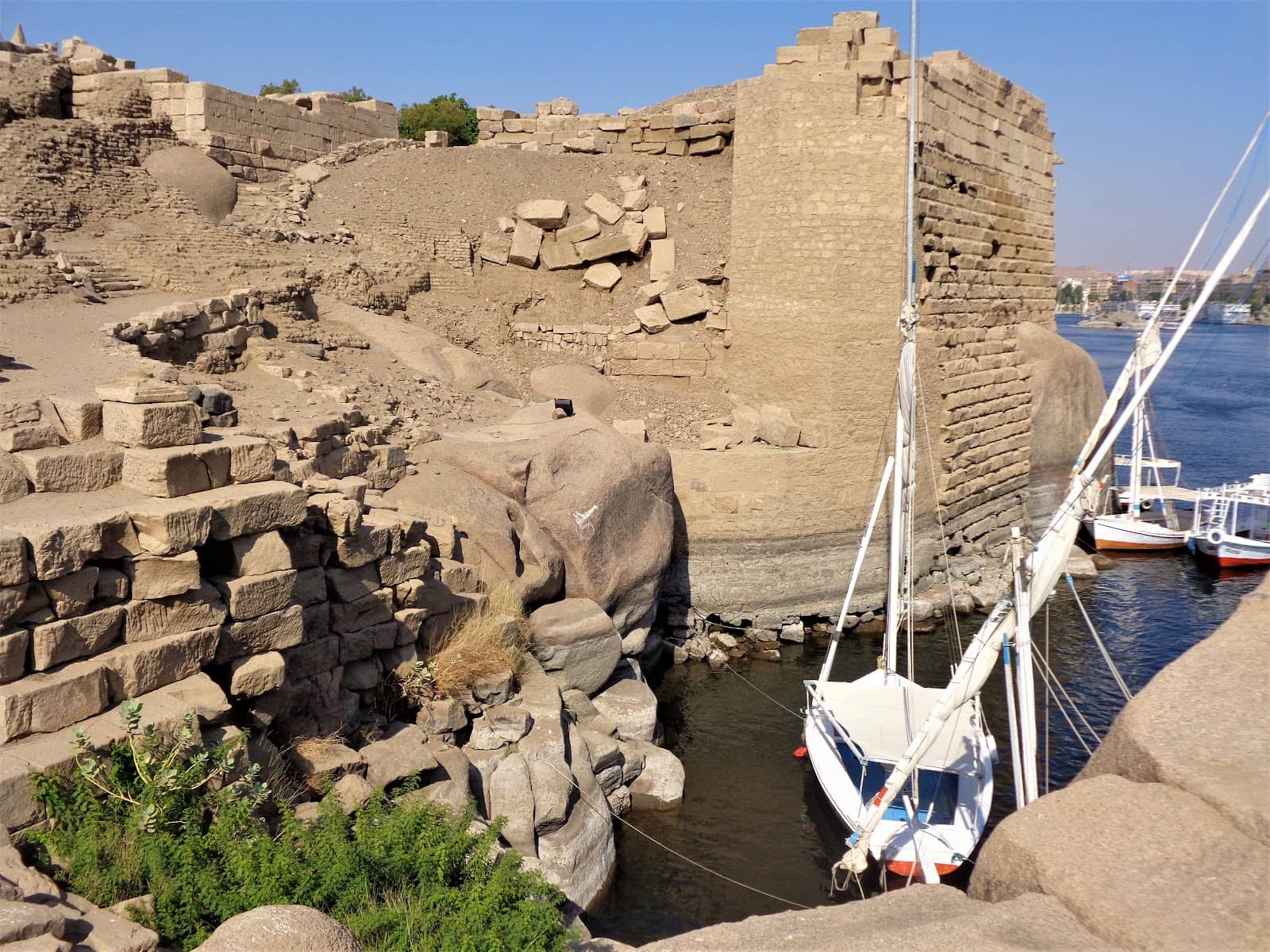
Take a felucca for a scenic ride to Elephantine Island.
Explore Both Nilometers
Discover the main Nilometer and a smaller, hidden one.
Quick Facts
Rating
4.4 · 61 reviews
Type
Historical Landmark
Highlights
Discover the most iconic attractions and experiences
The Satet Nilometer
Elephantine Island
Ancient Egypt's ingenious water gauge, crucial for predicting harvests and managing resources.

Staircase with Water Level Markings
Elephantine Island
Climb the stairs to see the historical markers that indicated the Nile's vital flood levels.

Panoramic Nile Views
Elephantine Island
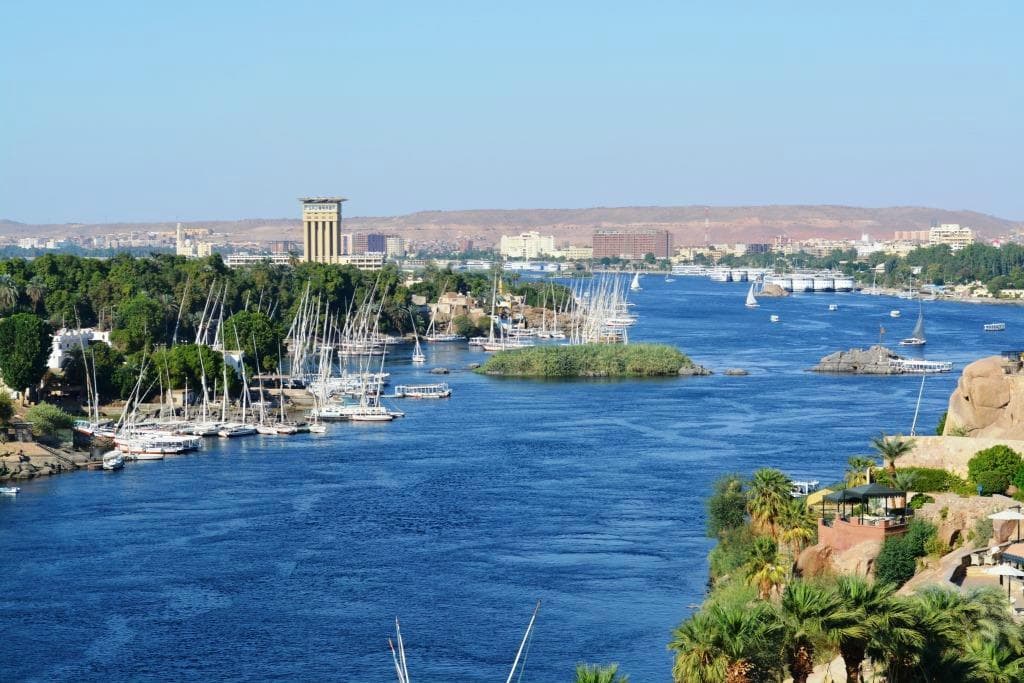
Enjoy breathtaking vistas of the Nile River and the city of Aswan from the island.
Plans like a pro.
Thinks like you
Planning Your Visit
Timing Your Visit to the Nilometer
Getting to Elephantine Island
Best Times
Insider Tips
from TikTok, Instagram & Reddit
Boat to the Island
Take a felucca for a scenic ride to Elephantine Island.
Explore Both Nilometers
Discover the main Nilometer and a smaller, hidden one.
Understand its Purpose
Learn how it predicted harvests and influenced ancient Egyptian life.
Enjoy the Views
The island offers stunning panoramic views of the Nile and Aswan.
Tips
from all over the internet
Boat to the Island
Take a felucca for a scenic ride to Elephantine Island.
Explore Both Nilometers
Discover the main Nilometer and a smaller, hidden one.
Understand its Purpose
Learn how it predicted harvests and influenced ancient Egyptian life.
Enjoy the Views
The island offers stunning panoramic views of the Nile and Aswan.
What Travellers Say
Reviews Summary
Visitors find the Elephantine Nilometer a fascinating glimpse into ancient Egyptian ingenuity and their relationship with the Nile. The historical significance of measuring flood levels for agriculture and taxation is a key takeaway. While the site is well-preserved, some note that accessing the smaller Nilometer can be a bit hidden.
"It was used to measure the transparency and water level of the Nile River during the flood season every year. There are stairs along the wall with water level signs. For most of Egyptian history, Elephantine Island marked Egypt's southern border and was therefore the site where the annual floods were first detected."
Seokjin Ham
"Beautiful views from the top of the mountain before heading down to the first Nilometer, the first one is a little bit hidden and you have to go down the stairs to the Nile. The second nilometer is more like a swimming pool and is in the same side of the river but further down to the edge of the island."
Amatullah Robles
"Interesting building that were located usually inside a palace so the access was exclusive for pharaons, kings and priests that will use that info to impress the people. It gives information about the depth level of the Nile in summer time which will be indicative of rich or poor times coming."
Marta R
What People Like
What People Dislike
Frequently Asked Questions
🚇 🗺️ Getting There
To reach the Elephantine Nilometer, you'll need to take a boat to Elephantine Island. Feluccas are a popular and picturesque choice for this short journey from Aswan. Many visitors combine this with a visit to the Nubian Village.
Taking a traditional felucca is highly recommended for its scenic beauty and authentic experience. Motorboats are also available if you're looking for a quicker option.
Public transport directly to Elephantine Island is limited. The primary method of access is by boat from the Aswan waterfront.
No, Elephantine Island is not accessible by foot as it is surrounded by the Nile River. A boat is necessary for access.
From Aswan, you can hire a felucca or a motorboat. Feluccas offer a more leisurely and scenic experience, while motorboats are faster.
🎫 🎫 Tickets & Entry
Entry to the Nilometer site itself is generally included with admission to Elephantine Island or as part of a guided tour. It's advisable to check with your tour operator or local authorities for the most current ticketing information.
The Nilometer is located on Elephantine Island, which is generally accessible during daylight hours. Specific access to the Nilometer structure might vary, so it's best to visit during typical tourist hours.
While the island itself is accessible, there might be a small fee for accessing specific historical sites on the island, including the Nilometer. Confirm locally for the most up-to-date pricing.
Tickets for boat rides and potentially for island access can often be arranged on the spot in Aswan. For organized tours that include the Nilometer, booking in advance is recommended.
Some tour packages may offer combined tickets or itineraries that include Elephantine Island and the Nilometer along with other Aswan attractions like Philae Temple. +1
🎫 🧭 Onsite Experience
The Nilometer was historically used to measure the water level and transparency of the Nile River during the annual flood season. This data was crucial for predicting harvests, managing irrigation, and determining taxation. +1
You can see the ancient structure with stairs marked with water levels, offering insight into its measurement function. You'll also find beautiful views of the Nile and Aswan.
The Nilometer is a historical site and is no longer used for its original purpose of measuring the Nile's flood levels for agricultural planning. However, it remains a significant archaeological and historical monument.
Allow at least 1-2 hours to explore Elephantine Island and the Nilometer, including travel time to and from the island.
Yes, guided tours are often available in Aswan that include Elephantine Island and the Nilometer, providing historical context and insights.
📸 📸 Photography
Capture the ancient stone structure, the water level markings on the stairs, and the panoramic views of the Nile River and Aswan. The interplay of light on the water is also a great subject.
Photography is generally allowed at the Elephantine Nilometer and on Elephantine Island. However, always be respectful of the historical site and other visitors.
Morning light can be soft and beautiful for capturing the details of the Nilometer and the island. Late afternoon offers golden hour light and stunning views of Aswan.
Drone usage is often restricted in historical and archaeological sites in Egypt. It's best to check local regulations before attempting to fly a drone.
A standard camera or smartphone is sufficient. Consider a wide-angle lens to capture the expansive Nile views and a zoom lens for details on the structure.
Social
from TikTok, Instagram & Reddit