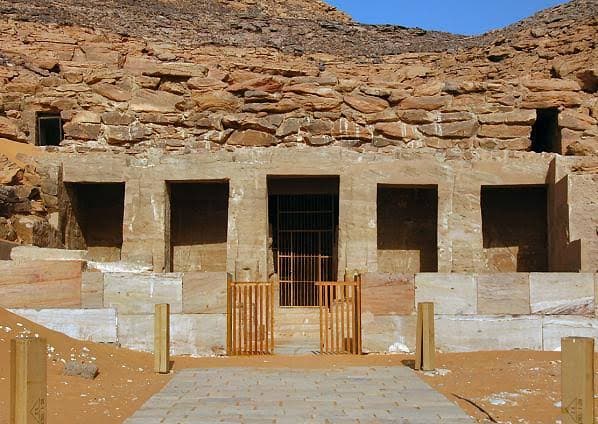
Temple of Amada Egypt
Discover the Temple of Amada, Nubia's oldest temple, boasting vibrant, ancient reliefs and historical inscriptions.
Highlights
Must-see attractions

Social
From TikTok & Reddit
Best Time
Beat the heat and crowds
Temple of Amada Egypt
Best Time
Beat the heat and crowds
Highlights
Must-see attractions
Discover the Temple of Amada, Nubia's oldest temple, boasting vibrant, ancient reliefs and historical inscriptions.
"A hidden gem with incredibly preserved, colorful interior reliefs that transport you back in time."

Plan Your Transport
Organized tours from Aswan are common. Private hire is an option but pricier. 🚗
Hydration is Key
Carry plenty of water, especially during warmer months. :droplet:
Quick Facts
Hours
Rating
4.7 · 40 reviews
Type
Historical Landmark
Highlights
Discover the most iconic attractions and experiences
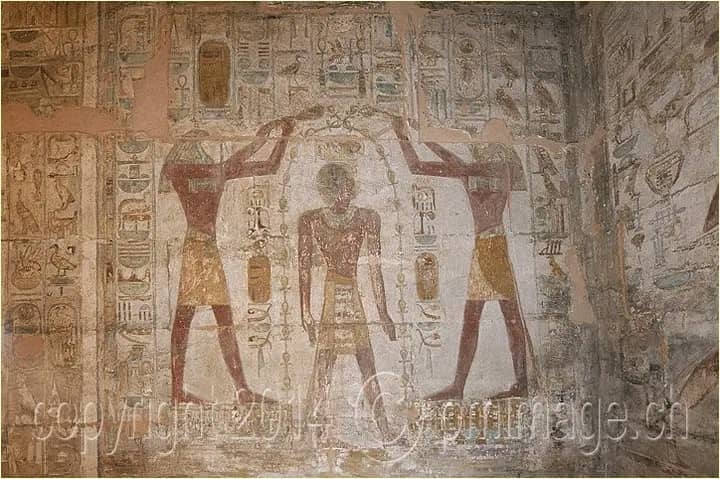
Vibrant Interior Reliefs
Inner Sanctuary
Dull exterior hides incredibly detailed and colorful reliefs depicting gods and pharaohs. A true visual feast!
Astronomical Ceiling
Inner Sanctuary
Discover an ancient star chart with remarkable accuracy, showing Sirius's position from 1450 BCE.
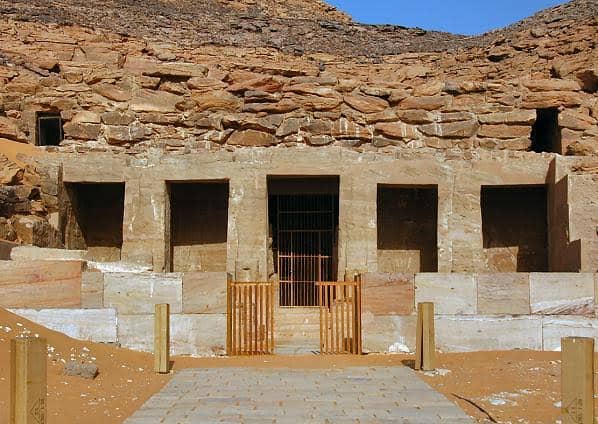
Victory Stela of Amenhotep II
Eastern Wall
See the first recorded use of the term 'pharaoh' on this significant historical inscription.
Plans like a pro.
Thinks like you
Planning Your Visit
Timing is Everything
Nubian Gems & Logistics
Best Times
Insider Tips
from TikTok, Instagram & Reddit
Plan Your Transport
Organized tours from Aswan are common. Private hire is an option but pricier. 🚗
Hydration is Key
Carry plenty of water, especially during warmer months. :droplet:
Respect the Site
Follow guidelines to preserve this ancient wonder. No touching the reliefs! 🙏
Combine with Other Sites
Often visited with other Nubian monuments like Wadi el-Sebua. :world_map:
Tips
from all over the internet
Plan Your Transport
Organized tours from Aswan are common. Private hire is an option but pricier. 🚗
Hydration is Key
Carry plenty of water, especially during warmer months. :droplet:
Respect the Site
Follow guidelines to preserve this ancient wonder. No touching the reliefs! 🙏
Combine with Other Sites
Often visited with other Nubian monuments like Wadi el-Sebua. :world_map:
Wear Comfortable Shoes
You'll be doing some walking around the temple complex. :athletic_shoe:
What Travellers Say
Reviews Summary
Visitors are consistently awed by the Temple of Amada's remarkably preserved and vibrant interior reliefs, a stark contrast to its weathered exterior. Its historical significance as one of Nubia's oldest temples, featuring unique inscriptions and an astronomical chart, is a major draw. However, its remote location and the travel time required can be a deterrent for some.
"The Temple of Amada, the oldest Egyptian temple in Nubia, was first constructed by pharaoh Thutmose III of the 18th dynasty and dedicated to Amun and Re-Horakhty. His son and successor, Amenhotep II continued the decoration program for this structure. Amenhotep II’s successor, Thutmose IV decided to place a roof over its forecourt and transform it into a pillared or hypostyle hall. During the Amarna period, Akhenaten had the name Amun destroyed throughout the temple but this was later restored by Seti I of Egypt’s 19th dynasty. Various 19th dynasty kings especially Seti I and Ramesses II also “carried out minor restorations and added to the temple’s decoration.” The stelas of the Viceroys of Kush Setau, Heqanakht and Messuy and that of Chancellor Bay describe their building activities under Ramesses II, Merneptah and Siptah respectively.
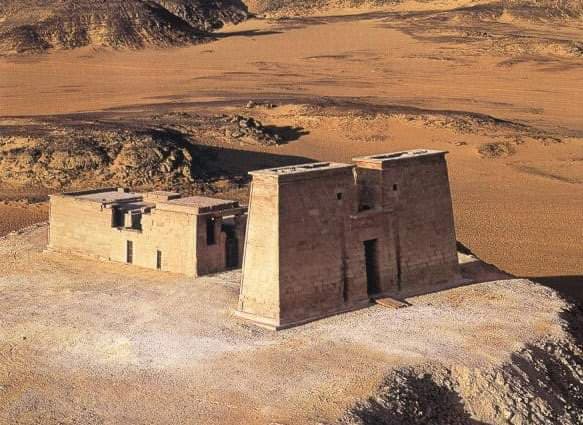
The original building plan for the structure featured a pylon, forecourt and a portico which led to a sanctuary. However, when Thutmose IV roofed the open forecourt, the pillars and walls “were decorated with offering scenes, with those involving Thutmosis IV on the left” and Thutmose III and Amenhotep II on the right.[2] Although the temple has a dull and crumbling exterior, its interior features enjoy some of the most finely cut reliefs with bright and vibrant colours.
The finest painted reliefs are in the innermost section of the temple where Thutmose III and Amenhotep II are shown being embraced or making offerings to various Egyptian gods. The left hand side of the vestibule shows Amenhotep II being crowned by Horus and Thoth and running with an oar and a hap (or navigational instrument). The cult room at the side of the sanctuary contains some interesting foundation and consecration scenes for the temple which depict “the ritual of the ‘stretching of the cord’, the ceremonial making and laying of bricks, and the offering of the temple to its gods."
Bassam Mohamed
"The relocated New Kingdom structure preserves Thutmose III's victory stela with the first recorded use of the term "pharaoh." The ceiling's astronomical chart shows Sirius' position in 1450 BCE within 0.25° accuracy. Hidden chambers contain Nubian tribute lists written in black and red ink."
Arman Khachatryan
"History❤️"
Mohamed Adel
What People Like
What People Dislike
Frequently Asked Questions
🚇 🗺️ Getting There
The Temple of Amada is located in Nubia, south of Aswan. Most visitors reach it via organized day tours from Aswan, which often include transportation and a guide. Private car hire is also an option, but it's a significant drive. Some itineraries might combine it with other Nubian temples like Wadi el-Sebua. +1
Public transport directly to the Temple of Amada is very limited. It's best to arrange transport through a tour operator or hire a private vehicle for the day.
The journey from Aswan to the Temple of Amada can take around 2-3 hours each way, depending on the mode of transport and any stops along the way.
While many Nile cruises focus on Luxor and Aswan, some longer itineraries or specialized Nubian tours might include a visit to the Temple of Amada. It's essential to check your cruise itinerary carefully.
While boat tours are popular in Aswan for visiting islands, direct boat access to the Temple of Amada is not typical. The temple is inland from the main Nile River course in this region.
🎫 🎫 Tickets & Entry
Opening hours can vary, but generally, ancient Egyptian sites are open from early morning until late afternoon. It's advisable to confirm current hours with your tour operator or local authorities.
Ticket prices for Egyptian historical sites are subject to change. Entry is typically included in organized tour packages. If visiting independently, inquire about the current entrance fee at the site or from local tourism offices.
For organized tours, booking in advance is recommended. If you plan to visit independently, it's usually possible to purchase tickets on-site, but checking ahead is wise.
While there isn't a strict dress code, modest attire is recommended out of respect for the religious and historical significance of the site. Covering shoulders and knees is a good practice.
Drone usage is generally restricted at historical sites in Egypt. It's best to assume drones are not permitted unless explicitly stated otherwise by site management.
🎫 🏛️ Onsite Experience
A guided tour is highly recommended to understand the history and significance of the reliefs and inscriptions. You can also explore at your own pace, but a guide brings the stories to life.
Allow at least 1-2 hours to fully appreciate the temple's interior and exterior details. This includes time for photos and absorbing the atmosphere.
Basic facilities may be available, but they can be limited. It's advisable to use restrooms before you depart from your starting point or at designated stops.
Photography is generally allowed inside the temple, but flash photography might be prohibited to protect the ancient colors. Always check for signage or ask your guide.
The Temple of Amada is one of the oldest surviving temples in Nubia and is renowned for its exceptionally well-preserved and vibrant interior reliefs, offering a glimpse into ancient Egyptian art and religious practices. 
📸 📸 Photography
The interior reliefs, especially the vibrant scenes of gods and pharaohs, are stunning. The astronomical ceiling and the stela of Amenhotep II are also key photo opportunities.
Yes, modern smartphones are capable of capturing excellent photos. Focus on capturing the details of the reliefs and the scale of the temple.
Early morning or late afternoon offers softer light, which can enhance the colors of the reliefs and reduce harsh shadows.
Tripods might be restricted in some areas. Always check for signage or ask permission before using professional equipment. Flash photography is often prohibited.
Focus on close-ups of the intricate carvings and vibrant colors inside. Also, try to capture the scale of the temple and its historical significance.



Social
from TikTok, Instagram & Reddit