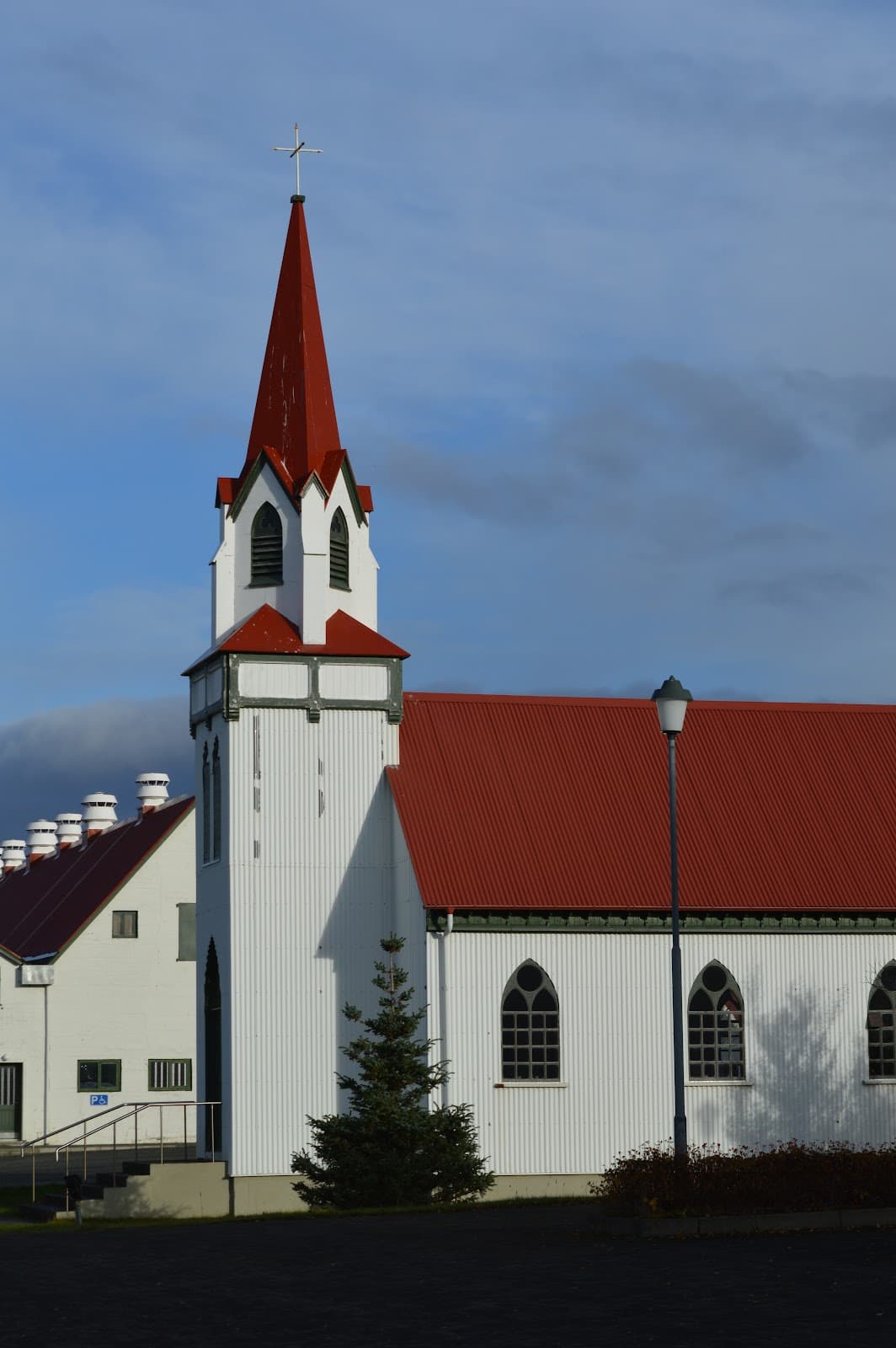
Agricultural Museum of Iceland
Explore Iceland's agricultural evolution through a vast collection of tractors, horse-drawn machinery, and blacksmithing tools.
Highlights
Must-see attractions

Social
From TikTok & Reddit
Best Time
Fewer crowds, more relaxed viewing
Agricultural Museum of Iceland
Best Time
Fewer crowds, more relaxed viewing
Highlights
Must-see attractions
Explore Iceland's agricultural evolution through a vast collection of tractors, horse-drawn machinery, and blacksmithing tools.
"A truly impressive collection showcasing the backbone of Icelandic farming history."
Allocate ample time
The collection is vast; give yourself at least 2-3 hours to explore thoroughly. :clock1:
Check for demonstrations
Some machines are operational and demonstrated during events. Ask staff for schedules! 🎥
Quick Facts
Highlights
Discover the most iconic attractions and experiences
Vintage Tractor Collection
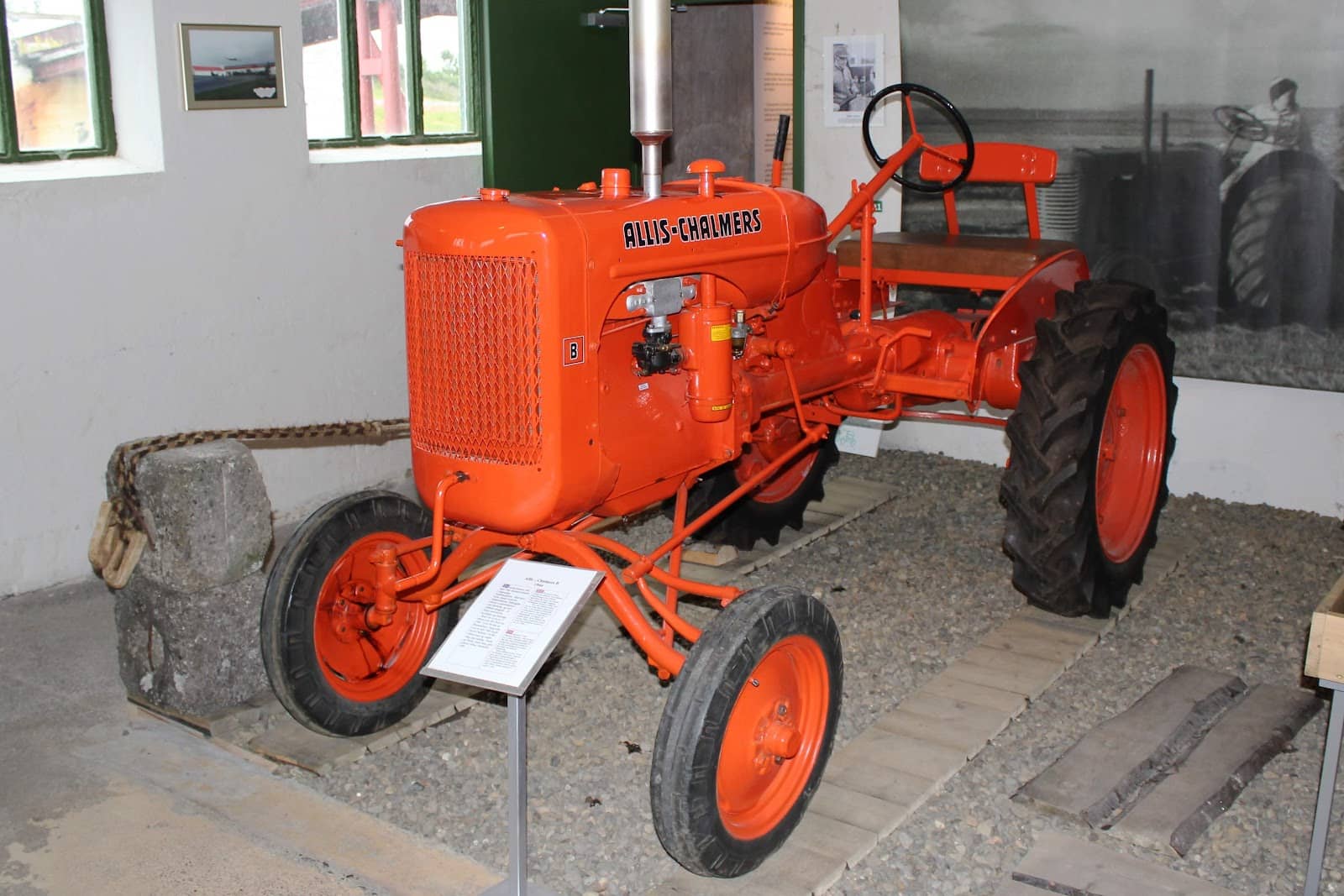
Marvel at a comprehensive display of tractors from iconic brands like Ford and John Deere, showcasing a century of mechanization.
Horse-Drawn Machinery
See a variety of horse-drawn plows, harrows, carts, and sleighs that were vital to early Icelandic farming.
Dairy Processing Tools
Explore the tools and equipment used for milk extraction and processing, offering a glimpse into traditional dairy farming.
Plans like a pro.
Thinks like you
Planning Your Visit
Plan Your Visit
What to Expect
Best Times
Insider Tips
from TikTok, Instagram & Reddit
Allocate ample time
The collection is vast; give yourself at least 2-3 hours to explore thoroughly. :clock1:
Check for demonstrations
Some machines are operational and demonstrated during events. Ask staff for schedules! 🎥
Multilingual info available
Information folders are provided on paper or electronically in several languages. :earth_americas:
Friendly & knowledgeable staff
Staff are happy to share insights and speak English and German. :smiley:
Tips
from all over the internet
Allocate ample time
The collection is vast; give yourself at least 2-3 hours to explore thoroughly. :clock1:
Check for demonstrations
Some machines are operational and demonstrated during events. Ask staff for schedules! 🎥
Multilingual info available
Information folders are provided on paper or electronically in several languages. :earth_americas:
Friendly & knowledgeable staff
Staff are happy to share insights and speak English and German. :smiley:
What Travellers Say
Reviews Summary
Visitors praise the Agricultural Museum of Iceland for its extensive and well-preserved collection of tractors and agricultural machinery, offering a deep dive into the country's rural history. The friendly staff and multilingual information are also highlighted as positives, making it an informative and worthwhile visit for those interested in farming heritage.
"Quite large collection of old tractors and horse drawn agricultural machines. Some of them are even in working condition and driven around during events on a regular basis. Information folders in multiple languages are available on paper or electronically. Friendly staff who could speak English and German."
Jakob Holzmann
"Worth visiting."
Mariola Ahaha
"The museum is the largest collection of agricultural history in Iceland. It presents agricultural activities and the tools and machines that support them from 1880 to the end of the 20th century. It commemorates manufacturing crafts, such as blacksmithing, smithy, etc., and horse-drawn tools. Thus, we can see two- and four-wheeled carts, horse-drawn sleighs, tillage tools, plows, harrows, rakes, seeders, etc. There is no shortage of milk extraction and processing tools either.
The 20th century brought significant changes in the production of food raw materials and feed. The utilization of petroleum products and the fuels produced from them also revolutionized the tools used in agriculture. Horse-drawn tools were replaced by a series of machine-drawn carts and tillage tools. Passenger cars and trucks also appeared.
The exhibition presents higher-performance ploughs, seeders, soil levellers, harvesting machines, threshing machines, etc., drawn by machines. Most of the machines were imported to the island, so we can clearly follow the technical and technological development of individual engine factories. The development of Ford, Ferguson, John Deer, etc. tractors within a century is clearly visible, as is the increase in the pulling power of the machines (as a result of mechanization, the cultivated areas increased significantly in Iceland at this time). Passenger and freight transport vehicles have also changed and developed in a similar way. After the 20th century, the machines and cars of the 21st century show even greater changes, but these are still missing from the exhibition."
János Palotás
What People Like
What People Dislike
Frequently Asked Questions
🚇 🗺️ Getting There
The museum is located in Skagafjörður. It's best accessed by car, offering a scenic drive through the Icelandic countryside. Public transport options are limited in this region, so renting a car is highly recommended for flexibility.
Yes, ample parking is typically available at the Agricultural Museum of Iceland, making it convenient for visitors arriving by car.
The drive from Reykjavik to the Agricultural Museum of Iceland is approximately 3-4 hours, depending on the specific route and road conditions. It's a substantial day trip or can be part of a longer itinerary.
🎫 🎫 Tickets & Entry
Opening hours can vary seasonally. It's advisable to check the official museum website or contact them directly for the most up-to-date information on operating hours before your visit.
Admission fees are generally reasonable. Check the museum's official website for current ticket prices for adults, children, and any potential family discounts.
While not always necessary, purchasing tickets online in advance can sometimes save time, especially during peak tourist seasons. Check the museum's website for online booking options.
Discounts may be available for students, seniors, or groups. Inquire directly with the museum or check their website for any special offers or concession rates.
🎫 🧭 Onsite Experience
You'll find a vast collection of agricultural machinery, including vintage tractors, horse-drawn tools, blacksmithing equipment, and dairy processing tools, illustrating Iceland's farming history from 1880 to the late 20th century.
Yes, children can find the large machinery fascinating. While it's primarily an exhibit of historical tools, the sheer scale of the tractors and equipment can be engaging for younger visitors.
Guided tours may be offered, especially for groups. It's recommended to inquire with the museum in advance to see if tours are available and how to book them.
Photography for personal use is generally permitted inside the museum. However, it's always a good idea to check for any specific restrictions or guidelines posted at the entrance.
The museum's accessibility can vary. While many exhibits are on the ground floor, it's best to contact the museum directly to inquire about specific accessibility features for wheelchairs or those with limited mobility.
🍽️ 🍽️ Food & Dining
The Agricultural Museum of Iceland may have a small cafe or snack bar on-site. It's advisable to check their website or call ahead to confirm dining facilities and opening hours.
Depending on the museum's exact location, there might be local restaurants or cafes in nearby towns. Research dining options in the vicinity before your visit.
Picnic areas might be available, or you may be permitted to consume your own food in designated outdoor spaces. Check the museum's policy on outside food and beverages.
📸 📸 Photography
The vintage tractors and large agricultural machinery offer fantastic photo opportunities. Capture the scale of these machines against the Icelandic landscape if possible.
Generally, personal photography is allowed. However, professional photography or filming may require special permission. Always adhere to any posted signage.
Mid-day light can be harsh. Consider visiting earlier or later in the day for softer light, especially if you're aiming for atmospheric shots of the machinery.



Social
from TikTok, Instagram & Reddit