Lala Bustard Sanctuary Naliya
A crucial sanctuary for the critically endangered Great Indian Bustard, offering vast grasslands and a chance to spot rare avian species.
Highlights
Must-see attractions

Social
From TikTok & Reddit
Best Time
Pleasant weather, peak bird activity
Lala Bustard Sanctuary Naliya
Best Time
Pleasant weather, peak bird activity
Highlights
Must-see attractions
A crucial sanctuary for the critically endangered Great Indian Bustard, offering vast grasslands and a chance to spot rare avian species.
"A birdwatcher's paradise and a vital conservation area, though visitor experiences can vary."
Signage Can Be Tricky
Look carefully for the sanctuary's signboards; they are not always very visible. 📌
Bring Your Own Water & Snacks
Facilities are minimal. Pack essentials as there are no shops nearby. :water_wave: :apple:
Quick Facts
Hours
Rating
4.1 · 33 reviews
Type
Park
Highlights
Discover the most iconic attractions and experiences
Great Indian Bustard
Grasslands
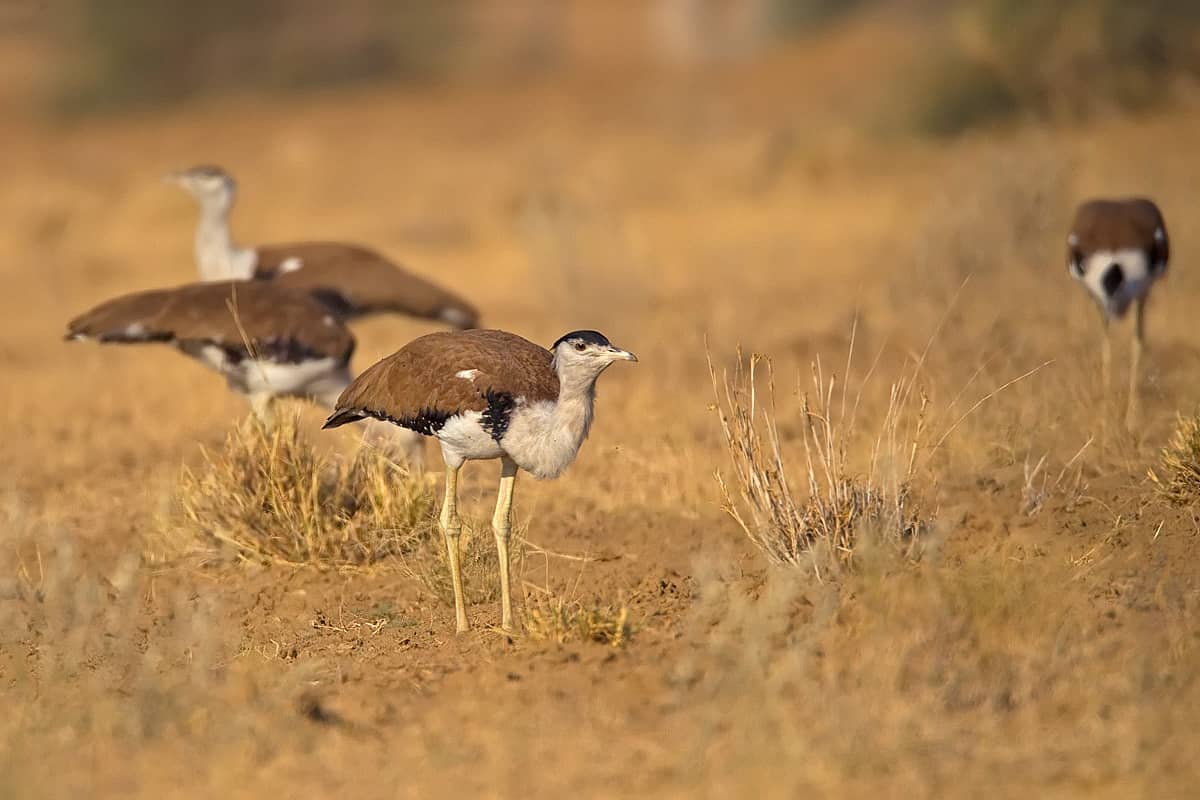
The critically endangered star of the sanctuary. Spotting this magnificent, large ground-dwelling bird is a rare and unforgettable experience.
Diverse Raptor Sightings
Open skies
Keep an eye out for various raptors like harriers, eagles, and vultures soaring above the grasslands.
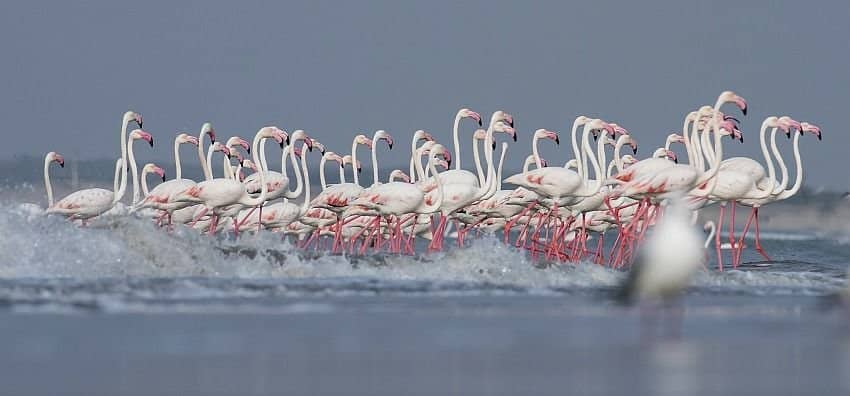
McQueen's Bustard & Lesser Florican
Grasslands and marshy areas
Beyond the main attraction, these smaller bustard species and other ground birds add to the sanctuary's avian richness.
Plans like a pro.
Thinks like you
Planning Your Visit
Timing is Everything for Bustard Spotting
Navigating to Naliya
Best Times
Insider Tips
from TikTok, Instagram & Reddit
Signage Can Be Tricky
Look carefully for the sanctuary's signboards; they are not always very visible. 📌
Bring Your Own Water & Snacks
Facilities are minimal. Pack essentials as there are no shops nearby. :water_wave: :apple:
Jeep Safari for Mammals
Consider a jeep safari for a better chance to spot mammals like wolves and foxes. :jeep:
Photography Gear Ready
Ideal for bird photography, but be patient and prepared for long waits. :camerawithflash:
Tips
from all over the internet
Signage Can Be Tricky
Look carefully for the sanctuary's signboards; they are not always very visible. 📌
Bring Your Own Water & Snacks
Facilities are minimal. Pack essentials as there are no shops nearby. :water_wave: :apple:
Jeep Safari for Mammals
Consider a jeep safari for a better chance to spot mammals like wolves and foxes. :jeep:
Photography Gear Ready
Ideal for bird photography, but be patient and prepared for long waits. :camerawithflash:
What Travellers Say
Reviews Summary
While the sanctuary is a vital haven for the critically endangered Great Indian Bustard, visitor experiences can be mixed. Some praise it as a birdwatcher's paradise with potential for stunning photography, while others note challenges like poor road conditions, closed gates, and a lack of facilities, leading to disappointment if bustards aren't sighted.
"No more bustards are there. Gates are closed. Only few blue bull. No proper roads, not even a single person. You can see an empty dry grassland. Few raptors are seen."
Gopi Anan
"This place is a wonder. It was during non peak season for migratory season. But a sight to behold to capture pictures of birds. There is a hotspot beyond the great Indian Bustard park into the wetland along this route"
Eddy J
"Home
Kutch Zone
Kutch
The Great Indian Bustard Sanctuary
Back
About Place
Map
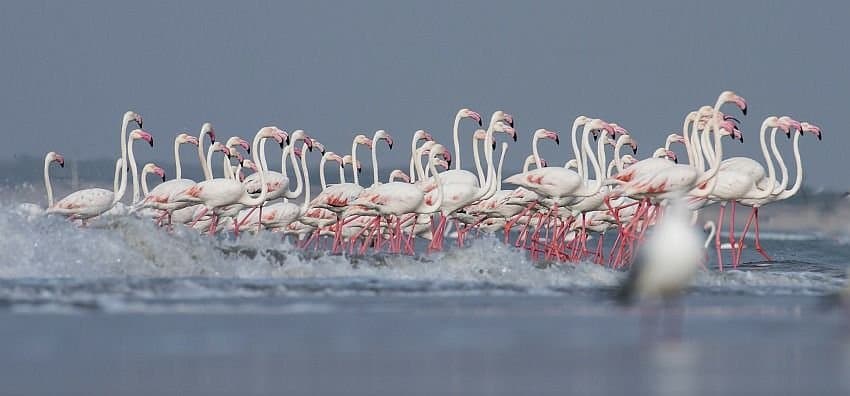
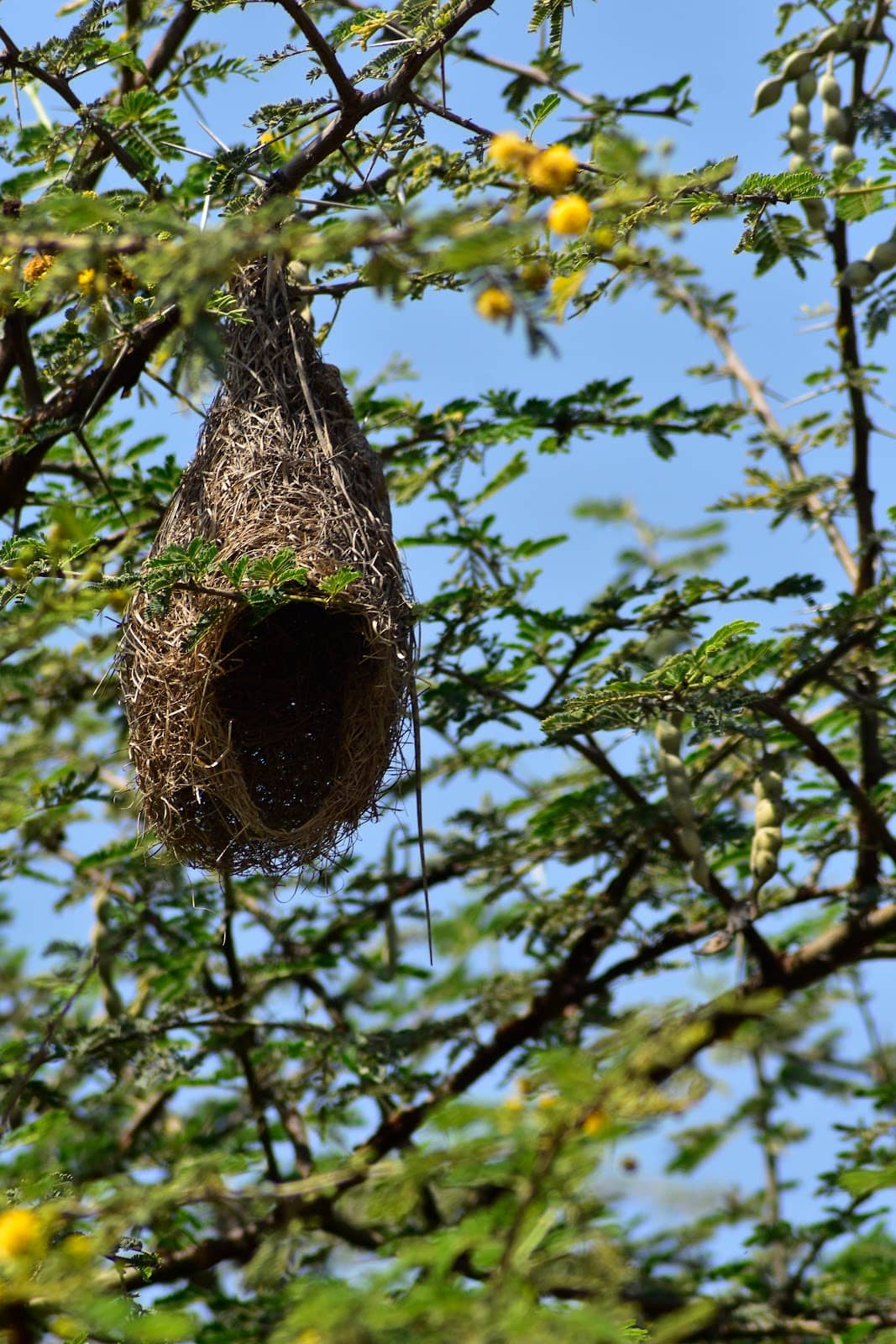
The Great Indian Bustard Sanctuary is a birdwatcher's paradise located in the Kutch district of Gujarat. It is one of the few remaining sanctuaries where the critically endangered Great Indian Bustard can still be seen. The Great Indian Bustard is one of the largest flying birds in the world, and the sanctuary provides a unique opportunity to observe these magnificent creatures in their natural habitat. The Great Indian Bustard Sanctuary is home to a variety of other bird species, including harriers, eagles, and vultures.
The best time to visit the Great Indian Bustard Sanctuary is between November and March, when the weather is cool and pleasant. During this time, the sanctuary comes alive with a variety of bird species, and the landscape is dotted with colorful flowers and lush greenery. The sanctuary is also home to a variety of mammals, including wolves, foxes, and hyenas, which can be spotted during jeep safaris. The sanctuary is also a great place for photography enthusiasts, who can capture stunning shots of the Great Indian Bustard and other bird species in their natural habitat.
Overall, the Great Indian Bustard Sanctuary is a must-visit destination for nature lovers, birdwatchers, and anyone who wants to experience the beauty and tranquility of the Kutch district.
How to get there
By Road
The Great Indian Bustard Sanctuary is well connected with major cities of Gujarat state such as Kutch (166.7 Km), Ahmedabad (462.4 Km) Rajkot (336.1 Km).
By TrainT
he nearest Railway station is Bhuj railway station, which is around (110 km).
By Air
The nearest Airport is at Bhuj Airport, which is well connected to the rest of the country by regular flights. Bhuj Airport is located at a distance of approximately (93.5 km) from Great Indian Bustard Sanctuary and it takes about 2 hour to reach."
Aathira Reji
What People Like
What People Dislike
Frequently Asked Questions
🚇 🗺️ Getting There
The sanctuary is located in Abdusa Taluka, near Naliya in Kutch. The nearest airport and railway station is Bhuj, about 93.5 km away. From Bhuj, it's approximately a 2-hour drive. Road conditions can be challenging, so hiring a local taxi or arranging transport in advance is recommended.
The sanctuary is approximately 166.7 km from Kutch city. The journey by road can take around 2-3 hours depending on road conditions.
Visitors have noted that the signboards for the sanctuary are not very visible, so keep a close watch as you approach Naliya.
While buses might go to Naliya, reaching the sanctuary itself from Naliya might require a local taxi or auto-rickshaw, as public transport directly to the sanctuary is limited.
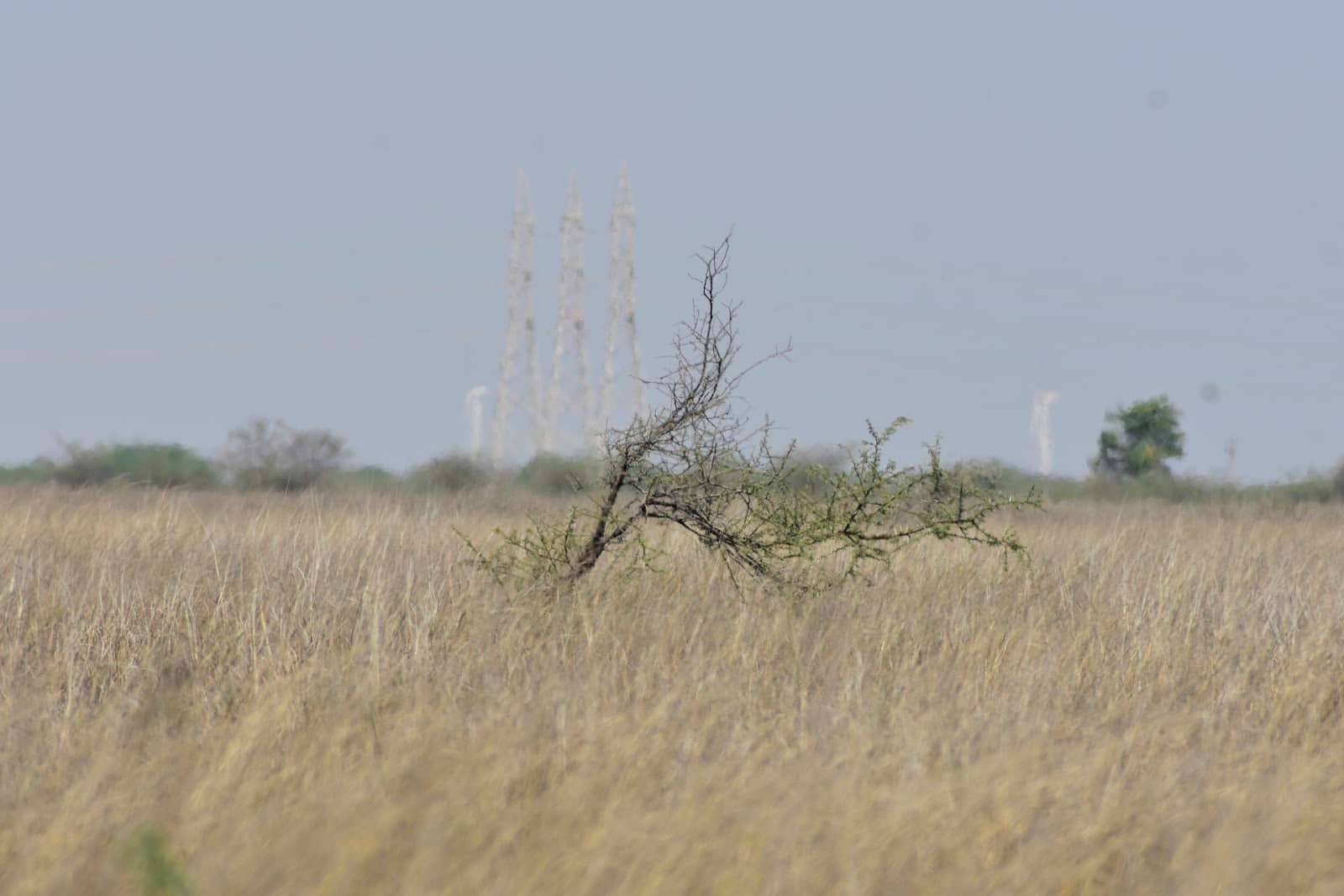
Some reviews mention 'not proper roads' and 'empty dry grassland,' suggesting that the final approach to the sanctuary might be rough.
🎫 🎫 Tickets & Entry
Information on specific ticket prices is not widely available, but entry to protected areas often involves a nominal fee. It's advisable to check with local authorities or guides upon arrival.
The sanctuary is generally accessible during daylight hours. For the best wildlife viewing, early mornings and late afternoons are recommended.
As a sanctuary for a critically endangered species, visitors are expected to adhere to conservation guidelines, such as not disturbing wildlife and staying on designated paths.
Yes, visiting during the non-peak season for migratory birds can still be rewarding, especially for capturing unique photos of the landscape and resident species.
One review mentioned 'gates are closed,' which could indicate seasonal closures or specific access restrictions. It's best to confirm current access status before your visit.
📸 📸 Photography
Absolutely! It's a birdwatcher's paradise and ideal for photography enthusiasts looking to capture the Great Indian Bustard and other avian species in their natural habitat.
Wildlife photography, particularly of birds, is the main draw. Patience is key, as spotting and photographing the elusive Great Indian Bustard can take time.
A telephoto lens is highly recommended to get clear shots of birds from a distance. A tripod can also be useful for stability during long waits.
While the grasslands are the primary habitat, exploring the nearby wetlands might offer opportunities for different bird species and photographic compositions.
Drone usage is typically restricted in wildlife sanctuaries to avoid disturbing the animals. It's best to check local regulations before considering drone photography.
ℹ️ ❓ General Information
The sanctuary's primary draw is the critically endangered Great Indian Bustard, one of the largest flying birds in the world.
Besides a variety of bird species, the sanctuary is also home to mammals like wolves, foxes, and hyenas, which can sometimes be spotted during safaris.
The sanctuary consists of semi-arid grasslands and marshy swamps, providing an ideal habitat for the Great Indian Bustard and other wildlife.
Facilities are generally minimal. It's recommended to carry your own water, snacks, and any other necessities as there are no shops within or near the sanctuary.
It's one of the few remaining strongholds for the Great Indian Bustard, making it a crucial conservation area. It's also the second-largest home ground for the species in India.

Social
from TikTok, Instagram & Reddit