
Ajrakhpur Block Printing Village
A heritage village in Kutch, Gujarat, renowned for the ancient art of Ajrakh block printing using natural dyes and traditional techniques.
Highlights
Must-see attractions

Social
From TikTok & Reddit
Best Time
See artisans at work
Ajrakhpur Block Printing Village
Best Time
See artisans at work
Highlights
Must-see attractions
A heritage village in Kutch, Gujarat, renowned for the ancient art of Ajrakh block printing using natural dyes and traditional techniques.
"Very interesting place and well suited for tourists, showing the actual technique in action."

Ask About Natural Dyes
Inquire about the natural dyes used; many artisans can explain the difference between plant-based and synthetic colors. :dye:
Support Local Artisans
Purchase directly from workshops to support the craft and ensure fair compensation for the artisans. :shopping_bags:
Highlights
Discover the most iconic attractions and experiences
Live Block Printing Demonstration
Artisan Workshops
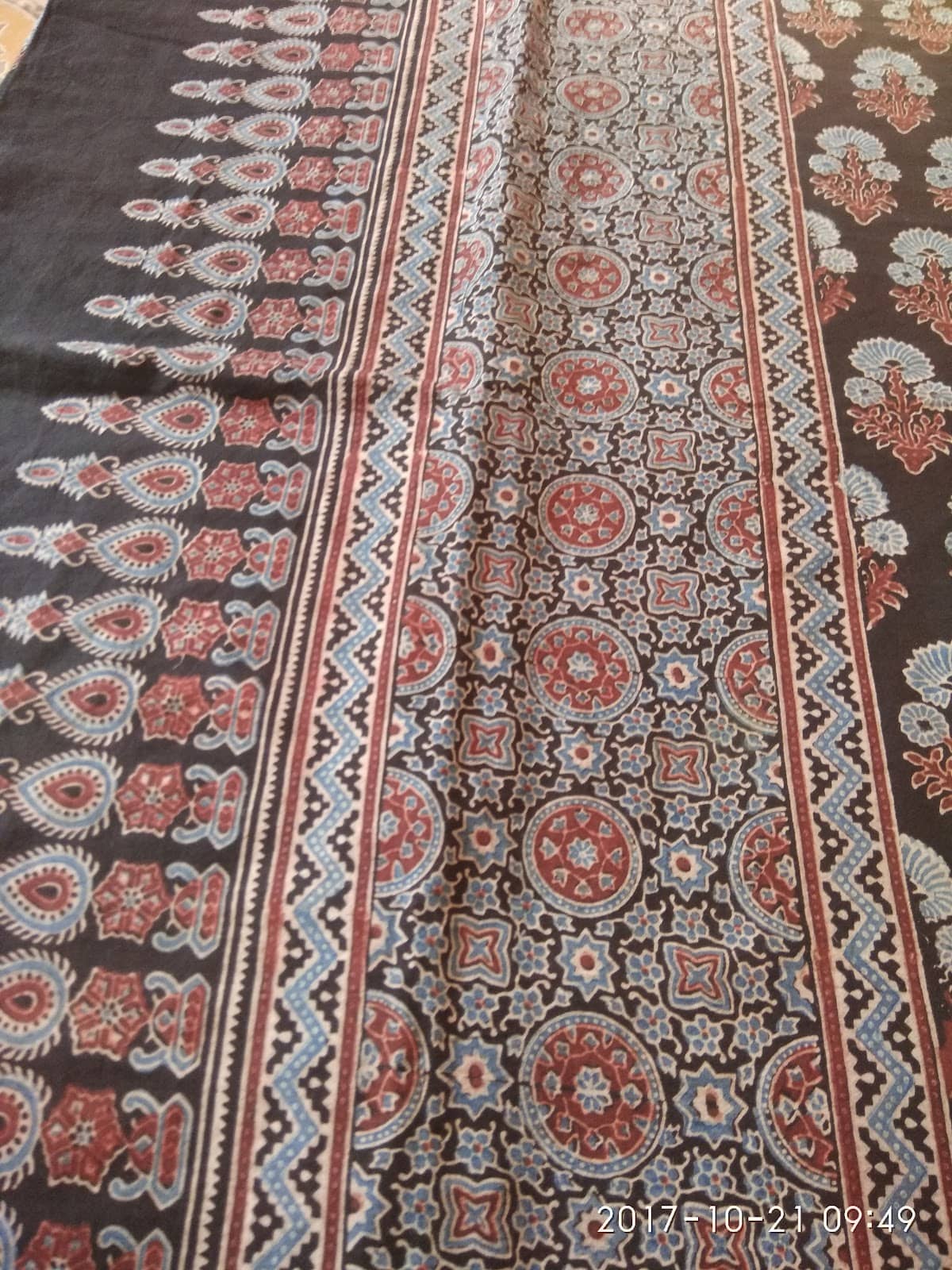
Witness the intricate process of hand block printing using natural dyes. See artisans at work, creating vibrant patterns on fabric.
Generational Artisan Stories
Artisan Homes/Workshops
Hear firsthand accounts from families who have practiced Ajrakh printing for centuries. Learn about the history and cultural significance.
Natural Dye Vats
Workshops
See the large vats used for natural indigo and other plant-based dyes, a testament to the sustainable practices of Ajrakh printing.
Exquisite Handcrafted Textiles
Workshop Stores
Browse and purchase unique sarees, dupattas, and fabrics directly from the artisans, featuring intricate Ajrakh designs.
Plans like a pro.
Thinks like you
Planning Your Visit
Timing Your Visit for Authenticity
Understanding the Craft & Supporting Artisans
Best Times
Insider Tips
from TikTok, Instagram & Reddit
Ask About Natural Dyes
Inquire about the natural dyes used; many artisans can explain the difference between plant-based and synthetic colors. :dye:
Support Local Artisans
Purchase directly from workshops to support the craft and ensure fair compensation for the artisans. :shopping_bags:
Understand the Process
Ask artisans to demonstrate the difference between hand block and screen printing for a deeper appreciation. :scroll:
Be Patient During Lunch
Some workshops may close for lunch. Plan your visit accordingly or be prepared for a short wait. :clock1:
Tips
from all over the internet
Ask About Natural Dyes
Inquire about the natural dyes used; many artisans can explain the difference between plant-based and synthetic colors. :dye:
Support Local Artisans
Purchase directly from workshops to support the craft and ensure fair compensation for the artisans. :shopping_bags:
Understand the Process
Ask artisans to demonstrate the difference between hand block and screen printing for a deeper appreciation. :scroll:
Be Patient During Lunch
Some workshops may close for lunch. Plan your visit accordingly or be prepared for a short wait. :clock1:
Engage with the Community
The village is named after the craft, with many families involved. Connect with them to learn about their heritage. :peopleholdinghands:
What Travellers Say
Reviews Summary
Visitors find Ajrakhpur to be a very interesting and well-suited destination for tourists, offering a glimpse into the generational art of Ajrakh block printing. The live demonstrations and the opportunity to purchase authentic textiles are highly praised. However, some visitors have experienced issues with workshop closures during lunchtime, leading to disappointment.
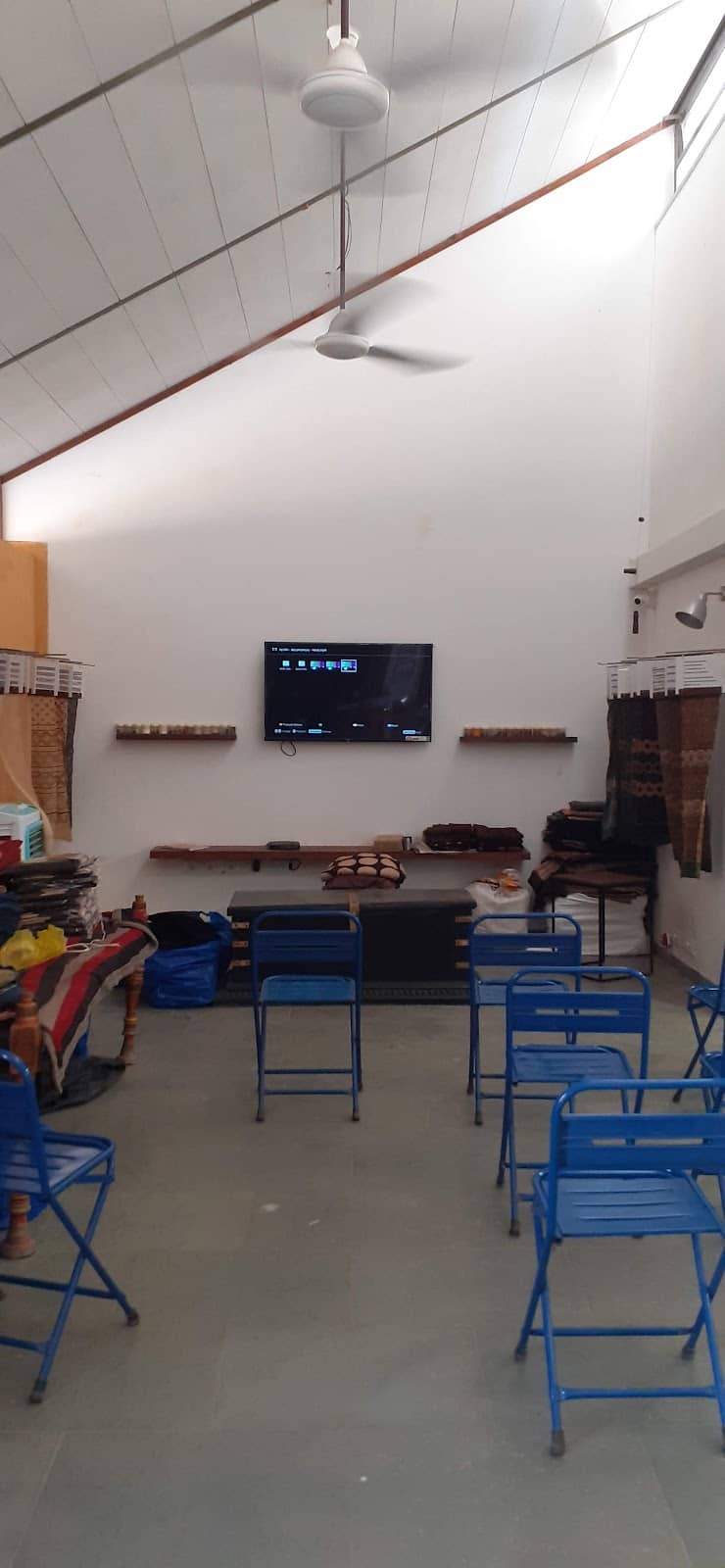
"Very interesting place and well suited for tourists. They show a video with English subtitles about the history of the Jarakh blockprinting an art that has been in the family for generations. One can see the actual technique in action and buy some lovely pieces in the store."
Vera Sanda
"Amezing printing ajrakh hand block print NACHRUL dye colour process...
Hi is told me (Fack and real organic Differences) (hand block print and screen printing differences) products saree's, duppta, fabric also available in work shop
Live Damo in work Shop..
Thank you so much my help... Ashraf Khatri"
The Trend Of Ajrakh
"Mentions on Google i it’s open 9.00-18.00 but at lunchtime no one is there when I arrive with a busload of tourists! Not amused! And sad at the same time as I was looking forward to this visit."
Vera Sanda
What People Like
What People Dislike
Frequently Asked Questions
🚇 🗺️ Getting There
Ajrakhpur is conveniently located about 15 kilometers from Bhuj. You can hire a taxi or auto-rickshaw from Bhuj to reach the village. Many visitors also arrange for transport as part of a Kutch tour.
Within Ajrakhpur, walking is the best way to explore the workshops. For travel to and from Bhuj, pre-arranged taxis or auto-rickshaws are recommended.
Absolutely! Ajrakhpur is a perfect destination for a day trip from Bhuj. You can easily spend a few hours exploring the workshops and learning about the craft.
While direct public buses might be limited, you can take a local bus towards Bhuj and then hire a more local transport like an auto-rickshaw for the final stretch to Ajrakhpur.
For groups, hiring a larger vehicle or a mini-bus from Bhuj is the most efficient and comfortable option. This allows everyone to travel together and on their own schedule.
🎫 🎫 Tickets & Entry
There are no entry tickets required to visit Ajrakhpur village itself. You can freely explore and interact with the artisans.
Most workshops operate during daylight hours, typically from 9:00 AM to 6:00 PM. However, it's advisable to confirm timings, as some may close for lunch.
While demonstrations are often free, it's customary to show appreciation by purchasing a product or offering a small tip if you've had an extended, personalized experience.
Yes, purchasing directly from the artisans is highly encouraged. You'll find a wide variety of sarees, dupattas, and fabrics available for sale in their workshops.
While some artisans may accept digital payments, it's best to carry sufficient cash, especially for smaller purchases, as internet connectivity can be unreliable.
🎫 🎨 Onsite Experience
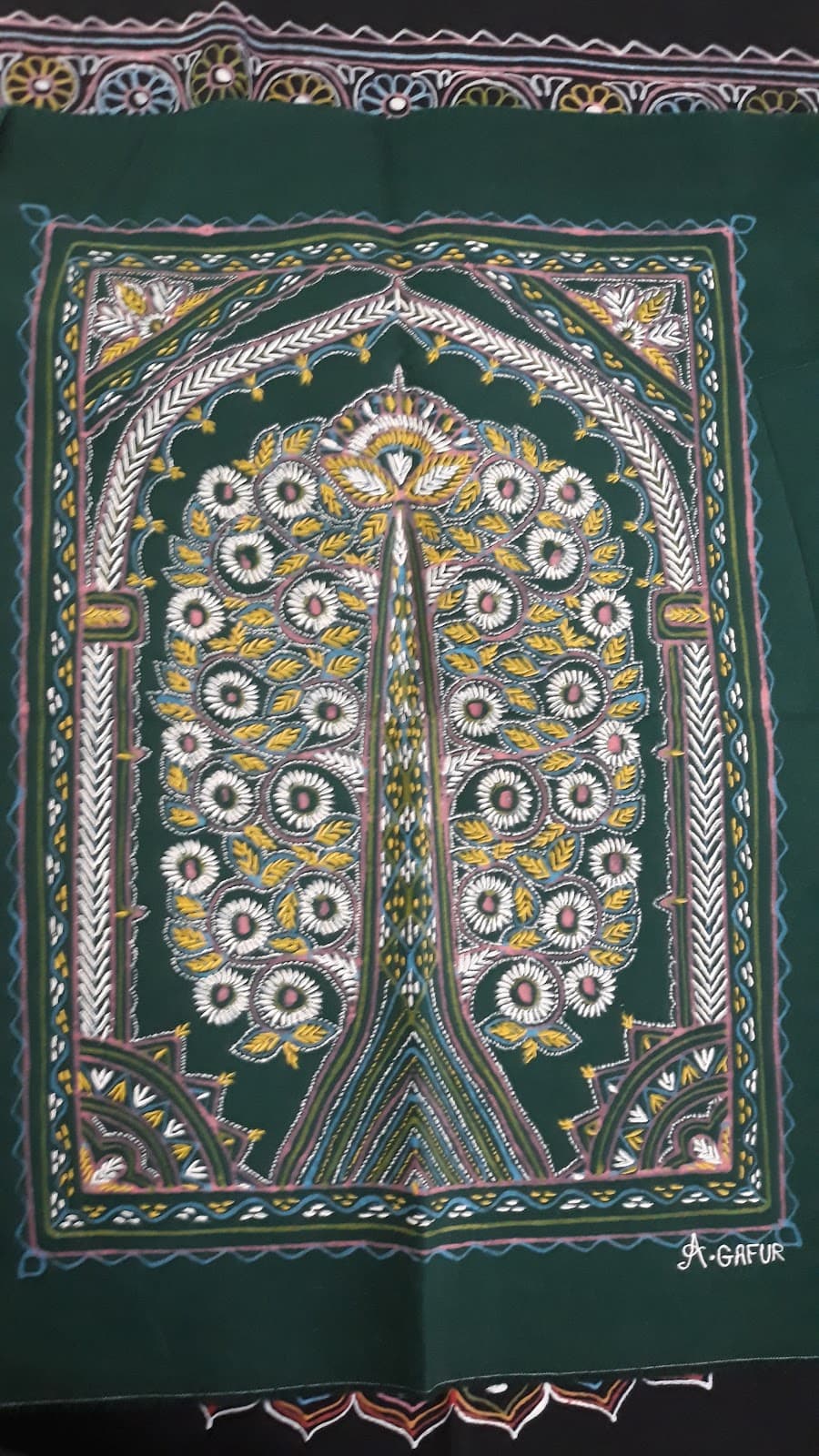
Ajrakh printing is a traditional form of textile block-printing using hand-carved wooden blocks and natural dyes. It's known for its intricate geometric and floral patterns, often in deep reds, blues, and blacks. 
The main attractions are the artisan workshops where you can witness live block printing demonstrations, learn about the process, and purchase authentic Ajrakh textiles.
While some workshops might offer a brief hands-on experience for a fee, the primary focus is on observing the skilled artisans. It's best to inquire directly with them.
You can find a variety of products including sarees, dupattas, stoles, yardage fabric, bedspreads, and home decor items, all featuring the distinctive Ajrakh prints.
A visit of 2-3 hours is usually sufficient to see a few workshops, witness demonstrations, and make purchases. If you're deeply interested in textiles, you could extend your stay.
🍽️ 🍽️ Food & Dining
Ajrakhpur is primarily a craft village, and dedicated restaurants are scarce. You might find small local eateries offering basic snacks or meals.
For a wider range of dining options, it's best to head back to Bhuj, where you'll find various restaurants serving Gujarati and other cuisines.
Yes, bringing your own snacks and water is a good idea, especially if you plan to spend a significant amount of time exploring the workshops.
While Ajrakhpur itself is focused on textiles, the broader Kutch region is known for its flavorful Gujarati cuisine, including dishes like dhokla, thepla, and various lentil preparations.
It's always recommended to drink bottled water or water that has been purified, as tap water quality can vary.
📸 📸 Photography
Photography is generally allowed, but it's always polite to ask for permission from the artisans before taking close-up shots of them or their work.
Focus on the intricate block patterns, the vibrant natural dyes, the artisans' hands at work, the wooden blocks, and the overall atmosphere of the workshops.
Morning light is often ideal for photography, providing soft, diffused light that highlights the textures and colors of the textiles.
For commercial photography or videography, it's essential to seek prior permission from the artisans or any local craft organizations.
A versatile lens (like a 24-70mm) is useful for capturing both wider workshop scenes and detailed shots. A prime lens can also be great for portraits of artisans.
For Different Travelers
Tailored advice for your travel style
👨👩👧 Families with Kids
Keep in mind that workshops can be busy, so supervise children closely. Bringing snacks and water is advisable, as dining options are limited. The hands-on aspect of seeing blocks being pressed into fabric can be particularly engaging for younger visitors.
🛍️ Shoppers & Textile Enthusiasts
Be prepared to spend time browsing through different workshops to compare designs and quality. Understanding the difference between various types of Ajrakh prints and the natural dyes used will enhance your shopping experience. Don't hesitate to ask artisans about the origin of their dyes and the meaning behind certain patterns.
🌍 Cultural Explorers
+1Beyond the craft itself, the village setting offers a glimpse into rural life in Gujarat. The dedication of the artisans to preserving their ancestral art is inspiring and offers a profound cultural experience that goes beyond mere sightseeing.
Deep Dives
In-depth insights and expert knowledge
The Art of Ajrakh Block Printing
+2The process involves multiple stages of dyeing and printing, often using a resist technique. Artisans carefully apply mud paste or other resists to protect certain areas of the fabric before dyeing. Natural dyes, derived from sources like indigo, madder root, pomegranate, and turmeric, are used to create a rich palette of colors. The use of these natural resources makes Ajrakh prints not only beautiful but also environmentally conscious.
+1Today, Ajrakhpur is home to numerous families who continue this legacy, with many artisans learning the craft from their fathers and grandfathers. The village has become a hub for this traditional art, attracting designers and buyers seeking authentic, handcrafted textiles. Supporting these artisans directly ensures the preservation of this invaluable cultural heritage.
+2Supporting Artisans and Sustainable Fashion
+1Many creators and ethical fashion advocates highlight Ajrakhpur as a prime example of slow fashion. The use of natural dyes and traditional techniques minimizes environmental impact, making these textiles a sustainable choice. By buying directly from the source, you cut out intermediaries, ensuring that a larger portion of the price goes to the artisans themselves. This direct connection fosters transparency and builds relationships between consumers and creators.
+1When you visit, take the time to learn about the process and the stories behind the designs. This deeper understanding enhances your appreciation for the craft and empowers you to make more informed purchasing decisions. Supporting Ajrakhpur artisans contributes to the economic well-being of the community and helps preserve a vital part of India's rich textile heritage for future generations.
+1
Social
from TikTok, Instagram & Reddit