Bharatiya Sanskruti Darshan Museum
A cultural hub showcasing Kutch's vibrant folk arts, crafts, textiles, and rural architecture with over 4500 exhibits.
Highlights
Must-see attractions

Social
From TikTok & Reddit
Best Time
Fewer crowds, peaceful viewing
Bharatiya Sanskruti Darshan Museum
Best Time
Fewer crowds, peaceful viewing
Highlights
Must-see attractions
A cultural hub showcasing Kutch's vibrant folk arts, crafts, textiles, and rural architecture with over 4500 exhibits.
"A modest but worthwhile stop to glimpse the rich artistic heritage of Kutch."
🎯 Navigate with 'Kacheri'
Maps can be tricky; aim for 'Kacheri' (near Collectorate) for accurate directions. :world_map:
🅿️ Street Parking Available
Limited parking on-site; street parking is usually available. 🅿️
Quick Facts
Hours
Rating
4.1 · 319 reviews
Type
Museum
Highlights
Discover the most iconic attractions and experiences
Kutch Textiles & Crafts
Dedicated room
Explore vibrant Kutch textiles, intricate embroidery, and beadwork that showcase the region's rich artistic heritage.
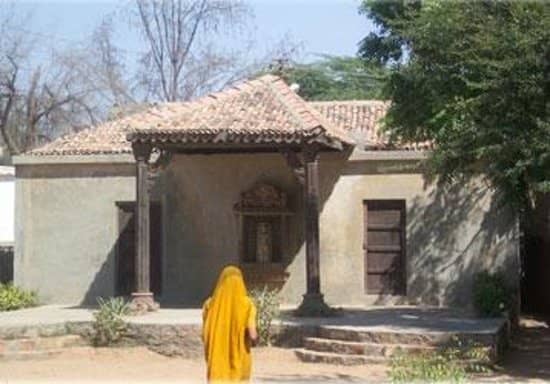
Rural Architecture Replica
Opposite gate
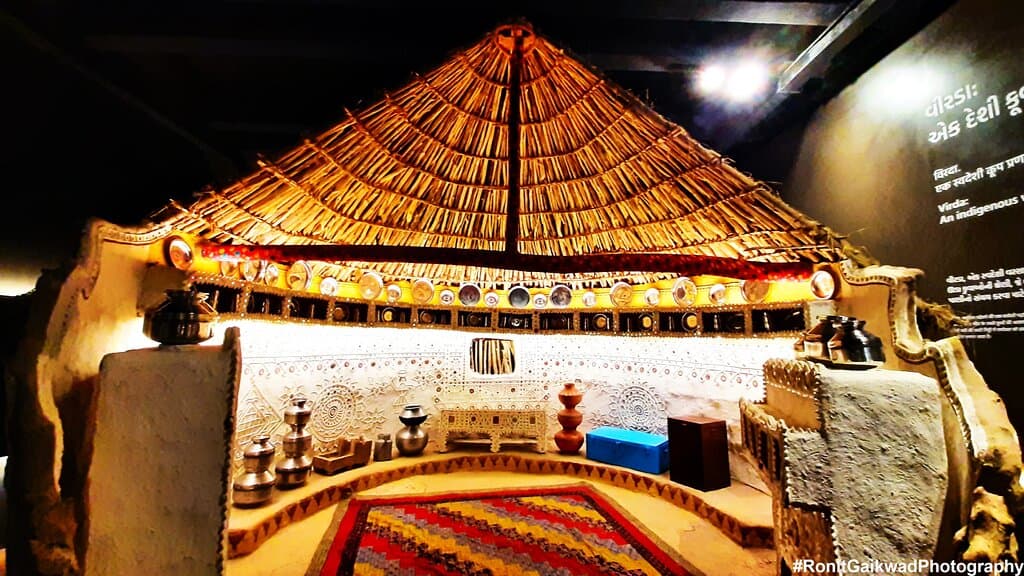
See a replica of a traditional Kutch hut and other rural structures, offering a glimpse into village life.
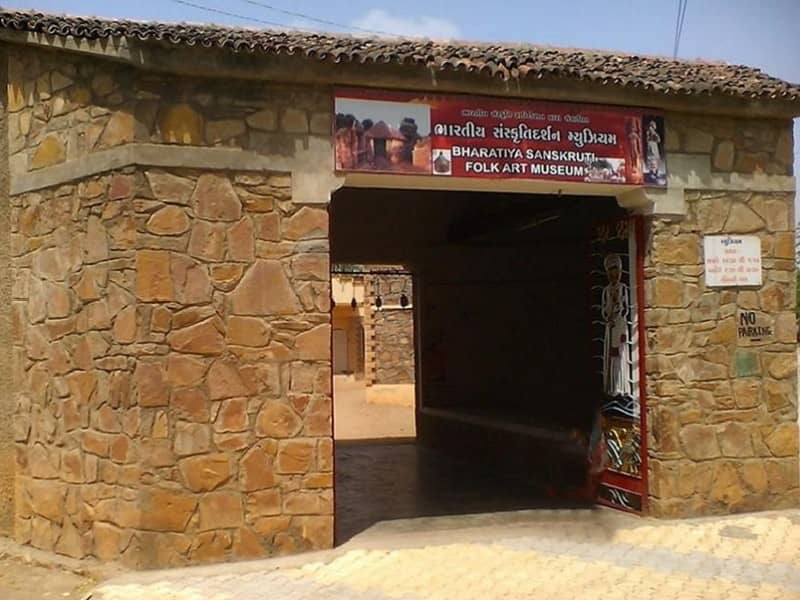
Anthropology & Artifacts
Main sections
Discover ancient artifacts, weapons, musical instruments, and items reflecting the lifestyle of nomadic tribes.
Sahitya Chitra (Literary Works)
Dedicated section
Browse a collection of rare books and literary works related to Kutch, a treasure for book lovers.
Plans like a pro.
Thinks like you
Planning Your Visit
Timing is Key for a Better Visit
Navigating to the Museum
Best Times
Insider Tips
from TikTok, Instagram & Reddit
🎯 Navigate with 'Kacheri'
Maps can be tricky; aim for 'Kacheri' (near Collectorate) for accurate directions. :world_map:
🅿️ Street Parking Available
Limited parking on-site; street parking is usually available. 🅿️
💰 Affordable Entry Fee
Entry is reasonably priced at Rs. 30, with extra charges for photography. :moneywithwings:
📸 Photography Charges Apply
Be aware that there's an additional fee if you plan to take photos inside. :camerawithflash:
Tips
from all over the internet
🎯 Navigate with 'Kacheri'
Maps can be tricky; aim for 'Kacheri' (near Collectorate) for accurate directions. :world_map:
🅿️ Street Parking Available
Limited parking on-site; street parking is usually available. 🅿️
💰 Affordable Entry Fee
Entry is reasonably priced at Rs. 30, with extra charges for photography. :moneywithwings:
📸 Photography Charges Apply
Be aware that there's an additional fee if you plan to take photos inside. :camerawithflash:
💳 UPI Payments Accepted
Conveniently pay your entry fee using UPI. 💳
⏳ Quick Visit Recommended
Plan for a short visit, around 30 minutes to an hour, to see the main exhibits. :stopwatch:
What Travellers Say
Reviews Summary
Visitors find the Bharatiya Sanskruti Darshan Museum to be a modest showcase of Kutch's folk arts and crafts, particularly appreciating the textile displays and rural architecture replicas. However, some feel the museum has untapped potential and could benefit from more extensive exhibits and better organization. It's often seen as a quick, affordable cultural stop in Bhuj.
"The name suggests that it could be a showcase of Indian culture but it turned out to be a disappointment for me.
There is place, there are rooms, there is so much room to do much more.
But just the basic photos, some artifacts and some randomly made things are kept here.
1 room where cloth/print of kutch is kept is the relatively best thing although more than museum, it's just another place for you to take a photo
There are 2 gates, 1 in which you see afew things, and other gate on opposite side where there is hut and other things made there.
The maps may take you to a wrong place so you may want to put Kacheri in map. This is close to kacheri.
There is limited parking in the premise and hence you may park your vehicles on road outside."
Taral Shah
"At a distance of 5 km from Bhuj Railway Station, Bharatiya Sanskruti Museum is a cultural center as well as a museum located along the College Road in Bhuj city of Gujarat. Also known as Folk Museum, it is one of the top cultural centers of Gujarat and among the must visit places in Bhuj.
Bharatiya Sanskruti Darshan Museum was established by Ramsinhji Rathod, a scholar of the folk art of Kutch, around sixty years back. It functions as both a museum and cultural center to showcase unique and rare pieces of crafts and folk arts of the Kutch region. Many specimens of the art and craft belong to the remote regions of Kutch District are exhibited in the museum. These artworks have been collected by forest service officials while travelling around the district.
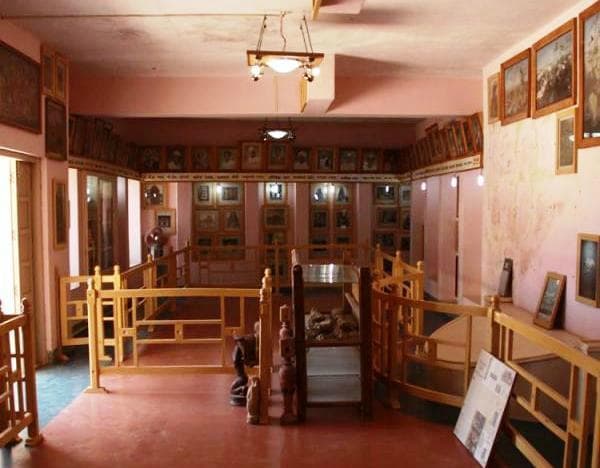
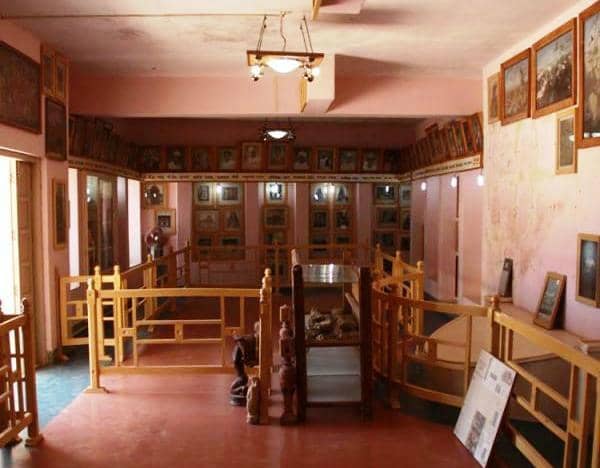
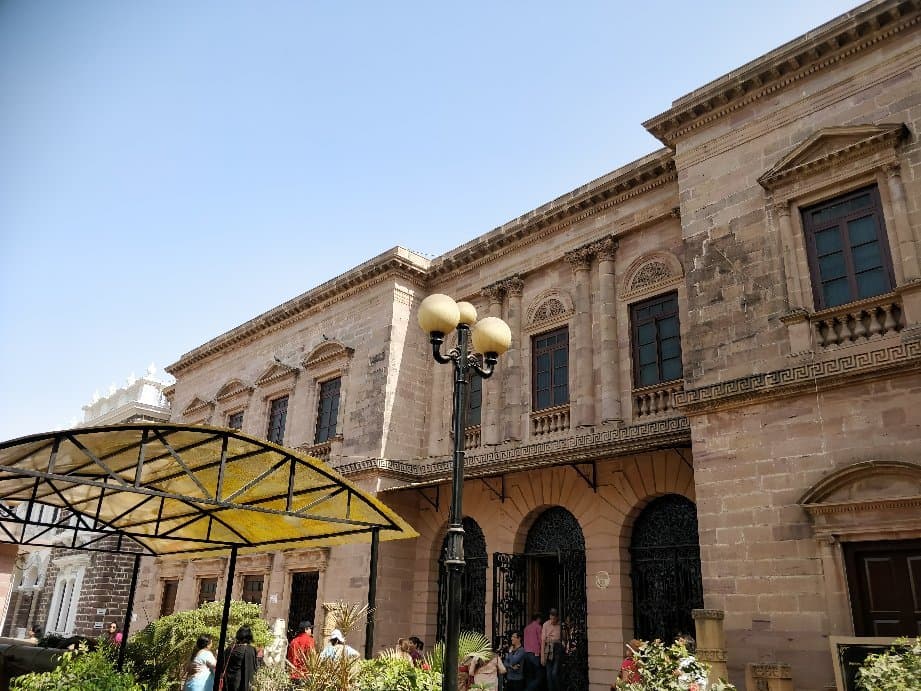
The museum has been designed in the form of a hut with a huge stone door adorned with beautiful rock carvings. There are five major sections in the museum in including Anthropology section, Sahitya Chitra, Artifacts Section etc. At present, Bharatiya Sanskruti Darshan Museum houses more than 4500 exhibits collected from different villages and rural areas of the region.
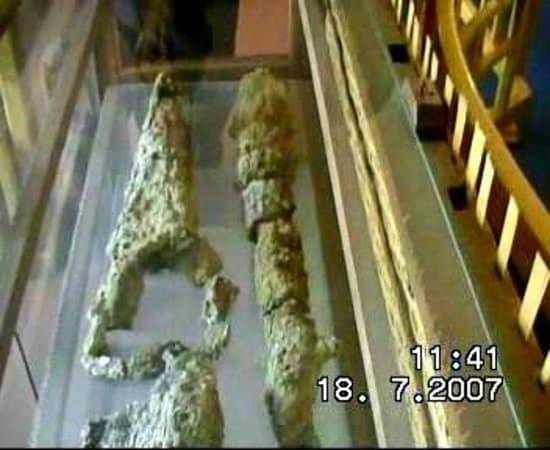
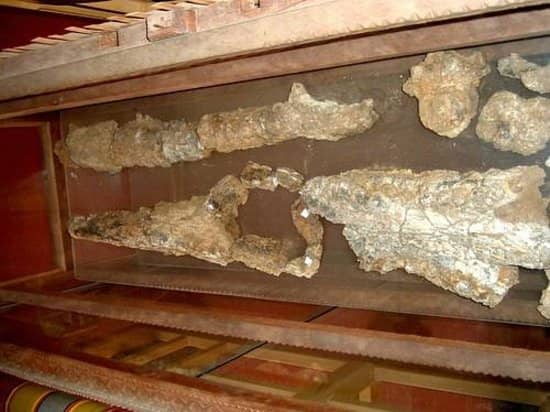
The Sahitya Chitra dedicated to Indian literary work of Kutch, comprising of around 1500 rare books. Sections showing leather embroidery work, bead work, weapons and musical instruments are also worth exploring. In addition, there are sections exhibiting collections of wood work, stone carvings, paintings, silver work and terracotta. Kothala, a type of treasury used to keep valuables in the ancient times, is another highlight of the museum.
Bharatiya Sanskriti Darshan Museum is a cultural centre and museum located on College Road in Bhuj, Gujarat. Also known as the Folk Museum, it is one of Gujarat's main cultural centres and a must-see place to visit in Bhuj.
The precious objects were collected by a government servant who visited most regions while on duty. The main aim of keeping all the objects together was to create awareness for the general public.
The shape of the museum is like a cottage. It has a league stone at the entryway, along with a beautiful carving of rock. The museum has five main sections: Anthropology, Artefacts and Sahitya Chitra. The Bharatiya Sanskriti Darshan Museum has 4500 objects collected from many villages in Gujarat.
The museum also has local traditional objects for the showcase. It includes Rabari Bhungas, wood, stone carvings and musical instruments. The vintage Kutch textiles are quite interesting, especially if you haven't been to the Calico Museum in Ahmedabad.
Collection of Bharatiya Sanskriti Darshan Museum
Ramsinhji Rathod, a specialist in Kutch traditional art, built the Bharatiya Sanskriti Darshan Museum approximately sixty years ago. It is a museum as well as a cultural centre. It shows the unique and rare crafts and folk arts of Kutch. During the tour of the district, the forest service officials collected the artwork.
The Sahitya Chitra is in honour of an Indian literary work from Kutch and has over 1500 rare volumes. Sections including leather stitching, beadwork, firearms, and musical instruments are all worth studying.
There are further separate sections of collections of woodwork, stone carvings, paintings, silverwork, and terracotta. The other main attraction of the museum is Kothala. It is a treasury used to store ancient objects."
Hitendra Vankani
"Rare painting form being preserved / restored here. Joshi family is engaged in maintaining the museum. Rs.30 entry fee. Photography charge extra. Rare books on Kutch available. UPI accepted. Parking on the street."
Karmic “ॐ” Vagabond
What People Like
What People Dislike
Frequently Asked Questions
🚇 🗺️ Getting There
The museum is located about 5 km from Bhuj Railway Station. You can take a taxi or an auto-rickshaw. Some visitors suggest using 'Kacheri' (near the Collectorate) as a navigation point, as maps can sometimes be inaccurate.
Parking at the Bharatiya Sanskruti Darshan Museum is limited. Visitors often find it necessary to park their vehicles on the road outside the premises.
If you're driving, use 'Kacheri' or the Collectorate as your destination on your GPS, as this is a reliable landmark close to the museum. Be prepared for street parking.
While not directly on a major bus route, auto-rickshaws and taxis are readily available in Bhuj and can easily take you to the museum from the railway station or other parts of the city.
The museum is located near the Kacheri (Collectorate) and on College Road in Bhuj. These can serve as good reference points for navigation.
🎫 🎫 Tickets & Entry
The entry fee for the Bharatiya Sanskruti Darshan Museum is Rs. 30 per person. This is a very reasonable price for the cultural insights offered.
Yes, there are additional charges if you wish to take photographs inside the museum. It's advisable to inquire about the exact rates upon arrival.
Currently, there is no information available about online ticket booking. Tickets are typically purchased at the counter upon arrival at the museum.
The museum's operating hours are generally from morning to evening, but it's always a good idea to confirm the exact timings before your visit, as they can sometimes vary.
Yes, UPI payments are accepted at the museum for entry fees, making transactions convenient for visitors.
🎫 🏛️ Onsite Experience
The museum showcases a diverse collection including Kutch textiles, embroidery, beadwork, rural architecture replicas, ancient artifacts, weapons, musical instruments, and rare books on Kutch literature.
Yes, the museum can be interesting for young children, especially the displays of traditional clothing, nomadic tribe statues, and rural architecture. It offers a visual introduction to Kutch culture.
Most visitors find that a visit of about 30 minutes to an hour is sufficient to see the main exhibits. It's a relatively compact museum.
While the museum houses valuable artifacts, some reviews suggest it has potential for further development and enhancement of exhibits. The Joshi family is involved in its maintenance.
The museum primarily focuses on static displays of artifacts and crafts. While not highly interactive, the visual presentation of Kutch culture is engaging.
🍽️ 🍽️ Food & Dining
There are no specific food or dining facilities mentioned within the Bharatiya Sanskruti Darshan Museum itself. You'll need to explore nearby eateries in Bhuj for meals or snacks.
It's generally advisable to consume outside food and drinks before entering the museum to maintain the cleanliness and preservation of the exhibits.
In Bhuj, you can try traditional Gujarati thalis, local snacks like 'Fafda-Jalebi', and various vegetarian dishes that are characteristic of the region's culinary heritage.
📸 📸 Photography
Photography is allowed inside the Bharatiya Sanskruti Darshan Museum, but there is an additional charge for it. Be sure to check the current rates at the ticket counter.
The Kutch textile room, the replica of the Kutch hut, and displays of traditional ornaments and instruments are popular for photography. The unique architecture of the museum entrance is also photogenic.
While photography is permitted with a fee, it's always good practice to be respectful of other visitors and the artifacts. Avoid using flash if it might damage the exhibits.
Drone photography is generally not permitted at cultural sites like museums due to privacy and safety regulations. It's best to avoid bringing drones.

Social
from TikTok, Instagram & Reddit