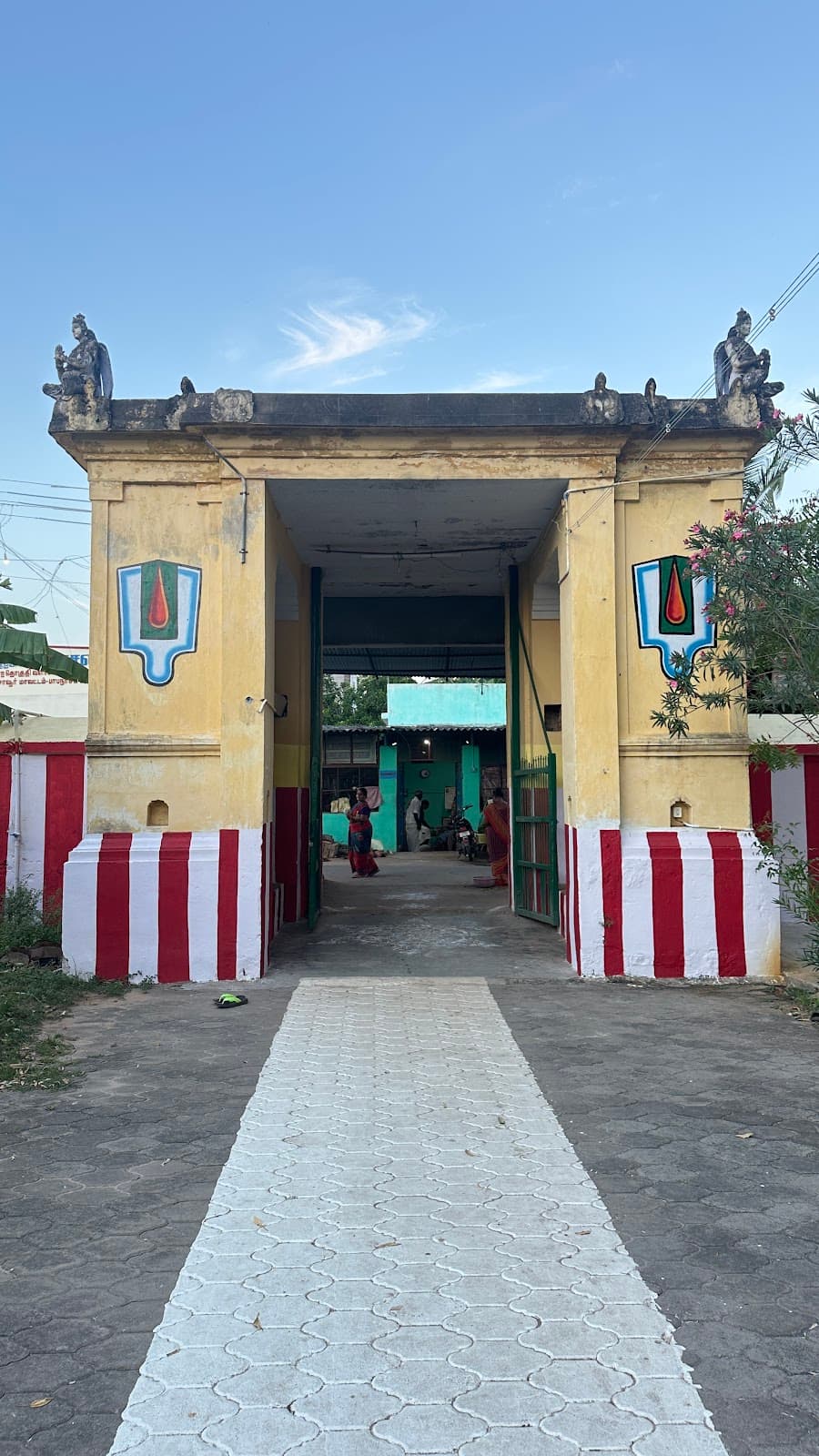
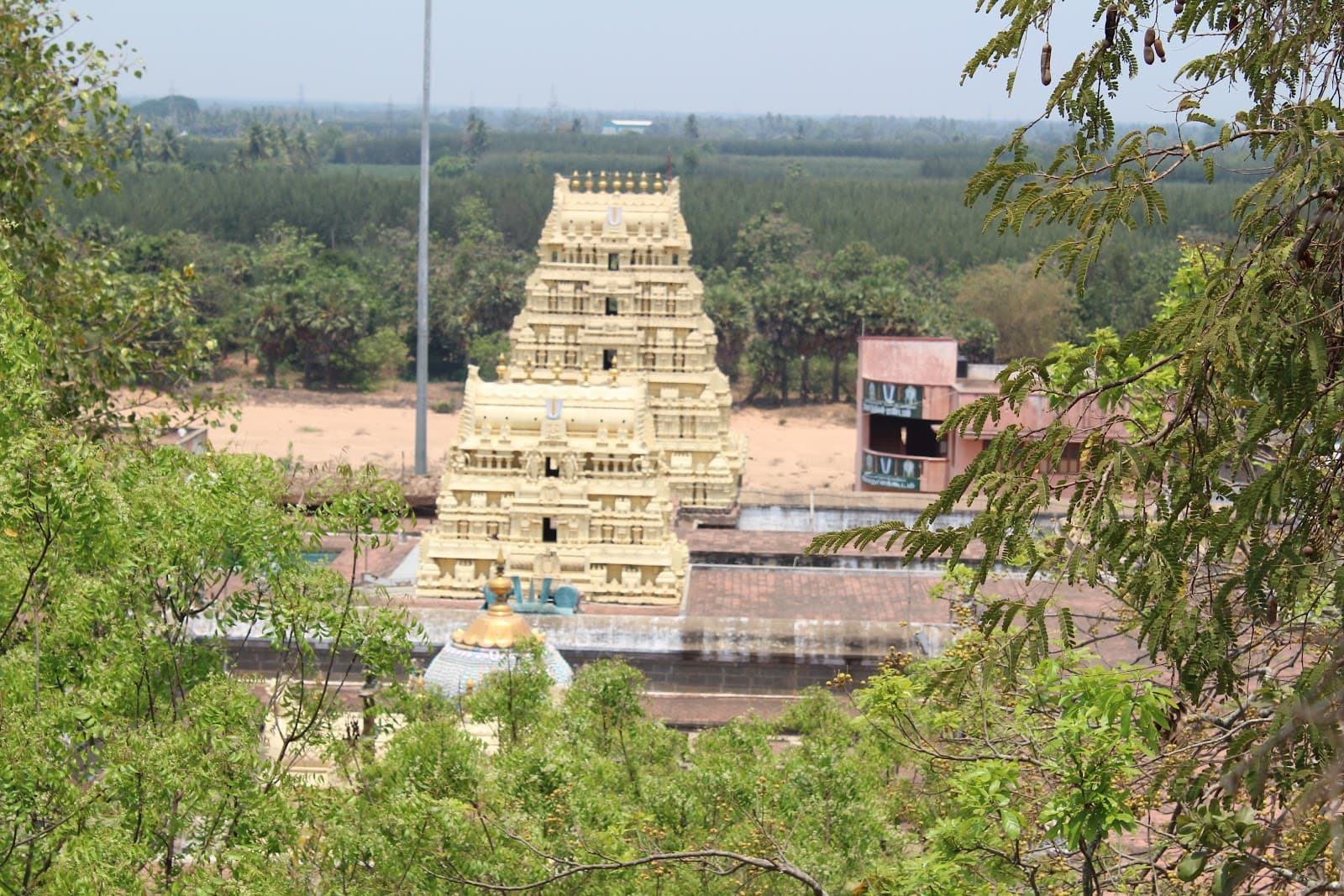
Gajendra Varadaraja Temple Kabisthalam
A Divya Desam temple renowned for Gajendra Moksham, offering a serene spiritual experience and relief from Rahu-Ketu doshas.
Highlights
Must-see attractions

Social
From TikTok & Reddit
Best Time
Peaceful darshan, minimal crowds
Gajendra Varadaraja Temple Kabisthalam
Best Time
Peaceful darshan, minimal crowds
Highlights
Must-see attractions
A Divya Desam temple renowned for Gajendra Moksham, offering a serene spiritual experience and relief from Rahu-Ketu doshas.
"A must-visit Divya Desam with a stunning divine experience and no waiting time."
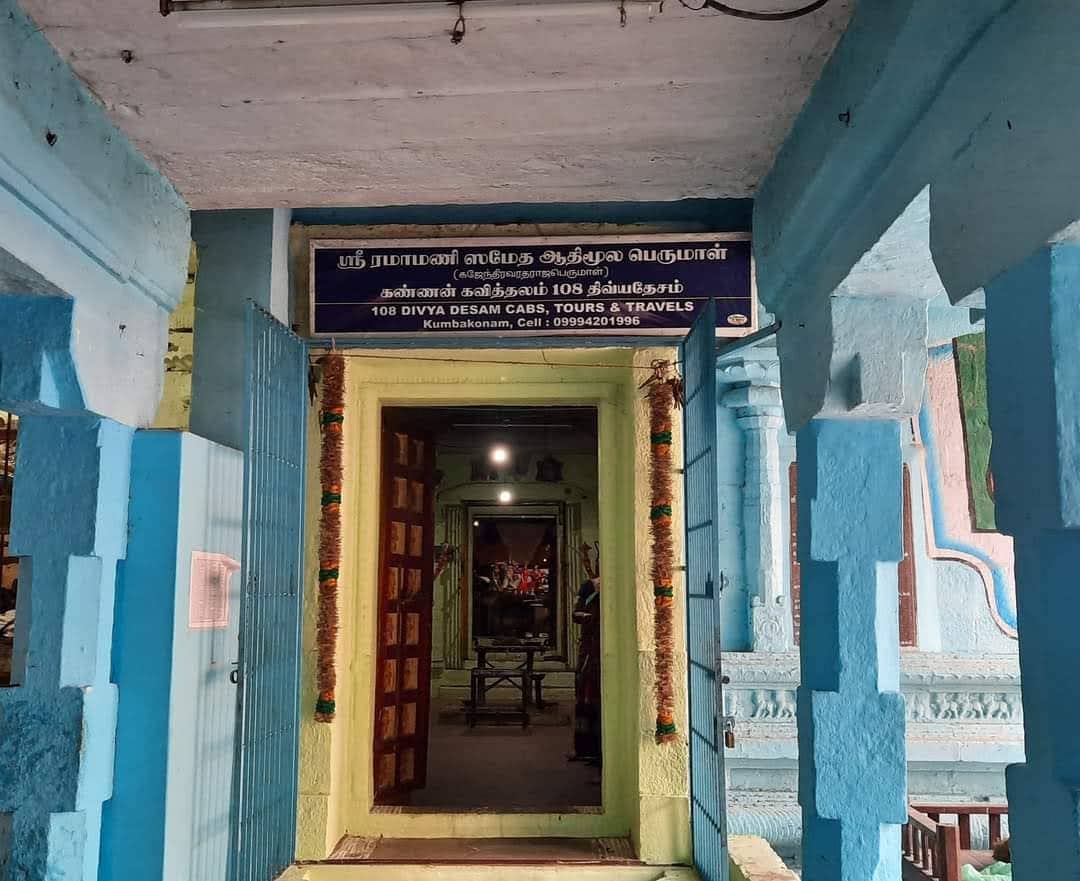
🚗 Easy Access & Parking
Temple is close to the main road with parking available outside. Hassle-free arrival! 🚗
🙏 No Waiting Time
Experience a divine darshan without long queues. Perfect for a quick, peaceful visit. 🙏
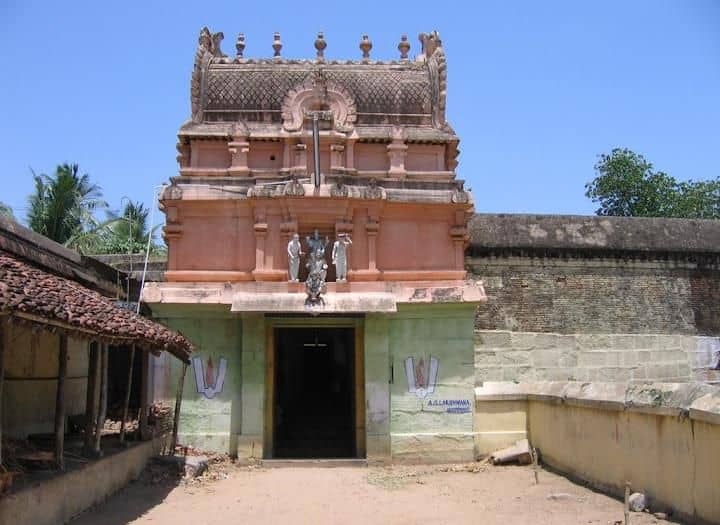
Quick Facts
Hours
Rating
4.7 · 383 reviews
Type
Hindu Temple
Highlights
Discover the most iconic attractions and experiences
Gajendra Varadar Perumal
Main Sanctum
The presiding deity, Lord Vishnu, who appeared to save the elephant Gajendra. A powerful and serene presence.
Gajendra Moksham Scene
Temple Courtyard
Visual representation of the divine intervention where Lord Vishnu saved the elephant. A pivotal moment in Vaishnavism.
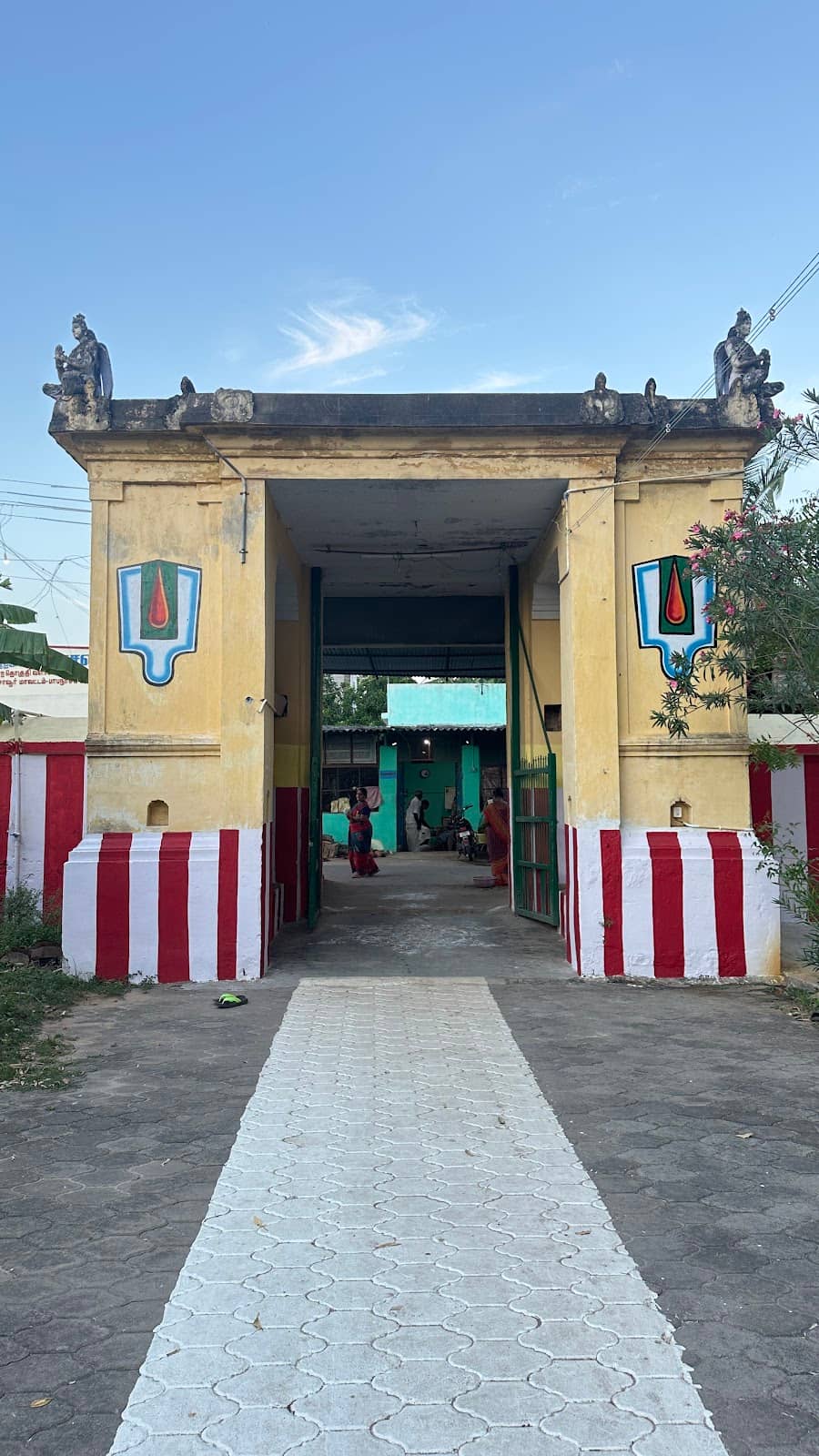
Senbhagavalli Thaayar
Thaayaar Sannidhi
The consort of Lord Gajendra Varadar, offering blessings of prosperity and well-being. A beautiful and serene shrine.
Plans like a pro.
Thinks like you
Planning Your Visit
Timing Your Visit for Serenity
Understanding the Divine Significance
Best Times
Insider Tips
from TikTok, Instagram & Reddit
🚗 Easy Access & Parking
Temple is close to the main road with parking available outside. Hassle-free arrival! 🚗
🙏 No Waiting Time
Experience a divine darshan without long queues. Perfect for a quick, peaceful visit. 🙏
🛍️ Small Pooja Shops
Find essentials for your prayers at small shops just outside the temple premises. :shopping_bags:
✨ Spiritual Cleansing
Consider a dip in Gajendra Pushkarini for spiritual purification before darshan. :droplet:
Tips
from all over the internet
🚗 Easy Access & Parking
Temple is close to the main road with parking available outside. Hassle-free arrival! 🚗
🙏 No Waiting Time
Experience a divine darshan without long queues. Perfect for a quick, peaceful visit. 🙏
🛍️ Small Pooja Shops
Find essentials for your prayers at small shops just outside the temple premises. :shopping_bags:
✨ Spiritual Cleansing
Consider a dip in Gajendra Pushkarini for spiritual purification before darshan. :droplet:
What Travellers Say
Reviews Summary
Visitors consistently praise the Gajendra Varadaraja Temple for its serene atmosphere and the absence of crowds, making for a peaceful and divine experience. The temple is well-maintained and holds significant spiritual importance as a Divya Desam, particularly for those seeking relief from astrological doshas. While dining options are limited nearby, the overall spiritual fulfillment makes it a must-visit.
"Kapisthalam Gajendra Varadaraja Perumal Temple
God: Gajendra Varadar (Adhimoola Perumal, Kannan)
Uthsavar: Senbhagavalli
Thaayaar:Ramamani Valli (Porthaamaraiyal)
Thalaviruksham: Magizhampoo
Theertham: Gajendra Pushkarini, Kapila Theertham
This is the place where the elephant called out to the God Perumaal to help him, saying “Adhimoolame”, and the God Perumal appeared with Goddess Thirumagal and destroyed the crocodile (demon) with the Chakra weapon, granting salvation to the elephant (Gajendra).
It is believed that one should worship the deity Gajendra Varadar to get rid of the evil effects of Rahu and Ketu.
The temple is believed to have been built by the Medieval Cholas of the late 9th century CE, with later contributions from Vijayanagara kings and Madurai Nayaks. A granite wall surrounds the temple, enclosing all its shrines and its bodies of water.
The temple is located in Kabisthalam, a village situated 3 km (1.9 mi) away from Papanasam and around 20 km (12 mi) away from Kumbakonam and Thanjavur, towns in the South Indian state of Tamil Nadu. The village is located in between the two rivers Kaveri and Kollidam.
The temple is revered in Nalayira Divya Prabandham, the 7th–9th century Vaishnava canon, by Tirumalisai Alvar in one hymn. The temple is classified as a Divya Desams, one of the 108 Vishnu temples that are mentioned in the book.
This temple is one of the Panchakanna (Krishnaranya) Kshetrams. Kannan refers to Krishna, the avatar of Vishnu, while pancha means five and Kshetrams refers to holy places. Four of the five temples are situated in Chola Nadu, in modern times, in the region surrounding Kumbakonam and Nagapattinam and one of them in Nadu Nadu. There are five similar temples located in North India, called Pancha-dvarakas. Krishna is not the presiding deity in any of the temples. The processional deity, Krishna, led to the derivation of the names of these places. In Kabisthalam, Kannan is referred as "reclining Lord in the river banks"."
KARPHAGAVALLI M
"A Divya Desam Perumal temple
Temple is just few metres from main road.
Temple is very well maintained."
Subramani Iyer
"One of the 108 vaishnava divya desams."
Sudha Thiruvikraman
What People Like
What People Dislike
Frequently Asked Questions
🚇 🗺️ Getting There
The temple is located in Kabisthalam, a village situated 3 km from Papanasam and about 20 km from Kumbakonam and Thanjavur in Tamil Nadu. It's easily accessible from the main road with parking available outside.
While specific bus routes might vary, the temple's proximity to towns like Kumbakonam and Thanjavur suggests that local buses and auto-rickshaws would be available from these larger centers to reach Kabisthalam.
Hiring a taxi or an auto-rickshaw from Kumbakonam is a convenient option. Alternatively, you can take a local bus towards Papanasam and alight at Kabisthalam.
The nearest major railway stations are in Kumbakonam and Thanjavur. From these stations, you would need to arrange further transport to reach the temple.
Given its location as a Divya Desam, it is likely that the temple is well-signposted from the main road and surrounding towns, guiding visitors effectively.
🎫 🎫 Tickets & Entry
Typically, entry to the main sanctum of Divya Desam temples is free. There might be charges for special poojas or specific rituals.
While specific timings can vary, Divya Desam temples usually open in the early morning and close in the late afternoon or early evening. It's advisable to check locally for the most accurate timings.
No, advance booking is generally not required for regular darshan at this temple, as it's known for having no waiting times.
As with most Hindu temples, it is customary to dress modestly. Avoid revealing clothing. Traditional Indian attire is always appreciated.
Yes, visiting during festivals can be a vibrant experience, but expect larger crowds. The temple is well-maintained and hosts various religious events.
🎫 🧭 Onsite Experience
This temple is one of the 108 Divya Desams and is famous for the event of Gajendra Moksham, where Lord Vishnu saved an elephant from a crocodile. It's believed to alleviate Rahu and Ketu doshas.
Weekdays, especially during early mornings or late afternoons, are recommended for a serene and uncrowded visit.
Small pooja shops are available outside the temple where you can purchase items for offerings. Inquire within the temple for details on performing special poojas.
Photography rules can vary. It's best to check with temple authorities or observe signage. Usually, photography is restricted in the inner sanctum.
The Thalaviruksham (sacred tree) is Magizhampoo, and the Theertham (holy water bodies) are Gajendra Pushkarini and Kapila Theertham.
🍽️ 🍽️ Food & Dining
Kabisthalam is a village, so dining options might be limited. You'll find more extensive choices in nearby towns like Papanasam, Kumbakonam, or Thanjavur.
Small eateries or tea shops might offer basic local snacks and meals. For a full South Indian meal, it's best to head to the larger towns.
While there are small pooja shops, dedicated food stalls are not commonly mentioned. It's advisable to carry snacks or plan your meals in advance.
Expect traditional South Indian vegetarian fare, including rice-based meals, idli, dosa, vada, and various curries and sambar.
Temples often offer prasad, which can be purchased or distributed. Inquire at the temple counter for availability.
📸 📸 Photography
The temple architecture, the main deity's idol, and the sculptures depicting Gajendra Moksham offer great photographic opportunities. The temple tank, Gajendra Pushkarini, can also be picturesque.
Generally, photography is prohibited inside the inner sanctum of most Hindu temples to maintain sanctity and prevent disruption. Always check for signage or ask temple staff.
Natural light will be the primary source. Early mornings and late afternoons offer softer, more flattering light. Inside the temple, lighting can be dim.
Look for the intricate carvings on the vimana (tower), the pillars, and the detailed depictions of mythological scenes, especially the Gajendra Moksham narrative.
The golden hours – shortly after sunrise and before sunset – provide the best natural light for capturing the temple's exterior and surroundings.
You may also like

Government Museum Kumbakonam

Thiruvelliyankudi Kolavilli Ramar Temple
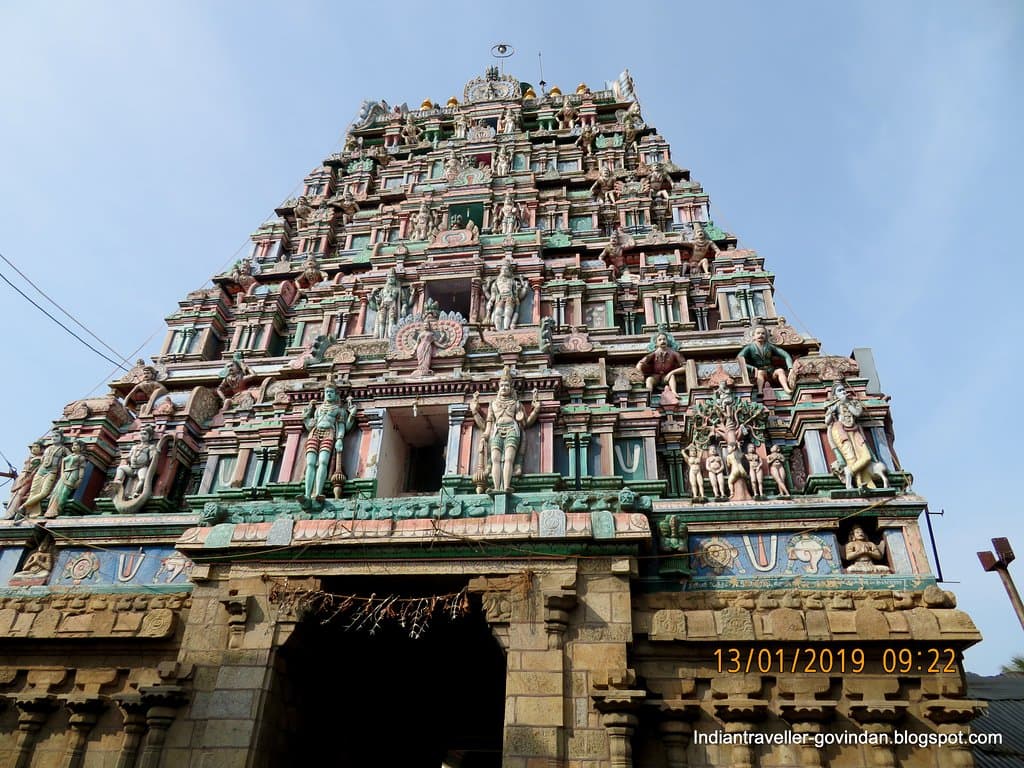
Uppiliappan Temple Thirunageswaram
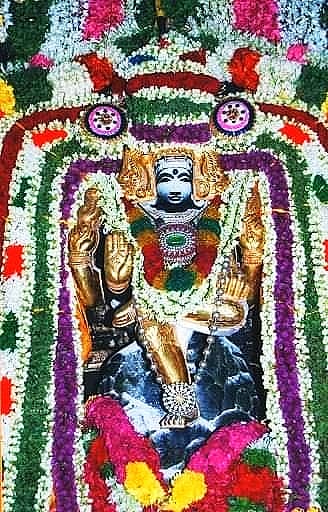
Alangudi Abathsahayeswarar Temple

Thanjavur Old Town Big Temple Precinct
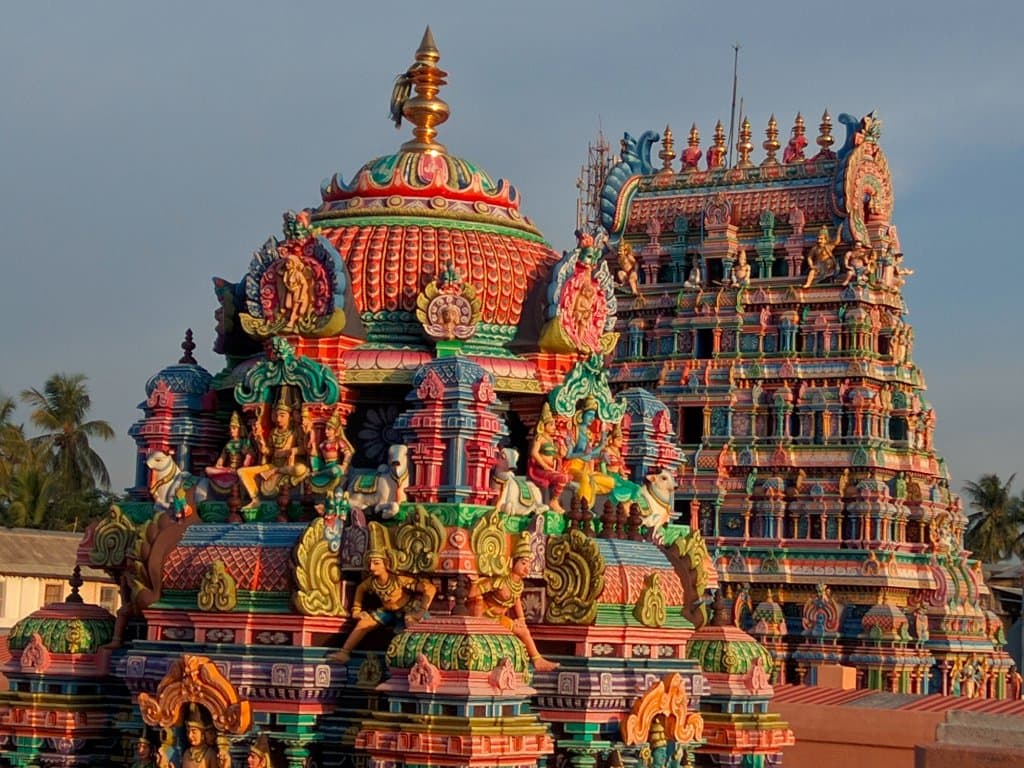
Swamimalai Murugan Temple
Government Museum Kumbakonam
Thiruvelliyankudi Kolavilli Ramar Temple
Uppiliappan Temple Thirunageswaram
Alangudi Abathsahayeswarar Temple
Thanjavur Old Town Big Temple Precinct
Swamimalai Murugan Temple
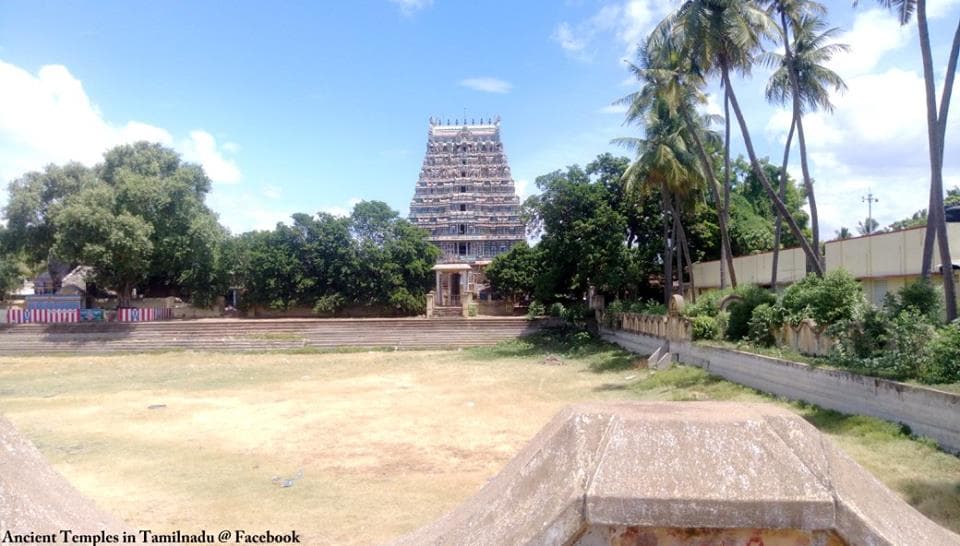
Saranathan Temple Thirucherai
Thiruvazhundur Devanathaswamy Temple
Thingalur Kailasanathar Temple Chandran

Kasi Viswanathar Temple Mahamaham
Social
from TikTok, Instagram & Reddit