
Sardar-e Bagh-e Melli National Garden Gate
A monumental Qajar-era brick gateway in Tehran, famed for its vibrant tile murals depicting historical Persian symbols and military motifs.

Highlights
Must-see attractions

Social
From TikTok & Reddit
Best Time
Fewer crowds, soft light
Sardar-e Bagh-e Melli National Garden Gate
Best Time
Fewer crowds, soft light
Highlights
Must-see attractions
A monumental Qajar-era brick gateway in Tehran, famed for its vibrant tile murals depicting historical Persian symbols and military motifs.
"A historical masterpiece with stunning tile art, this gate is a powerful symbol of old Tehran."

🤫 Enter via National Museum
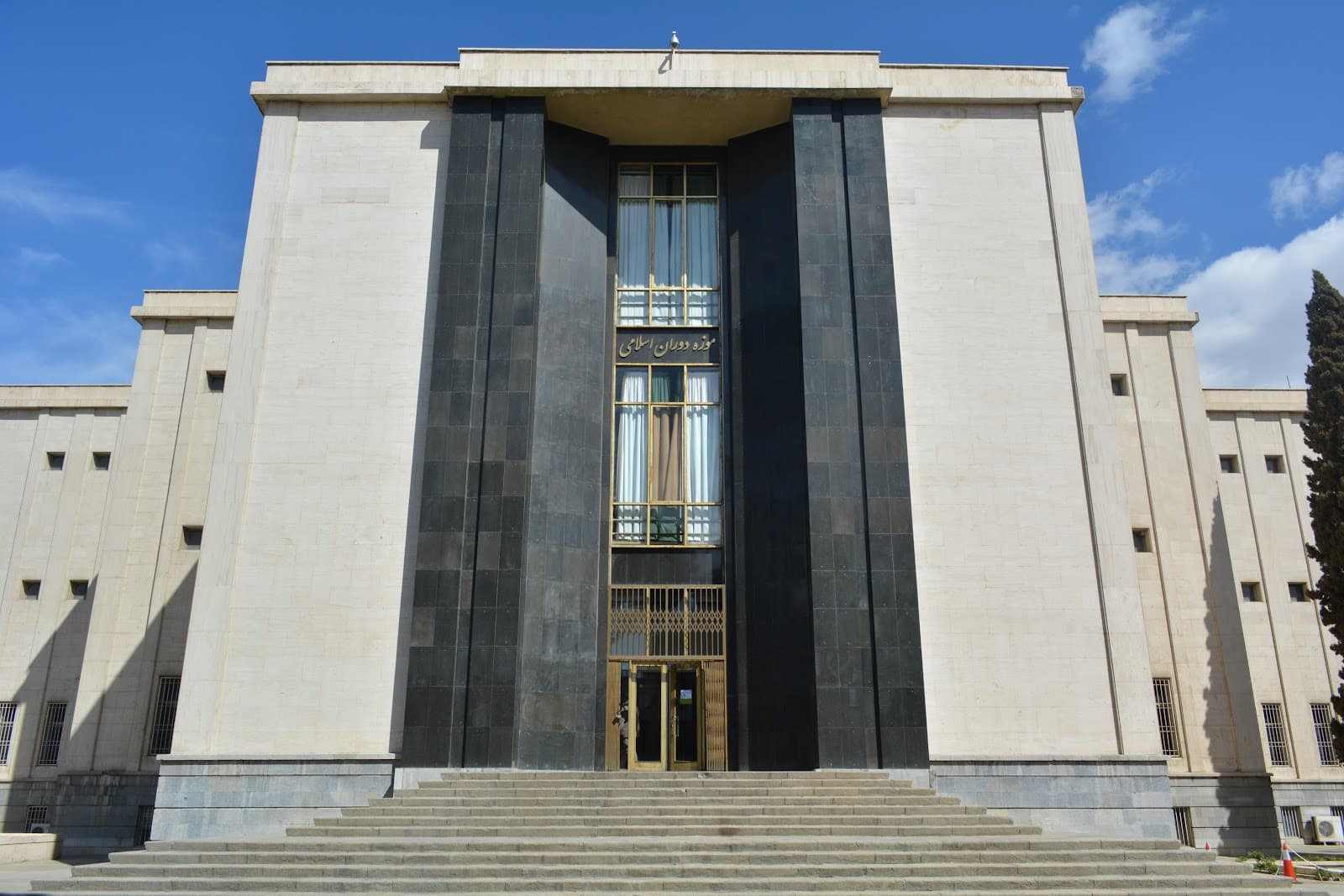
Don't be deterred if the main gate is shut; use the entrance near the National Museum of Iran for free access.
📸 Capture the Details
The intricate tilework and surrounding architecture offer fantastic photo opportunities. Look for artistic angles!

Quick Facts
Hours
Rating
4.7 · 662 reviews
Type
Historical Place
Highlights
Discover the most iconic attractions and experiences

The Iconic Gateway
Main entrance to the National Garden
A monumental brick archway adorned with vibrant, detailed tile murals depicting lions, crowns, and military scenes.

Qajar-Era Artistry
On the gateway's facade
Exquisite ceramic artworks showcasing historical Persian symbols like the lion and sun emblem.

National Garden Grounds
Surrounding the gate
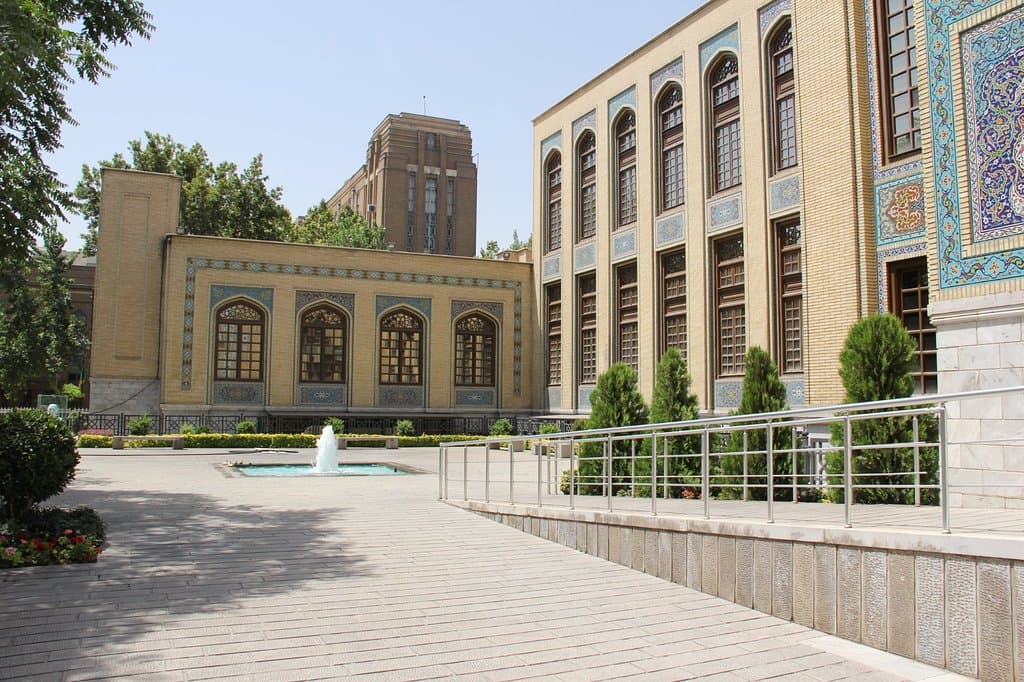
A vast historical space with impressive buildings, mature trees, and charming staircases perfect for a stroll.
Plans like a pro.
Thinks like you
Planning Your Visit
Timing is Key for History Buffs
Accessing the Grandeur
Best Times
Insider Tips
from TikTok, Instagram & Reddit
🤫 Enter via National Museum
Don't be deterred if the main gate is shut; use the entrance near the National Museum of Iran for free access.
📸 Capture the Details
The intricate tilework and surrounding architecture offer fantastic photo opportunities. Look for artistic angles!
🚶♀️ Explore the Garden
Wander through the National Garden to discover more historical buildings and enjoy the ambiance.
🕰️ Embrace the History
Imagine Tehran's past as you admire this remnant of the Qajar era and a former symbol of the city.
Tips
from all over the internet
🤫 Enter via National Museum
Don't be deterred if the main gate is shut; use the entrance near the National Museum of Iran for free access.
📸 Capture the Details
The intricate tilework and surrounding architecture offer fantastic photo opportunities. Look for artistic angles!
🚶♀️ Explore the Garden
Wander through the National Garden to discover more historical buildings and enjoy the ambiance.
🕰️ Embrace the History
Imagine Tehran's past as you admire this remnant of the Qajar era and a former symbol of the city.
What Travellers Say
Reviews Summary
Visitors praise the Sardar-e Bagh-e Melli National Garden Gate for its beautiful and historically significant tilework, describing it as a captivating remnant of Tehran's Qajar era. The surrounding National Garden offers a pleasant atmosphere for exploration and photography. Some note that the main gate may appear closed, but access to the grounds is still possible.
"During my recent trip to Tehran, I visited Sar Dar Bagh-e-Melli (The Gate of National Garden), a historic remnant from the Qajar era and a symbol of Tehran. As a historical tour guide in Iran, I appreciate such sites deeply.
The gate features beautiful ceramic artworks — lions holding a crown, panthers, and cannonballs. During the Safavid era, the lion and sun symbolized the pillars of society: the state and Islam, becoming a national emblem in the Qajar period.
Walking here makes you lose track of time, surrounded by history and autumn beauty. Although modernization has dulled some of its original charm, the site still holds a unique power as a historic landmark and tourist attraction."
Nika
"The National Garden Gate (Sardar-e Bagh-e Melli) is one of the remaining architectural relics from the Qajar era, later renovated between 1922 and 1925 by Hossein Ali Beik Tehrani. Before the construction of Azadi Tower, this gate was considered the main symbol of Tehran.
Following an order by Reza Shah Pahlavi, the current gate and its adjacent buildings were constructed by Jafar Khan Kashani with assistance from German engineers (before World War II). It was built on the eastern side of the original gate, replicating its same dimensions and appearance. Once completed, the former gate was demolished.
Today, the National Garden Gate stands as one of Tehran’s most recognizable landmarks and a prominent historical entrance to what was once the city’s military parade and government district."
Aref Zamani
"One of the most beautiful spaces in Tehran, reminiscent of the old days of Tehran during the Qajar period. Don't be disappointed if you see that the door is closed. You can enter this space through the door facing the National Museum of Iran without paying a ticket and enjoy this large and historical space."
Mohammad Baghban
What People Like
What People Dislike
Frequently Asked Questions
🚇 🗺️ Getting There
The gate is located in central Tehran. You can reach it via taxi or public transport. Many visitors find it convenient to combine a visit with the National Museum of Iran, as they are in close proximity.
Parking in central Tehran can be challenging. It's advisable to use ride-sharing apps or public transportation to avoid parking hassles.
Yes, if you are visiting nearby sites like the National Museum of Iran or Golestan Palace, walking is a pleasant option to experience the city.
🎫 🎫 Tickets & Entry
You can access the National Garden grounds and see the gate without a ticket by entering through the entrance near the National Museum of Iran.
The National Garden is generally accessible during daylight hours. Specific timings can vary, so it's best to check locally or visit during standard daytime hours.
The gate is an exterior monument. Access to the surrounding National Garden is typically free when entering via the museum-adjacent entrance.
Some buildings within the complex, like the Ministry of Foreign Affairs, are government offices and may not be open to the public. However, the grounds themselves are explorable.
📸 📸 Photography
Focus on the detailed tile murals on the gate itself. The surrounding garden with its trees and staircases also offers beautiful backdrops for artistic shots.
Photography is generally permitted in the public areas of the National Garden. Be mindful of any restricted zones or government buildings.
Early mornings offer fewer people and softer light, while late afternoons provide a warm, golden glow on the brickwork and tiles.
While not explicitly stated, it's always respectful to avoid photographing individuals without their consent and to be discreet around any official buildings.
🎫 🏛️ History & Significance
This gate is a significant architectural relic from the Qajar era and was once considered the main symbol of Tehran before the construction of Azadi Tower. It represents a period of modernization in Iran.
The current gate was renovated between 1922 and 1925 by Hossein Ali Beik Tehrani and later rebuilt by Jafar Khan Kashani with German engineers, replicating the original Qajar-era gate.
The murals feature colorful ceramic artworks, including lions holding crowns and panthers, symbolizing historical Persian emblems and the pillars of society.
Historically, it served as a military parade and government district, making the gate a prominent entrance to this important area of the city.

Social
from TikTok, Instagram & Reddit