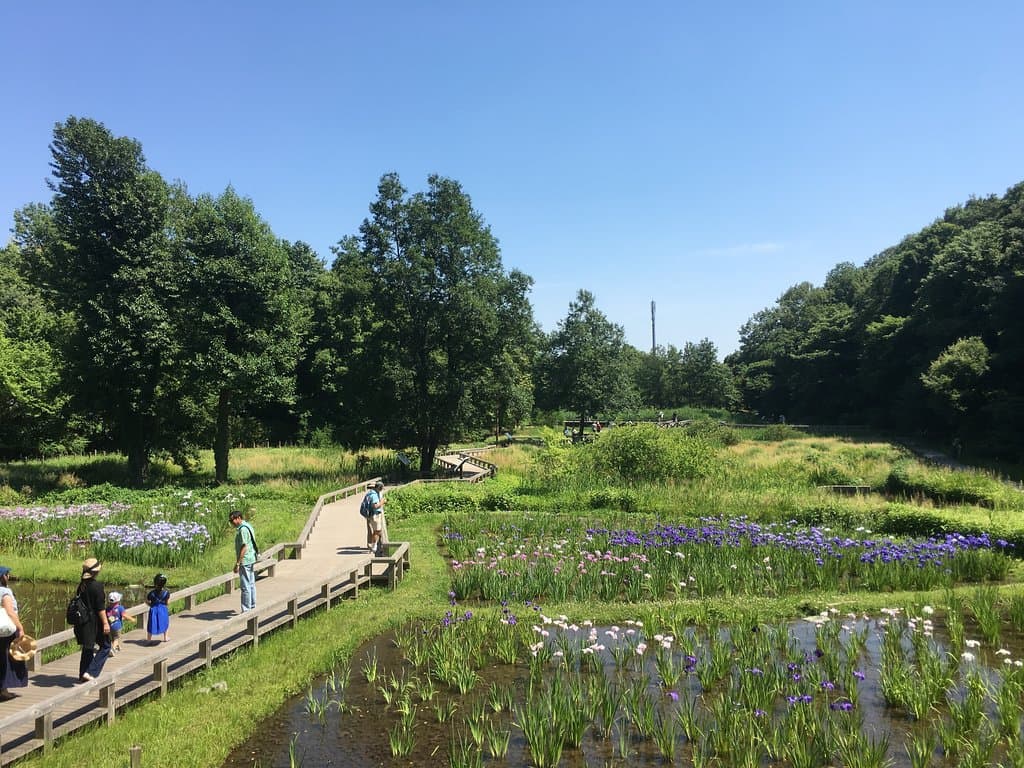
Jindai Botanical Gardens Tokyo
Tokyo's expansive botanical garden, famed for its spectacular rose and azalea displays, plus a lush greenhouse.

Highlights
Must-see attractions

Social
From TikTok & Reddit
Best Time
Azaleas and roses bloom
Jindai Botanical Gardens Tokyo
Best Time
Azaleas and roses bloom
Highlights
Must-see attractions
Tokyo's expansive botanical garden, famed for its spectacular rose and azalea displays, plus a lush greenhouse.
"A breathtaking display of flowers and a peaceful escape from the city bustle."
🎯 Check Bloom Schedules
Visit during peak bloom for azaleas (April-May) or roses for the most vibrant displays.
🚌 Bus is Your Friend
Take a bus from nearby stations like Chofu or Kichijoji. Plan your route beforehand!
Quick Facts
Hours
Rating
4.2 · 6,062 reviews
Type
Botanical Garden
Highlights
Discover the most iconic attractions and experiences
Spectacular Rose Garden
Rose Garden Area
Thousands of roses in full bloom create a breathtaking display of color and fragrance. A must-see for any flower enthusiast.
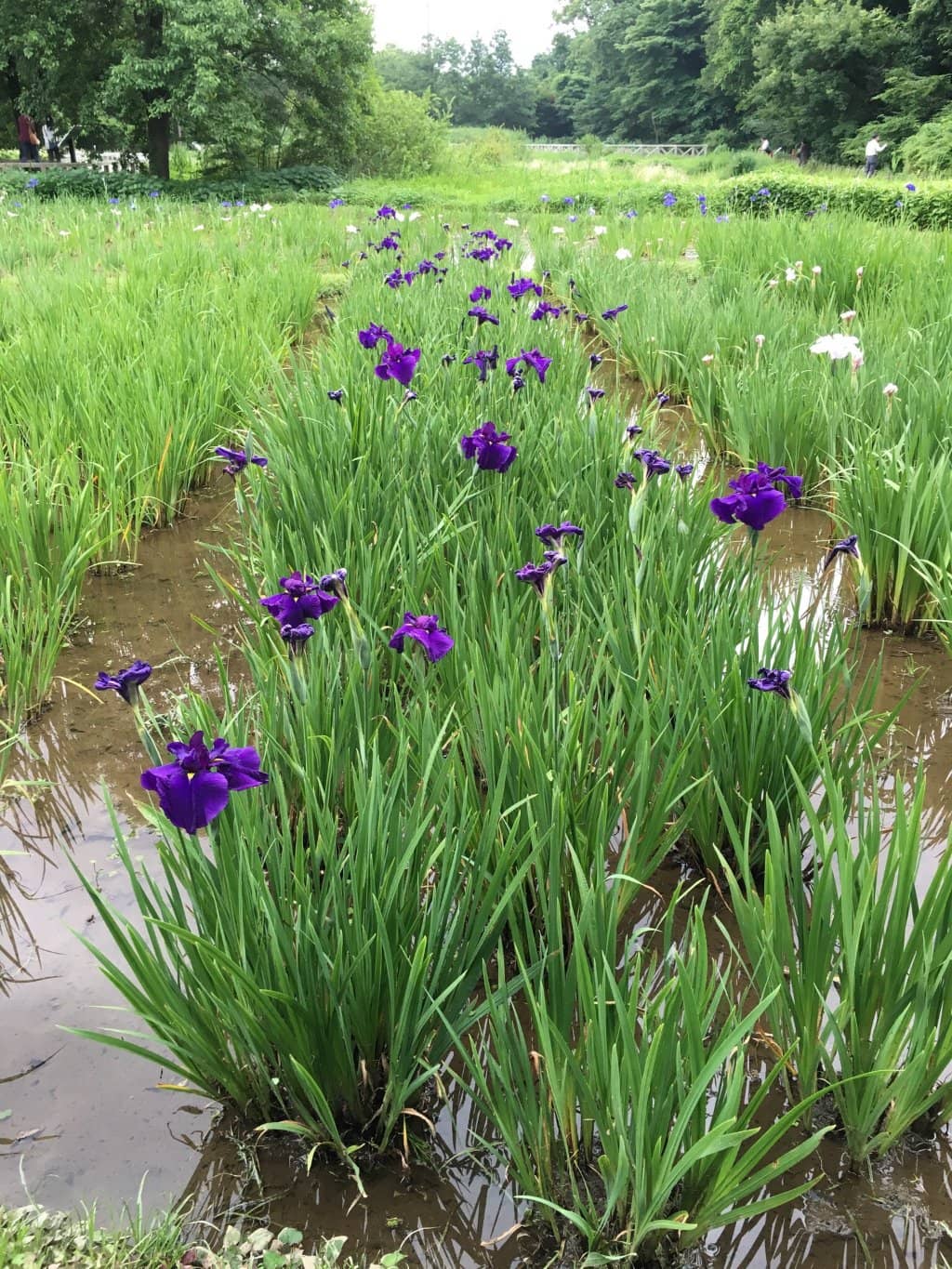
Vibrant Azalea Displays
Azalea Garden
Experience over 100 varieties of azaleas painting the landscape with stunning hues during their peak season.
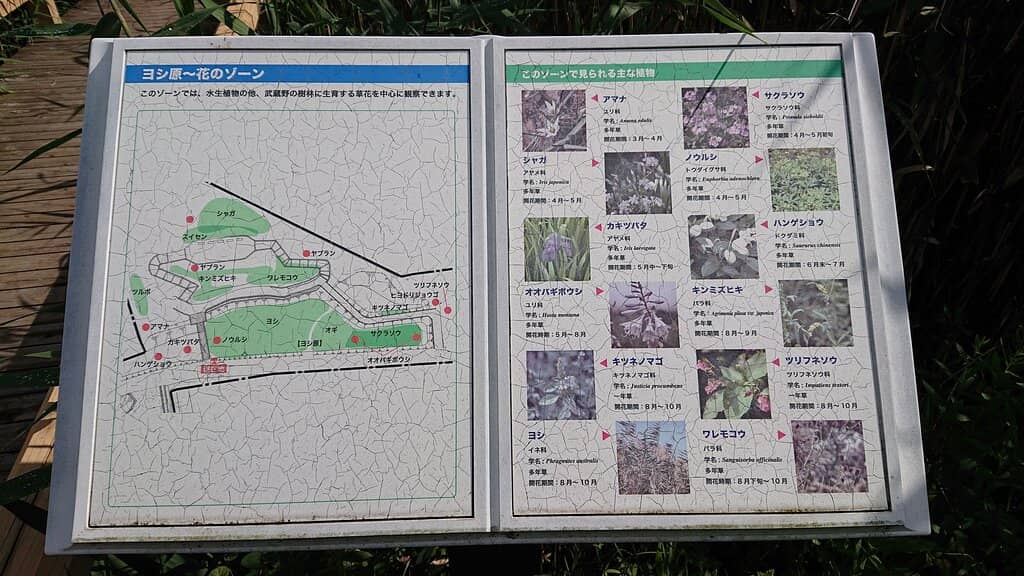
Expansive Greenhouse
Greenhouse
Explore a diverse collection of exotic plants and tropical flora, offering a unique botanical experience.
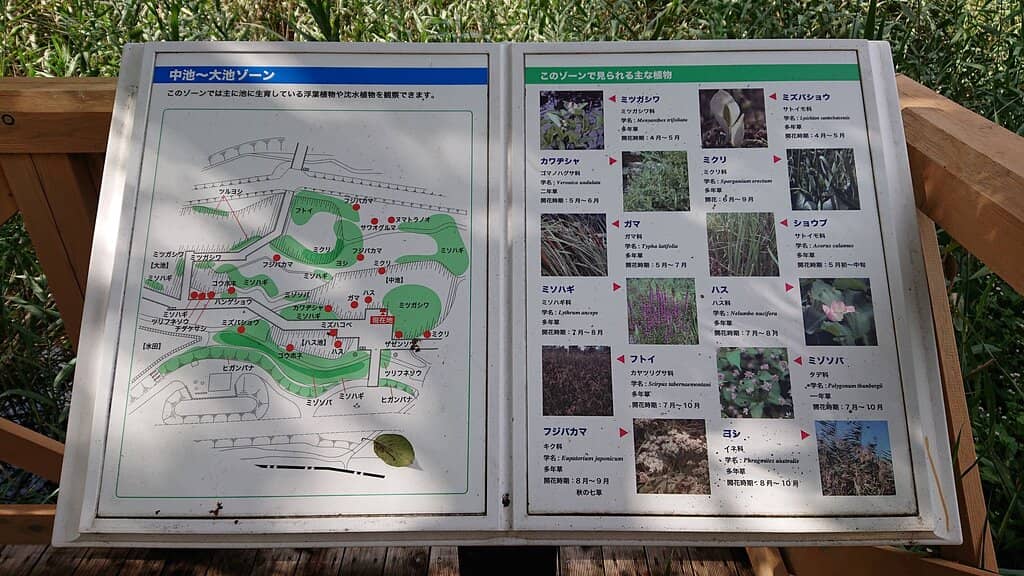
Cherry Blossom Season
Various areas
Witness the ephemeral beauty of cherry blossoms as they blanket the gardens in delicate pinks and whites.
Plans like a pro.
Thinks like you
Planning Your Visit
Timing is Everything for Blooms
Getting There: Plan Your Journey
Best Times
Insider Tips
from TikTok, Instagram & Reddit
🎯 Check Bloom Schedules
Visit during peak bloom for azaleas (April-May) or roses for the most vibrant displays.
🚌 Bus is Your Friend
Take a bus from nearby stations like Chofu or Kichijoji. Plan your route beforehand!
🐶 Dog-Friendly Areas
While dogs aren't allowed in the botanical garden, there's a nice dog run nearby.
📸 Capture the Beauty
The gardens offer stunning photo opportunities, especially during rose season.
Tips
from all over the internet
🎯 Check Bloom Schedules
Visit during peak bloom for azaleas (April-May) or roses for the most vibrant displays.
🚌 Bus is Your Friend
Take a bus from nearby stations like Chofu or Kichijoji. Plan your route beforehand!
🐶 Dog-Friendly Areas
While dogs aren't allowed in the botanical garden, there's a nice dog run nearby.
📸 Capture the Beauty
The gardens offer stunning photo opportunities, especially during rose season.
Combine with Jindaiji Temple
Make a day of it by visiting the historic Jindaiji Temple and its charming surroundings.
What Travellers Say
Reviews Summary
Visitors consistently praise Jindai Botanical Gardens for its stunning floral displays, particularly the renowned rose and azalea gardens, and the peaceful atmosphere. Many appreciate the affordability and the opportunity to combine a visit with the historic Jindaiji Temple. Some find the journey to the gardens a bit inconvenient due to the lack of direct train access.
"Beautiful all year round, especially during plum festival, sakura season, rose festival, chrysanthemum festival, etc. Large begonias bloom all year round inside the greenhouse. I highly recommend this botanical gardens. They usually close on Mondays, but it's better to check their website before each visit, because sometimes they close several days for maintenance."
Endah
"This botanical garden is huge. I went during the plum flower season, there were so many beautiful trees.
The plum flowers were pink, red, white, yellow. The trees were labelled.
Overall, it was really good to see these plum flowers.
There are other flowers as well like roses but you have to go during the season.
I went in February and could only see the plum flowers.
There is also a greenhouse that has a variety of plants that can be found in warm countries like India. I love plants, so I absolutely enjoyed this place. There are all sorts of plants from papaya trees to insectivorous plants.
There are also rooms of orchids and other beautiful flowers.
Outside the garden, there are shrines, restaurants and shops. You can renter as many times as you want as long as you show the ticket at the counter.
I absolutely loved this place and would recommend it to anyone who loves flora and fauna!"
aditi
"Visited on May 24, 2023. Mainly went to see the rose garden but the entire park is so beautiful. Rose garden looks stunning in the afternoon due to sunlight. I spent the whole day here relaxing and walking into nature. Entry fee is ¥500. There is a bus from Chofu station that goes to the park."
Ananya S Tabassum
What People Like
What People Dislike
Frequently Asked Questions
🚇 🗺️ Getting There
The most common way is by bus. From Shinjuku Station, take the Keio Line to Chofu Station, then transfer to a bus bound for Jindai Botanical Gardens (e.g., Chofu City Bus #20, #21, or #22). Alternatively, you can take a bus from Kichijoji Station.
No, there is no direct train station. You will need to take a bus from a nearby train station like Chofu or Kichijoji.
Key bus routes include #20, #21, and #22 from Chofu Station, and routes from Kichijoji Station. It's advisable to check real-time bus information as routes can sometimes be confusing.
Travel time can vary depending on your starting point and traffic, but expect around 30-45 minutes by public transport from Chofu Station.
Yes, there are parking facilities available for visitors who choose to drive.
🎫 🎫 Tickets & Entry
Admission is generally very affordable, often around 300 JPY for adults. Prices can vary slightly, so it's best to check the official website for the most current information.
While specific free days are not widely advertised, the admission fee is already quite low. Check the official website for any special promotions or seasonal offers.
The gardens are typically open from 9:00 AM to 5:00 PM, with the last entry usually around 4:00 PM. Hours may vary slightly by season, so confirm before your visit.
Tickets are usually purchased on-site at the garden's entrance. There's generally no need to buy tickets in advance, especially outside of peak cherry blossom season.
The greenhouse is typically included in the general admission fee, allowing you to explore its diverse plant collections without an additional charge.
🎫 🌸 Onsite Experience
The gardens are famous for their stunning rose garden, vibrant azaleas (especially in spring), and beautiful cherry blossoms. They also feature seasonal displays throughout the year. 
Absolutely! The diverse flora, well-maintained gardens, and seasonal blooms offer countless picturesque spots for photography.
Yes, the gardens sometimes host special events, including illuminations like the soap bubble light-up mentioned in summer. Check their schedule for current events.
Generally, picnicking is allowed in designated areas, but it's always good practice to check the garden's specific rules regarding food and beverages.
Public Wi-Fi availability can be inconsistent in large parks. It's recommended to download offline maps or have a portable Wi-Fi device if you rely heavily on internet access.
🍽️ 🍽️ Food & Dining
There are usually cafes or small eateries within or near the gardens offering refreshments and light meals.
The area around Jindaiji Temple, a short distance away, is known for its delicious soba noodle restaurants.
Picnicking is often permitted in designated areas, making it a pleasant option for a leisurely lunch amidst the greenery.
While specific options can vary, many Japanese restaurants offer vegetable-based dishes. Exploring the soba restaurants near Jindaiji Temple might provide some suitable choices.
Combine your garden visit with a trip to Jindaiji Temple and try the local specialty, soba noodles, at one of the many traditional restaurants.
📸 📸 Photography
The rose garden, azalea sections, and cherry blossom trees are prime locations. The greenhouse also offers unique photographic opportunities with its exotic plants.
Drone usage is typically prohibited in public parks and gardens to ensure the safety and tranquility of visitors and wildlife. Always check local regulations.
Early morning or late afternoon often provides the best natural light for photography, minimizing harsh shadows and capturing softer hues.
While general photography is usually allowed, professional shoots or commercial photography might require special permits. Be mindful of other visitors.
Yes, special events like illuminations are usually great for photography, but be prepared for crowds and potentially lower light conditions.


Social
from TikTok, Instagram & Reddit