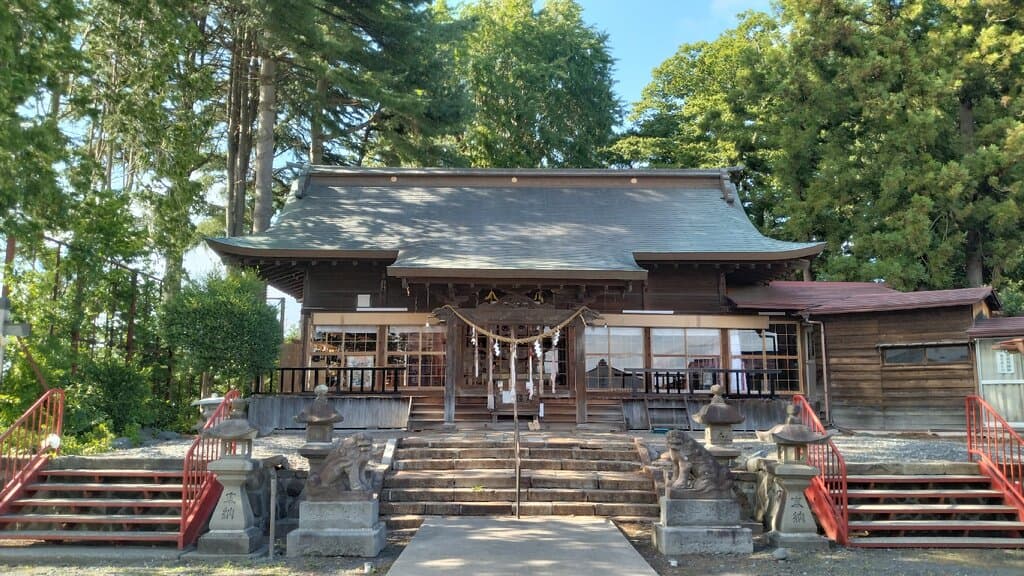
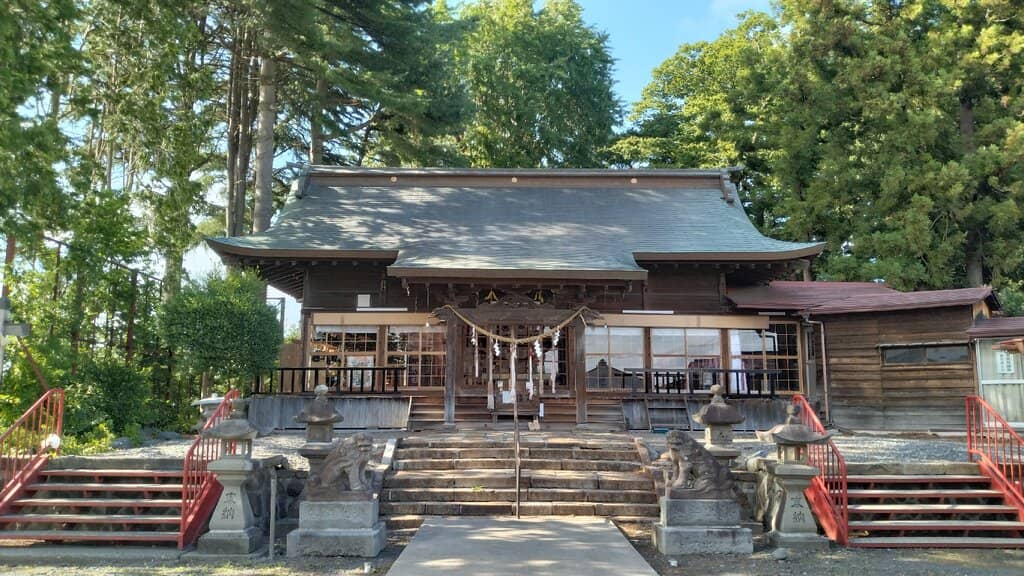
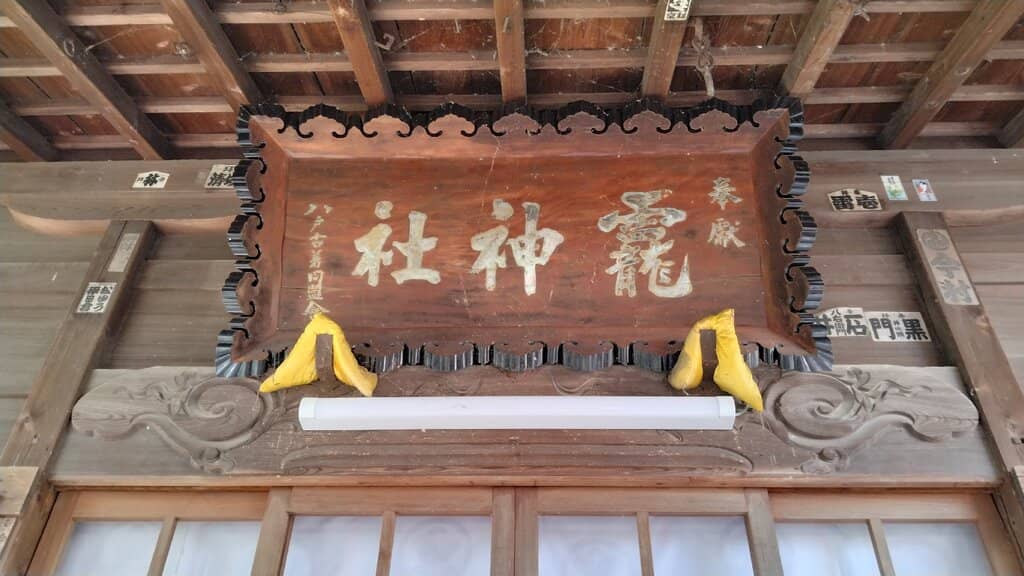
Ogami Shrine
Explore Japan's ancient spiritual heart at Ogami Shrine, a place of profound history, sacred mountains, and awe-inspiring natural beauty.
Highlights
Must-see attractions

Social
From TikTok & Reddit
Best Time
Cherry blossoms bloom beautifully
Ogami Shrine
Best Time
Cherry blossoms bloom beautifully
Highlights
Must-see attractions
Explore Japan's ancient spiritual heart at Ogami Shrine, a place of profound history, sacred mountains, and awe-inspiring natural beauty.
"A truly ancient and sacred place, connecting you to nature and centuries of devotion."
Wear Comfortable Shoes
You'll be doing a lot of walking, especially if you plan to climb Mount Miwa. :athletic_shoe:
Check Shrine Hours
Opening and closing times can vary. It's best to check in advance to avoid disappointment. :clock1:
Quick Facts
Hours
Rating
4.2 · 199 reviews
Type
Place of Worship
Highlights
Discover the most iconic attractions and experiences
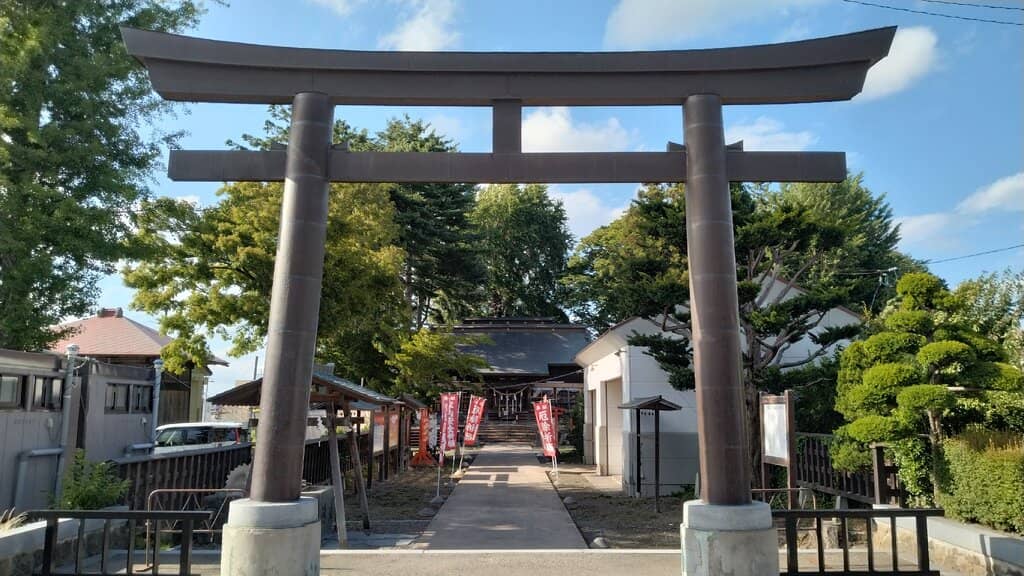
The Grand Torii Gate
Nara
Japan's second-largest torii gate, standing at an impressive 32 meters. A truly awe-inspiring entrance to this ancient shrine.
Mount Miwa Ascent
Nara
Hike the sacred mountain, believed to be the embodiment of the enshrined deity. Offers spiritual connection and panoramic views.
Purification Rituals
Various locations
Witness or participate in 'takigyo' (waterfall purification) for a unique spiritual cleansing experience.
Ancient Forests
Tottori
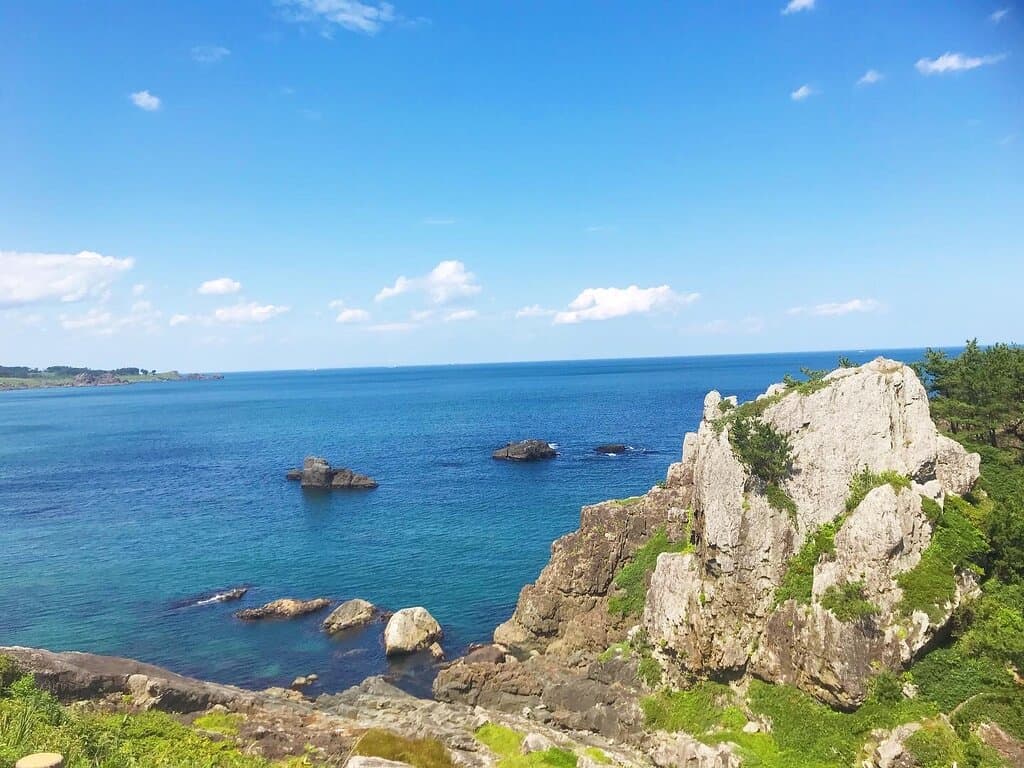
Explore sacred forests where the sounds of wild birds echo, offering a serene and spiritual atmosphere.
Plans like a pro.
Thinks like you
Planning Your Visit
Embrace the Sacred Mountain
Respect Local Customs
Best Times
Insider Tips
from TikTok, Instagram & Reddit
Wear Comfortable Shoes
You'll be doing a lot of walking, especially if you plan to climb Mount Miwa. :athletic_shoe:
Check Shrine Hours
Opening and closing times can vary. It's best to check in advance to avoid disappointment. :clock1:
Respectful Attire
Dress modestly when visiting. Avoid revealing clothing to show respect for the sacred site. 👗
Bring Water
Especially if hiking Mount Miwa, stay hydrated. There are limited facilities on the mountain. :droplet:
Tips
from all over the internet
Wear Comfortable Shoes
You'll be doing a lot of walking, especially if you plan to climb Mount Miwa. :athletic_shoe:
Check Shrine Hours
Opening and closing times can vary. It's best to check in advance to avoid disappointment. :clock1:
Respectful Attire
Dress modestly when visiting. Avoid revealing clothing to show respect for the sacred site. 👗
Bring Water
Especially if hiking Mount Miwa, stay hydrated. There are limited facilities on the mountain. :droplet:
Capture the Grandeur
The large torii gates and natural surroundings are incredibly photogenic. :camerawithflash:
What Travellers Say
Reviews Summary
Visitors consistently praise Ogami Shrine for its profound spiritual atmosphere, ancient history, and stunning natural beauty, particularly the iconic torii gates. Many find the connection to nature and the opportunity for quiet contemplation deeply rewarding. Some visitors note that specific locations might require more travel time or have limited amenities.
"Wonderful people"
J R
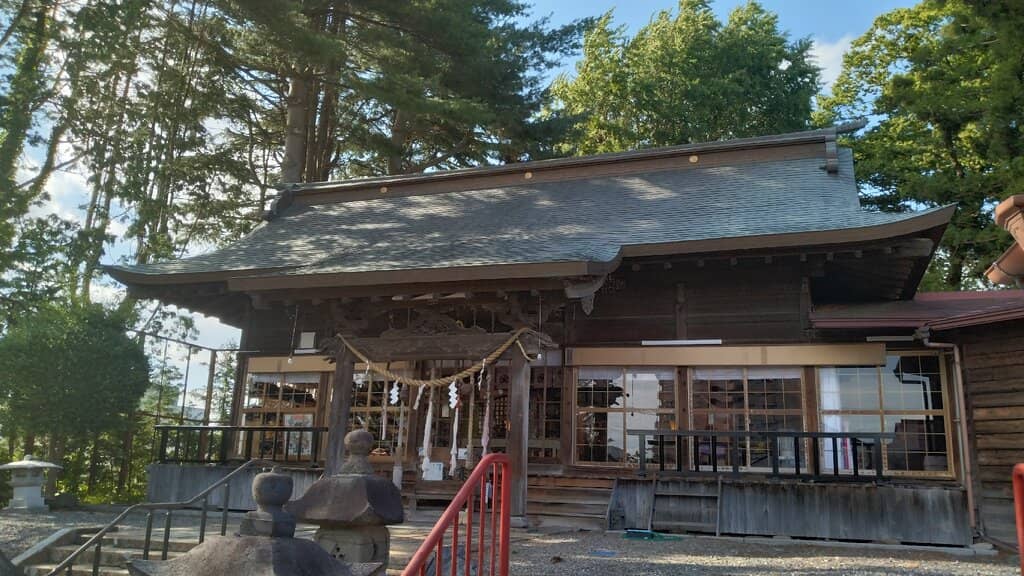
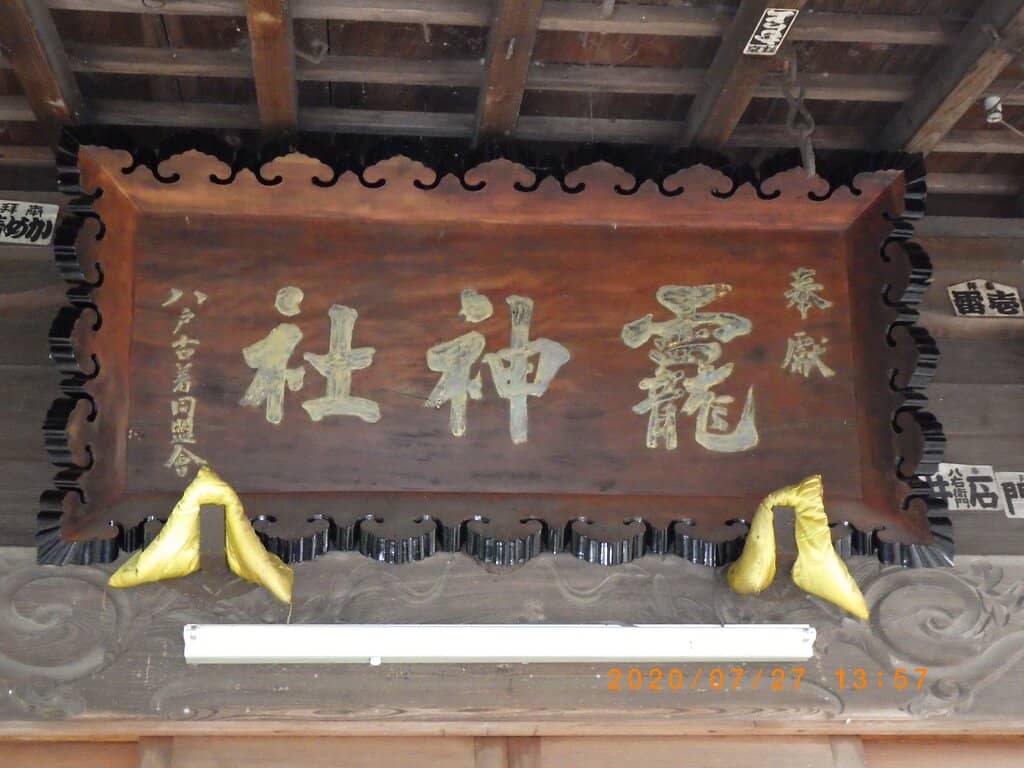
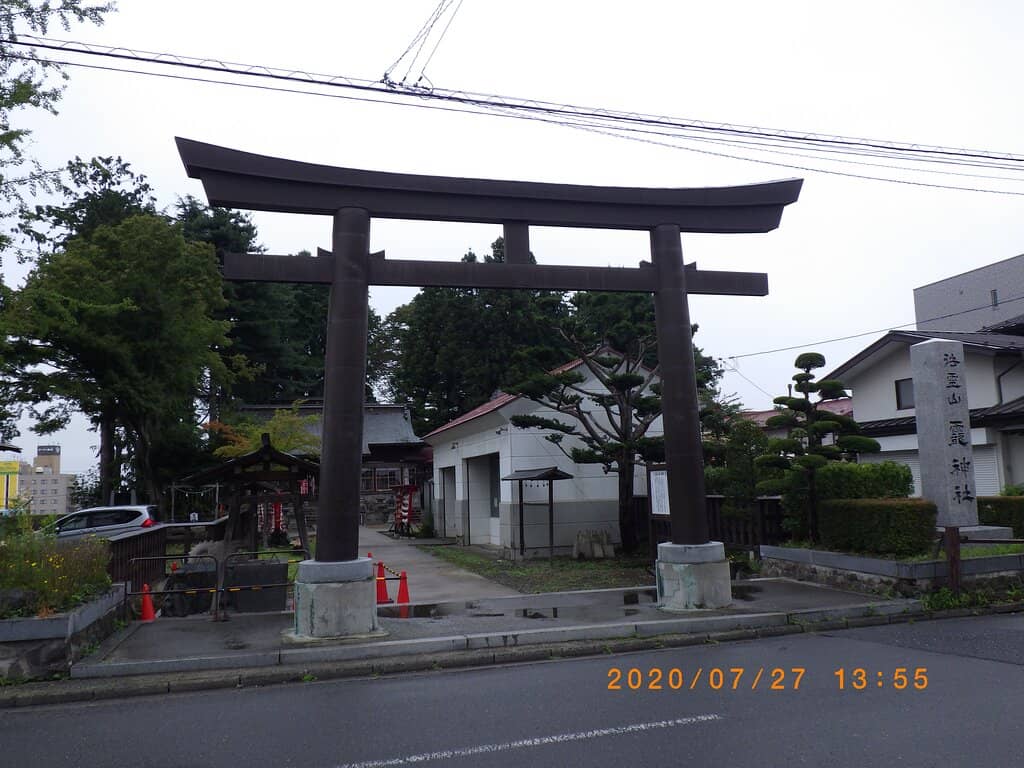
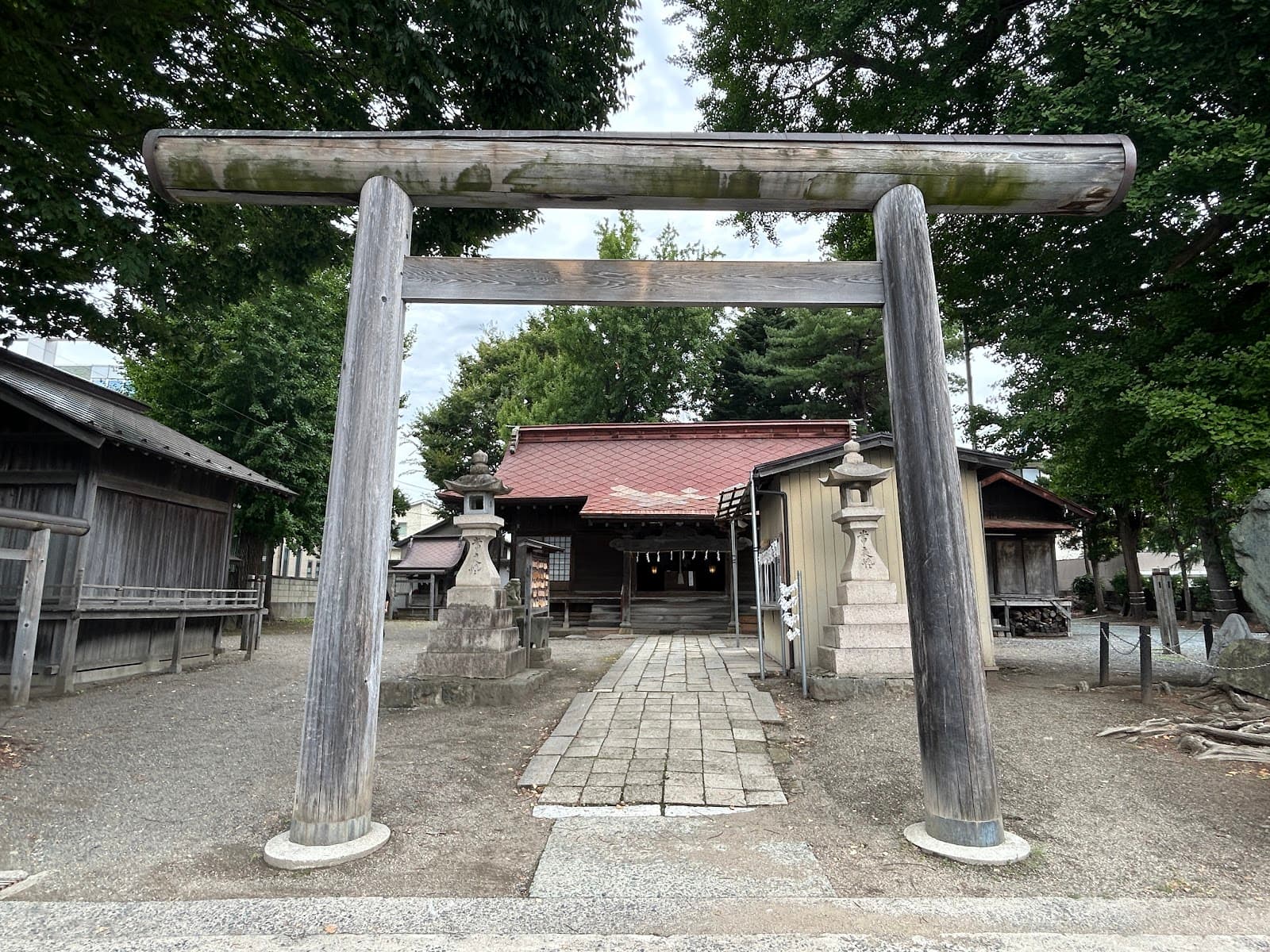
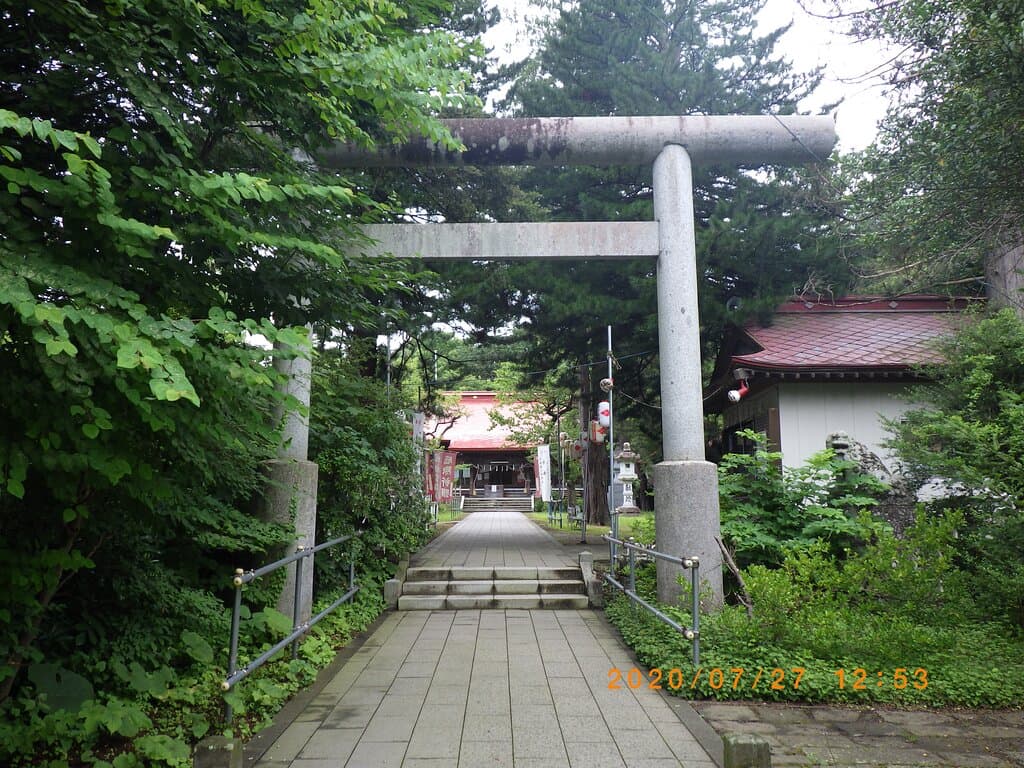
"Located near Hon-Hachinohe Station, the area around the main shrine has been renovated and refurbished. To the left of the torii gate ⛩️ is a parking lot 🅿️🚗, where you can park easily, but only on Ke days. From the parking lot toward the main shrine, you can see a monument dedicated to car purification.
When I received my goshuin (300 yen), I was given a commemorative postcard-sized card? ( ゚∀゚)"
山田二矢
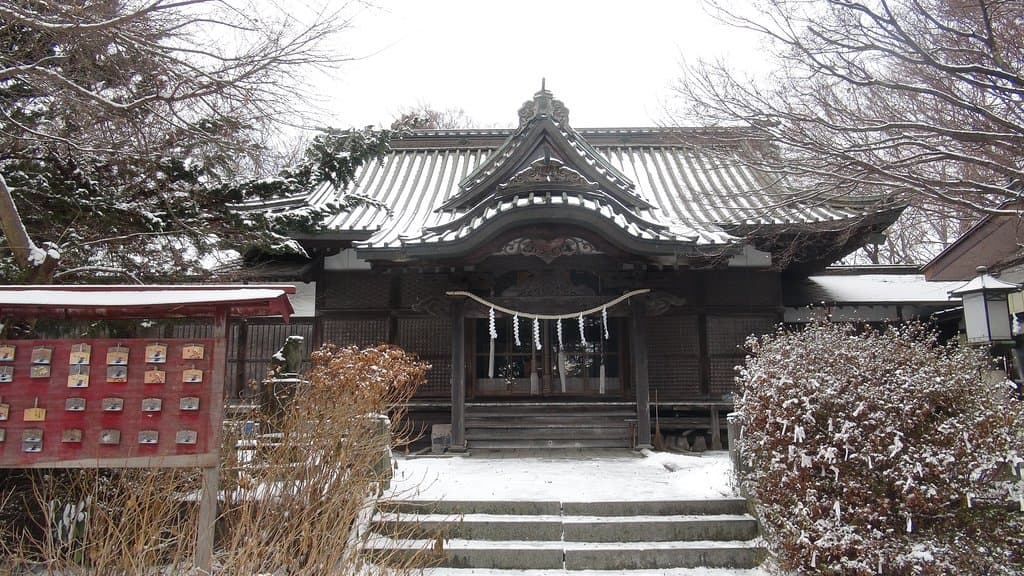
"It is located on the way from the hotel to Honhachinohe Station. It is called Ogami Shrine. It is the guardian deity of Mutsu Province and has been around since the Heian period. On the way, I stopped at Hachinohe City Hall. There is an observation deck on the 10th floor. Available from 8:15am. Also, near Ogami Shrine, there is Sanhachi Park, where the cherry blossoms were in full bloom. Sanhachi Park is the site of Hachinohe Castle. I headed to Motohachinohe Station to go to Kabushima Shrine."
釣山伸一
What People Like
What People Dislike
Frequently Asked Questions
🚇 🗺️ Getting There
Ogami Shrine in Nara is accessible by public transport. From Nara Station, take a local train to Miwa Station, which is a short walk from the shrine. For those driving, there are parking lots available, though they can fill up quickly on busy days. 
Yes, there are multiple shrines named Ogami Shrine across Japan, including notable ones in Nara, Tottori, Kanagawa, and Aomori. It's important to specify the location you wish to visit.
Parking availability can vary. Some locations, like the one in Hachinohe City, mention dedicated parking lots. It's advisable to check specific location details or consider public transport.
Yes, the Ogami Shrine in Nara can be visited as a day trip from Osaka. It's a popular destination for those exploring the Kansai region.
The Ogami Shrine in Tottori is known for its connection to Daisenji Temple. Access typically involves travel to the Daisen area, often by bus from nearby train stations.
🎫 🎫 Tickets & Entry
Generally, entry to the main grounds of Ogami Shrine is free. However, there might be fees for specific activities, climbing Mount Miwa, or for special ceremonies.
Opening hours can differ by location and season. It's recommended to check the official website or local listings for the specific Ogami Shrine you plan to visit.
Yes, many visitors report receiving goshuin (temple/shrine seals) at Ogami Shrine. The cost is typically around 300 yen, and sometimes a commemorative card is included.
Climbing Mount Miwa is a significant part of the experience at the Nara Ogami Shrine. It's a sacred mountain, and the ascent offers a spiritual journey.
As a sacred site, visitors are expected to be respectful. This includes dressing appropriately and maintaining a quiet atmosphere. Some areas might have specific access rules.
🎫 🧭 Onsite Experience
The Ogami Shrine in Nara is renowned as one of Japan's oldest shrines and is intrinsically linked to Mount Miwa, which is worshipped as the deity itself. Its massive torii gate is also a major draw.
Takigyo is a form of ascetic training involving standing under a waterfall for purification. It's a practice offered at some Ogami Shrine locations, providing a unique spiritual experience.
Absolutely! The grand torii gates, ancient forests, and the natural beauty surrounding the shrines offer numerous stunning photo opportunities.
The sacred forests, particularly those near the Tottori location, are considered power spots. The natural ambiance and sounds of wildlife contribute to a deeply spiritual and calming atmosphere.
Yes, the 'holy water' from the medicinal well at Saijinja Shrine (a branch shrine of Ogami Shrine) is said to have healing properties and can be taken home by visitors.
🍽️ 🍽️ Food & Dining
Dining options vary by location. In Nara, near the main shrine, you'll likely find local eateries. For other locations, it's best to research nearby towns or cities for restaurants.
Generally, eating is discouraged within the sacred grounds of shrines to maintain their sanctity. It's best to find designated areas or restaurants outside the shrine premises.
Expect to find traditional Japanese cuisine, including local Nara specialties. Many small restaurants offer udon, soba, and other regional dishes.
Some larger shrine complexes might have vending machines or small cafes, but this is not guaranteed. It's wise to bring your own snacks and drinks, especially if planning a longer visit or hike.
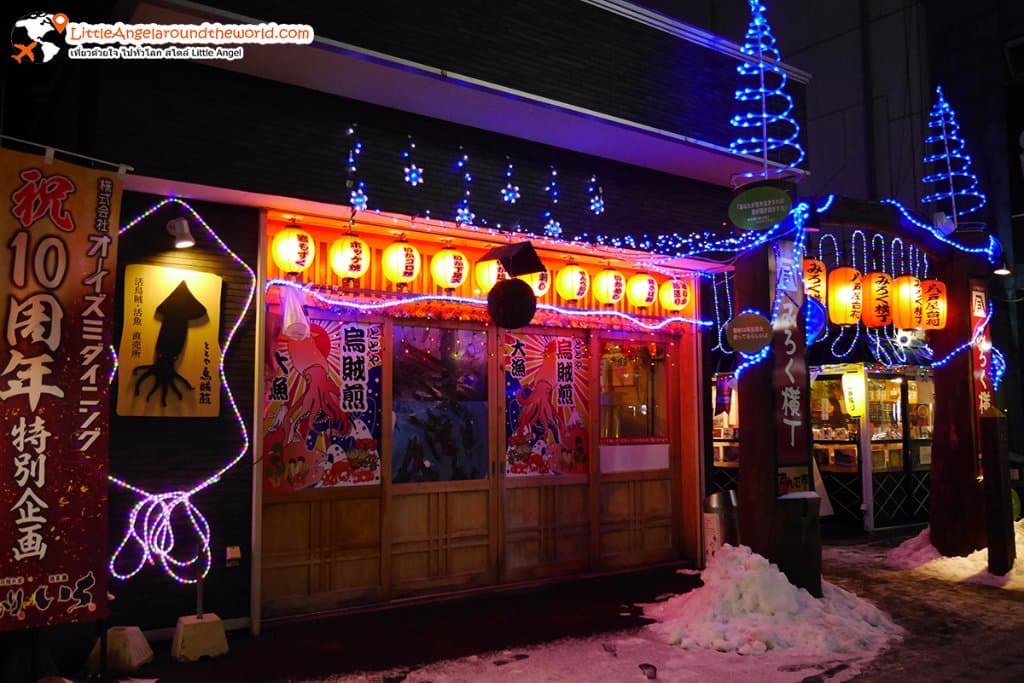
After visiting the Ogami Shrine in Hachinohe, you can explore the area around Hon-Hachinohe Station for local dining options, which often include seafood and regional specialties.
📸 📸 Photography
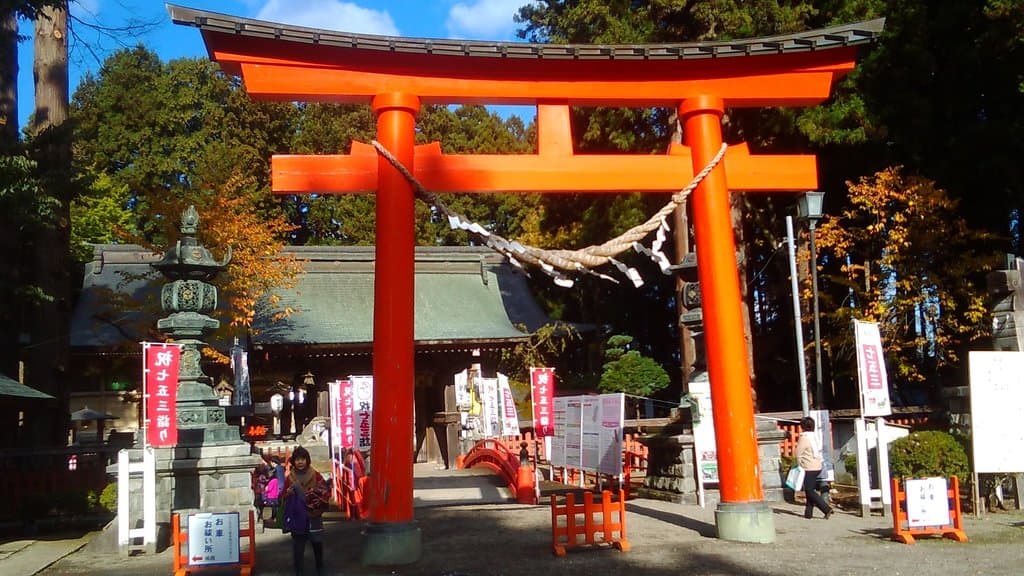
The most iconic photo spots are the grand torii gates, especially the massive one in Nara. The ancient forests and the serene shrine buildings also make for beautiful shots.
Photography is generally allowed in most outdoor areas of Ogami Shrine. However, always be respectful and check for any signs prohibiting photos inside certain buildings or sacred areas.
A smartphone camera is perfectly adequate for capturing the beauty of Ogami Shrine. For more professional shots, a wide-angle lens can be useful for the large torii gates.
While general photography is usually permitted, be mindful of the sacred nature of Mount Miwa. Avoid intrusive photography, especially during ceremonies or in restricted areas.
Drone usage is typically prohibited at religious sites like Ogami Shrine to ensure peace and respect. Always check local regulations before flying a drone.


Social
from TikTok, Instagram & Reddit