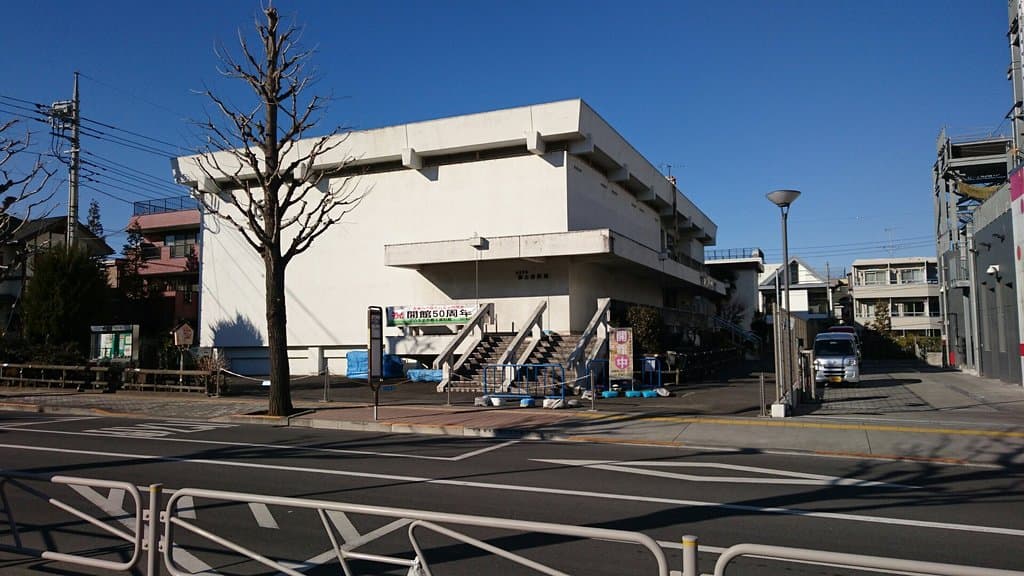
Hachioji City Museum of History and Folklore
Discover Hachioji's past as a castle town and 'Mulberry Capital' through engaging, free, and interactive exhibits.
Highlights
Must-see attractions

Social
From TikTok & Reddit
Best Time
Fewer crowds, more relaxed
Hachioji City Museum of History and Folklore
Best Time
Fewer crowds, more relaxed
Highlights
Must-see attractions
Discover Hachioji's past as a castle town and 'Mulberry Capital' through engaging, free, and interactive exhibits.
"A free museum with interactive displays and a unique doll operation experience – a must-visit!"
🎯 Free Admission!
Entry to the museum is completely free, making it a fantastic budget-friendly cultural experience. :moneywithwings:
📍 Station Proximity
Easily accessible from Hachioji Station, perfect for a quick visit or a day trip. :train2:
Quick Facts
Hours
Rating
3.9 · 100 reviews
Type
Museum
Highlights
Discover the most iconic attractions and experiences
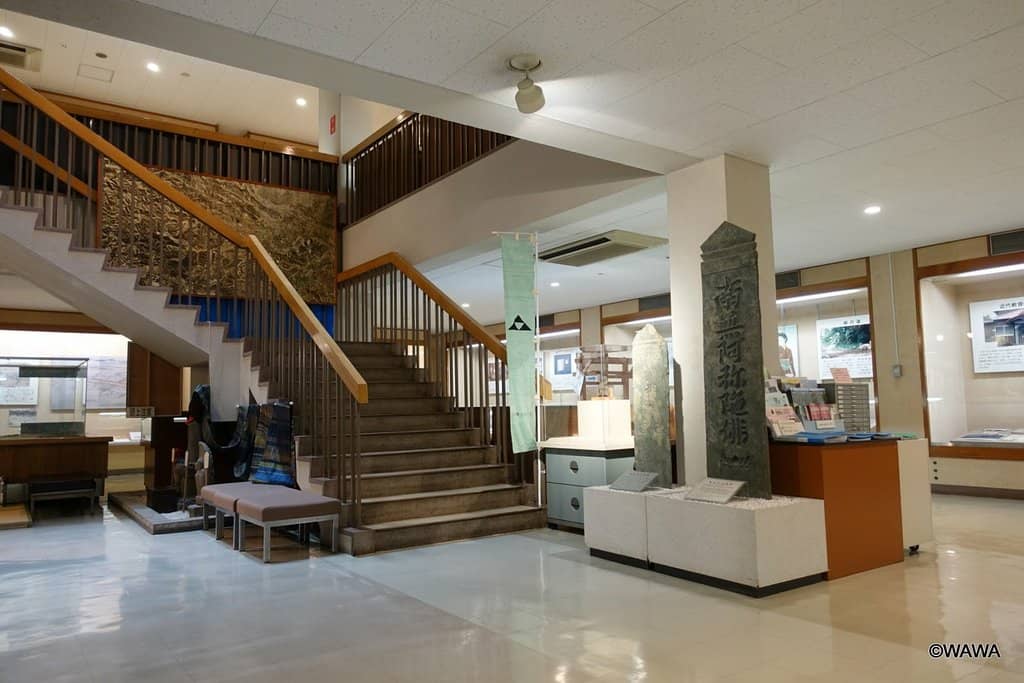
Interactive History Displays
Main Exhibition Hall
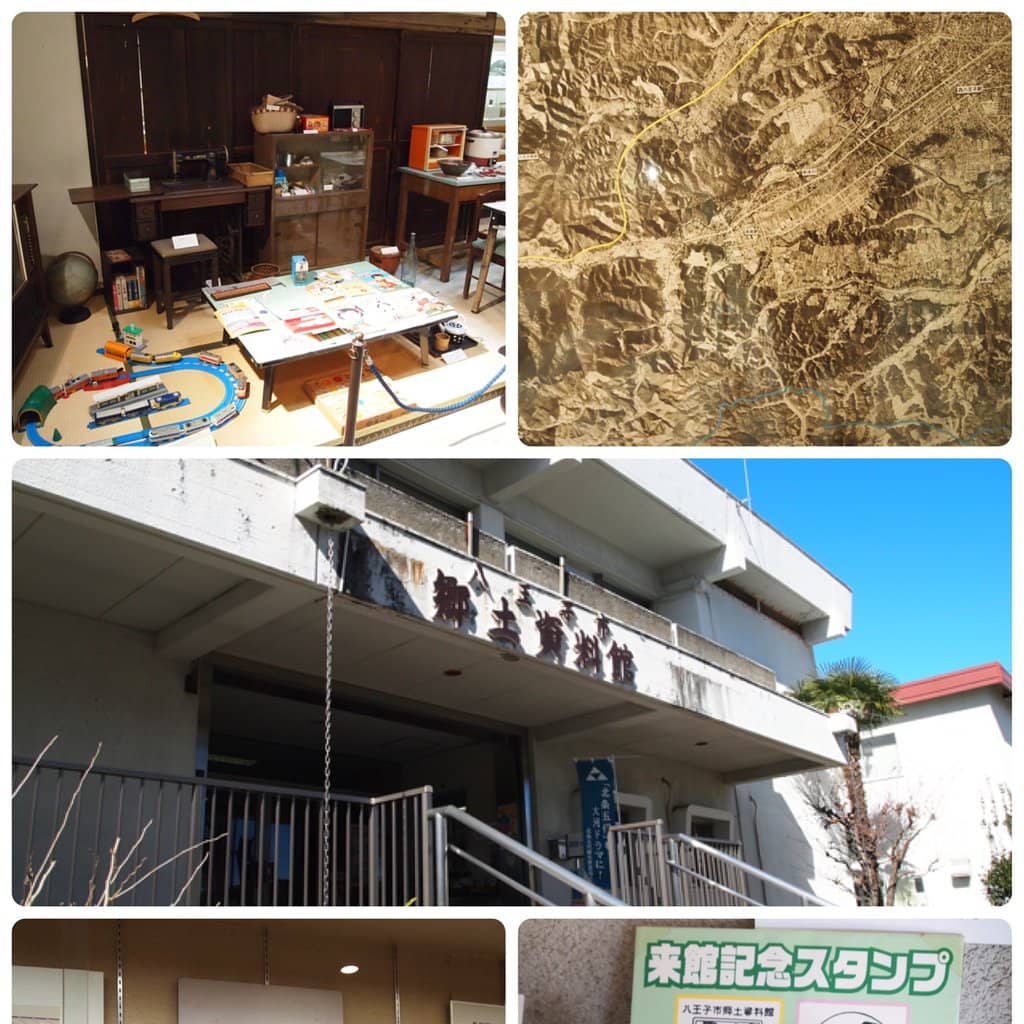
Engaging exhibits with colorful panels and Q&A formats make learning about Hachioji's history fun and accessible for all ages.
Kuruma Ningyo Doll Operation
Special Exhibition Area
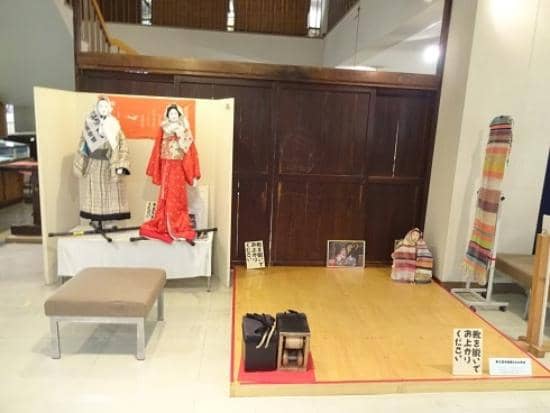
Experience operating traditional Kuruma Ningyo dolls, a designated important intangible cultural property of Japan. A truly unique hands-on activity.
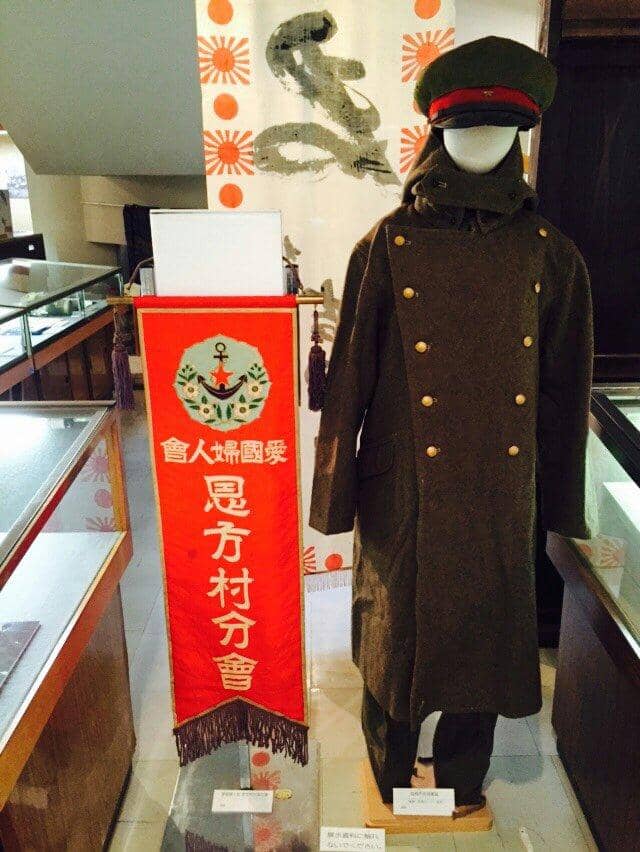
Hachioji Castle Town & Sericulture
Permanent Exhibition
Discover Hachioji's past as a vital post town on the Koshu Kaido and its legacy as the 'Mulberry Capital' due to its thriving silk industry.
Plans like a pro.
Thinks like you
Planning Your Visit
Free Admission, Big Insights
Station Convenience
Best Times
Insider Tips
from TikTok, Instagram & Reddit
🎯 Free Admission!
Entry to the museum is completely free, making it a fantastic budget-friendly cultural experience. :moneywithwings:
📍 Station Proximity
Easily accessible from Hachioji Station, perfect for a quick visit or a day trip. :train2:
🎎 Doll Operation Fun
Don't miss the chance to try operating the Kuruma Ningyo dolls – a unique hands-on experience! :performing_arts:
🗺️ Manhole Card Collection
Collect free manhole cards featuring local designs, a popular souvenir for collectors. :camerawithflash:
Tips
from all over the internet
🎯 Free Admission!
Entry to the museum is completely free, making it a fantastic budget-friendly cultural experience. :moneywithwings:
📍 Station Proximity
Easily accessible from Hachioji Station, perfect for a quick visit or a day trip. :train2:
🎎 Doll Operation Fun
Don't miss the chance to try operating the Kuruma Ningyo dolls – a unique hands-on experience! :performing_arts:
🗺️ Manhole Card Collection
Collect free manhole cards featuring local designs, a popular souvenir for collectors. :camerawithflash:
📚 Local History Deep Dive
Learn about Hachioji's past as a castle town and the 'Mulberry Capital.' 📚
What Travellers Say
Reviews Summary
Visitors appreciate the museum's free admission and interactive exhibits that make learning about Hachioji's history engaging. The unique opportunity to operate traditional dolls and collect free manhole cards are highlighted as special experiences. Some note that while not vast, the displays are well-presented and staff are helpful.
"It feels a little bit more interactive than many local history museums. There are different displays with colorful exteriors and different questions about the local area and its history. Then provides answers.
The museum is free."
David Brix
"Located in Hachioji City, Tokyo, this museum allows visitors to learn about the history of Hachioji. Hachioji is home to the sacred Mount Takao, a place of devout worship for many, including the Sengoku daimyo (feudal lord) Gohojo. As the largest post town on the Koshu Kaido, Hachioji prospered and saw a diverse range of cultures flow in from all over the country. Here, visitors can see how the devotion to Mount Takao and the bustle of the post town shaped the town of Hachioji. Sericulture is an essential part of any discussion of Hachioji. Sericulture was so thriving in Hachioji that it was nicknamed the "Mulberry Capital." Since the Meiji period, raw silk and silk have been exported from Hachioji to overseas markets via Yokohama, supporting Japan's industries. This devotion to Mount Takao and the history of Hachioji, linked to it, have been designated a Japan Heritage Site."
ナインチェ
"📅March 2025
Visited to get a manhole card.
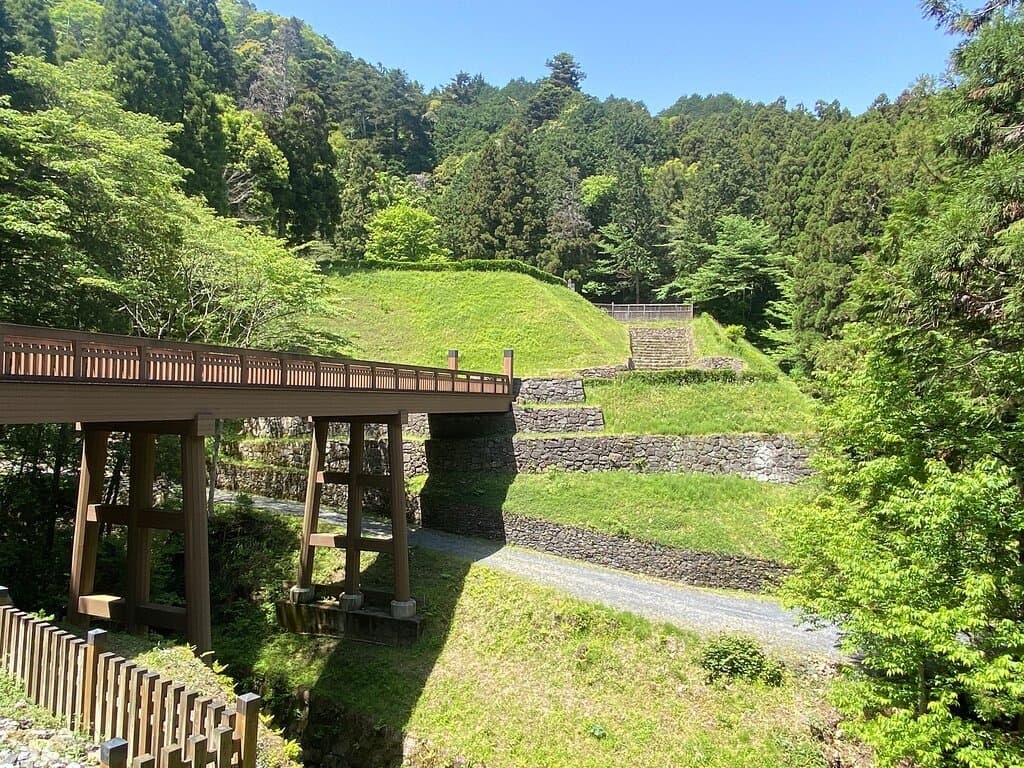
Hachioji has friends living in the neighboring city, so I've been there a few times in the past🎵Last summer, I went to the ruins of Hachioji Castle😆
This time, I went to the Hachioji Museum, located in a tower on the Hachioji Station side. It used to be on display in a small memorial hall nearby, but it has been beautifully reborn✨
The design motif of the manhole card is the Hachioji Kuruma Ningyo, an important intangible cultural property of Japan.
🍀Hachioji City
A castle town that was positioned as a military base by the Gohojo and Tokugawa clans during the Sengoku period.
During the Edo period, it flourished as Hachioji-juku, a post town on the Koshu Kaido road.
It is called "Mulberry City" and "Mulberry Capital" because of the thriving silk weaving industry (Tamaori) and sericulture industries. Raw silk and silk fabrics were gathered in Hachioji and transported to Yokohama Port on the Yokohama Railroad (now the JR Yokohama Line), from where they were exported all over the world as a valuable source of foreign currency at the time.
After the period of high economic growth, it developed as a commuter town."
薩摩律子ばぁば
What People Like
What People Dislike
Frequently Asked Questions
🚇 🗺️ Getting There
The museum is conveniently located near Hachioji Station. From Tokyo, you can take the JR Chuo Line to Hachioji Station, which takes about 40 minutes. The museum is a short walk from the station.
While the museum is close to the station, specific parking information is not widely available. It's recommended to use public transportation to reach the museum.
Absolutely! The museum is an excellent addition to a day trip from Tokyo, especially if you're interested in local history or visiting nearby attractions like Mount Takao.
The JR Chuo Line is the most direct and convenient way to travel from central Tokyo to Hachioji Station. The journey typically takes around 40 minutes.
Yes, Hachioji is known for Mount Takao, a popular hiking and spiritual site. The museum's proximity to the station makes it easy to combine with visits to other local points of interest.
🎫 🎫 Tickets & Entry
The museum offers free admission to all visitors, making it a very accessible cultural experience.
Opening hours can vary, so it's always best to check the official museum website or local listings before your visit. Generally, it's open during typical museum hours on weekdays and weekends.
No, advance booking is not required as admission is free. You can typically walk in during operating hours.
The museum often hosts special exhibitions and events related to Hachioji's history and culture. Check their official announcements for the latest information.
Yes, the museum features interactive displays and engaging content that can be enjoyable for children and families.
🎫 🧭 Onsite Experience
You'll find interactive displays detailing Hachioji's history as a castle town, its importance in sericulture (silk production), and its connection to Mount Takao. There are also opportunities to operate traditional Kuruma Ningyo dolls.
Yes, the museum is noted for being more interactive than many local history museums, with colorful displays and Q&A formats to engage visitors.
Photography policies can vary. It's advisable to check for signage or ask museum staff regarding restrictions on photography, especially for specific exhibits.
Visitors can collect free manhole cards featuring local Hachioji designs, which are popular among collectors.
Information on English language support is not widely publicized. It's recommended to check with the museum directly or look for multilingual signage.
📸 📸 Photography
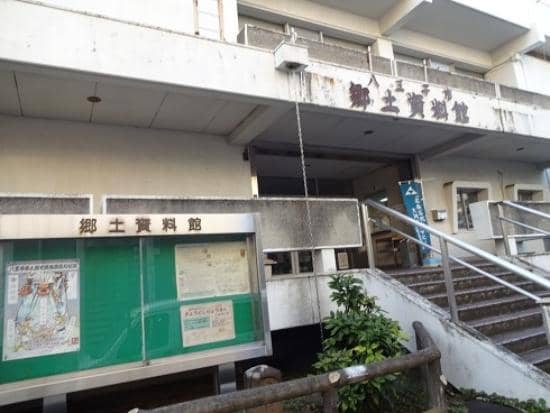
The interactive displays and the unique Kuruma Ningyo dolls offer great photo opportunities. The museum's architecture itself might also be photogenic. +1
You can certainly photograph the manhole cards, but the real joy is collecting them! They are a unique Hachioji souvenir.
While general photography might be allowed, it's always best to confirm with museum staff about specific restrictions, especially for commercial use or flash photography.
A smartphone camera is usually sufficient for capturing the exhibits and interactive elements. If you plan on more professional photography, check the museum's policy.
Beyond the museum, consider Mount Takao for scenic views and natural beauty, or explore the city for its castle town heritage and modern urban landscapes.
Social
from TikTok, Instagram & Reddit