Chuson-ji and Motsu-ji Hiraizumi
Explore Hiraizumi's UNESCO World Heritage sites, including Motsu-ji's serene Pure Land garden and Chuson-ji's dazzling Golden Hall.
Highlights
Must-see attractions

Social
From TikTok & Reddit
Best Time
Peak autumn foliage
Chuson-ji and Motsu-ji Hiraizumi
Best Time
Peak autumn foliage
Highlights
Must-see attractions
Explore Hiraizumi's UNESCO World Heritage sites, including Motsu-ji's serene Pure Land garden and Chuson-ji's dazzling Golden Hall.
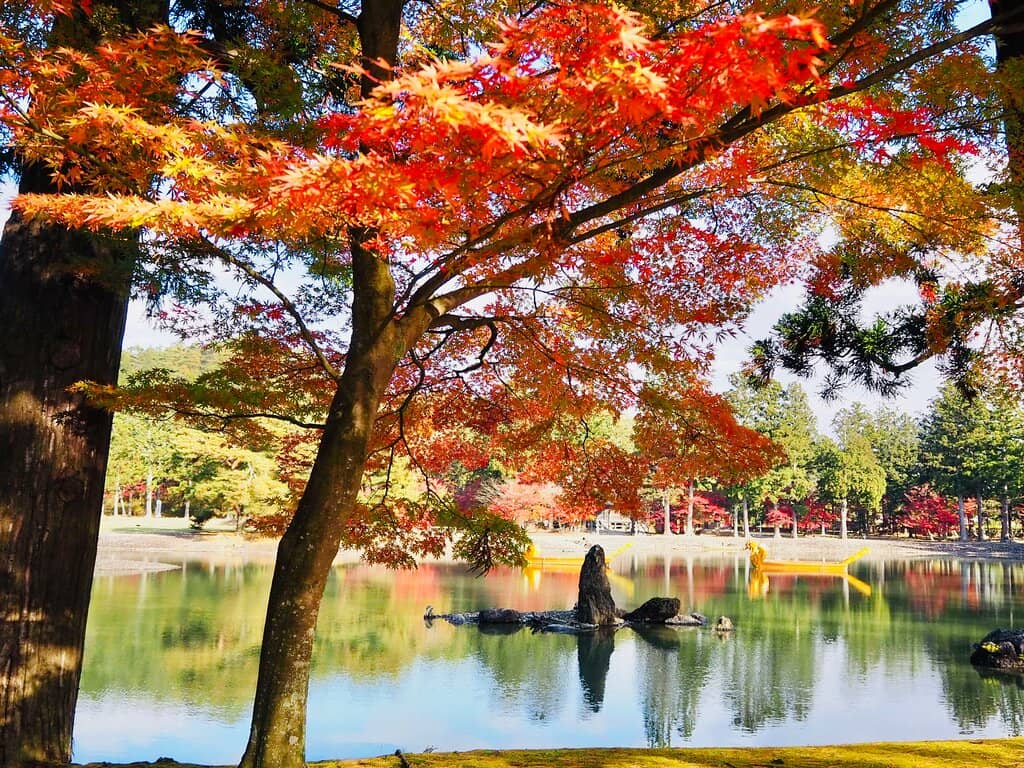
"The nearly one thousand year old garden of Motsu-ji is overwhelmingly beautiful, especially in autumn."
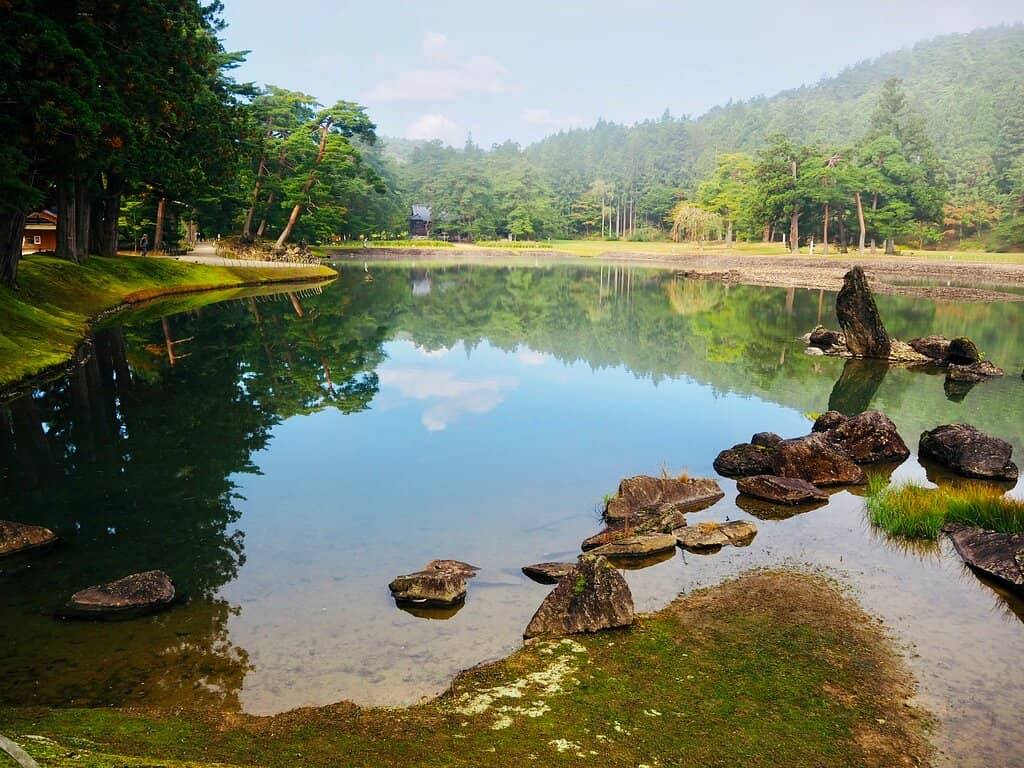
🍁 Embrace Autumn Colors
Visit Motsu-ji in late Oct-Nov for stunning autumn leaves. The garden is truly magical then!
🚶♀️ Stroll Around Ohara Pond
The footpath around Ohara Pond offers ever-changing, beautiful views of the garden and its features.
Quick Facts
Hours
Rating
4.2 · 4,833 reviews
Type
Buddhist Temple
Highlights
Discover the most iconic attractions and experiences
Motsu-ji's Pure Land Garden
Motsu-ji Temple
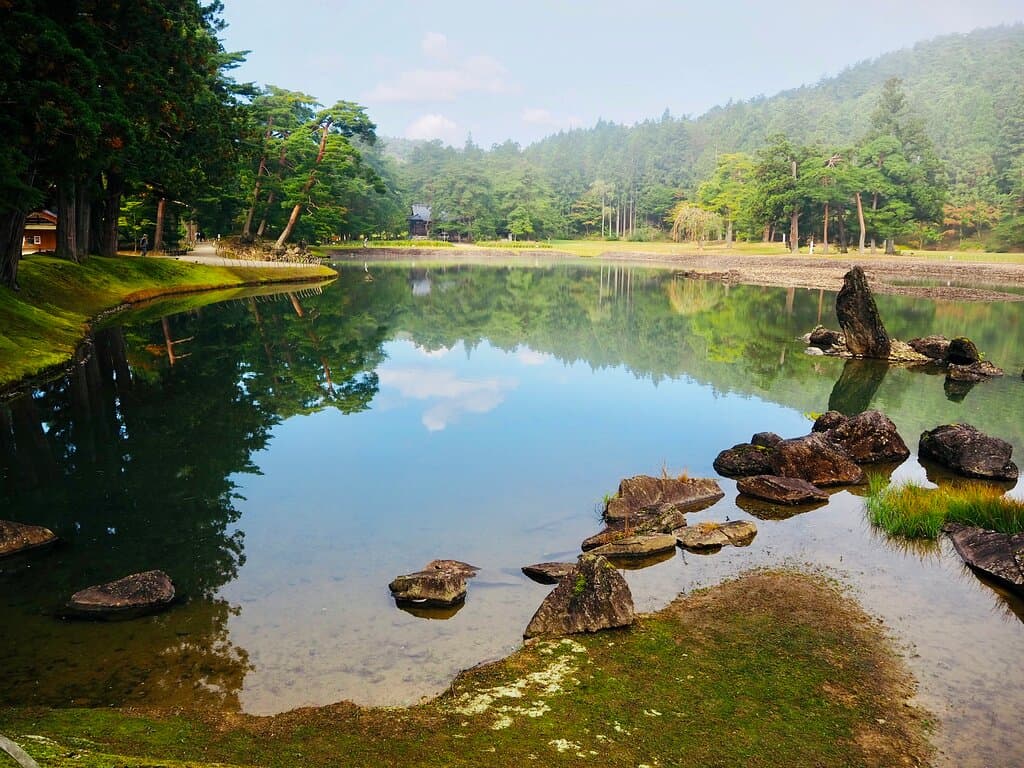
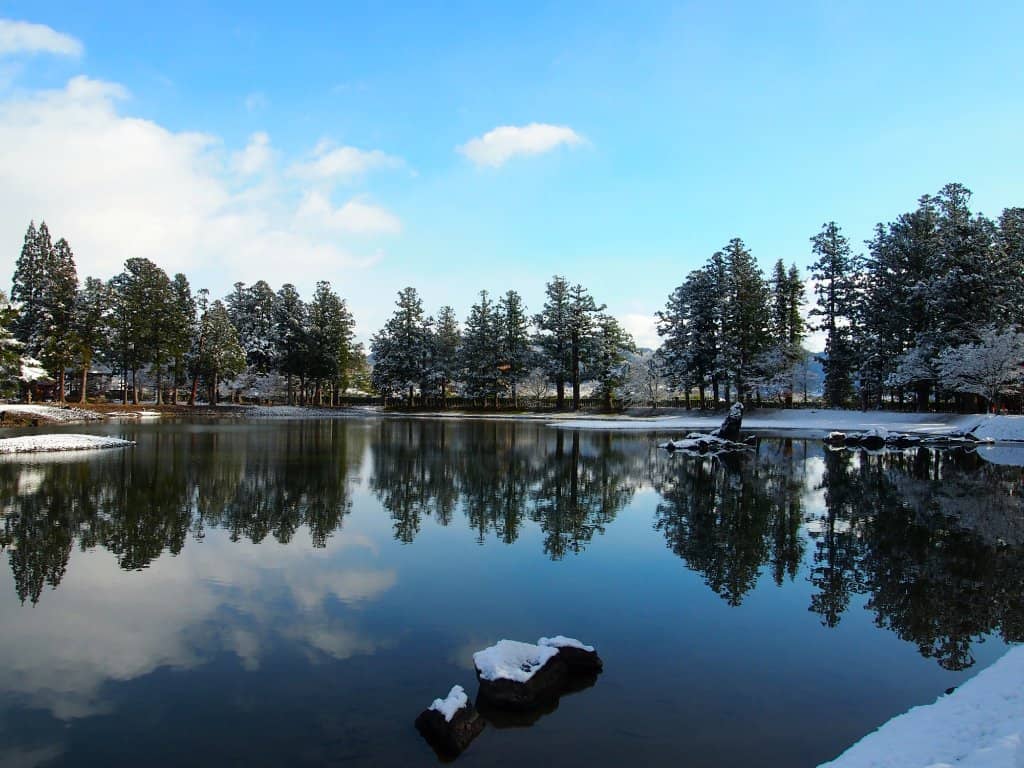
A breathtaking 10,000 sq meter garden designed to represent paradise, with Ohara Pond at its heart.
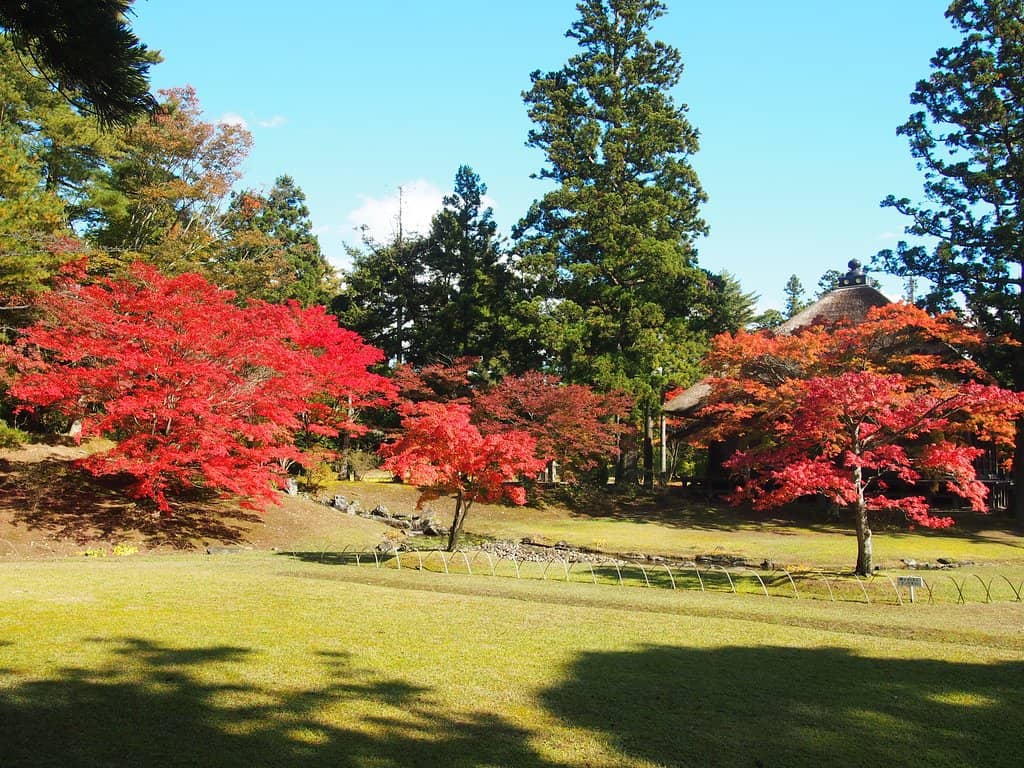
Dejima's Mystical Standing Stones
Motsu-ji Temple, Ohara Pond
Two-meter-tall standing stones rising from the water on Dejima, creating an ethereal and captivating sight.
Chuson-ji's Golden Hall
Chuson-ji Temple
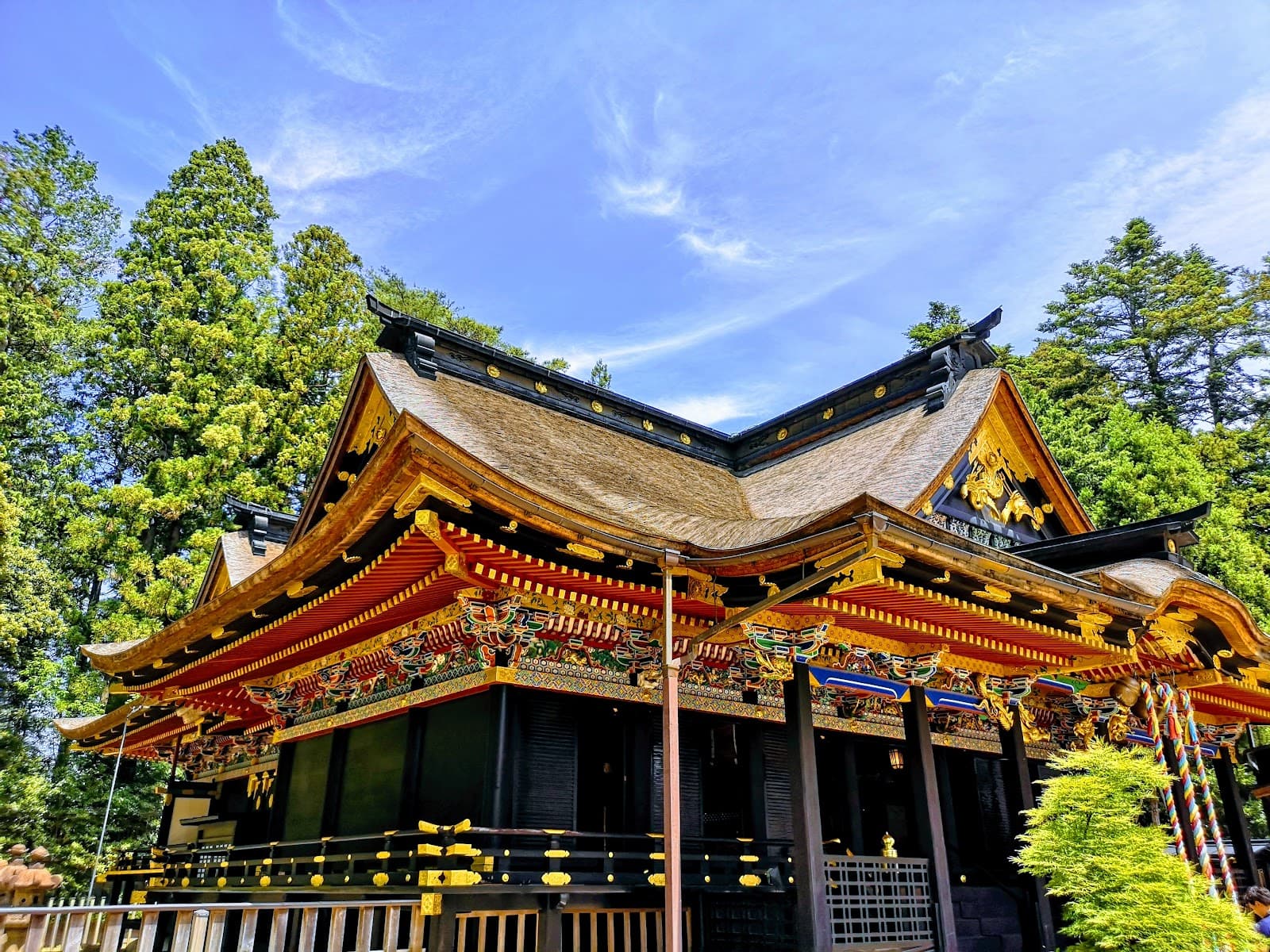
The iconic Konjikido (Golden Hall), a dazzling testament to Heian period artistry and Buddhist devotion.
Plans like a pro.
Thinks like you
Planning Your Visit
Timing is Everything for Autumn Colors
Hiraizumi's Historical Significance
Best Times
Insider Tips
from TikTok, Instagram & Reddit
🍁 Embrace Autumn Colors
Visit Motsu-ji in late Oct-Nov for stunning autumn leaves. The garden is truly magical then!
🚶♀️ Stroll Around Ohara Pond
The footpath around Ohara Pond offers ever-changing, beautiful views of the garden and its features.
✨ Admire the Golden Hall
Don't miss Chuson-ji's Konjikido (Golden Hall) – a dazzling masterpiece of Heian art.
⏳ Allow ample time
Hiraizumi has a rich history. Give yourself enough time to explore both Motsu-ji and Chuson-ji properly.
Tips
from all over the internet
🍁 Embrace Autumn Colors
Visit Motsu-ji in late Oct-Nov for stunning autumn leaves. The garden is truly magical then!
🚶♀️ Stroll Around Ohara Pond
The footpath around Ohara Pond offers ever-changing, beautiful views of the garden and its features.
✨ Admire the Golden Hall
Don't miss Chuson-ji's Konjikido (Golden Hall) – a dazzling masterpiece of Heian art.
⏳ Allow ample time
Hiraizumi has a rich history. Give yourself enough time to explore both Motsu-ji and Chuson-ji properly.
What Travellers Say
Reviews Summary
Visitors are consistently awestruck by the beauty of Motsu-ji's Pure Land garden, especially during autumn when the foliage is at its peak. The historical significance of Hiraizumi, particularly Chuson-ji's Golden Hall, is also a major draw. While some find the historical explanations extensive, the overall consensus is that Hiraizumi is a deeply rewarding and beautiful destination.
"I didn't expect the nearly one thousand year old garden of Mōtsūji to be so overwhelmingly beautiful. The key is to visit at the hight of autumn, when the maple trees between the old sugi pines turn an incredibly deep shade of red. It was interesting to find the foundations of the temples that once stood besides the lake, and immagine what life in the distant past might have been like"
Emiel Van Herck
"A famous World Heritage garden representing the Pure Land of the late Heian period
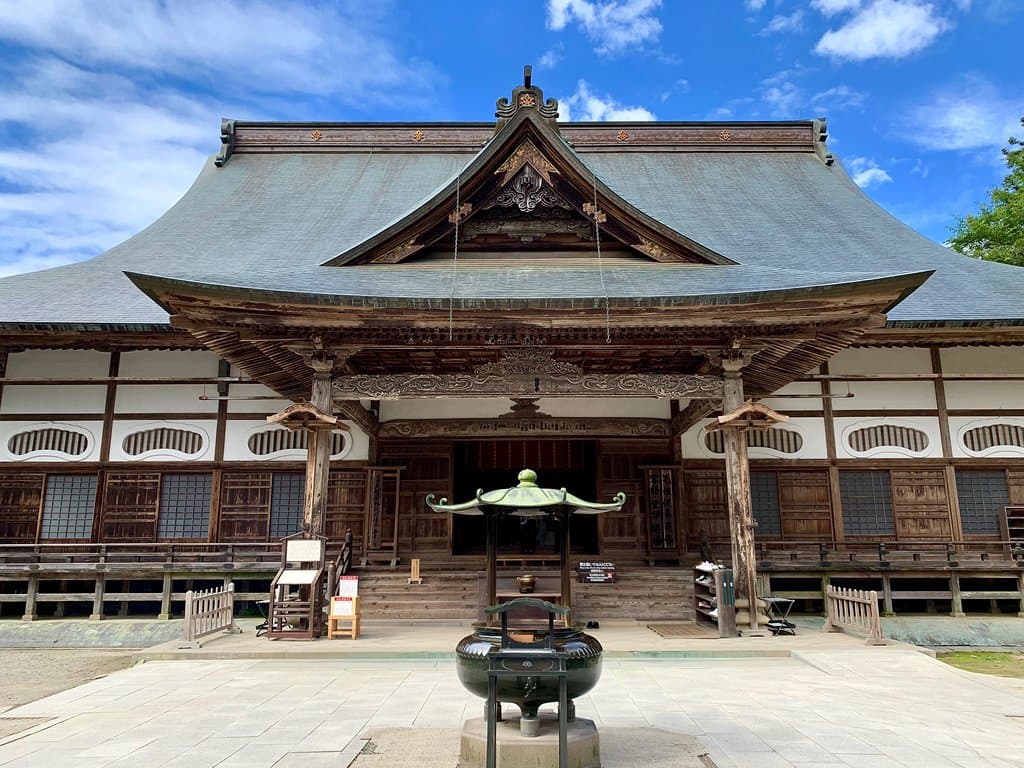
Motsuji Temple is said to have been founded by Jikaku Daishi in the early Heian period. Its garan (temple buildings) were constructed in the later years of Fujiwara no Motohira, a powerful clan leader in the late Heian period, and during the reigns of the second and third lords, Motohira and Hidehira, it boasted such scale and splendor that it was described as "unparalleled in our country." According to the Kamakura period history book "Azuma Zei," at the end of the 12th century, Motsuji Temple had as many as 40 halls and pagodas and 500 monks' quarters. However, it suffered repeated disasters from the Kamakura period through the Muromachi period, and all of the buildings were burned down.
The Pure Land garden and the remains of the temple complex from the Heian period have been preserved in almost perfect condition, retaining the beauty of the former garden. The world that unfolds around Ohara Pond, which covers an area of approximately 10,000 square meters, is the Pure Land itself. The area around the pond and the island in the middle are paved with pebbles, and the sandbar creates a beautiful coastline with its soft curves, the hills made of large and small stones create a cliffscape, and the remains of the pond are used to draw water. Enjoy this precious and famous garden that conveys the ideas and techniques of Sakuki, Japan's oldest garden design manual, to the present day.
Among them, Dejima, which looks like a rough shore, is on the southeastern shore of the pond and is considered one of the most beautiful sights. You will be captivated by the mystical appearance of the two-meter-tall standing stones rising out of the water.
The bush clover flowers in the temple grounds are usually at their best from late September, and the autumn leaves are at their best from late October to mid-November.
Motsuji Temple (Hiraizumi Town, Nishii District, Iwate Prefecture)
Opening hours: 8:30~17:00
(November 5, 2025 - March 4, 2026: 8:30 - 16:30)
No closed days for worship
Admission fee: 700 yen, high school students 400 yen, elementary and junior high school students 200 yen
[Hagi Festival] Thursday, September 25th to Monday, October 20th, 2025
A dance performance of Ennen no Mai and a special viewing of the main hall will be held.
Autumn Leaves Festival: October 26th (Sun) - November 15th (Sat), 2025
Performances of Ennen no Mai and other events are planned."
Jonathan Lim
"A very beautiful and scenic Buddhist temple that is designated as an UNESCO cultural/heritage site. There is a also a very large garden with a footpath that accompanies the temple and its buildings, which are placed around a scenic lake. The walk around the lake offers very different views depending on where you are on the path. You can see sites of where temples used to stand (some were burnt down in wars, etc.) as well as the ones that still remain to this day. During the walk around the lake on the footpath, there is a large bell in a belfry, a gentle stream that empties into the lake, as well as a set of strategically-placed rocks and stones made to resemble a landscape. Most definitely worth the entrance fee. Very highly recommended!"
Shingo S. Ishida
What People Like
What People Dislike
Frequently Asked Questions
🚇 🗺️ Getting There
Take the JR Tohoku Shinkansen from Morioka Station to Ichinoseki Station (approx. 30-40 minutes). From Ichinoseki, transfer to the JR Ofunato Line and alight at Hiraizumi Station (approx. 10 minutes). Buses are also available from Ichinoseki Station to Chuson-ji and Motsu-ji.
Yes, Hiraizumi is definitely worth a day trip from Sendai. It's a UNESCO World Heritage site with significant historical and cultural importance. The journey is manageable, and the sites are incredibly rewarding.
Yes, Chuson-ji and Motsu-ji are within walking distance of each other, approximately a 15-20 minute pleasant stroll. This makes it easy to visit both sites consecutively.
Once you arrive at Hiraizumi Station, you can walk between the main sites, take local buses, or rent a bicycle. Walking is recommended for enjoying the scenery and the short distance between Motsu-ji and Chuson-ji.
The fastest way from Tokyo is to take the Tohoku Shinkansen to Ichinoseki Station, then transfer to the JR Ofunato Line to Hiraizumi. The total journey takes around 3-4 hours.
🎫 🎫 Tickets & Entry
Motsu-ji Temple admission is 700 yen for adults, with reduced rates for students. Chuson-ji Temple has a separate fee for the Golden Hall (Konjikido) and museum, typically around 800 yen for adults.
Motsu-ji Temple is generally open from 8:30 AM to 5:00 PM (closing earlier in winter). Chuson-ji Temple's grounds are accessible, but the Golden Hall and museum have specific hours, usually from 8:30 AM to 4:30 PM. Always check the official websites for the most current times.
Advance booking is generally not required for Motsu-ji and Chuson-ji, but it's advisable during peak seasons like autumn foliage to save time. You can purchase tickets at the entrance.
While there aren't typically combined tickets for Motsu-ji and Chuson-ji, the entrance fees are reasonable, and the experience is well worth the individual costs.
For the most vibrant experience, visit Motsu-ji Temple during late October to mid-November for peak autumn colors, or from late September to mid-October for the Hagi Festival.
🎫 ✨ Onsite Experience
The main attractions are the expansive Pure Land garden surrounding Ohara Pond, the historical foundations of former temple buildings, and the unique Dejima with its mystical standing stones.
The Konjikido (Golden Hall) is a stunning example of Heian period Buddhist architecture and art, covered in gold leaf and adorned with intricate mother-of-pearl inlay. It's a UNESCO World Heritage treasure.
Photography is generally prohibited inside the Golden Hall to protect the delicate artwork. However, you can take photos of the exterior and the surrounding temple grounds.
Both Motsu-ji and Chuson-ji involve walking on well-maintained paths. Motsu-ji has a lovely footpath around Ohara Pond, and Chuson-ji has paths leading to various halls and the museum. Comfortable shoes are recommended.
Yes, Motsu-ji hosts the Hagi Festival (late Sept-Oct) with dance performances and the Autumn Leaves Festival (late Oct-Nov) with similar events. Check their schedules for specific dates.
📸 📸 Photography
The entire Pure Land garden offers stunning photographic opportunities, especially around Ohara Pond. Dejima with its standing stones and the reflections in the water are particularly picturesque. Capture the changing colors of the foliage in autumn.
Early morning or late afternoon light provides the most flattering illumination for photography, creating softer shadows and warmer tones. Golden hour can be magical for the gardens.
A versatile lens like a 24-70mm is great for capturing both landscapes and details. A wide-angle lens can be useful for the expansive gardens, and a tripod can help with low-light conditions or capturing reflections.
Drone usage is generally restricted at historical and religious sites to preserve the atmosphere and for safety reasons. It's best to assume drones are not permitted unless explicitly stated otherwise.
The Golden Hall (Konjikido) is undoubtedly the most iconic subject. Also, consider capturing the surrounding temple buildings, the serene atmosphere of the grounds, and any seasonal blooms or foliage.

Social
from TikTok, Instagram & Reddit