Sankozo Museum Chuson-ji Treasure Hall
Discover the legacy of the Oshu Fujiwara clan through thousands of Heian-period treasures, including national treasures and rare sutras.

Highlights
Must-see attractions

Social
From TikTok & Reddit
Best Time
Vibrant fall foliage enhances beauty
Sankozo Museum Chuson-ji Treasure Hall
Best Time
Vibrant fall foliage enhances beauty
Highlights
Must-see attractions
Discover the legacy of the Oshu Fujiwara clan through thousands of Heian-period treasures, including national treasures and rare sutras.
"Amazed by the preservation of coffins, head encasements, and sutras from 900 years ago."
🎟️ Get the Combo Ticket
One ticket covers Konjikido, Sutra Repository, Old Covered Hall, and Sankogura. Save money and time!
🚶 Start at Sankogura
Gain context about the Oshu Fujiwara clan before seeing the Konjikido. Highly recommended for first-timers.
Quick Facts
Hours
Rating
4.3 · 117 reviews
Type
Museum
Highlights
Discover the most iconic attractions and experiences
Konjikido (Golden Hall)
Chuson-ji Temple
The dazzling Golden Hall, adorned with gold leaf and intricate details, is a breathtaking testament to Heian-period artistry.
Sankogura Treasure Hall
Chuson-ji Temple
Explore over 3,000 cultural assets, including Buddha statues and rare sutras, offering a glimpse into the Oshu Fujiwara clan's prosperity.

Heian Period Buddha Statues
Sankogura & other halls
Marvel at numerous national treasures and important cultural properties, many dating back to the Heian period, remarkably preserved.
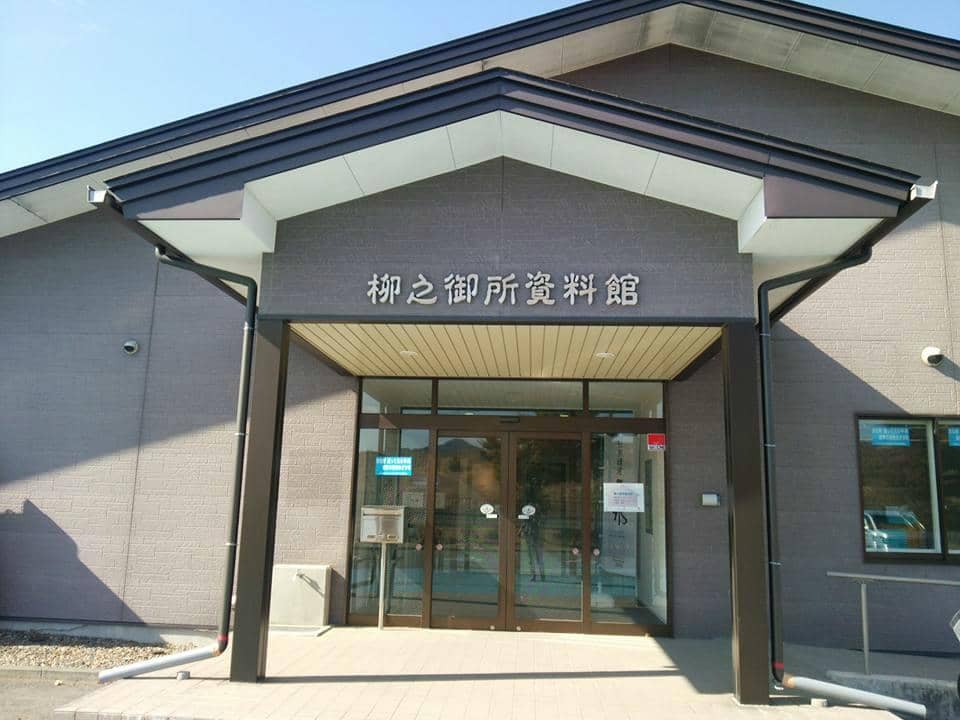
Chusonji Sutra Collection
Sankogura
Witness the beauty of over 4,000 sutras, meticulously copied with gold and silver on navy paper, showcasing a high cultural level.
Plans like a pro.
Thinks like you
Planning Your Visit
Ticket Essentials
Preserving History
Best Times
Insider Tips
from TikTok, Instagram & Reddit
🎟️ Get the Combo Ticket
One ticket covers Konjikido, Sutra Repository, Old Covered Hall, and Sankogura. Save money and time!
🚶 Start at Sankogura
Gain context about the Oshu Fujiwara clan before seeing the Konjikido. Highly recommended for first-timers.
📸 Commemorative Photos
Photography isn't allowed inside the Golden Hall, but a large image at the end of the exhibition allows for photos.
🍂 Enjoy Autumn Colors
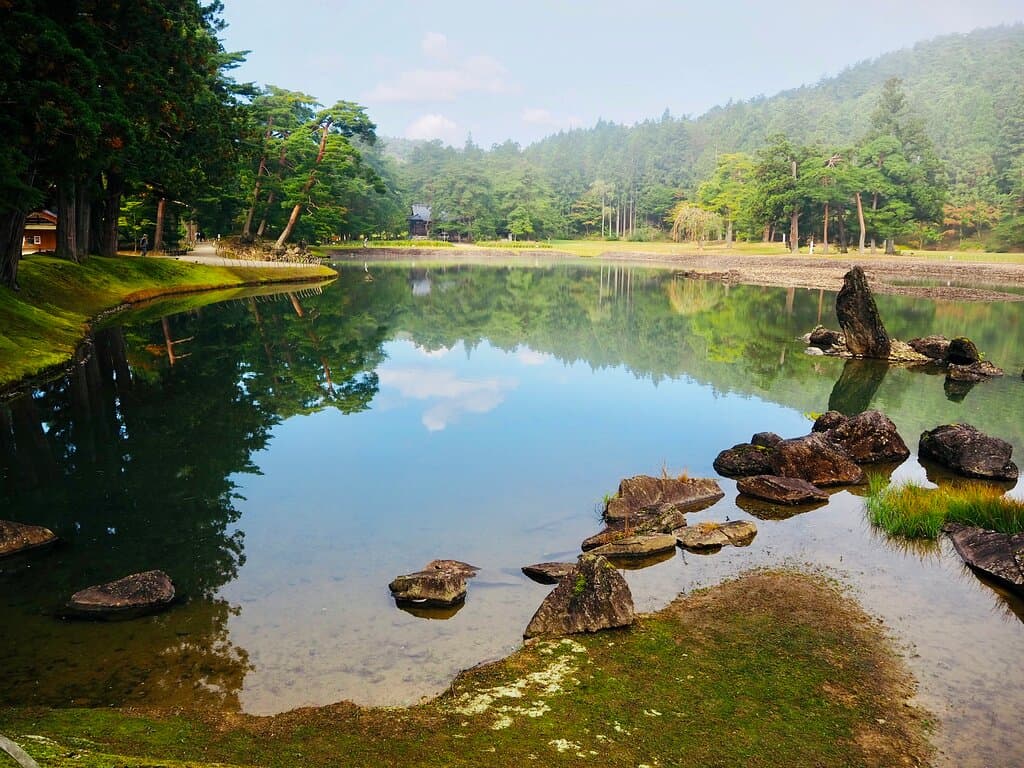
The autumn leaves were at their best during one visitor's experience, adding to the stunning scenery.
Tips
from all over the internet
🎟️ Get the Combo Ticket
One ticket covers Konjikido, Sutra Repository, Old Covered Hall, and Sankogura. Save money and time!
🚶 Start at Sankogura
Gain context about the Oshu Fujiwara clan before seeing the Konjikido. Highly recommended for first-timers.
📸 Commemorative Photos
Photography isn't allowed inside the Golden Hall, but a large image at the end of the exhibition allows for photos.
🍂 Enjoy Autumn Colors
The autumn leaves were at their best during one visitor's experience, adding to the stunning scenery.
🧐 Appreciate the History
Be amazed by the preservation of coffins, head encasements, and sutras from 900 years ago.
What Travellers Say
Reviews Summary
Visitors are deeply impressed by the historical significance and artistic preservation within Sankogura, particularly the artifacts from the Oshu Fujiwara clan and the remarkably preserved Heian-period treasures. The ability to see national treasures and important cultural properties, including ancient sutras and Buddha statues, is a major highlight. Some visitors note the restriction on photography inside the halls, though a designated photo spot is appreciated.
"To visit the Konjikido, you will need to purchase an admission ticket (1,000 yen for adults) here. This single ticket covers all four facilities: the Konjikido, the Sutra Repository, the Old Covered Hall, and Sankogura.
Sankogura houses many cultural assets, mainly related to the Oshu Fujiwara clan. The guide also explains the highlights of the Konjikido, and we recommend that first-time visitors to Chusonji visit Sankogura first."
シドK
"Inside the museum, there are many national treasures and important cultural properties on display. They are all from the end of the Heian period. Outside, the autumn leaves were at their best."
H. K
"Sankogura is a treasure museum that houses over 3,000 cultural assets left behind by the Oshu Fujiwara clan, including various Buddha statues from the Heian period, the Chusonji Sutra, a national treasure, and grave goods from the remains of the Oshu Fujiwara clan, and it conveys to the present day the appearance of the great temple complex Chusonji Temple, which was built by the Oshu Fujiwara clan during the Heian period."
M壊殻
What People Like
What People Dislike
Frequently Asked Questions
🚇 🗺️ Getting There
Sankogura is part of the Chuson-ji Temple complex in Hiraizumi, Iwate Prefecture. You can reach Chuson-ji Temple by taking the Tohoku Shinkansen to Ichinoseki Station, then transferring to the local JR Tohoku Line to Mizusawa Station, followed by a bus or taxi to the temple. Alternatively, direct buses are available from Ichinoseki Station.
Yes, there is parking available at Chuson-ji Temple. It's convenient for those traveling by car, allowing easy access to the various halls including the Sankogura.
Chuson-ji Temple is spread out, so comfortable walking shoes are essential. The Sankogura is one of the key buildings to visit within the temple grounds.
Yes, public transport is available to reach Chuson-ji Temple, where the Sankogura is located. Buses from Mizusawa Station or Ichinoseki Station are common options.
While not explicitly mentioned for Sankogura itself, guided tours are often available for Chuson-ji Temple, which can provide deeper insights into the history and artifacts housed within the Sankogura and other buildings.
🎫 🎫 Tickets & Entry
The Sankogura is accessible with a general admission ticket to Chuson-ji Temple, which costs 1,000 yen for adults. This ticket covers multiple facilities, including the Konjikido and the Sutra Repository.
The 1,000 yen admission ticket for Chuson-ji Temple includes access to the Konjikido, the Sutra Repository, the Old Covered Hall, and the Sankogura (Treasure Hall).
No, tickets for Sankogura are not sold separately. You must purchase the general admission ticket for Chuson-ji Temple, which includes entry to Sankogura.
Sankogura, as part of Chuson-ji Temple, generally follows the temple's operating hours. It's best to check the official Chuson-ji Temple website for the most current opening and closing times, as they can vary seasonally.
Information on specific discounts for Sankogura or Chuson-ji Temple is not widely available. It's advisable to check the official Chuson-ji Temple website for any potential group rates or special offers.
🎫 🧭 Onsite Experience
Inside Sankogura, you'll find over 3,000 cultural assets from the Oshu Fujiwara clan, including various Buddha statues from the Heian period, the Chusonji Sutra (a national treasure), and grave goods.
Photography is generally not permitted inside the Sankogura Treasure Hall, similar to the Konjikido. However, at the end of the exhibition, there's a large image of the Golden Hall's inner sanctuary where commemorative photos can be taken.
To fully appreciate the artifacts and gain context, allocate at least 30-60 minutes for Sankogura. Visiting it first can enhance your understanding of the entire Chuson-ji Temple complex.
Information panels are typically available within the Sankogura to explain the exhibits. While specific audio guide availability isn't detailed, the exhibits themselves are rich with historical significance.
The Oshu Fujiwara clan were powerful rulers in northern Japan during the Heian period, and Chuson-ji Temple was their grandest religious establishment, showcasing their wealth and cultural achievements.
📸 📸 Photography
Photography is restricted inside the main exhibition halls like the Konjikido and Sankogura. However, the temple grounds offer many beautiful spots for photography, especially during autumn. A designated area at the end of the Sankogura exhibition allows for photos of the Golden Hall's inner sanctuary.
Yes, at the conclusion of the Sankogura exhibition, there is a large replica or image of the Golden Hall's inner sanctuary where visitors are permitted to take commemorative photos.
Early mornings or late afternoons can offer softer light for photography. Autumn is particularly stunning due to the vibrant foliage, making the temple grounds and buildings even more picturesque.
No, photography of the artifacts inside Sankogura is strictly prohibited to preserve these valuable national treasures and cultural properties.
Focus on the temple's architecture, the serene temple grounds, the surrounding nature (especially during autumn), and the permitted commemorative photo area at Sankogura.

Social
from TikTok, Instagram & Reddit