Obata Castle Town Obata-juku
Step back into Edo-period Japan at Obata Castle Town, a historic gem featuring preserved samurai residences and the stunning Rakuzan-en garden.
Highlights
Must-see attractions

Social
From TikTok & Reddit
Best Time
Blossoms enhance garden beauty
Obata Castle Town Obata-juku
Best Time
Blossoms enhance garden beauty
Highlights
Must-see attractions
Step back into Edo-period Japan at Obata Castle Town, a historic gem featuring preserved samurai residences and the stunning Rakuzan-en garden.
"A charming historical town with a beautiful garden, offering a peaceful glimpse into Japan's Edo era."
🚶♀️ Stroll & Explore
Take your time to wander the streets and appreciate the historical Edo period atmosphere. 🚶
💰 Garden Admission
Entry to the Rakuzan-en garden is 300 yen. Plan accordingly for this key attraction. :moneybag:

Quick Facts
Hours
Rating
4.4 · 18 reviews
Type
Historical Place
Highlights
Discover the most iconic attractions and experiences
Rakuzan-en Garden
On the site of the former jin'ya
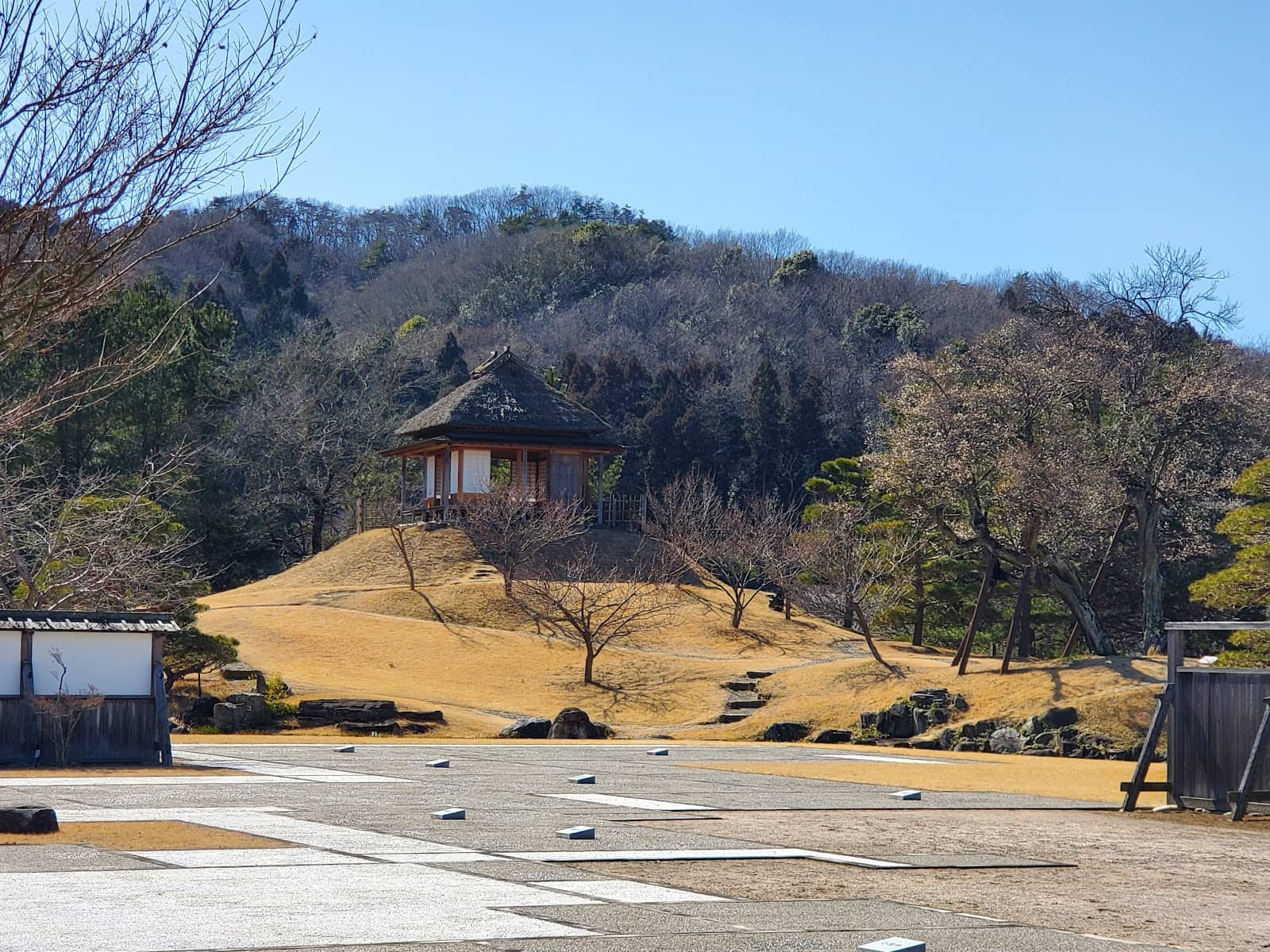
A meticulously restored Edo-period feudal lord's garden, a national scenic spot and the prefecture's only remaining example.
Samurai Residences & Townscape
Throughout Obata-juku
Wander through streets that retain their Edo-period charm, with preserved samurai residences and a unique castle town layout.
Obata Weir (Ogawazeki)
Near Kanra Comprehensive Park
Part of a historical water management system, recognized as one of Japan's 100 best water sources.
Plans like a pro.
Thinks like you
Planning Your Visit
Embrace the Edo Charm
Garden Entry & Historical Context
Best Times
Insider Tips
from TikTok, Instagram & Reddit
🚶♀️ Stroll & Explore
Take your time to wander the streets and appreciate the historical Edo period atmosphere. 🚶
💰 Garden Admission
Entry to the Rakuzan-en garden is 300 yen. Plan accordingly for this key attraction. :moneybag:
📚 Visit the Museum
The nearby folk museum offers deeper insights into the area's history. :museum:
☕ Enjoy Local Cafes
Discover stylish cafes dotted around the town for a relaxing break. ☕
Tips
from all over the internet
🚶♀️ Stroll & Explore
Take your time to wander the streets and appreciate the historical Edo period atmosphere. 🚶
💰 Garden Admission
Entry to the Rakuzan-en garden is 300 yen. Plan accordingly for this key attraction. :moneybag:
📚 Visit the Museum
The nearby folk museum offers deeper insights into the area's history. :museum:
☕ Enjoy Local Cafes
Discover stylish cafes dotted around the town for a relaxing break. ☕
What Travellers Say
Reviews Summary
Visitors praise Obata Castle Town Obata-juku for its well-preserved Edo-period atmosphere and the beauty of the Rakuzan-en garden. Many appreciate the historical significance tied to the Oda clan and the town's development. Some note that it's more of a fortified residence (jin'ya) than a traditional castle, and dining options are limited to cafes.
"This is a land associated with the Oda clan after the country was at peace.
After the Okudaira, Mizuno, Nagai, and others, it is said that the castle town and irrigation system were developed by Nobuyoshi, the fourth son of Oda Nobuo, the second son of Oda Nobunaga, and now waterways run throughout the town.
It seems that Nobuo himself had never visited Rakuzan-en, a gorgeous garden created on the site of a jin'ya, and I also did not climb this castle, as I was on my way back from climbing Kunimine Castle from Obata Park.
There are no castle remains from the Sengoku period, but it is recommended for a historical walk around the remains of the feudal government and castle town that flourished in the Edo period.
The area is dotted with stylish cafes, making it a stylish castle town.
The nearby folk museum is also recommended."
おやじ三等兵
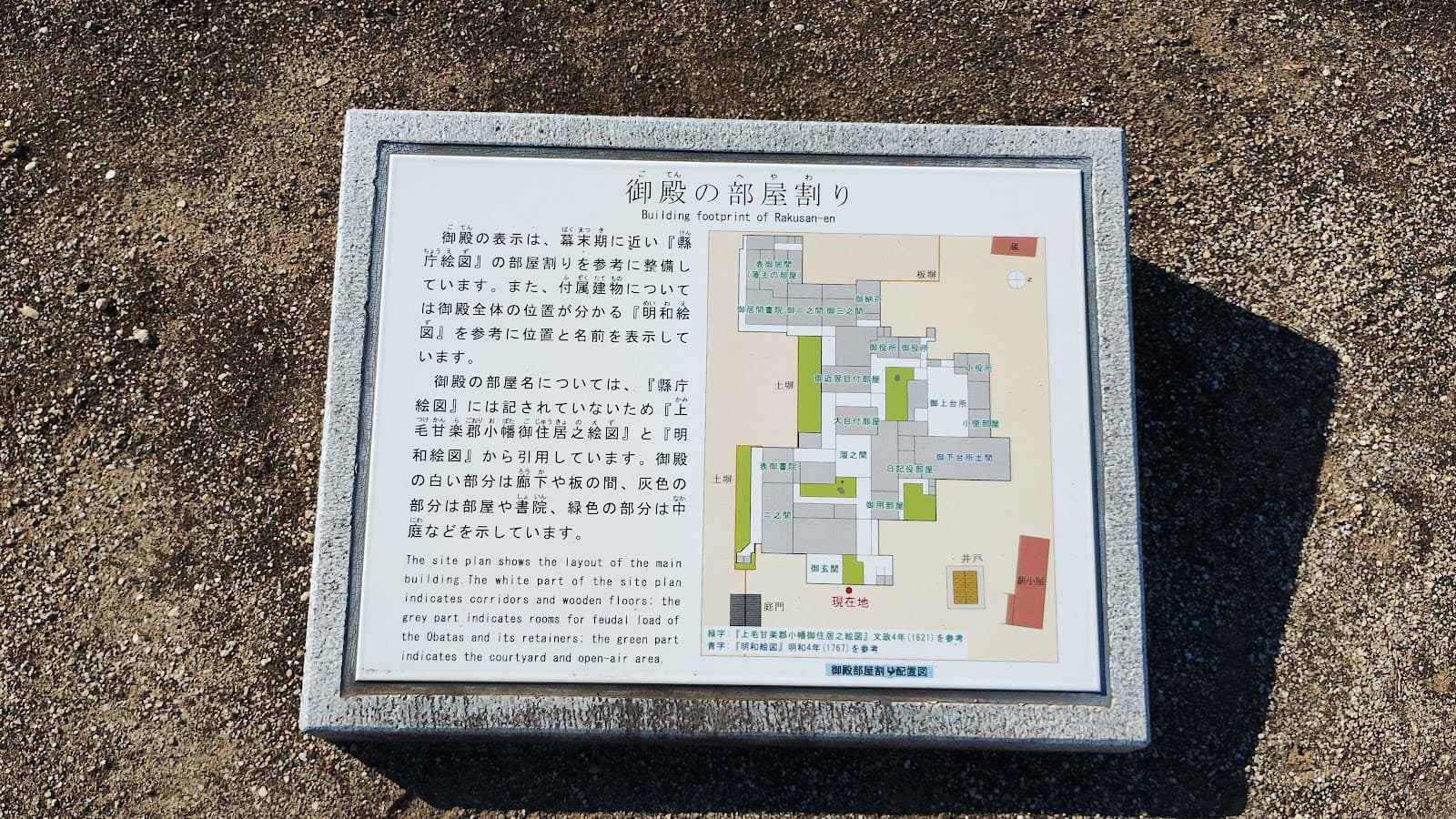
"Although there are earthworks and dry moats, judging from the diorama on display in the Jukyuken Nagaya, it may be better to call it a mansion rather than a castle. According to the guide board for the layout of the palace's rooms, the structure is structured with public spaces such as the rooms for official use and the study on the east side, the kitchen on the north side, and living spaces such as the lord's room on the west side. When wars ceased in the Tokugawa era, it cost less to maintain than a large castle, and it also showed the Tokugawa family that there was no hostility, so it may have been a foresight to kill two birds with one stone.
Obata Jin'ya was built by the third lord of the domain, Oda Nobumasa (grandson of Nobukatsu, the second son of Oda Nobunaga). After the Oda clan was transferred due to their involvement in the Meiwa Incident, the Matsudaira clan took over, and it was called Obata Castle during the late Edo period."
ゆうのすけ
"Admission is 300 yen.
Obata Castle was a castle town with a fief of 20,000 koku that continued for over 250 years under the Oda and Matsudaira clans during the Edo period. The Oda clan's rule lasted for 152 years and eight generations, beginning with Nobukatsu, the second son of the Sengoku period warlord Oda Nobunaga. Samurai residences and other buildings from that time still remain, and even today the Edo period atmosphere remains strong. The feudal lord garden Rakusanen, built on the clan's residence, is designated as a national scenic spot and is the only remaining feudal lord garden in the prefecture, making it a symbol of the town. It is also being restored and maintained, evoking the passage of time. There are many sights to soothe the souls of visitors, such as Ogawazeki, one of Japan's 100 best water sources, and Kanra Comprehensive Park, one of Japan's 100 best historical parks."
Jハードラー
What People Like
What People Dislike
Frequently Asked Questions
🚇 🗺️ Getting There
Obata Castle Town Obata-juku is accessible by public transport. From major cities, you can take a train to a nearby station and then a local bus or taxi. Driving is also an option, with parking available. Check local transit schedules for the most up-to-date information.
Yes, the castle town is designed for walking. The main attractions, including the Rakuzan-en garden and samurai residences, are within a comfortable walking distance of each other.
A leisurely stroll is the best way to experience Obata-juku. Consider picking up a local map from the visitor center or museum to guide your exploration of the historical sites.
🎫 🎫 Tickets & Entry
While exploring the town itself is free, there is an admission fee of 300 yen to enter the Rakuzan-en garden, which is a highlight of the area.
Opening hours can vary seasonally. It's recommended to check the official local tourism website or inquire at the visitor center for the most current operating times before your visit.
Tickets for Rakuzan-en garden are typically purchased on-site. There are no advance booking requirements for general town exploration.
Currently, there are no widely advertised combination tickets. Admission is usually separate for the Rakuzan-en garden and any other specific attractions.
🎫 🧭 Onsite Experience
You can explore the historic samurai residences, wander through the beautifully restored Rakuzan-en garden, and learn about the town's history at the local folk museum. The Obata Weir is also a notable historical site.
Absolutely! Obata-juku is perfect for history enthusiasts interested in the Edo period, samurai culture, and traditional Japanese gardens. The town's development under the Oda and Matsudaira clans is a key historical narrative.
Information on guided tours can be limited. It's best to inquire at the local visitor center or folk museum upon arrival for any available guided options or local historical insights.
Obata-juku primarily represents the Edo period (1603-1868), showcasing the lifestyle of samurai families and the development of castle towns during a time of peace.
A 'jin'ya' was a fortified residence or administrative center during the Edo period, often serving as the seat of a domain. Obata Castle was developed from such a jin'ya, reflecting a shift in defensive and administrative structures during peacetime.
🍽️ 🍽️ Food & Dining
The town features several stylish cafes offering light meals and refreshments. For more substantial dining options, you might need to explore nearby towns or larger cities.
While the town is known for its cafes, traditional Japanese restaurants might be scarce within the immediate castle town area. Exploring nearby areas could yield more options.
Local cafes may offer regional snacks or sweets. It's worth asking at the cafes or visitor center about any local culinary specialties.
📸 📸 Photography
The Rakuzan-en garden offers picturesque scenes, especially during spring and autumn. The preserved samurai residences and charming streets also make for excellent photo opportunities.
Photography is generally allowed in Rakuzan-en garden, but it's always good practice to be respectful of other visitors and the garden's tranquility. Avoid using flash in sensitive areas.
Early mornings or late afternoons often provide the best light for photography, creating softer shadows and a more atmospheric feel for the historical town and garden.
Drone usage is typically restricted in historical sites and residential areas to ensure safety and respect for privacy. It's advisable to check local regulations before flying a drone.


Social
from TikTok, Instagram & Reddit