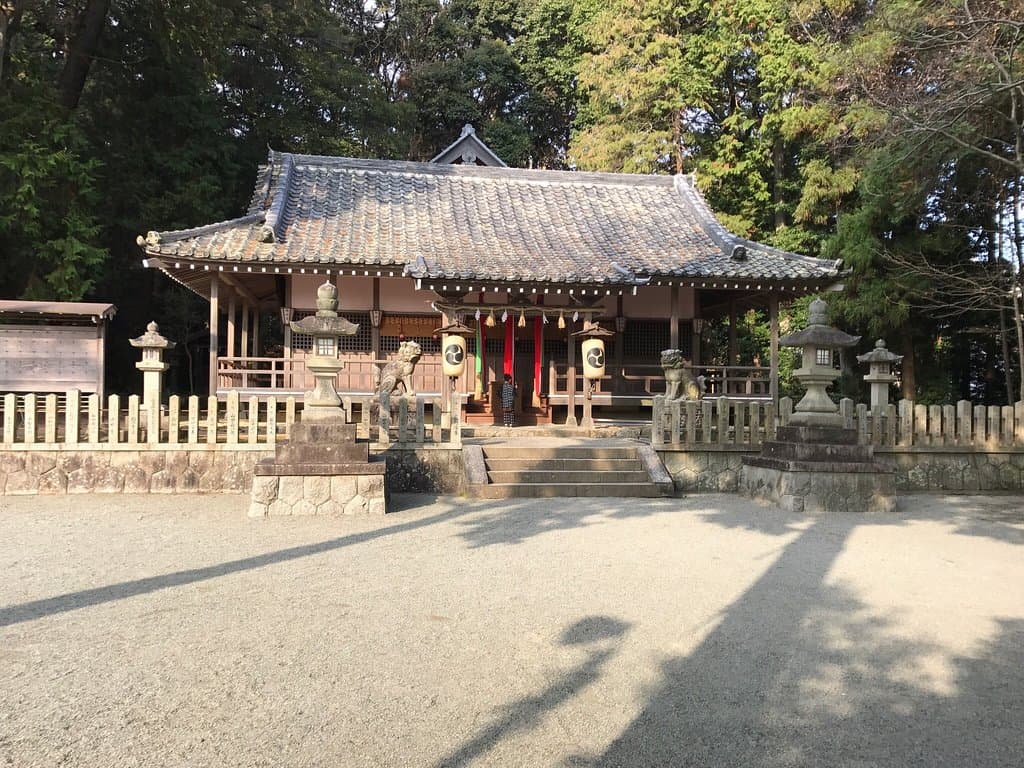
Tada Shrine
A historic Shinto shrine, birthplace of the Seiwa Genji clan, offering serene grounds and a surprising link to Mitsuya Cider.
Highlights
Must-see attractions

Social
From TikTok & Reddit
Best Time
Quiet contemplation
Tada Shrine
Best Time
Quiet contemplation
Highlights
Must-see attractions
A historic Shinto shrine, birthplace of the Seiwa Genji clan, offering serene grounds and a surprising link to Mitsuya Cider.
"A beautiful, peaceful, and contemplative place with lots of history."
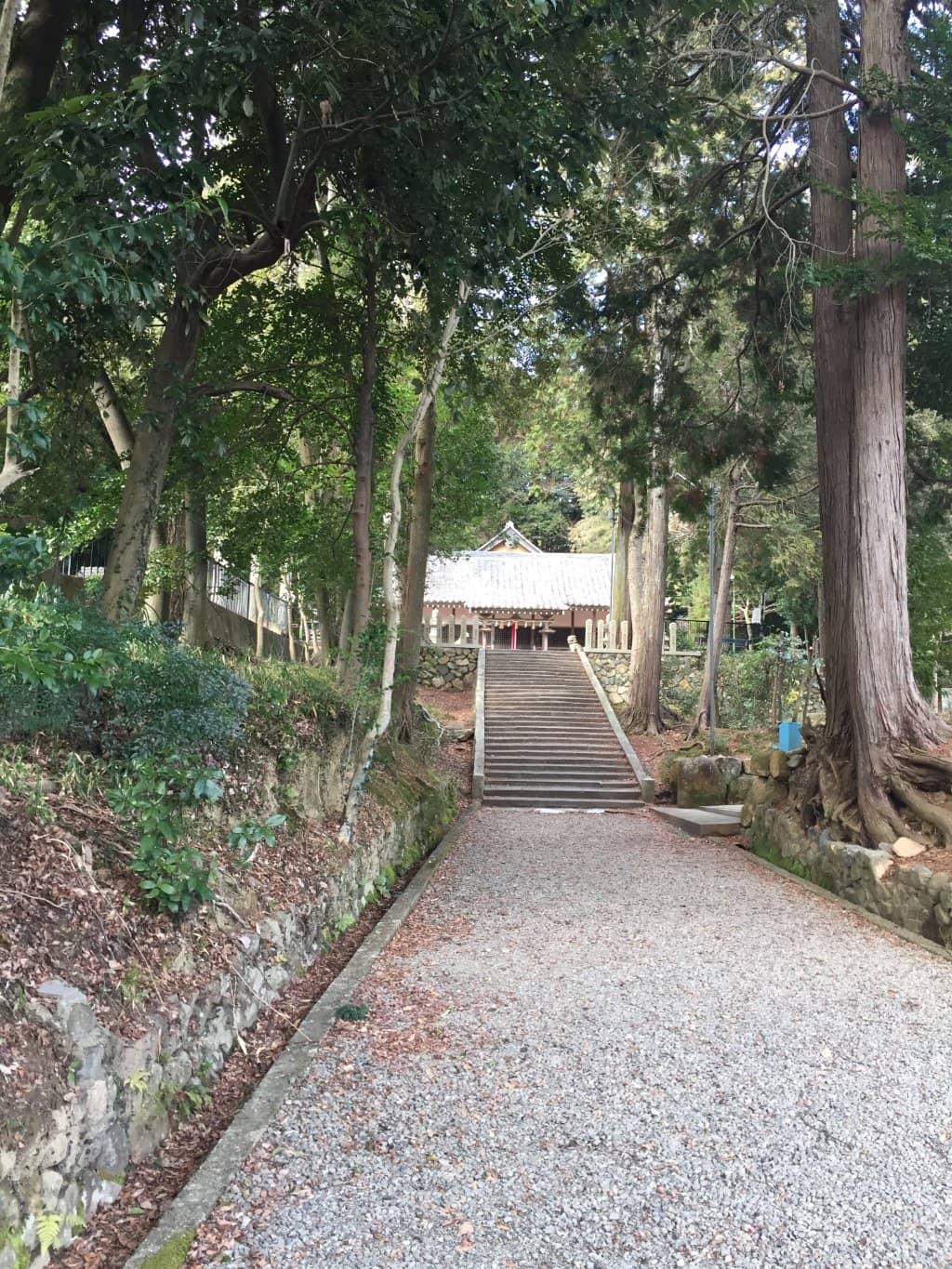
🚗 Parking Convenience
Visitor parking is available for 300 yen. Follow the approach road carefully, minding pedestrians.
💰 Amulet Pricing
Amulets are priced around 1,200 yen, which some visitors find a bit steep.
Quick Facts
Hours
Rating
4.2 · 863 reviews
Type
Place of Worship
Highlights
Discover the most iconic attractions and experiences
Seiwa Genji Clan Birthplace
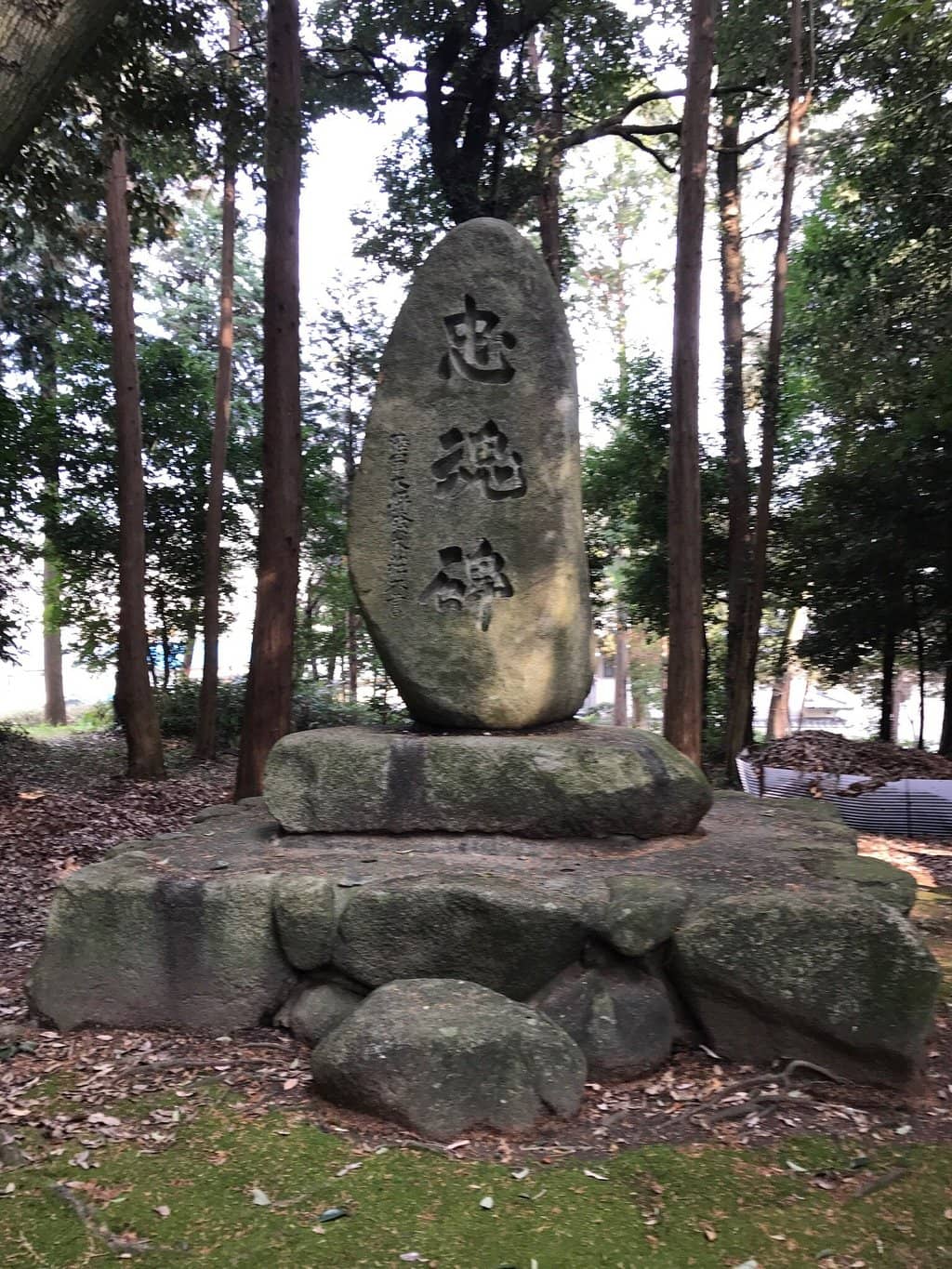
Explore the historic grounds where a powerful samurai lineage began, shaping Japanese history.
Mitsuya Cider Connection
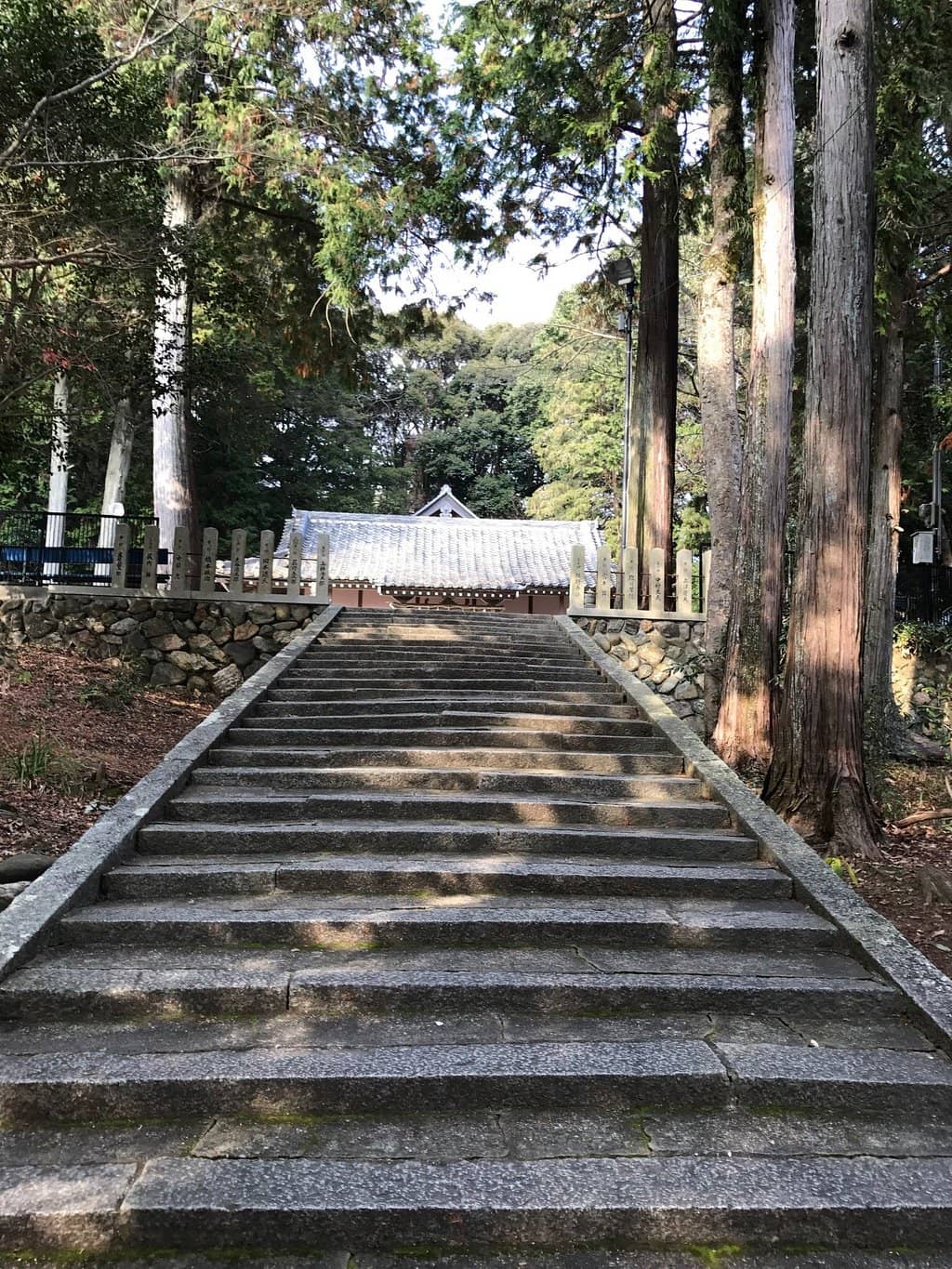
Discover the unexpected link to Japan's popular cider brand, with themed vending machines on site.
Unique and Beautiful Trees
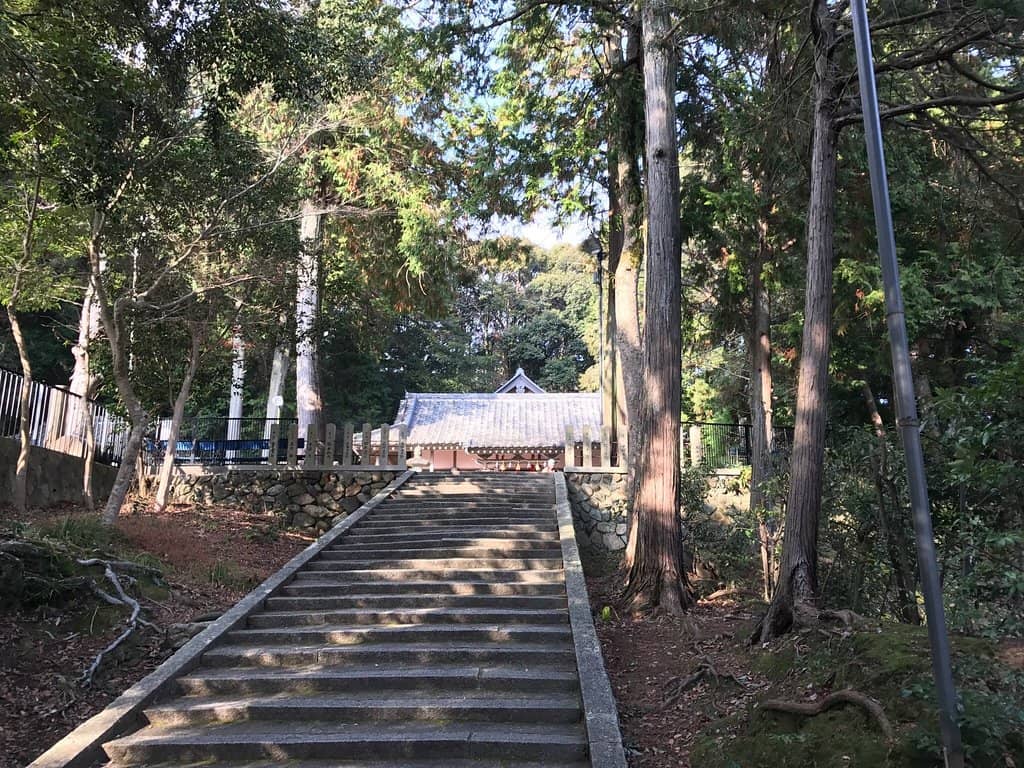
Admire ancient trees, including a large camellia and a ginkgo planted by Mito Komon.
Ogatama Tree
Seek out the legendary 'spirit-inviting' Ogatama tree for a touch of mystique.
Plans like a pro.
Thinks like you
Planning Your Visit
Timing Your Visit for Serenity
Understanding the Shrine's Significance
Best Times
Insider Tips
from TikTok, Instagram & Reddit
🚗 Parking Convenience
Visitor parking is available for 300 yen. Follow the approach road carefully, minding pedestrians.
💰 Amulet Pricing
Amulets are priced around 1,200 yen, which some visitors find a bit steep.
📜 Ema Wishes
Ema (wishing plaques) are 1,500 yen. Consider if the cost aligns with your desire to leave a wish.
🌳 Nature's Beauty
The spacious grounds and unique trees offer a serene natural escape.
Tips
from all over the internet
🚗 Parking Convenience
Visitor parking is available for 300 yen. Follow the approach road carefully, minding pedestrians.
💰 Amulet Pricing
Amulets are priced around 1,200 yen, which some visitors find a bit steep.
📜 Ema Wishes
Ema (wishing plaques) are 1,500 yen. Consider if the cost aligns with your desire to leave a wish.
🌳 Nature's Beauty
The spacious grounds and unique trees offer a serene natural escape.
🥤 Refreshing Cider
Enjoy a refreshing Mitsuya Cider from a vending machine on site.
⛩️ Historic Significance
Learn about its role as the birthplace of the Seiwa Genji clan.

What Travellers Say
Reviews Summary
Visitors praise Tada Shrine for its spacious grounds, serene atmosphere, and rich history, particularly its connection to the Seiwa Genji clan. The unique trees and the unexpected link to Mitsuya Cider are also highlighted as enjoyable aspects. Some find the pricing of amulets and ema a bit high, and the inaccessibility of certain areas like the enclosed forest can be a minor drawback.
"Lovely peace and spacious shrine. Lots of history here and it’s worth asking the staff to tell you about it. Beautiful peaceful contemplative place. Parking available."
Paul T
"Hey, these shrines are all becoming a bit same same. No doubt there’s an interesting history and it’s a serene sanctuary.. but if you aren’t Shinto, or Japanese.. it’s some traditional architecture. The enclosed forest would be the main reason to go, but the tourist isn’t allowed in there.."
Keith OHara (Anand)
"Parking for visitors was 300 yen per visit.
Apparently this is the birthplace of the Seiwa Genji clan. The mausoleums of Minamoto no Mitsunaka and Yorimitsu are located here.
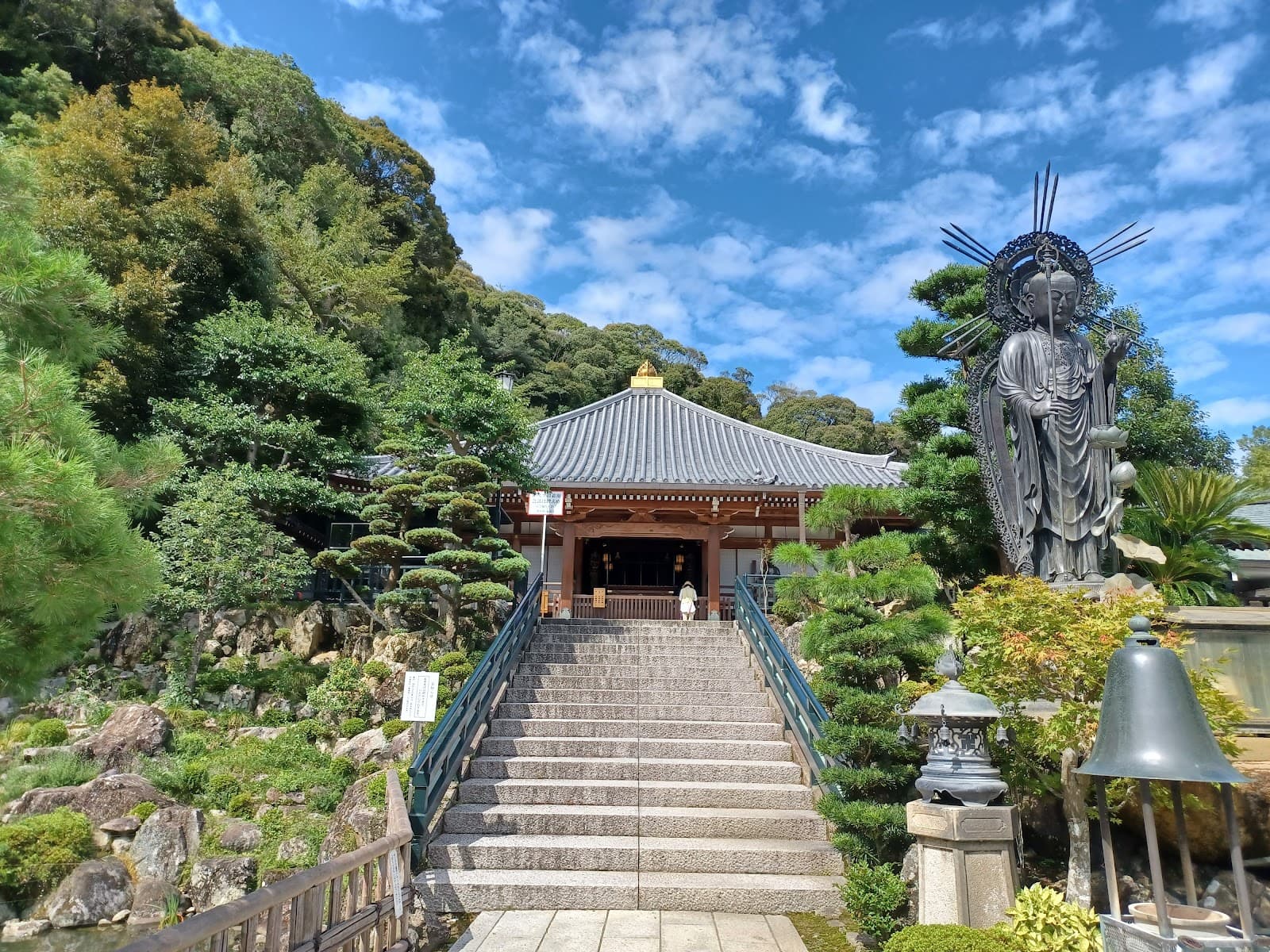
While visiting Kawanishi City for another reason, I happened to stop by here and was amazed by the spacious grounds, dignified atmosphere, historic main hall, gate, and walls, and the unique and beautiful trees. It's comparable to more famous shrines like Ebisu and Ikuta, and I think it's a shrine that deserves to be more well-known.
There are many noteworthy trees, including one of Japan's largest camellias, a large soapberry tree, and a ginkgo tree planted by Mito Komon. (There's also apparently an Ogatama (spirit-inviting tree), but I couldn't find it.)
The area around the worship hall beyond the Zuishinmon Gate was particularly beautiful, but photos don't quite capture the atmosphere... I highly recommend going.
Many of the amulets cost 1,200 yen each. Prices have been going up a lot lately, but I thought 1,200 yen for amulets was a bit pricey. If they were a little cheaper, I might buy some for my family, but at 1,200 yen, I hesitate to buy one for myself.
The ema was 1,500 yen. It might be okay to just write a wish on one, but I felt it was a waste to leave it there, so I stopped writing one. I think the reason so many people write ema at Kitano Tenmangu Shrine in Kyoto is not only to pray for success in exams, but also because they're so affordable.
The talismans are priced at 1,000 yen, 1,500 yen, and 2,000 yen and up, and the standard fortune-telling slips were 200 yen.
Apparently, the main shrine area will be open during the first three days of the New Year.
The museum is closed until November 2025, but I'm intrigued to see the treasured sword Onikirimaru in the treasure hall."
na sa
What People Like
What People Dislike
Frequently Asked Questions
🚇 🗺️ Getting There
Tada Shrine is easily accessible by train. Take the Nose Electric Railway to Tada Station, and the shrine's approach begins immediately after disembarking.
Yes, there is a visitor parking lot available for 300 yen per visit. Be cautious of pedestrians and oncoming vehicles on the approach road.
Tada Shrine is located in Hyogo Prefecture. While some content might mention Shiga, the primary and historically significant Tada Shrine is in Hyogo.
While Tada Shrine is in Hyogo Prefecture, it is possible to visit from Tokyo, though it requires significant travel time. It's more commonly visited as a day trip or part of a longer itinerary in the Kansai region.
If driving, follow the approach road from Tada Station. The visitor parking lot is conveniently located right next to the shrine. Remember to drive carefully on the residential road.
🎫 🎫 Tickets & Entry
There is no entrance fee to visit the grounds of Tada Shrine. However, parking costs 300 yen.
The shrine grounds are generally open to visitors. Specific hours for any internal buildings or museums may vary. The main shrine area is typically open during the first three days of the New Year.
Yes, you can purchase souvenirs such as amulets and ema (wishing plaques) at Tada Shrine.
Amulets are priced around 1,200 yen, and ema (wishing plaques) are 1,500 yen. Other talismans range from 1,000 yen upwards, and fortune-telling slips are 200 yen.
The treasure hall at Tada Shrine was noted to be closed until November 2025. It houses artifacts like the treasured sword Onikirimaru.
🎫 ⛩️ Onsite Experience
Tada Shrine is historically significant as the birthplace of the Seiwa Genji clan, a powerful samurai lineage that produced emperors and shoguns. It was founded in 970.
The shrine grounds feature noteworthy trees, including one of Japan's largest camellias, a large soapberry tree, and a ginkgo tree planted by Mito Komon. An Ogatama tree is also said to be present.
Even if you're not Shinto, the shrine offers beautiful traditional architecture, serene grounds, and a peaceful atmosphere. The historical context of the Seiwa Genji clan and the unique trees add to the experience.
The enclosed forest area is generally not accessible to tourists. The main draw is the shrine grounds and its historical elements.
The atmosphere is described as peaceful, serene, and contemplative, especially on weekdays. It's a spacious and dignified sanctuary.
🍽️ 🥤 Food & Dining
While specific dining options directly at the shrine are limited, there are vending machines, including one selling Mitsuya Cider. Nearby towns like Kawanishi will have more dining choices.
Yes, you can purchase Mitsuya Cider from a vending machine on the shrine grounds, a nod to its historical connection.
A kitchen car has been observed at Tada Shrine, offering hot griddle items, providing a warm option even in cooler weather.
📸 📸 Photography
The area around the worship hall beyond the Zuishinmon Gate is particularly beautiful. The red torii gates and the unique trees also make for great photo opportunities.
Photography is generally allowed on the shrine grounds. However, always be respectful of any posted restrictions or areas where photography might be discouraged.
Expect a blend of traditional Japanese architecture, serene natural landscapes with unique trees, and the iconic red torii gates. The atmosphere is often described as quiet and cinematic.
Early mornings or late afternoons can offer softer light and fewer crowds, enhancing the photographic experience. The golden hour can create a beautiful ambiance.
If you happen to visit during a traditional Shinto wedding, it can be a beautiful sight. However, always be discreet and respectful of the ceremony and the couple's privacy.

Social
from TikTok, Instagram & Reddit