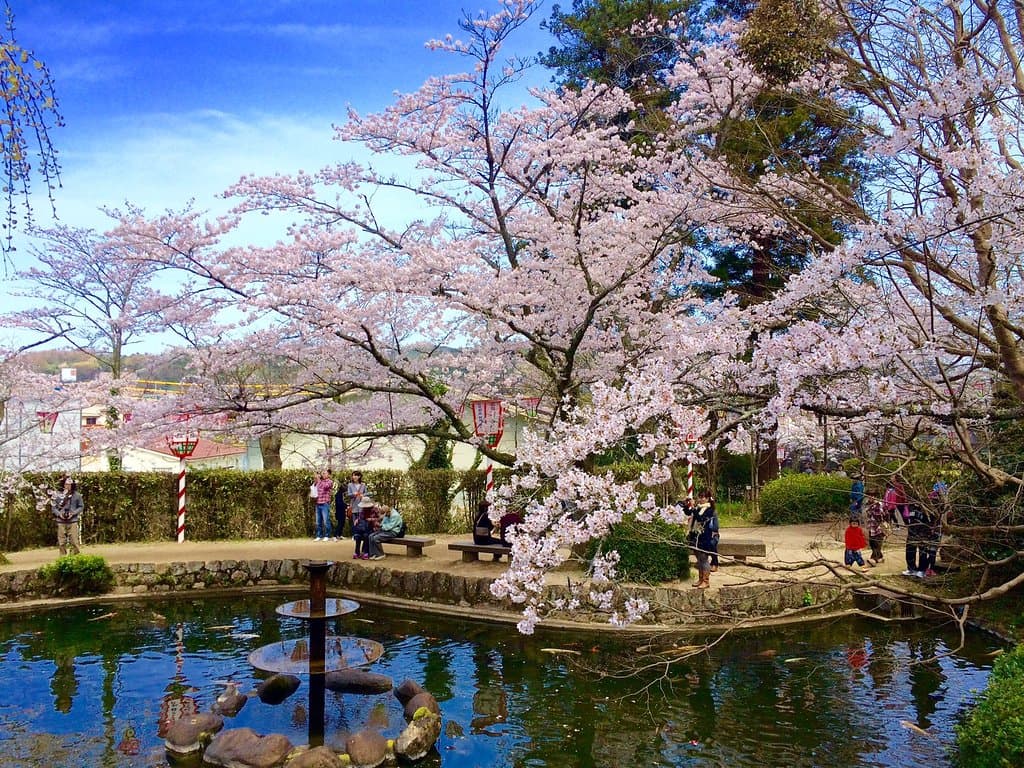
Kurayoshi Shirakabe Dozogun
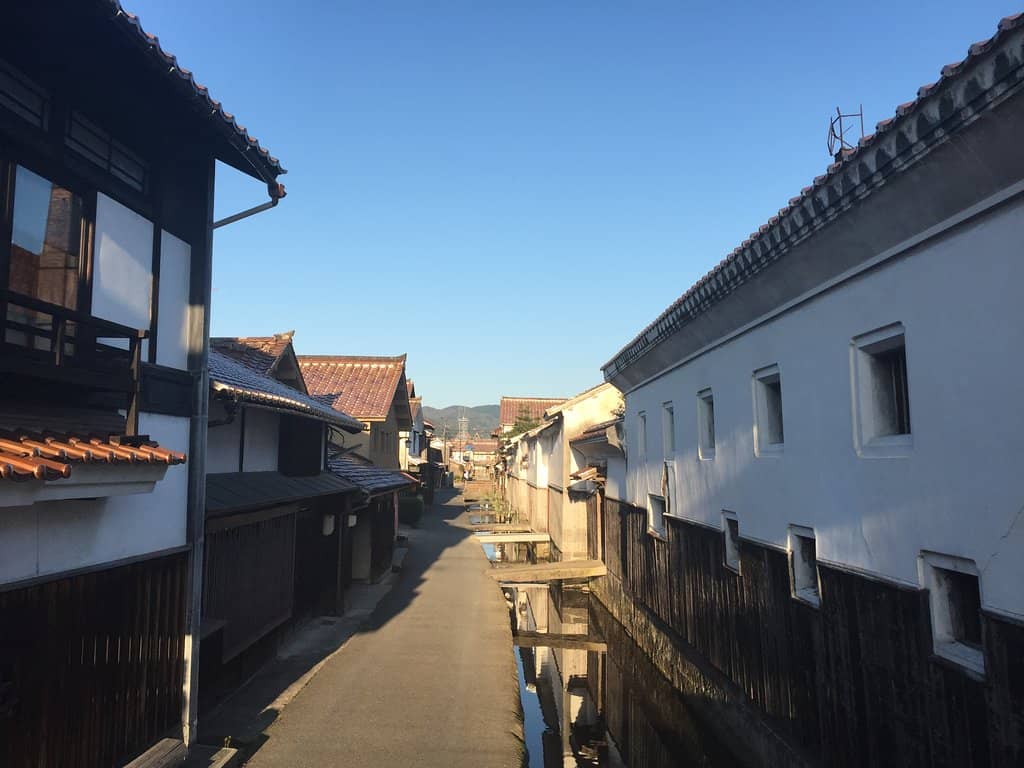
Step back in time in Kurayoshi's Shirakabe Dozogun, a beautifully preserved Edo-period district with iconic white-walled merchant houses.
Highlights
Must-see attractions

Social
From TikTok & Reddit
Best Time
Free guided tours available!
Kurayoshi Shirakabe Dozogun
Best Time
Free guided tours available!
Highlights
Must-see attractions
Step back in time in Kurayoshi's Shirakabe Dozogun, a beautifully preserved Edo-period district with iconic white-walled merchant houses.
"This is a place worth visiting for everyone! Totally worth it."
🎯 Free Sunday Tours
Join the free guided tour at 11 AM on Sundays for deep historical insights.
🚶♀️ Explore on Foot
The Shirakabe Dozogun district is best explored by walking. Wear comfortable shoes! :athletic_shoe:
Quick Facts
Hours
Rating
4.4 · 58 reviews
Type
Tourist Information Center
Highlights
Discover the most iconic attractions and experiences
Shirakabe Dozogun District
Wander through streets lined with traditional white-walled merchant houses, a step back in time.
Akagawara No. 1 Building
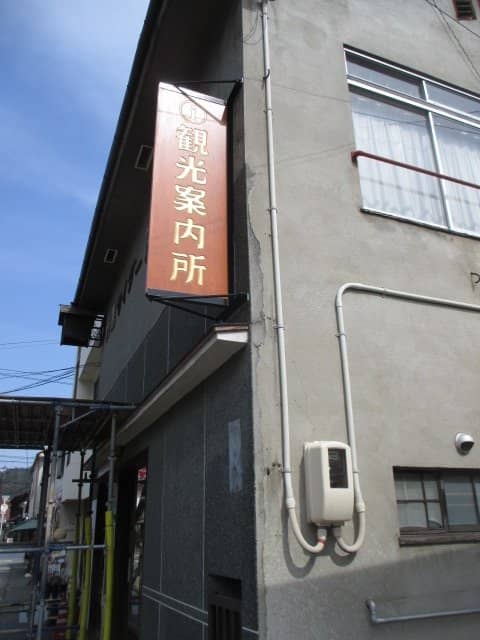
Explore this historic red-brick building, now a hub for local information and souvenirs.
Local Sake Stores
Discover long-established sake breweries and shops, some displaying autographed memorabilia.
Plans like a pro.
Thinks like you
Planning Your Visit
Embrace the White Walls
Unlock Local Stories
Best Times
Insider Tips
from TikTok, Instagram & Reddit
🎯 Free Sunday Tours
Join the free guided tour at 11 AM on Sundays for deep historical insights.
🚶♀️ Explore on Foot
The Shirakabe Dozogun district is best explored by walking. Wear comfortable shoes! :athletic_shoe:
📍 Manhole Card Spot
Find the manhole card distribution at Akagawara No. 1 Building. :iphone:
🍶 Sake Tasting
Visit old sake stores for a taste of local brews and history. :wine_glass:
Tips
from all over the internet
🎯 Free Sunday Tours
Join the free guided tour at 11 AM on Sundays for deep historical insights.
🚶♀️ Explore on Foot
The Shirakabe Dozogun district is best explored by walking. Wear comfortable shoes! :athletic_shoe:
📍 Manhole Card Spot
Find the manhole card distribution at Akagawara No. 1 Building. :iphone:
🍶 Sake Tasting
Visit old sake stores for a taste of local brews and history. :wine_glass:
What Travellers Say
Reviews Summary
Visitors praise Kurayoshi Shirakabe Dozogun for its beautifully preserved Edo-period architecture and charming atmosphere. The free Sunday guided tours are a standout feature, offering invaluable historical context and local insights. While some feel the tourism potential is still developing, the district is highly recommended for its unique historical appeal and pleasant walking experience.
"I came across a special free guided tour that is held once a week on Sundays at 11am. It was a very luxurious one-hour experience walking around the town. It was a rare opportunity to hear a warm explanation from the guide, which you wouldn't get just by reading the words.
Without the explanations from guide K, I would never have noticed that there is a figurine factory in Kurayoshi, the autographed "Kokushu" colored paper of past prime ministers displayed at a long-established sake store, the tiled wall of an elementary school depicting the legend of the heavenly maiden from which Utsubuki is derived, etc. Thank you very much."
HIROMI
"Visited on June 29, 2025.
It's in a good location for gathering information. The staff were very kind and we had a fun chat. It was my first time visiting Kurayoshi, but I think it has great tourism potential. It's a shame that they're only halfway there in attracting visitors after the COVID-19 pandemic."
桑谷康弘
"The manhole card distribution point was Akagawara No. 1 Building. The actual manhole is located on the roadway near the tourist information center."
InoNouE
What People Like
What People Dislike
Frequently Asked Questions
🚇 🗺️ Getting There
Kurayoshi is accessible by train. From major cities like Osaka or Kyoto, take the JR San'in Main Line to Kurayoshi Station. The Shirakabe Dozogun district is a short walk or bus ride from the station. Many visitors find it a convenient day trip from Kyoto or Osaka.
Yes, the Shirakabe Dozogun district is quite walkable and compact. The main streets are well-maintained, making it easy to explore on foot.
Driving is possible, and there are parking lots available near the district. However, parking can be limited during peak times, so consider public transport if possible.
Most attractions within the Shirakabe Dozogun district are within walking distance of each other. For longer distances, local buses are available.
Start at the tourist information center in the Akagawara No. 1 Building, then wander through the white-walled streets, visiting shops and historical sites. The free Sunday tour is also a great way to see the highlights.
🎫 🎫 Tickets & Entry
The Shirakabe Dozogun district itself is a public area and does not require an entrance ticket. However, individual shops, museums, or galleries within the district may have their own admission fees.
The district is generally accessible throughout the day. Individual shops and businesses typically operate from morning to late afternoon, with some closing earlier on certain days. It's best to check specific business hours if you have particular places in mind.
Absolutely! The most notable free activity is the guided tour offered every Sunday at 11 AM, which provides excellent historical context. Simply walking the streets and admiring the architecture is also a wonderful free experience.
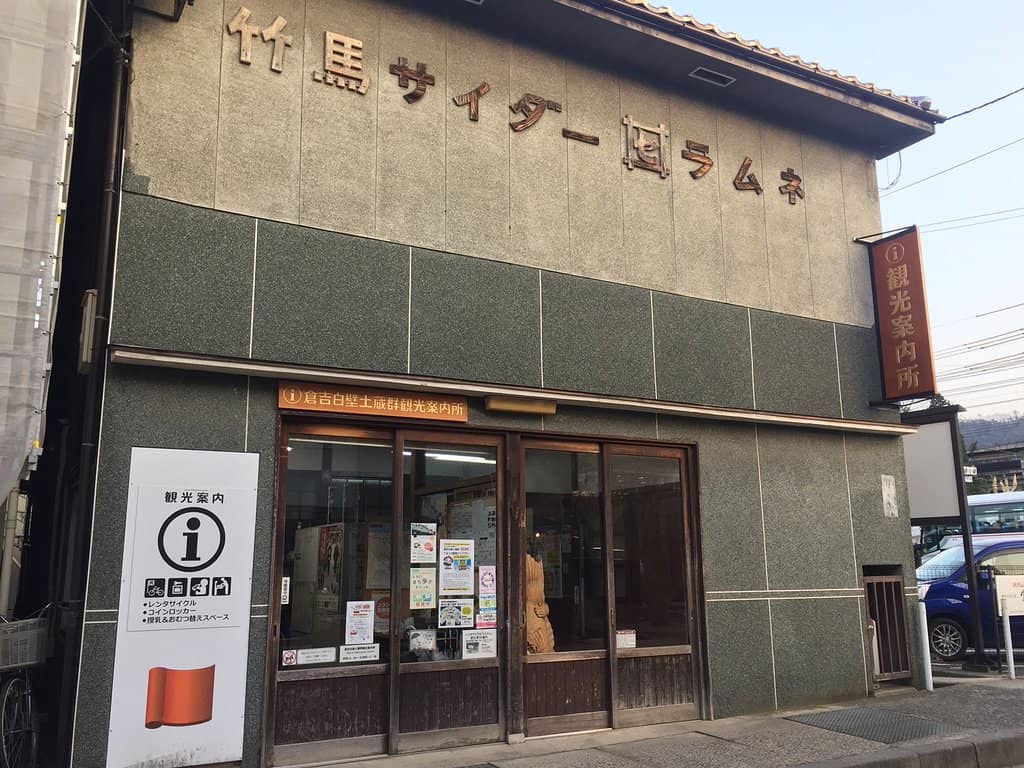
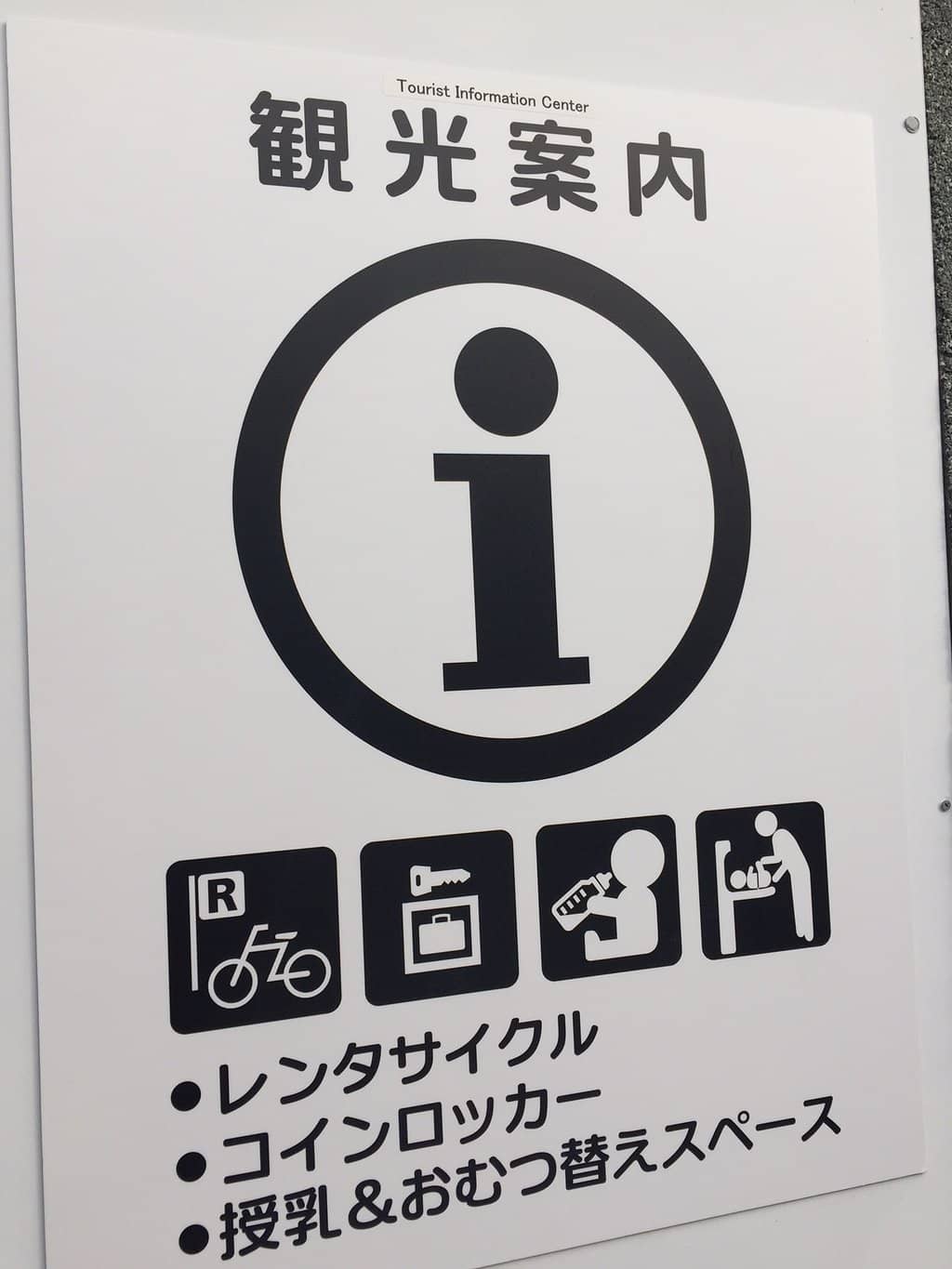
The Akagawara No. 1 Building serves as a tourist information center and is a great place to pick up maps, brochures, and ask staff for recommendations.
No, the Akagawara No. 1 Building is a public building and functions as a tourist information center, so there is no admission fee to enter.
📸 📸 Photography
The entire Shirakabe Dozogun district is incredibly photogenic! Focus on the white-walled buildings, the red-brick Akagawara building, and the charming canals. Early mornings or late afternoons offer the best light.
Generally, photography is allowed in public areas. However, always be respectful of private businesses and residences. Some indoor attractions might have specific photography rules.
A standard lens is great for capturing the architecture. A wide-angle lens can be useful for fitting the entire buildings into the frame. Don't forget a polarizing filter for enhancing the sky and reducing reflections. :camerawithflash:
It's best to ask for permission before photographing individuals, especially shopkeepers or residents. Capturing the atmosphere of the streets is usually fine.
Look for details like the tiled roofs, traditional lanterns, and any unique signage. The manhole covers also offer a quirky photo subject!
🍽️ 🍽️ Food & Dining
You'll find a variety of local eateries, including traditional Japanese restaurants, cafes, and shops selling local snacks. Many places offer regional specialties.
While not explicitly mentioned for this district, Tottori Prefecture is known for its seafood and pears. Look for local restaurants serving fresh, seasonal dishes.
Several charming cafes are scattered throughout the district, offering a perfect spot to rest and enjoy a beverage. Some may serve matcha or other traditional Japanese teas.
Options might be limited in traditional Japanese restaurants. It's advisable to inquire directly with restaurants about their offerings or look for cafes that might have more diverse menus.
Most restaurants and cafes operate during standard daytime hours, typically from late morning to early evening. Some may close earlier on weekdays.
Social
from TikTok, Instagram & Reddit