Musashino Hachimangu Shrine
A serene Shinto shrine in Kichijoji, offering cultural experiences and vibrant festivals, especially the Aki Matsuri.
Highlights
Must-see attractions

Social
From TikTok & Reddit
Best Time
Experience vibrant local culture
Musashino Hachimangu Shrine
Best Time
Experience vibrant local culture
Highlights
Must-see attractions
A serene Shinto shrine in Kichijoji, offering cultural experiences and vibrant festivals, especially the Aki Matsuri.
"A lovely shrine hidden away right in the middle of Kichijoji."
Festival Day Crowds
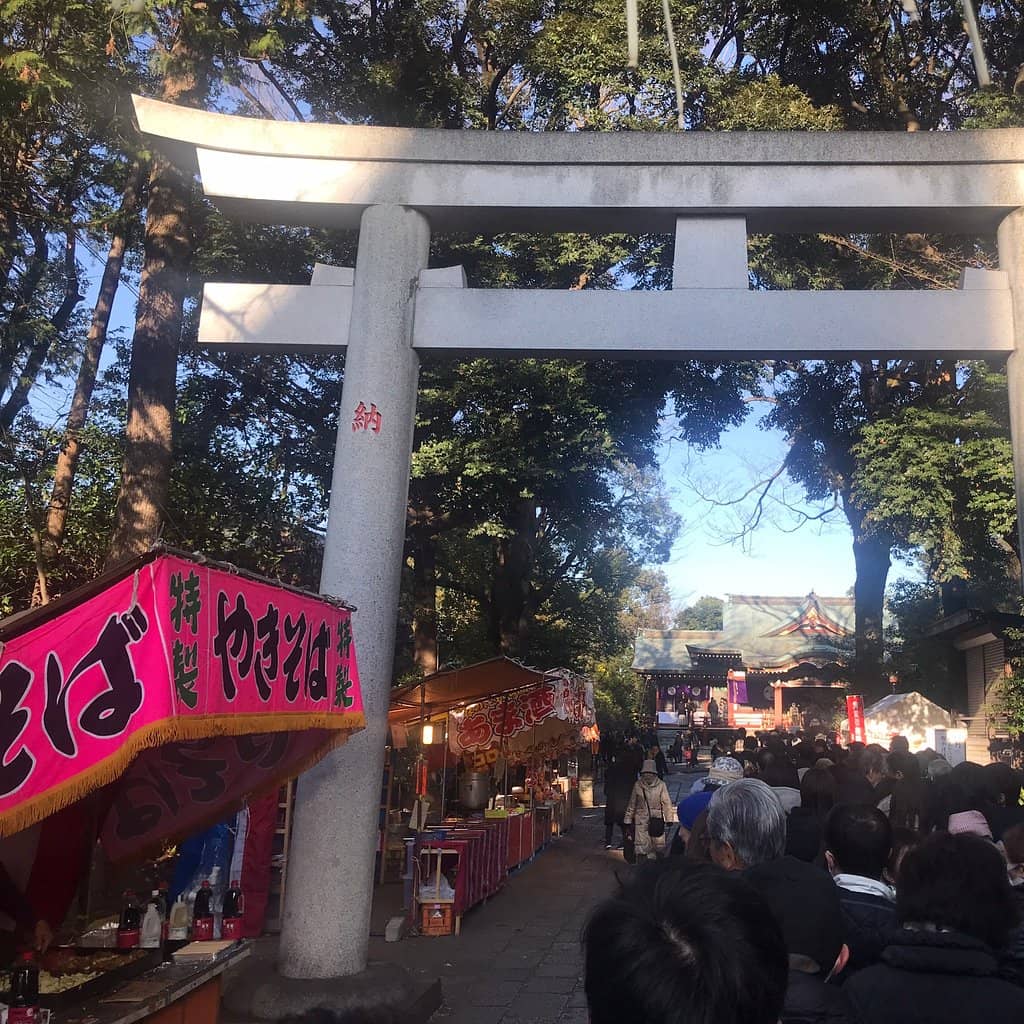
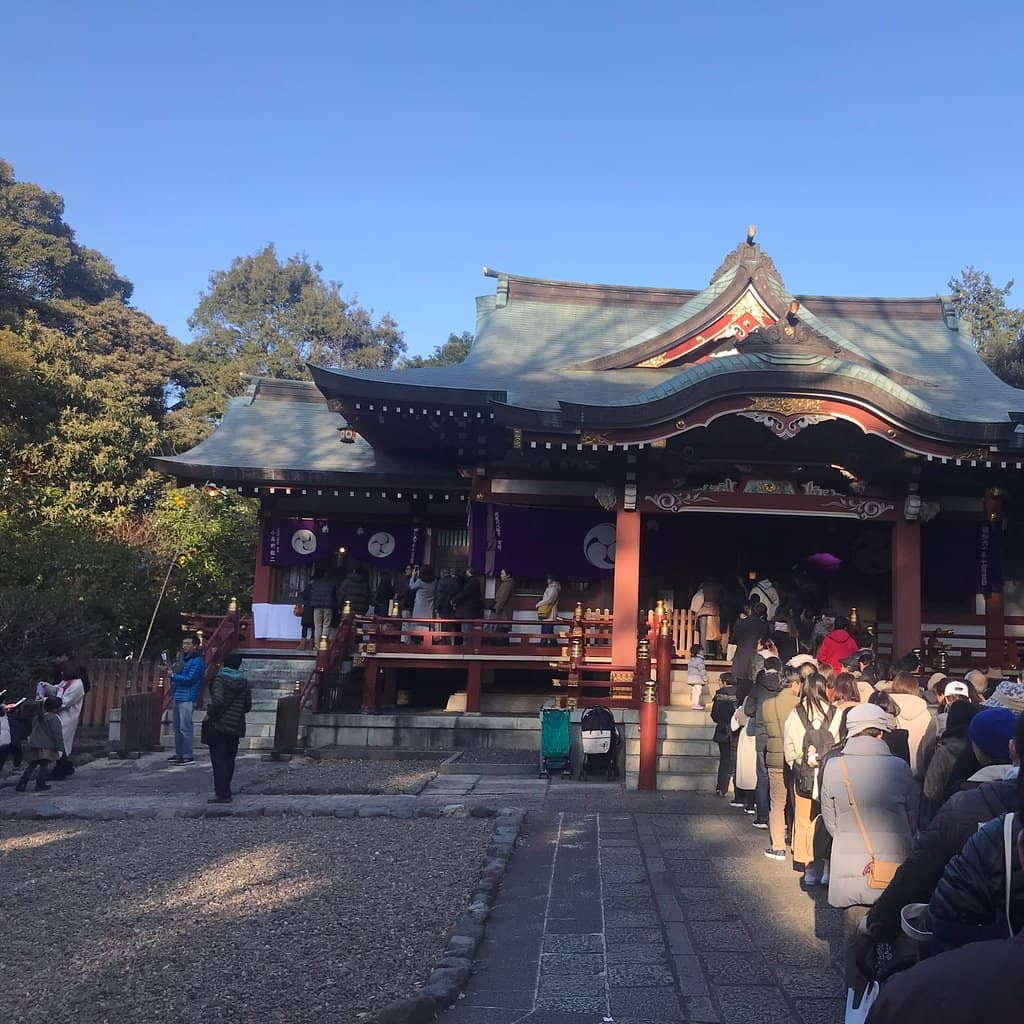
Expect crowds during festivals like Aki Matsuri; the single path can get congested.
Goshuin Stamp Availability
The goshuin stamp office may be closed during festivals. Check in advance if this is a priority.
Quick Facts
Hours
Rating
4 · 838 reviews
Type
Place of Worship
Highlights
Discover the most iconic attractions and experiences
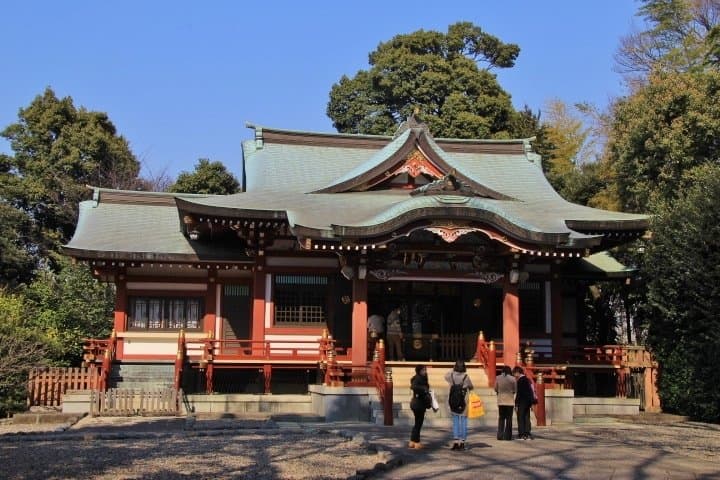
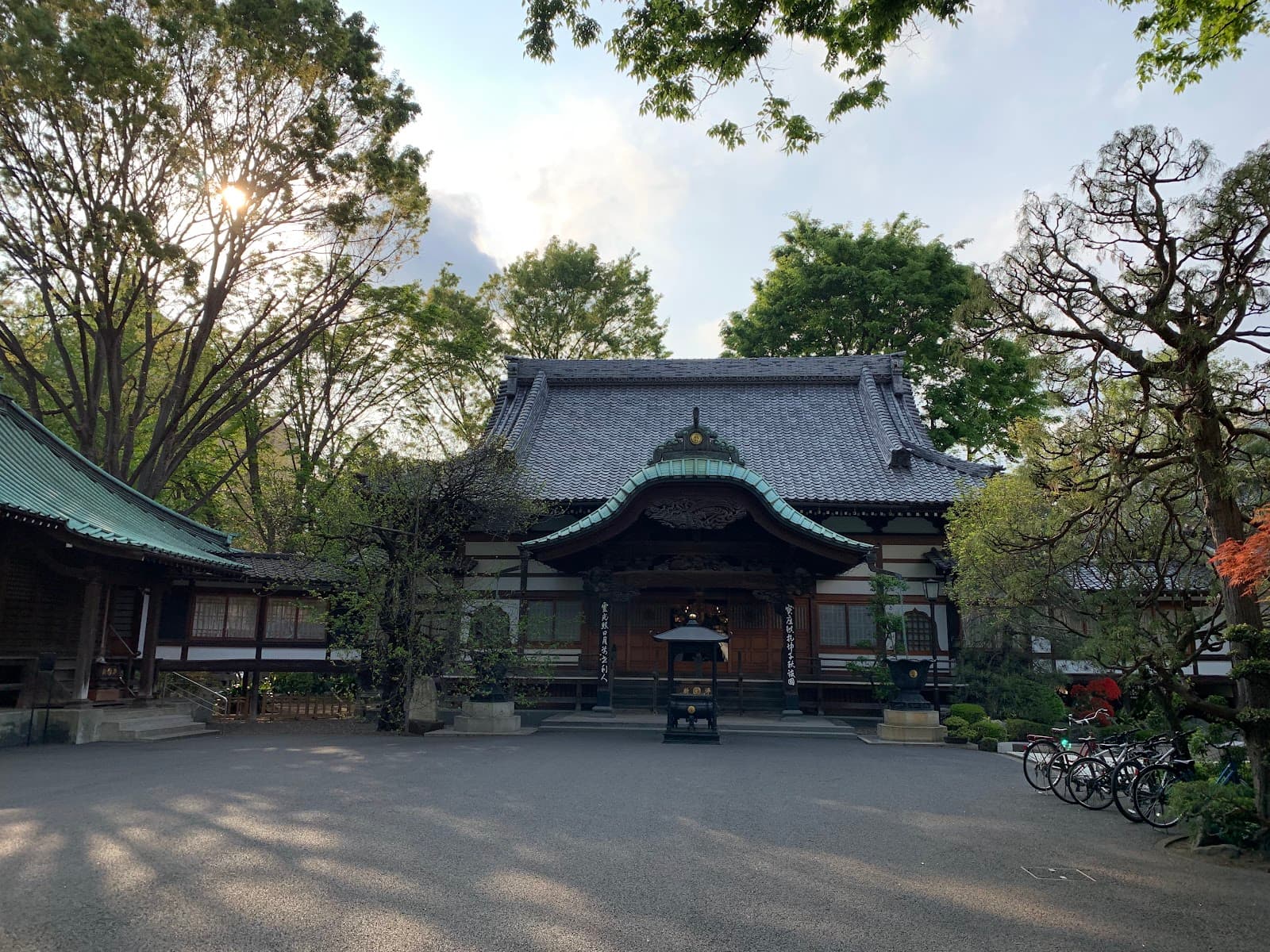
Main Shrine Hall
The central structure of Musashino Hachimangu, offering a glimpse into traditional Shinto architecture and spiritual practices.
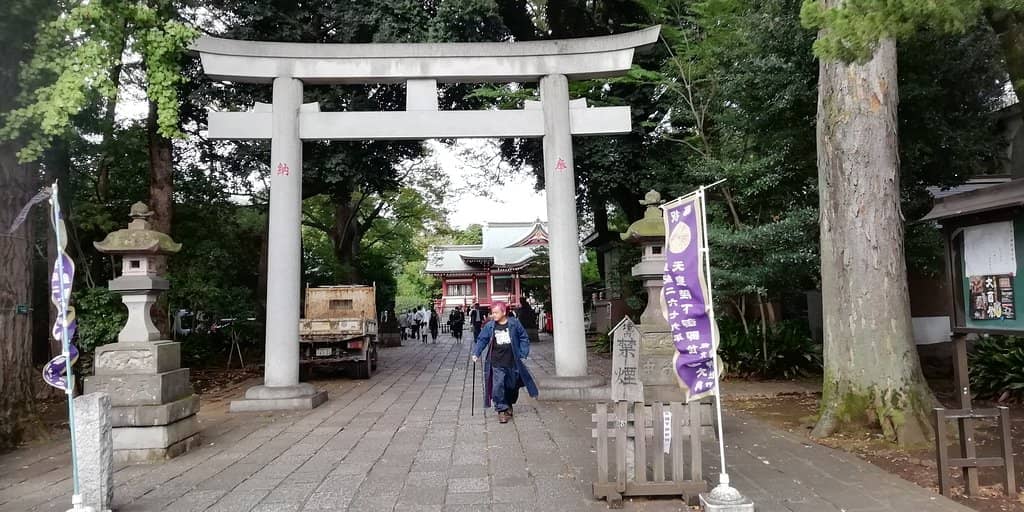
Kichijoji Aki Matsuri
Shrine grounds
Experience the energy of this September festival with its own mikoshi, food stalls, and games. A true taste of local celebration.
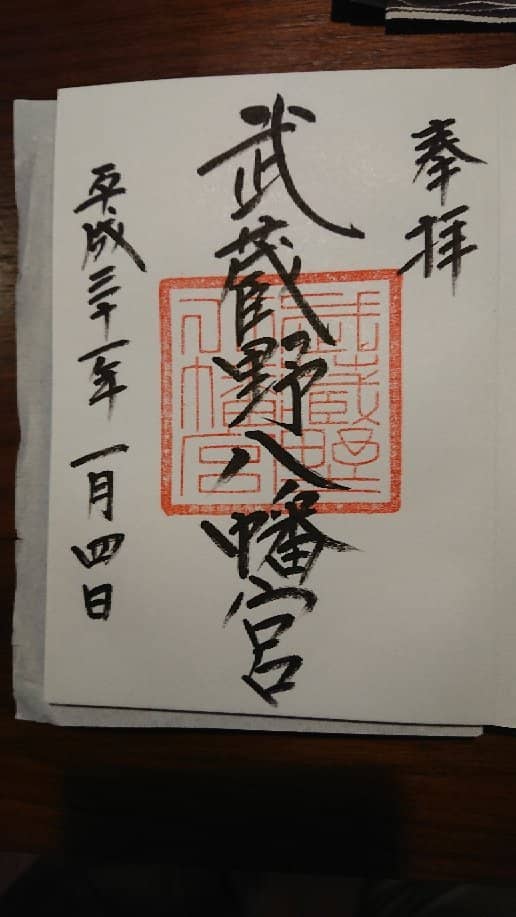
Smaller Sub-Shrines
Discover several smaller, often quieter shrines within the complex, each with its own unique charm and significance.
Plans like a pro.
Thinks like you
Planning Your Visit
Timing Your Visit for Festivals
Navigating Crowds and Amenities
Best Times
Insider Tips
from TikTok, Instagram & Reddit
Festival Day Crowds
Expect crowds during festivals like Aki Matsuri; the single path can get congested.
Goshuin Stamp Availability
The goshuin stamp office may be closed during festivals. Check in advance if this is a priority.
Easy to Find
Located on a busy city street near Kichijoji Station, making it easy to access.
Family Celebrations
Witness special occasions like 100-day baby celebrations.
Tips
from all over the internet
Festival Day Crowds
Expect crowds during festivals like Aki Matsuri; the single path can get congested.
Goshuin Stamp Availability
The goshuin stamp office may be closed during festivals. Check in advance if this is a priority.
Easy to Find
Located on a busy city street near Kichijoji Station, making it easy to access.
Family Celebrations
Witness special occasions like 100-day baby celebrations.
What Travellers Say
Reviews Summary
Visitors find Musashino Hachimangu Shrine to be a cool and accessible Shinto site, especially enjoyable during its local festivals like the Kichijoji Aki Matsuri. While it can get crowded during these events and the goshuin stamp office may be closed, its location near Kichijoji Station makes it a convenient spot to experience Japanese culture and witness community celebrations.
"Very cool Shinto Shrine near Kichijoji station. There are also some smaller shrines here too. This place is easy to find and on a busy city street. Not sure about parking. Check it out if you’re in the neighborhood."
Daniel Scott
"Medium sized Shinto Shrine, supporting some of the local Kichioji matsuris, like the Kichijoji Aki Matsuri in September. It has its own medium sized mikoshi, and during the matsuris, a number of food yatais and children's game booths, but can become quite crowded as there is just the one walking path which goes to the shrine. Unfortunately, during the matsuris, it seems the office for goshuin stamps is closed."
Rob Gee
"So beautifull to be there and to meet japanese couple with their baby - Yu has his 100days celebration."
Adalis Facenda
What People Like
What People Dislike
Frequently Asked Questions
🚇 🗺️ Getting There
Musashino Hachimangu Shrine is conveniently located on a busy city street near Kichijoji Station. It's easily accessible by public transport.
Information regarding parking availability is not widely available. It's recommended to check local listings or consider public transportation due to its city-street location.
Kichijoji Station is a major hub served by JR Chuo Line and Keio Inokashira Line, making it easily reachable from central Tokyo and surrounding areas.
🎫 🎫 Tickets & Entry
Entry to the shrine grounds is typically free, allowing visitors to explore the main hall and surrounding areas without charge.
Shrine grounds are generally accessible during daylight hours. Specific building hours may vary, but the outdoor areas are usually open from early morning to late afternoon.
Goshuin stamps are available at many shrines, but the office for collecting them at Musashino Hachimangu may be closed during special events and festivals.
Yes, the shrine hosts events like the Kichijoji Aki Matsuri in September, which features a mikoshi procession, food stalls, and games.
🎫 🧭 Onsite Experience
You can admire the main shrine hall, explore smaller sub-shrines, and experience the lively atmosphere during festivals. It's a peaceful spot for reflection.
Yes, families can enjoy the shrine, especially during festivals. You might even witness special family celebrations like baby blessings.
On regular days, it's a pleasant visit. However, during festivals like the Aki Matsuri, the main path can become quite crowded.
The mikoshi is a portable shrine carried through the streets during festivals, symbolizing the deity's journey and bringing blessings to the community.
📸 📸 Photography
The main shrine hall offers a classic Shinto photo opportunity. During festivals, the vibrant stalls and processions provide dynamic shots.
Generally, photography is allowed on the shrine grounds. However, always be respectful and avoid photographing private ceremonies or individuals without permission.
Expect colorful images of food stalls, people in traditional attire, the mikoshi procession, and the general festive atmosphere.

Social
from TikTok, Instagram & Reddit