Lee Ufan Museum
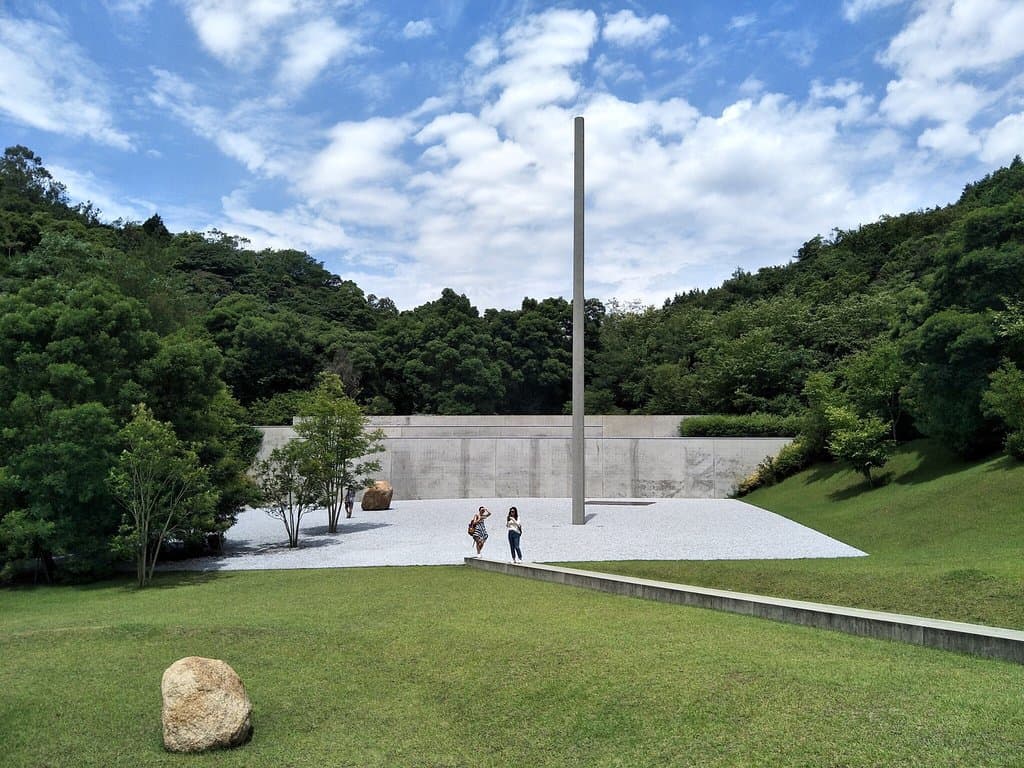
A serene, partially subterranean museum by Tadao Ando, showcasing the minimalist art of Lee Ufan.
Highlights
Must-see attractions

Social
From TikTok & Reddit
Best Time
Fewer crowds, more reflection
Lee Ufan Museum
Best Time
Fewer crowds, more reflection
Highlights
Must-see attractions
A serene, partially subterranean museum by Tadao Ando, showcasing the minimalist art of Lee Ufan.
"Impressive architecture and inspiring, almost mystical pieces of art."
🚲 Bike to the Entrance
Cycle close to the museum, park your bike, and enjoy a short walk to the entrance.
🤔 Read Up on Lee Ufan
Understanding his philosophy enhances the experience.

Quick Facts
Hours
Rating
3.9 · 1,219 reviews
Type
Museum
Highlights
Discover the most iconic attractions and experiences
The Dialogue Between Art and Architecture
Museum Interior and Exterior
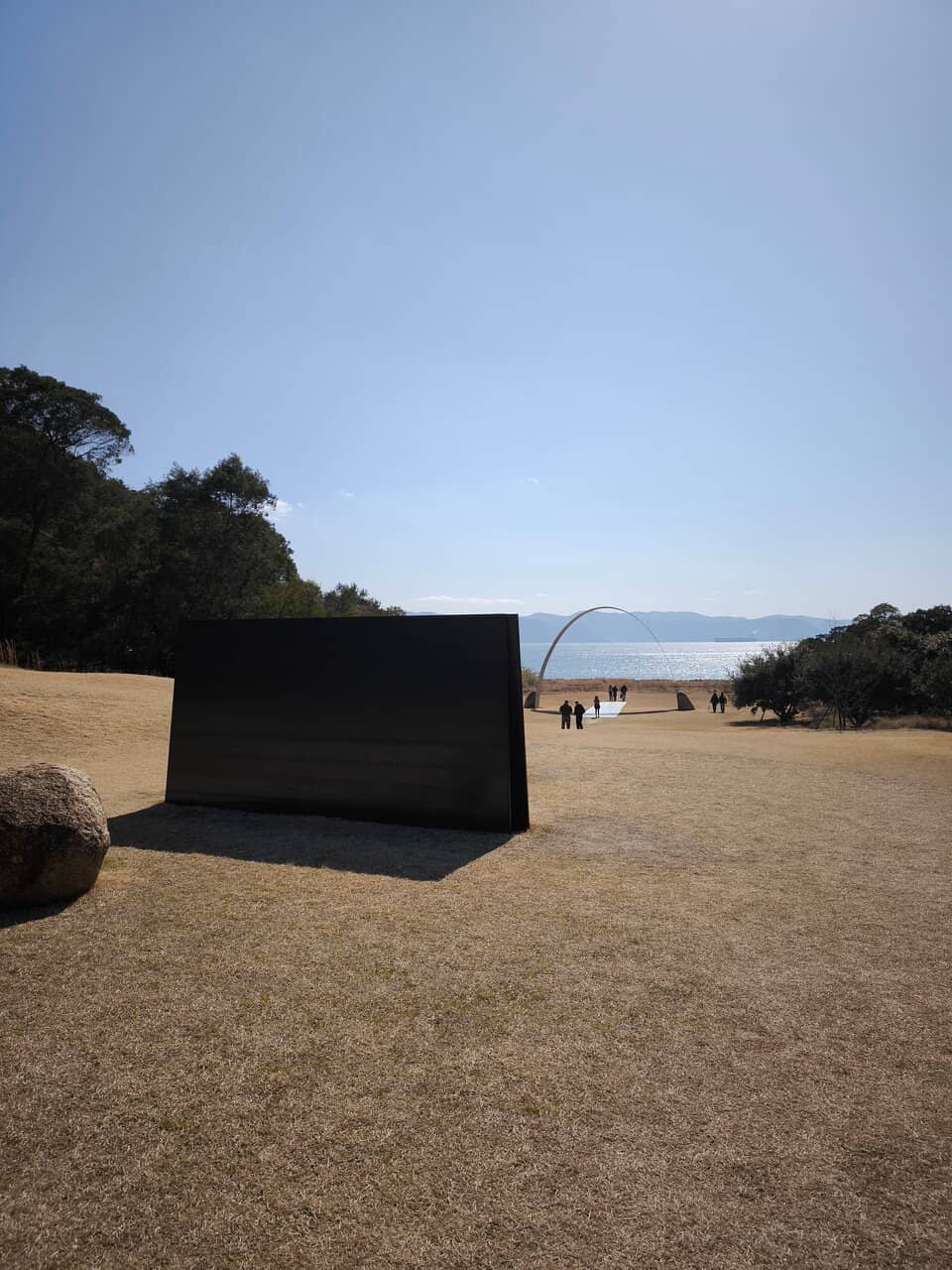
Experience Lee Ufan's minimalist sculptures and paintings within Tadao Ando's serene, partially subterranean space.
 +1
+1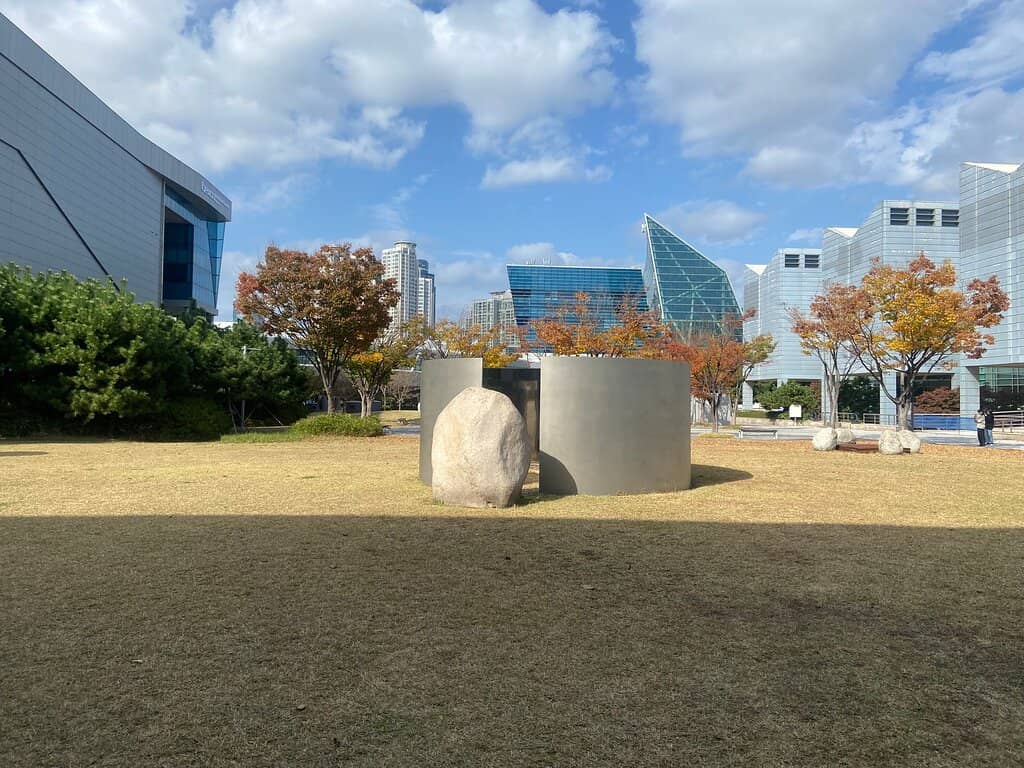
Outdoor Installations
Museum Grounds
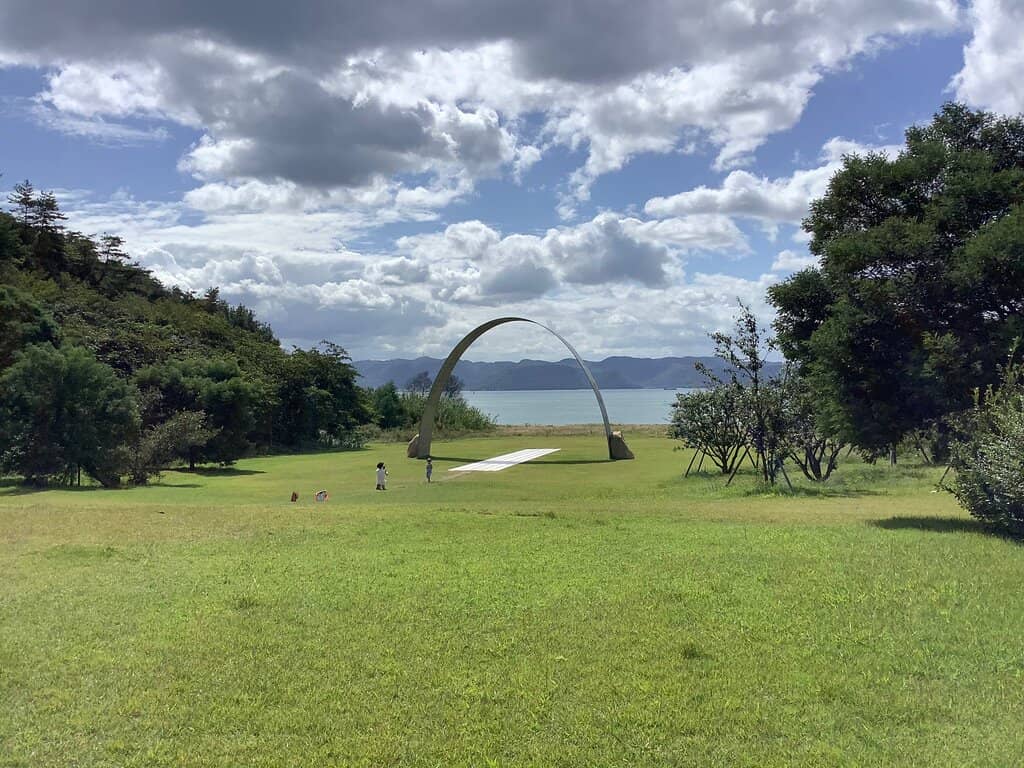
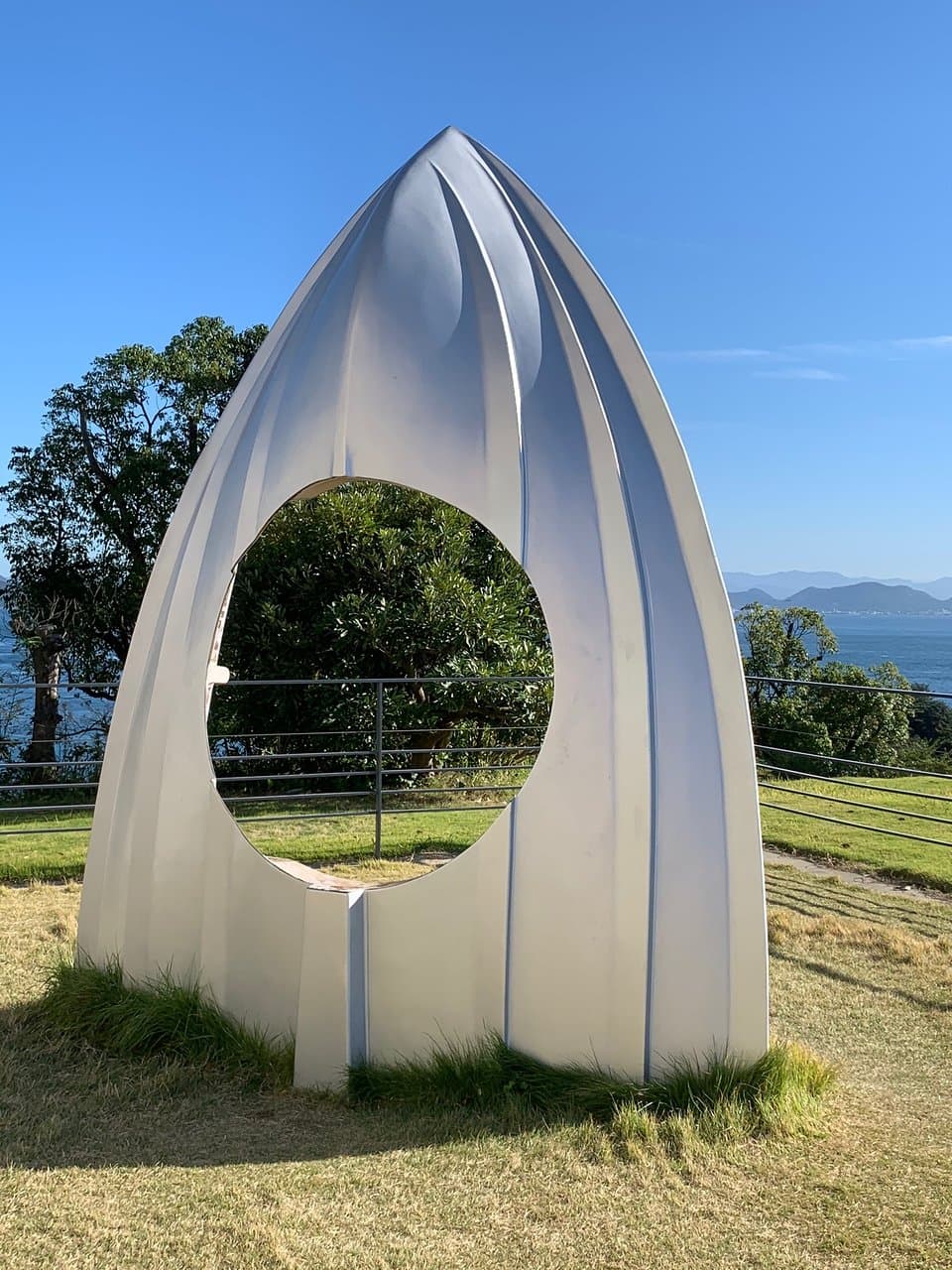
Explore the outdoor exhibitions where Lee Ufan's works in stone and iron interact with the natural landscape.
Valley Gallery
Adjacent to the Museum
Discover more of Lee Ufan's powerful installations, seamlessly integrated into the surrounding environment.
Plans like a pro.
Thinks like you
Planning Your Visit
Embrace the Serenity
Island Logistics Matter
Best Times
Insider Tips
from TikTok, Instagram & Reddit
🚲 Bike to the Entrance
Cycle close to the museum, park your bike, and enjoy a short walk to the entrance.
🤔 Read Up on Lee Ufan
Understanding his philosophy enhances the experience.
⏳ Allow 45 Minutes
The museum is small but impactful; don't rush the experience.
🎟️ Tickets On-Site
No need to buy tickets in advance; discounts are sometimes available online.
Tips
from all over the internet
🚲 Bike to the Entrance
Cycle close to the museum, park your bike, and enjoy a short walk to the entrance.
🤔 Read Up on Lee Ufan
Understanding his philosophy enhances the experience.
⏳ Allow 45 Minutes
The museum is small but impactful; don't rush the experience.
🎟️ Tickets On-Site
No need to buy tickets in advance; discounts are sometimes available online.
🧘 Embrace Stillness
The museum is designed for quiet contemplation and presence.
What Travellers Say
Reviews Summary
Visitors praise the Lee Ufan Museum for its serene atmosphere and the harmonious collaboration between artist Lee Ufan and architect Tadao Ando. The minimalist design and contemplative nature of the exhibits are highly appreciated, offering a unique artistic experience. Some find the entrance fee a bit steep for the size of the museum, and suggest prior research on the artist to fully grasp the conceptual art.
"A museum resulting from the collaboration between artist Lee Ufan and architect Tadao Ando. Created from the bare minimum of elements, Lee Ufan’s works are deeply intertwined with the museum itself, which gently connects the inside and the outside."
Juliette RGD
"Nice museum with both indoor and outdoor exhibitions. You can cycle to within 200 m of the entrance, then park your bike and continue on foot. The Valley Gallery is located right next door."
Henri Deslee
"Impressive architecture made by TADAO ANDO and inspiring, almost mystical pieces of art by LEE UFAN. The size of the museum is small, but this only adds more to the unique atmosphere.
The entrance fee might appear over-priced, but if you are looking for a calming experience rather than a big exibition, you should visit the LEE UFAN MUSEUM!"
Roland Dreyfus
What People Like
What People Dislike
Frequently Asked Questions
🚇 🗺️ Getting There
To reach the Lee Ufan Museum, you'll first need to get to Naoshima Island. This typically involves taking a ferry from ports like Uno Port (Okayama Prefecture) or Takamatsu Port (Kagawa Prefecture). Once on Naoshima, you can rent a bicycle or use the local bus service to get to the museum. Many visitors cycle to within 200 meters of the entrance and then walk.
The most popular ways to get around Naoshima are by renting a bicycle or using the island's bus service. Biking offers flexibility and allows you to stop at various art sites. The bus is convenient for reaching specific locations like the Lee Ufan Museum.
Yes, there are regular ferry services to Naoshima from mainland Japan, primarily from Uno Port in Okayama and Takamatsu Port in Kagawa. It's advisable to check the ferry schedules in advance, especially if you're planning a day trip.
While you can bring a car to Naoshima via ferry, driving directly to the museum is not recommended. Parking is available near the museum, and cycling or walking is the preferred way to access the site.
The ferry ride from Uno Port to Miyanoura Port on Naoshima typically takes around 20-30 minutes, depending on the ferry type. From Miyanoura Port, you can then take a bus or rent a bike to reach the Lee Ufan Museum.
🎫 🎫 Tickets & Entry
The entrance fee for the Lee Ufan Museum can be perceived as a bit high by some, but many find the experience worth the cost for a calming and unique artistic encounter. It's not always necessary to buy tickets in advance, though online purchases might offer a small discount.
It is generally not necessary to book tickets for the Lee Ufan Museum in advance. You can purchase them upon arrival. However, checking for online discounts might be beneficial.
Opening hours can vary seasonally. It's best to check the official Benesse Art Site website for the most up-to-date information on operating hours before your visit.
While specific multi-museum passes might not always be advertised, purchasing tickets for individual museums like the Lee Ufan Museum, Benesse House Museum, and Chichu Art Museum is common.
The Japan Rail Pass typically covers JR trains but does not cover ferry services. You will need to purchase separate ferry tickets to Naoshima.
🎫 🏛️ Onsite Experience
The Lee Ufan Museum is celebrated for its collaboration between artist Lee Ufan and architect Tadao Ando. It features minimalist sculptures and paintings by Lee Ufan within a serene, partially subterranean structure designed to harmonize with nature. +1
Most visitors find that 45 minutes is sufficient to experience the Lee Ufan Museum, given its focused collection and intimate scale. However, you might want to linger longer if you find yourself deeply engaged with the art and architecture.
While official guided tours might not be a primary offering, the museum's design and the artist's intent encourage personal reflection. Reading about Lee Ufan's philosophy beforehand can enhance your self-guided experience.
The Lee Ufan Museum is designed for quiet contemplation, which might be challenging for very young children. However, older children and teenagers can appreciate the minimalist art and unique architecture.
The Valley Gallery is an outdoor exhibition space located adjacent to the Lee Ufan Museum, featuring more of Lee Ufan's powerful installations that interact with the natural landscape.
📸 📸 Photography
Photography policies can vary, but generally, photography is allowed in many areas of the Lee Ufan Museum, especially for personal use. However, flash photography is usually prohibited to protect the artworks. Always check for signage or ask staff if unsure.
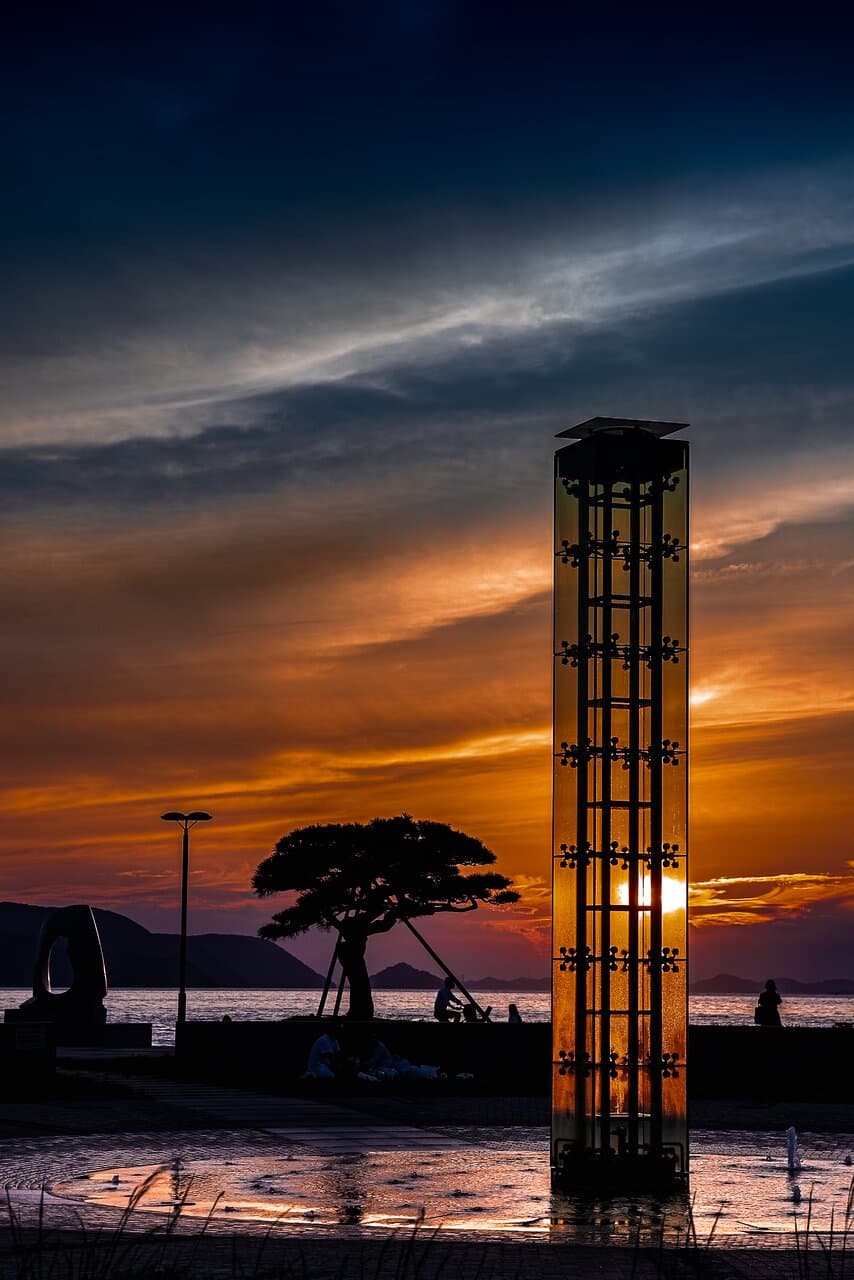
The minimalist architecture, the interplay of light and shadow, and the stark beauty of Lee Ufan's sculptures both inside and outside the museum offer numerous photographic opportunities. The outdoor installations against the natural backdrop are particularly striking.
Drone usage is typically restricted in and around art sites and museums to ensure the safety and tranquility of visitors and the artworks. It's best to avoid flying drones in this area.
A versatile camera that handles low light well is recommended, as parts of the museum are subterranean. A wide-angle lens can be useful for capturing the architecture, while a standard zoom is good for details.
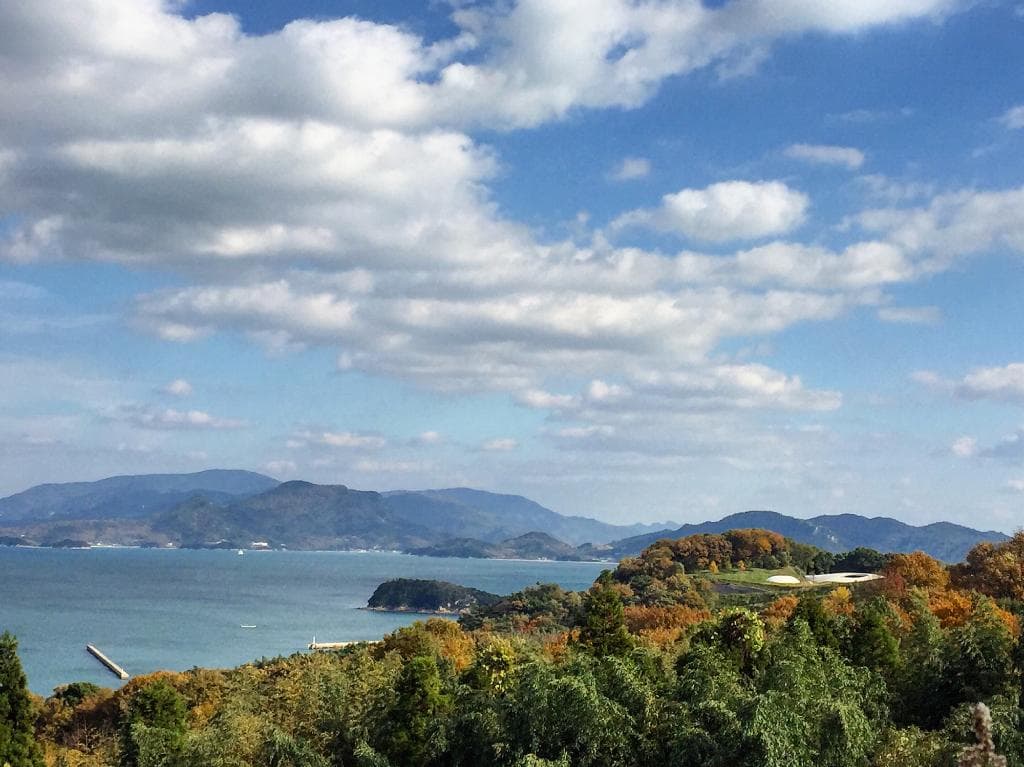
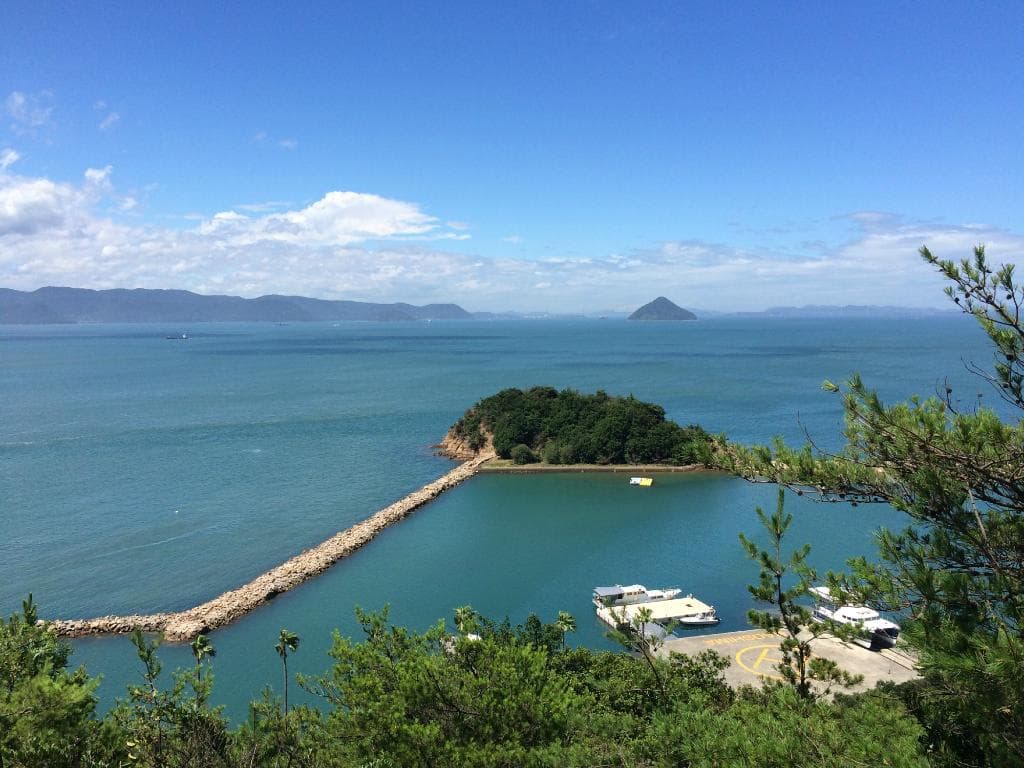
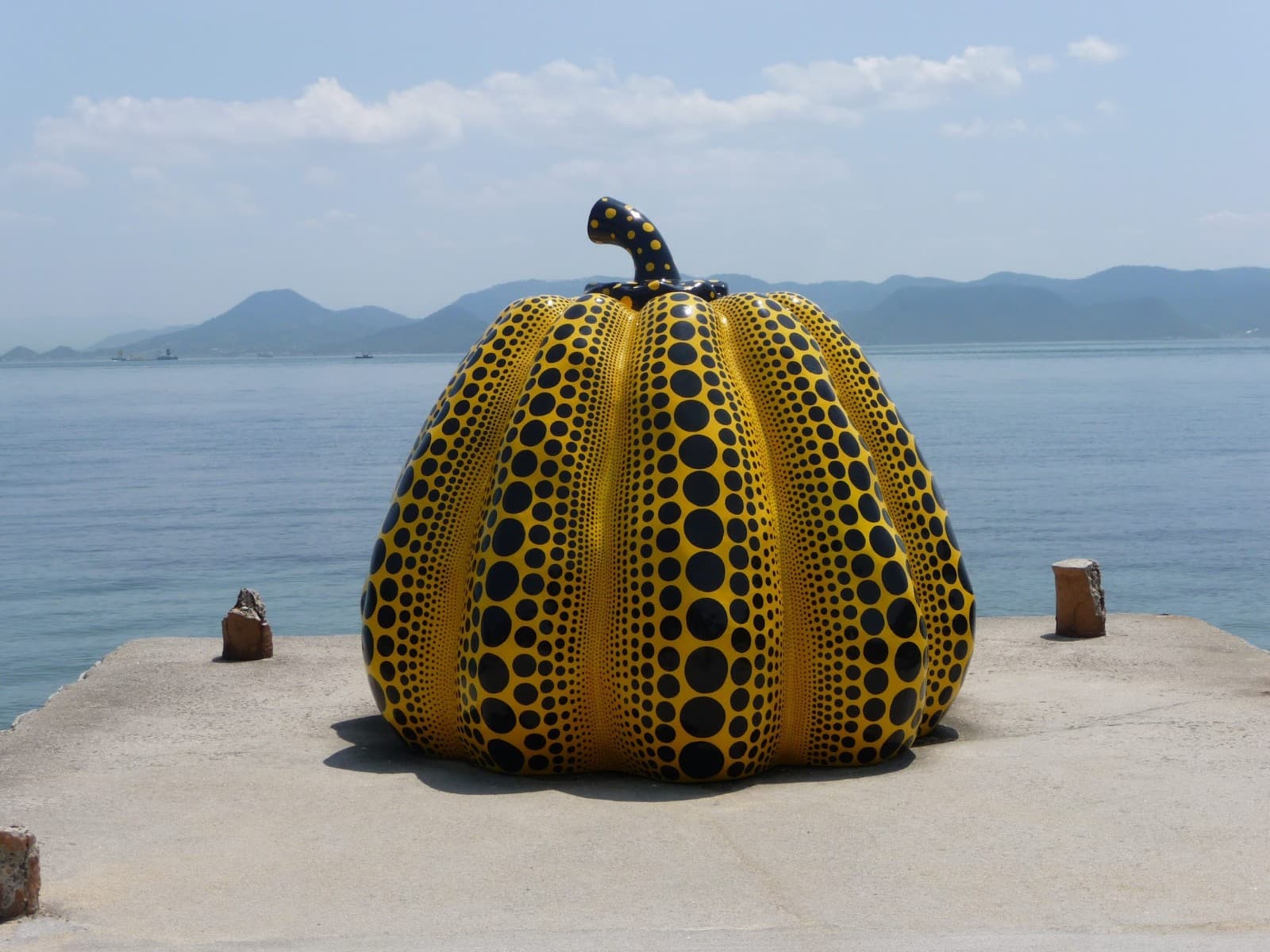
Yes, the natural beauty of Naoshima Island is a significant part of its appeal. You'll find many picturesque spots for photography, from coastal views to the unique art installations scattered across the island. +1


Social
from TikTok, Instagram & Reddit