Art House Project Naoshima
Transforming abandoned homes into captivating art installations, the Art House Project offers a unique blend of history, architecture, and contemporar...
Highlights
Must-see attractions

Social
From TikTok & Reddit
Best Time
Beat the crowds for a serene experience.
Art House Project Naoshima
Best Time
Beat the crowds for a serene experience.
Highlights
Must-see attractions
Transforming abandoned homes into captivating art installations, the Art House Project offers a unique blend of history, architecture, and contemporary creativity.
"It's like a dream to sit alone in this house. Absolute must see in Naoshima."
🎟️ Book Kinza in Advance
Kinza requires online reservations, book 1.5 weeks ahead!
🚶♀️ Explore Honmura First
The Art House Project is concentrated in Honmura, start your exploration here.
Quick Facts
Hours
Rating
4 · 67 reviews
Type
Art museum
Highlights
Discover the most iconic attractions and experiences
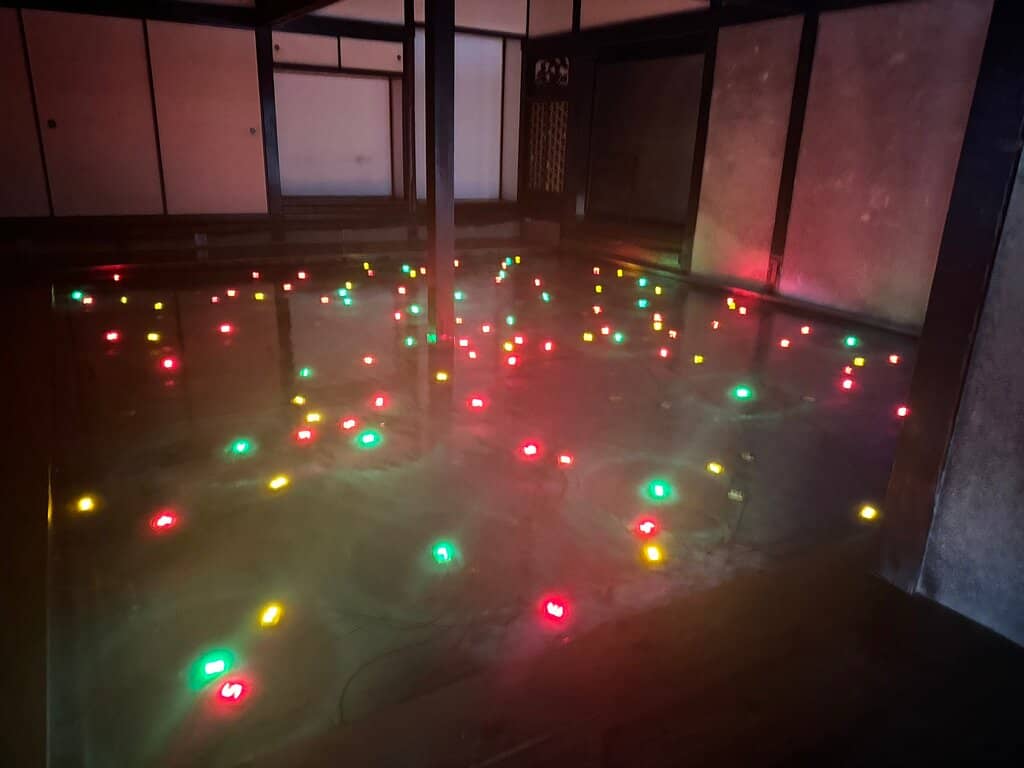
Kadoya House
Honmura District
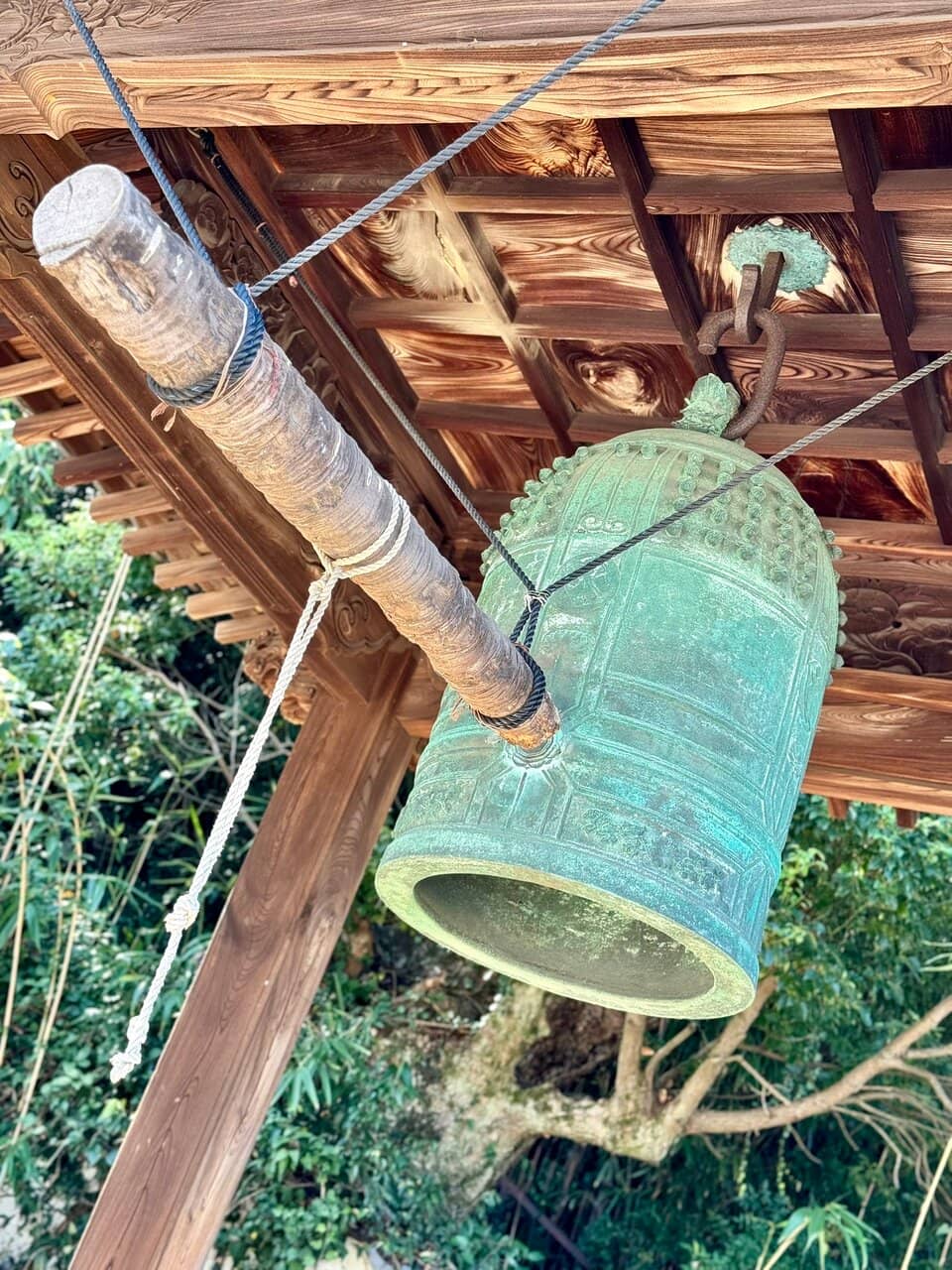
Experience Miyajima Tatsuo's 'Sea of Time,' where LED numbers flicker, symbolizing the flow of individual time.

Haisha House
Honmura District
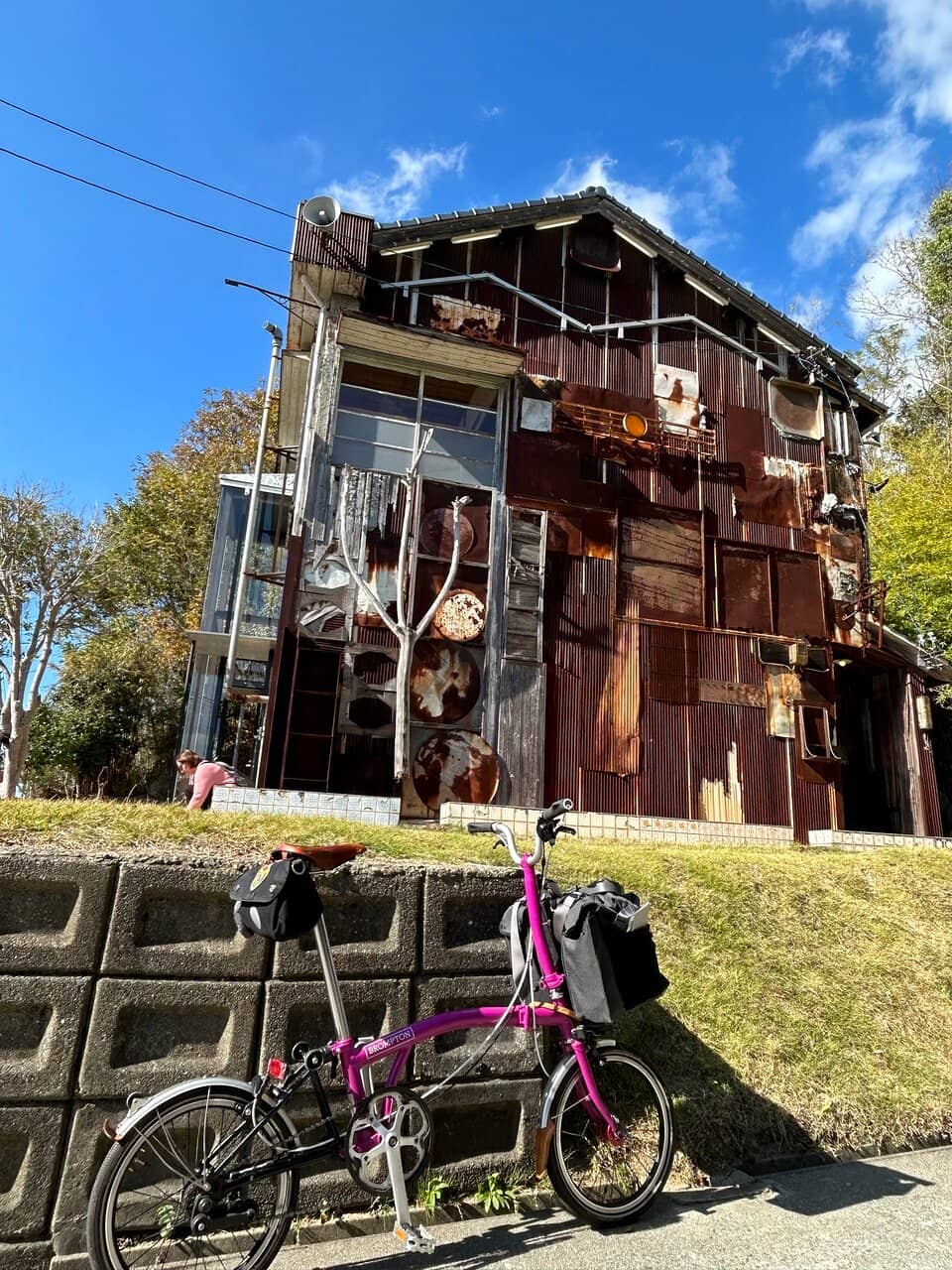
Discover Shinro Ohtake's transformation of a former dentist's office into a vibrant, eclectic art space.
Minamidera
Honmura District
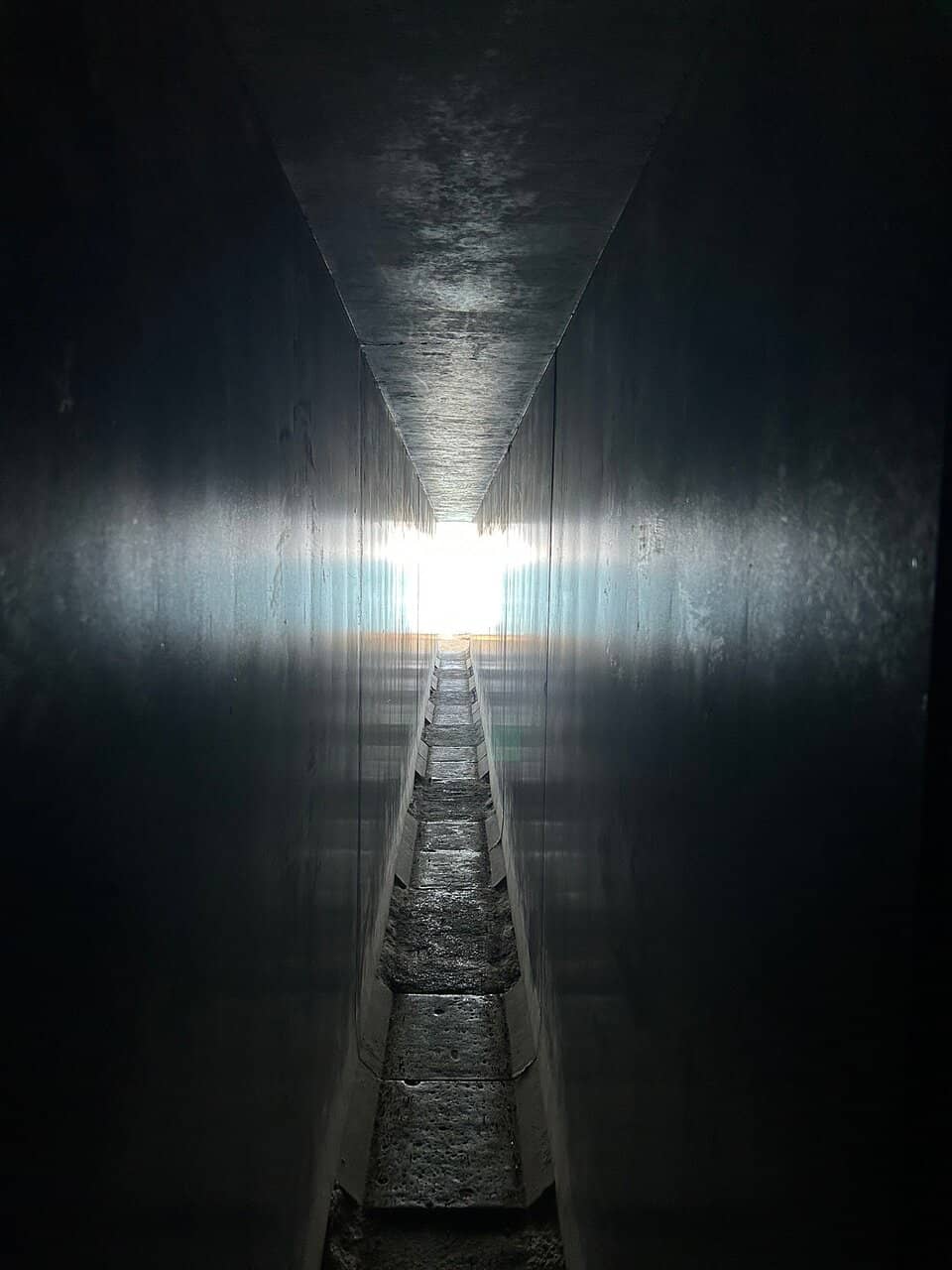
A serene encounter with light and darkness designed by Tadao Ando and James Turrell.
Go'o Shrine
Honmura District
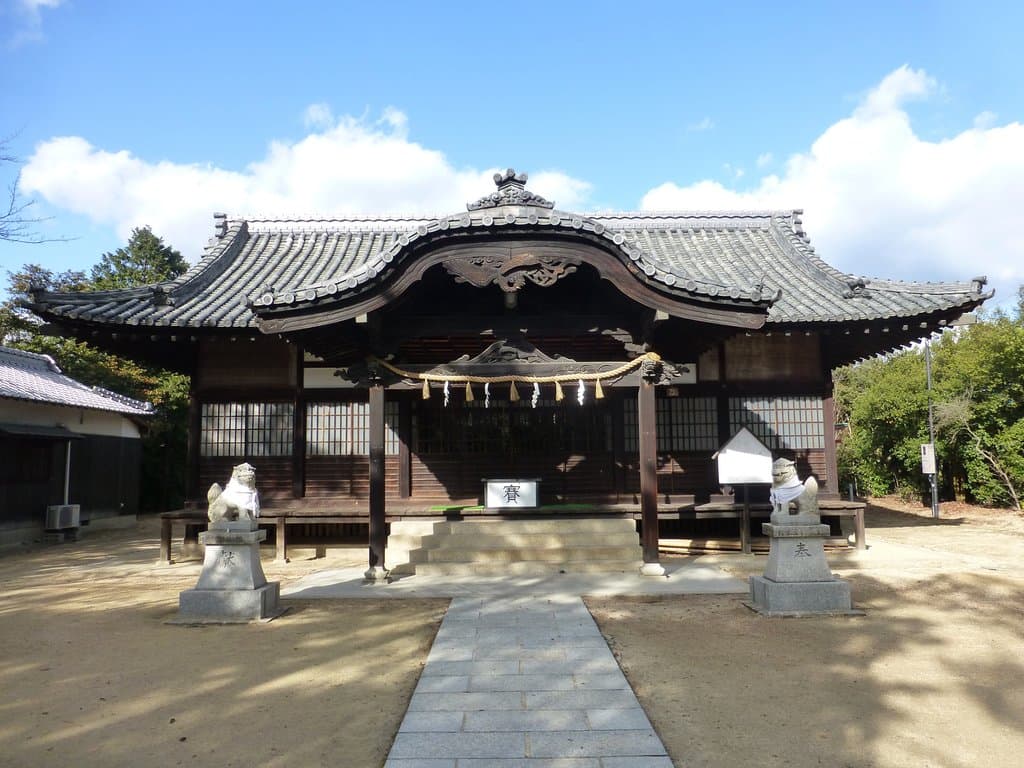
Hiroshi Sugimoto's artistic redesign of a historic shrine, blending ancient origins with contemporary vision.
Plans like a pro.
Thinks like you
Planning Your Visit
Book Ahead for Select Houses
Understand the Art's Concept
Best Times
Insider Tips
from TikTok, Instagram & Reddit
🎟️ Book Kinza in Advance
Kinza requires online reservations, book 1.5 weeks ahead!
🚶♀️ Explore Honmura First
The Art House Project is concentrated in Honmura, start your exploration here.
💡 Understand the Art
Research artists beforehand for a deeper appreciation.
👟 Wear Comfortable Shoes
You'll be walking between houses, so comfort is key.
Tips
from all over the internet
🎟️ Book Kinza in Advance
Kinza requires online reservations, book 1.5 weeks ahead!
🚶♀️ Explore Honmura First
The Art House Project is concentrated in Honmura, start your exploration here.
💡 Understand the Art
Research artists beforehand for a deeper appreciation.
👟 Wear Comfortable Shoes
You'll be walking between houses, so comfort is key.
⏳ Allow ample time
Each house offers a unique experience; don't rush.
What Travellers Say
Reviews Summary
Visitors often find the Art House Project a unique and thought-provoking experience, appreciating the transformation of traditional homes into art spaces. However, some find certain installations abstract or not worth the reservation/entry fee, especially when compared to other art on the island.
"Art is in eye of the beholder and to me it is just a dim room with a circular rock block and wooden columns. I did meditate in the space to enjoy my time there but overall not worth reserving so far ahead and paying over 500 yen. It pales in comparison to the same artist’s work in Teshima"
Eugene Ho
"The unqiue experience was worth the pre-booking. You need to reserve online and then pick up the art house project ticket at the Honmura Lounge and Archive a few door steps away. Be on time and spend a good 15 minutes in Kinza. Totally worth it."
Chloe Suen
"Absolute must see in Naoshima.....it is like a dream to sit alone in this house. Thanks to the lady at the entrance that discussed the art house with me."
Olaf Kolbatz
What People Like
What People Dislike
Frequently Asked Questions
🚇 🗺️ Getting There
Access Naoshima by ferry from Uno Port (Okayama Prefecture) or Takamatsu Port (Kagawa Prefecture). From the Miyanoura Port, you can walk or take a bus to the Honmura district where most Art House Project locations are situated.
Limited parking is available on Naoshima, especially in the Honmura area. It's recommended to use public transport or walk once you arrive on the island.
Yes, Naoshima can be visited as a day trip, but to fully appreciate the Art House Project and other attractions, an overnight stay is recommended.
The Art House Project is best explored on foot within the Honmura district. For longer distances, local buses are available.
Yes, there are accommodations like the modern ryokan Rokana Naoshima located within walking distance to the Honmura area and the Art House Project.
🎫 🎫 Tickets & Entry
Yes, a combined ticket for the Art House Project is available for purchase at the Honmura Lounge and Archive. Some individual houses may have separate entry fees or require reservations.
The Kinza house is the primary location within the Art House Project that requires advance online reservations due to its intimate viewing capacity.
It is recommended to book your reservation for the Kinza house at least 1.5 weeks in advance, as slots are limited and fill up quickly.
The Art House Project locations generally open around 10 AM and close by 4:30 PM or 5 PM. It's advisable to check specific house hours as they can vary.
While some houses might allow on-the-spot entry if available, purchasing a combined ticket at the Honmura Lounge and Archive is the standard procedure. For Kinza, pre-booking is essential.
🎫 🎨 Onsite Experience
The Art House Project is a unique initiative where artists transform abandoned traditional Japanese houses in Naoshima into contemporary art installations, breathing new life into the community.
There are several houses that are part of the Art House Project, including Kadoya, Haisha, Minamidera, Kinza, and Go'o Shrine, each offering a distinct artistic vision.
Expect diverse artistic expressions, from light and sound installations to immersive environments and sculptural pieces, all within the intimate setting of a renovated traditional home.
The Art House Project can be an interesting experience for older children who can appreciate art. However, some installations might be too abstract or require quiet contemplation, so parental guidance is advised.
Photography policies vary by house. Some may allow it, while others might restrict it to preserve the artwork and the visitor experience. Always check for signage or ask staff.
🍽️ 🍽️ Food & Dining
Yes, the Honmura district offers several cafes and restaurants where you can enjoy local cuisine and refreshments after exploring the art houses.
It is generally not permitted to consume food or drinks inside the Art House Project installations to protect the artwork. Designated areas might be available.
You can find a variety of Japanese dishes, including fresh seafood, udon noodles, and local specialties. Many eateries are located near the ports and art sites.
Options can be limited, but many restaurants can accommodate dietary requests if informed in advance. It's best to inquire at the establishment.
Dining prices are comparable to other tourist areas in Japan. You can find a range of options from casual cafes to more formal restaurants.
📸 📸 Photography
Each house offers unique photographic opportunities, from the exterior architecture to the interior installations. Haisha and Kadoya are particularly visually striking.
Photography rules vary. Some houses may prohibit flash or any photography to protect the art. Always be respectful of the environment and other visitors.
A versatile lens (like a 24-70mm) is useful for capturing both wide interior shots and details. A tripod might be restricted, so a camera with good low-light performance is beneficial.
Mornings offer softer light and fewer crowds, ideal for capturing the atmosphere. However, the unique lighting within installations like Minamidera can be striking at any time.
Yes, the exteriors of the traditional houses, often with their unique architectural details and surrounding streets, make for excellent photographs.

Social
from TikTok, Instagram & Reddit