
Dake Onsen Japan
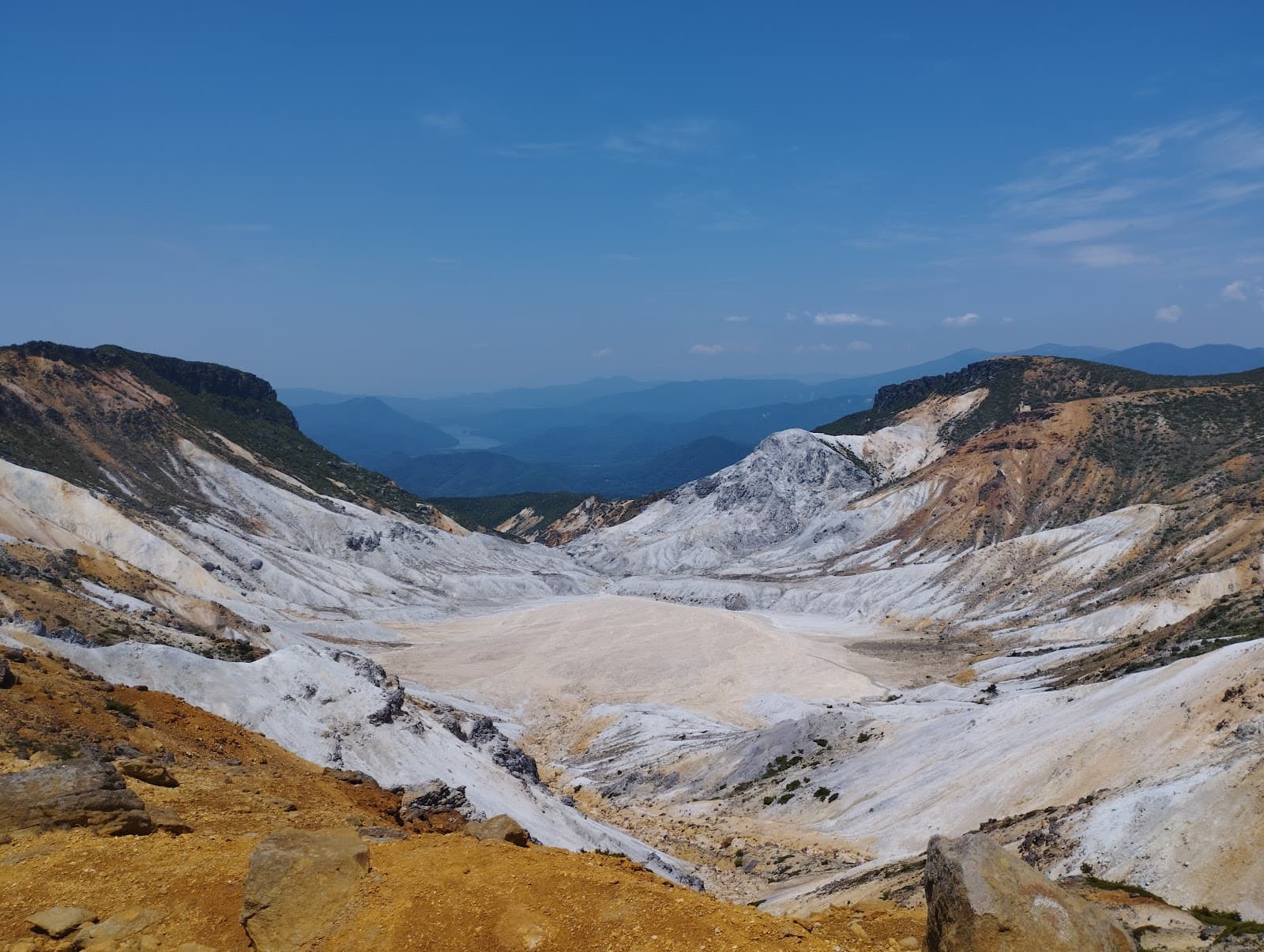
Dake Onsen offers a serene escape with its natural hot springs, traditional ryokans, and picturesque landscapes across towns like Ginzan and Takaragaw...

Highlights
Must-see attractions

Social
From TikTok & Reddit
Best Time
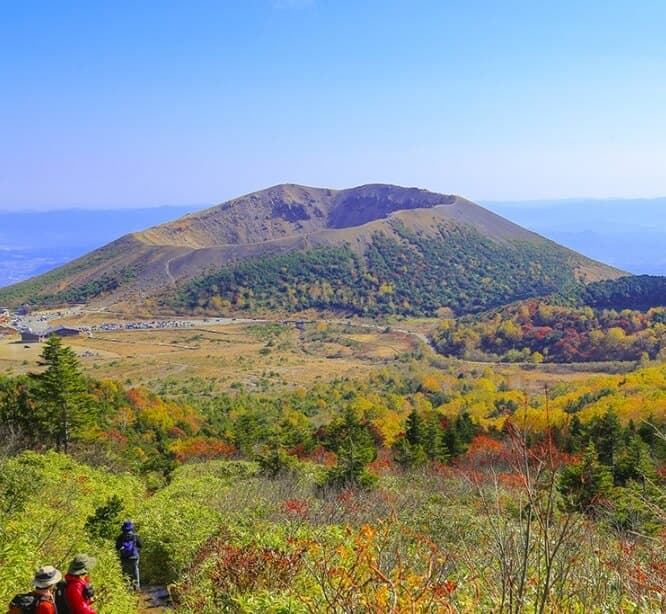
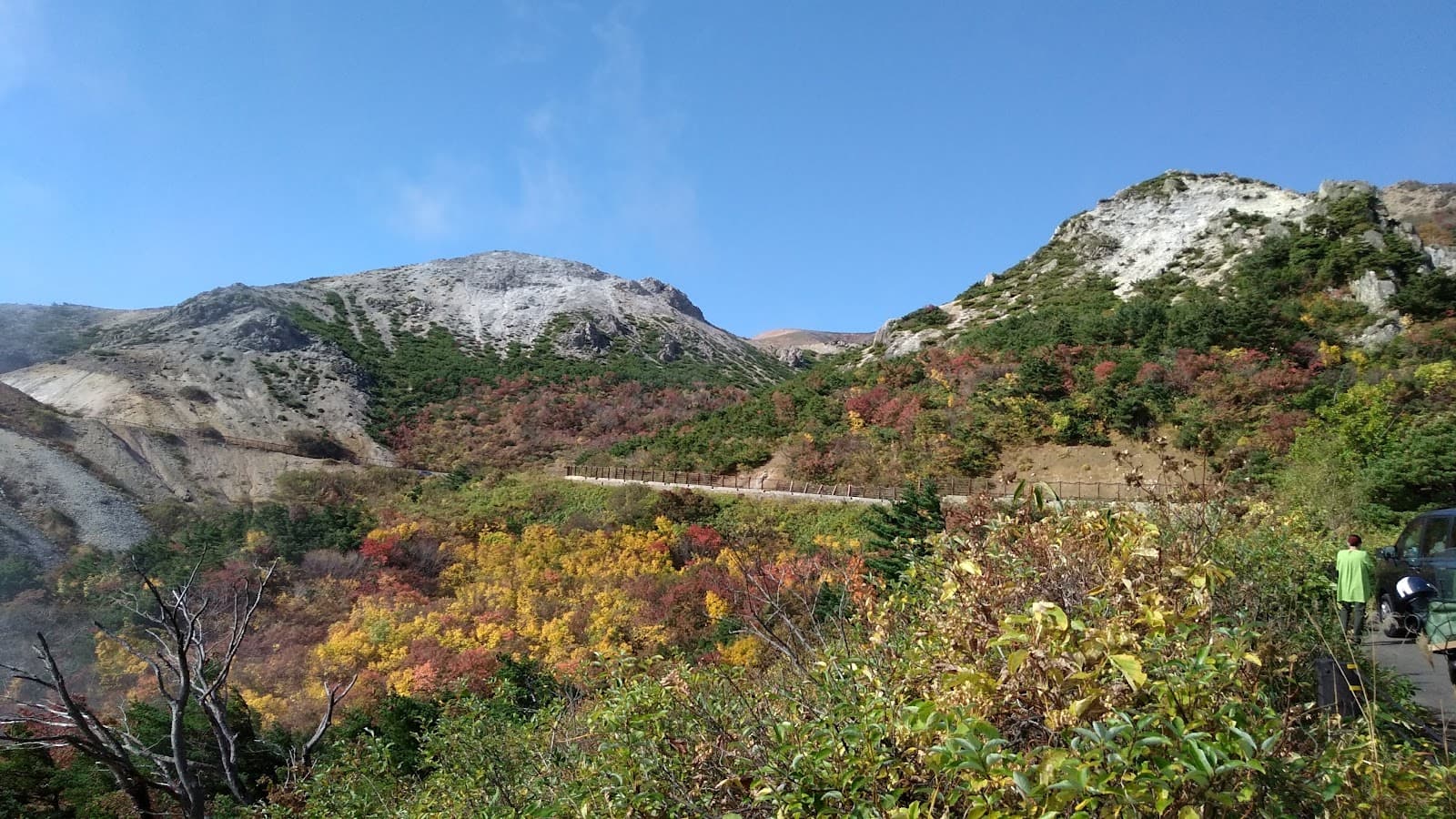
Vibrant foliage views
Dake Onsen Japan
Best Time
Vibrant foliage views
Highlights
Must-see attractions
Dake Onsen offers a serene escape with its natural hot springs, traditional ryokans, and picturesque landscapes across towns like Ginzan and Takaragawa.
"Immerse yourself in tranquility at one of Japan's most scenic and peaceful hot spring escapes. 

♨️ Embrace the Onsen Culture
Follow onsen etiquette: wash thoroughly before entering baths. Enjoy the therapeutic waters!
📸 Capture the Scenery
Bring your camera for stunning natural landscapes and charming town views. Golden hour is magical!

Quick Facts
Highlights
Discover the most iconic attractions and experiences
Takaragawa Onsen
Gunma Prefecture
One of Japan's largest outdoor hot springs, surrounded by untouched nature. A truly scenic and peaceful escape.

Ginzan Onsen
Yamagata Prefecture
A picturesque hot spring town with a nostalgic, Showa-era atmosphere. Famous for its traditional inns and gas lamps.

Shima Onsen
Gunma Prefecture
Known for its healing waters and beautiful mountain scenery, offering a classic onsen experience.
Plans like a pro.
Thinks like you
Planning Your Visit
Embrace the Serenity
Seasonal Wonders
Best Times
Insider Tips
from TikTok, Instagram & Reddit
♨️ Embrace the Onsen Culture
Follow onsen etiquette: wash thoroughly before entering baths. Enjoy the therapeutic waters!
📸 Capture the Scenery
Bring your camera for stunning natural landscapes and charming town views. Golden hour is magical!
🧳 Pack for Comfort
Light layers are best. Comfortable shoes for exploring are a must.
📅 Book Accommodations Early
Popular ryokans fill up fast, especially during peak seasons.
Tips
from all over the internet
♨️ Embrace the Onsen Culture
Follow onsen etiquette: wash thoroughly before entering baths. Enjoy the therapeutic waters!
📸 Capture the Scenery
Bring your camera for stunning natural landscapes and charming town views. Golden hour is magical!
🧳 Pack for Comfort
Light layers are best. Comfortable shoes for exploring are a must.
📅 Book Accommodations Early
Popular ryokans fill up fast, especially during peak seasons.
What Travellers Say
Reviews Summary
Visitors rave about the breathtaking scenery and the deeply relaxing onsen experiences in Dake Onsen's various towns. The traditional ryokans and charming atmospheres, especially Ginzan Onsen's nostalgic streets, are frequently praised. Some note that dining options outside of ryokans can be limited, and travel between different onsen areas requires careful planning.
What People Like
What People Dislike
Frequently Asked Questions
🚇 🗺️ Getting There
From Tokyo, take the Shinkansen (bullet train) to Fukushima Station for Dake Onsen in Fukushima. For Takaragawa Onsen in Gunma, take the Joetsu Shinkansen to Jomo-Kogen Station, then a bus. For Ginzan Onsen in Yamagata, take the Shinkansen to Oishida Station.
Travel between different onsen towns like Ginzan and Shima can involve multiple train and bus transfers. Renting a car offers more flexibility for exploring multiple locations.
Within each onsen town, walking is the primary way to get around. For longer distances between towns, local buses and trains are available, but schedules can be infrequent.
The nearest major airports are Tokyo Narita (NRT) and Haneda (HND). From there, you'll typically take a train to reach the Dake Onsen regions.
Yes, the Japan Rail Pass generally covers Shinkansen and JR local trains to reach the gateway stations of these onsen areas. Check specific route coverage.
🎫 🎫 Tickets & Entry
Entry to the towns themselves is usually free. However, access to specific onsen facilities or day-use baths may require a fee.
Onsen baths usually open in the morning (around 9-10 AM) and close in the evening (around 8-9 PM). Some may have extended hours.
Yes, many ryokans and public bathhouses offer day-use onsen experiences (higaeri onsen) for a fee.
Some regions might offer day-use passes or combination tickets, but it's not a universal system. It's best to check with individual onsen facilities.
Day-use onsen fees can range from ¥500 to ¥2,000, depending on the facility and amenities offered.
🎫 🏞️ Onsite Experience
Dake Onsen towns offer a serene and traditional Japanese atmosphere, with many featuring historic wooden ryokans, gas lamps, and natural hot springs.
Highlights include the expansive outdoor baths at Takaragawa Onsen, the charming streets of Ginzan Onsen, and the natural beauty surrounding Shima Onsen.
Yes, the surrounding mountains offer opportunities for hiking and enjoying nature, especially during spring and autumn.
Look for local crafts, onsen-related products like bath salts or towels, and regional snacks.
Absolutely! The peaceful environment and relaxing onsen make it a great destination for solo travelers seeking tranquility.
🍽️ 🍽️ Food & Dining
Enjoy regional specialties like fresh river fish, local mountain vegetables, and kaiseki (multi-course haute cuisine) meals at ryokans.
Yes, most onsen towns have a few local restaurants offering Japanese cuisine, though dining options might be more limited than in larger cities.
It can be challenging, but inform your ryokan in advance. Some restaurants may offer vegetable-based dishes, but cross-contamination is possible.
Kaiseki is a traditional multi-course Japanese dinner, emphasizing seasonal ingredients and artistic presentation, often served at ryokans.
Smaller towns may have limited convenience stores. It's advisable to stock up on snacks if you have specific dietary needs or preferences.
📸 📸 Photography
Capture the iconic wooden ryokans and gas lamps of Ginzan Onsen, the expansive riverside baths of Takaragawa Onsen, and the natural landscapes.
No, photography is strictly prohibited in onsen bathing areas for privacy reasons. Be respectful of others.
Early morning or late afternoon (golden hour) offers beautiful light and fewer crowds. Evening with the gas lamps lit is also magical in Ginzan Onsen.
Drone usage is generally restricted in residential areas and national parks. Always check local regulations before flying a drone.
A versatile lens (e.g., 24-70mm) is useful. A tripod can be helpful for low-light shots, especially in the evening.

Social
from TikTok, Instagram & Reddit