Shibayama Kofun Haniwa Museum
Discover ancient Japanese burial mounds and unique haniwa clay figures at this gem near Narita Airport. A must for history lovers!
Highlights
Must-see attractions

Social
From TikTok & Reddit
Best Time
Fewer crowds, more peaceful viewing
Shibayama Kofun Haniwa Museum
Best Time
Fewer crowds, more peaceful viewing
Highlights
Must-see attractions
Discover ancient Japanese burial mounds and unique haniwa clay figures at this gem near Narita Airport. A must for history lovers!
"A small museum with a rich collection of exhibits, focusing on various haniwa excavated from ancient tumuli."
🚂 Train Transfer Tip
Board Keisei Main Line Ltd. Express at Keisei-Nippori for Narita Airport, then transfer at Keisei-Narita to Higashinarita Line for Shibayama-Chiyoda. You have 10 mins!
⏳ Allow Ample Time
For kofun enthusiasts, dedicate at least 1.5 hours to fully appreciate the detailed haniwa exhibits.
Quick Facts
Hours
Rating
4 · 402 reviews
Type
Museum
Highlights
Discover the most iconic attractions and experiences
Haniwa Collection
Exhibition Rooms 1-3
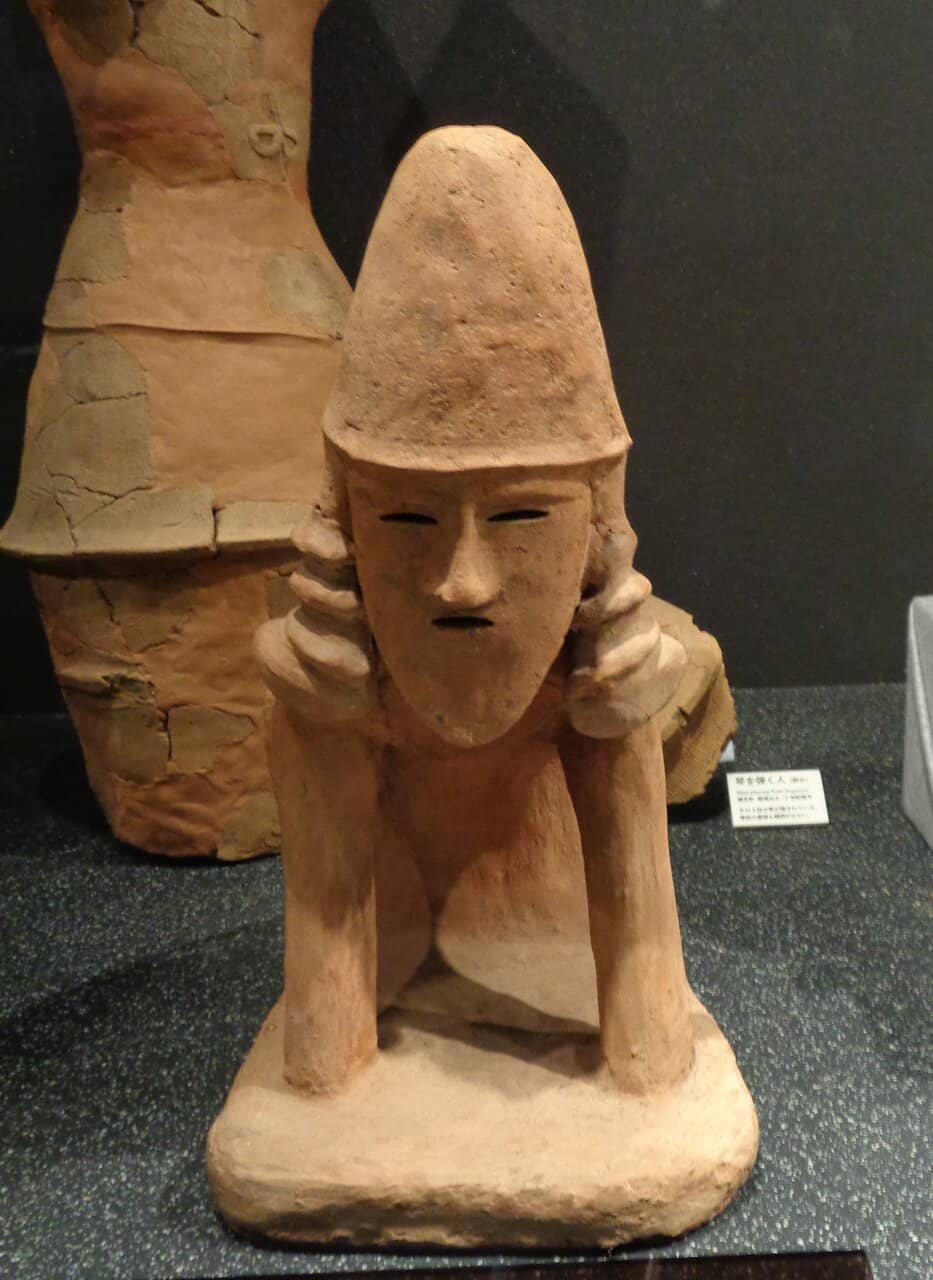
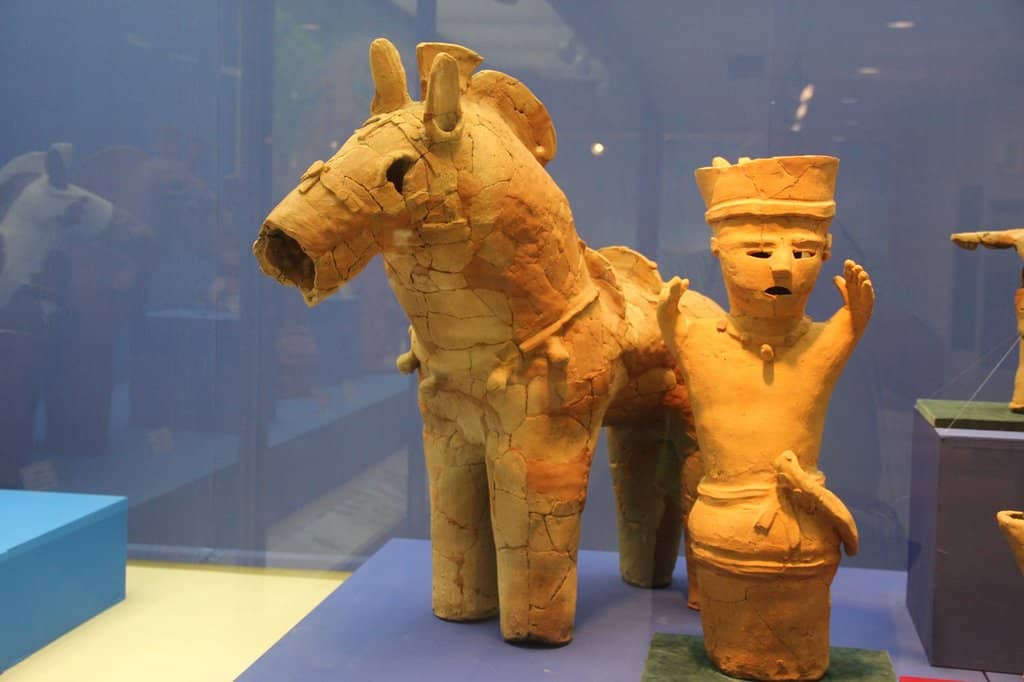
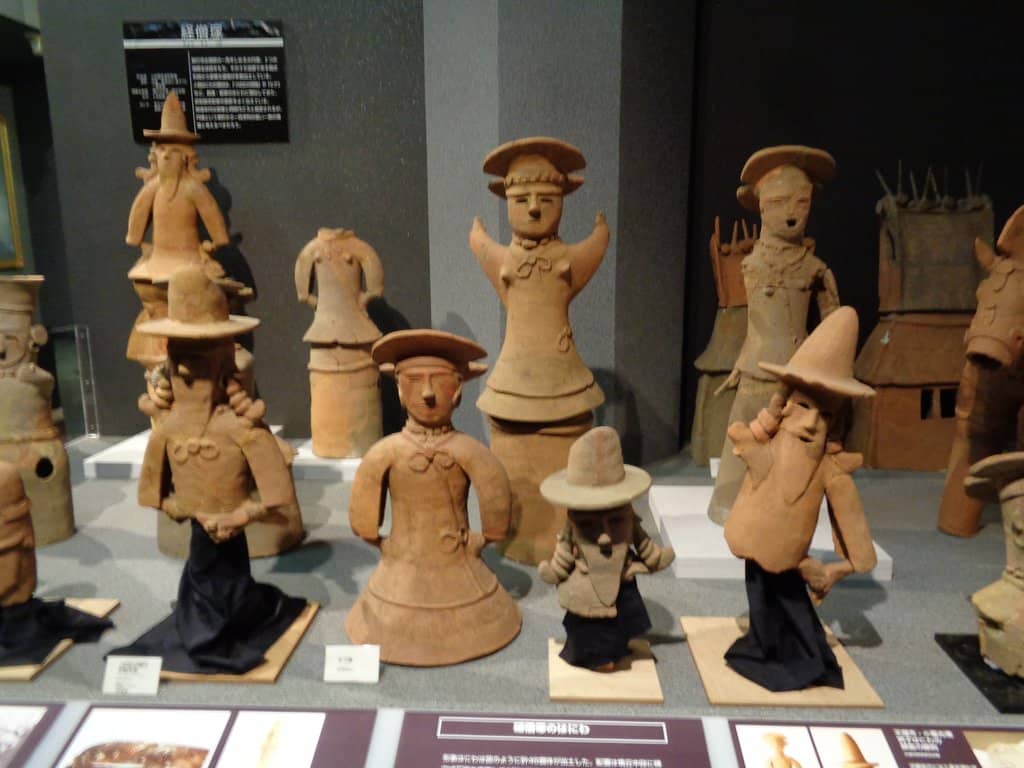
Marvel at a rich variety of haniwa, from large to small, showcasing diverse shapes and expressions. Many are designated Important Cultural Properties.
Ancient Tomb Insights
Exhibition Rooms 1-3
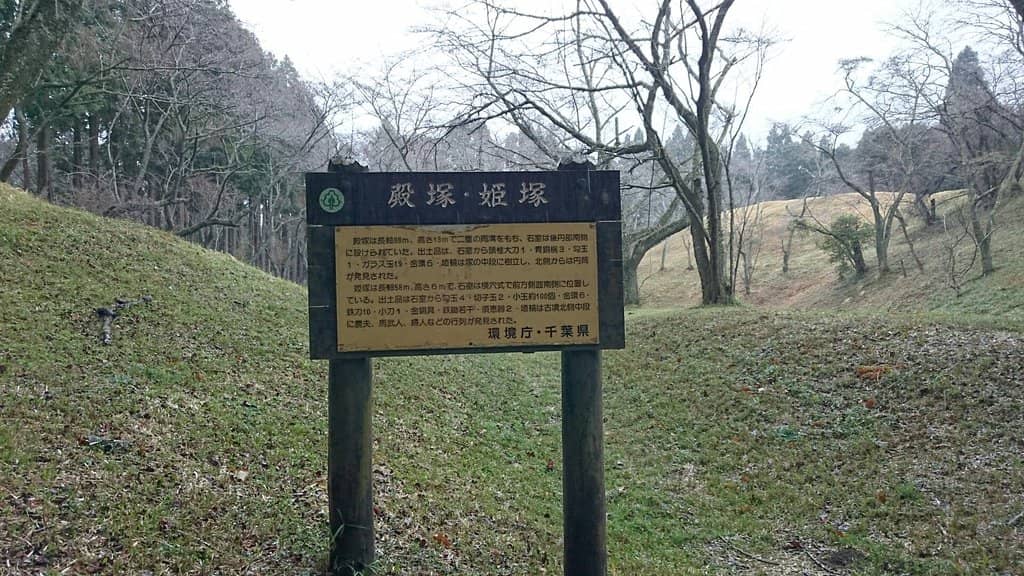
Understand the Tonozuka and Himezuka tumuli better after visiting. Learn about excavation work and the significance of kofun in the southern Kanto region.
Haniwa Highway
Outside the museum
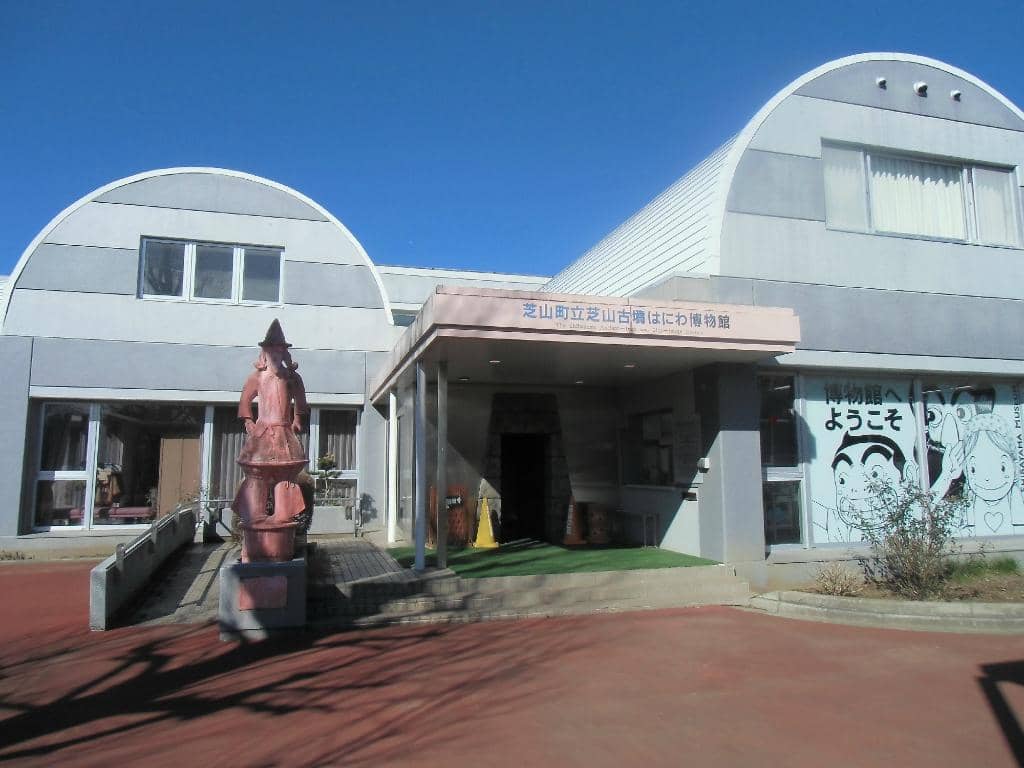
See haniwa lined up in the plaza and a haniwa totem pole, setting an exciting mood before you even enter the museum.
Plans like a pro.
Thinks like you
Planning Your Visit
Getting There: A Bit of a Journey
Unlocking Ancient Secrets
Best Times
Insider Tips
from TikTok, Instagram & Reddit
🚂 Train Transfer Tip
Board Keisei Main Line Ltd. Express at Keisei-Nippori for Narita Airport, then transfer at Keisei-Narita to Higashinarita Line for Shibayama-Chiyoda. You have 10 mins!
⏳ Allow Ample Time
For kofun enthusiasts, dedicate at least 1.5 hours to fully appreciate the detailed haniwa exhibits.
🛍️ Museum Shop Finds
The shop feels more like a gift shop. Realistic replicas of items are a good deal, and you can buy tumuli seals here!
🚶♀️ Haniwa Highway Fun
Don't miss the haniwa lined up outside and the totem pole – a fun prelude to the museum's treasures.
Tips
from all over the internet
🚂 Train Transfer Tip
Board Keisei Main Line Ltd. Express at Keisei-Nippori for Narita Airport, then transfer at Keisei-Narita to Higashinarita Line for Shibayama-Chiyoda. You have 10 mins!
⏳ Allow Ample Time
For kofun enthusiasts, dedicate at least 1.5 hours to fully appreciate the detailed haniwa exhibits.
🛍️ Museum Shop Finds
The shop feels more like a gift shop. Realistic replicas of items are a good deal, and you can buy tumuli seals here!
🚶♀️ Haniwa Highway Fun
Don't miss the haniwa lined up outside and the totem pole – a fun prelude to the museum's treasures.
💰 Affordable Entry
Adult admission is only 200 yen, making this a budget-friendly and insightful cultural experience.
What Travellers Say
Reviews Summary
Visitors praise the Shibayama Kofun Haniwa Museum for its surprisingly rich collection of haniwa and valuable insights into ancient tomb culture, all at a very affordable price. While the journey requires a train transfer, the unique exhibits and the engaging presentation make it a worthwhile destination for history enthusiasts.
"At Keisei-Nippori train Station, participants board the 9:59 am Keisei Main Line Ltd. Express bound for NARITA AIRPORT TERMINAL 1, and transfer at Keisei-Narita Station to the Higashinarita Line for SHIBAYAMA-CHIYODA. You'll have 10 minutes to change trains, so don't worry!"
Ngo Hai Anh
"Located near Narita Airport, it's a little inconvenient to get to, but I think the Kofun Museum is well worth a visit. While the museum is small, it boasts a rich collection of exhibits, focusing on various haniwa (handiwa) excavated from ancient tumuli in Shibayama-machi, Chiba Prefecture, many of which have been designated as Important Cultural Properties. For kofun enthusiasts, a visit of at least 1.5 hours is recommended. The subtle changes in expression on each haniwa are fascinating.
It's easier to understand the Tonozuka and Himezuka tumuli after visiting the museum. Fortunately, I did my research beforehand, so I wasn't completely lost when I arrived at the tumuli. The museum also sells tumuli seals! If you're looking to collect them, be sure to buy one here."
Chih-Wei Huang
"This is a must-see museum for haniwa lovers.
There are many haniwa on display, all of which are easy to see and understand.
The hand puppet guides provide entertaining commentary, making it a fun museum to look around.
There are many more excavated haniwa on display than I expected, and I was surprised at the wide variety and shapes of haniwa that existed. They are displayed in an easy-to-see manner, ranging from large to small. Many of the pieces must have been difficult to restore, making this a museum well worth seeing.
It feels more like a gift shop than a museum shop. I felt the realistic replicas of the items were a good deal.
By the way, there are many more haniwa along the Haniwa Highway on the way here. They are lined up in the plaza in front of the museum. There is also a haniwa totem pole, so you can enter the museum in an excited mood."
秀光人形工房shukoh
What People Like
What People Dislike
Frequently Asked Questions
🚇 🗺️ Getting There
From Keisei-Nippori Station, take the Keisei Main Line Ltd. Express towards Narita Airport Terminal 1. Transfer at Keisei-Narita Station to the Higashinarita Line for Shibayama-Chiyoda. You'll have about 10 minutes for the transfer.
It's a bit inconvenient, requiring a train transfer, but doable. The journey involves the Keisei Main Line and Higashinarita Line.
The recommended route involves transferring at Keisei-Narita Station to the Higashinarita Line.
While specific times vary, factor in travel to Keisei-Nippori, the train journey, and the transfer time. It's a worthwhile detour for those interested in archaeology.
The museum is located near Narita Airport, with Keisei-Narita Station being a key transfer point for accessing the Higashinarita Line.
🎫 🎫 Tickets & Entry
The admission fee is very affordable at 200 yen for adults, making it an excellent value for the historical insights provided.
Information on specific discounts is not widely available, but the standard adult fee is already very low.
Opening hours can vary, so it's advisable to check the official museum website or local listings before your visit.
Tickets are typically purchased at the museum upon arrival due to the low admission fee and the nature of the attraction.
While you can do a quick walkthrough, dedicating at least 1.5 hours is recommended for kofun enthusiasts to fully appreciate the exhibits.
🎫 🏛️ Onsite Experience
The museum features a rich collection of haniwa (clay figures) excavated from local ancient tumuli, many of which are Important Cultural Properties. You'll also find displays on ancient tomb excavation and lifestyles.
For those interested in kofun and haniwa, a visit of at least 1.5 hours is recommended to fully absorb the details and historical context.
The museum offers hand puppet guides for entertaining commentary, making the learning experience more engaging.
The haniwa are crucial artifacts from ancient tumuli, offering insights into the burial practices, art, and culture of the period. Many are designated Important Cultural Properties.
Yes, the museum sells realistic replicas of items excavated from the Tonozuka and Himezuka tumuli, which are considered good value.
📸 📸 Photography
Photography policies can vary. It's best to check for signage at the museum entrance or inquire with staff. Often, non-flash photography is permitted for personal use.
The haniwa themselves offer unique photographic opportunities due to their varied shapes and expressions. The haniwa totem pole outside is also a great photo op.
Flash photography is typically prohibited in museums to protect artifacts. Always be mindful of other visitors and the exhibits.
Yes, you can photograph the seals, but remember to purchase them if you wish to collect them.
Museum lighting is usually designed to preserve artifacts, which can sometimes be dim. Be prepared for potentially lower light conditions.


Social
from TikTok, Instagram & Reddit