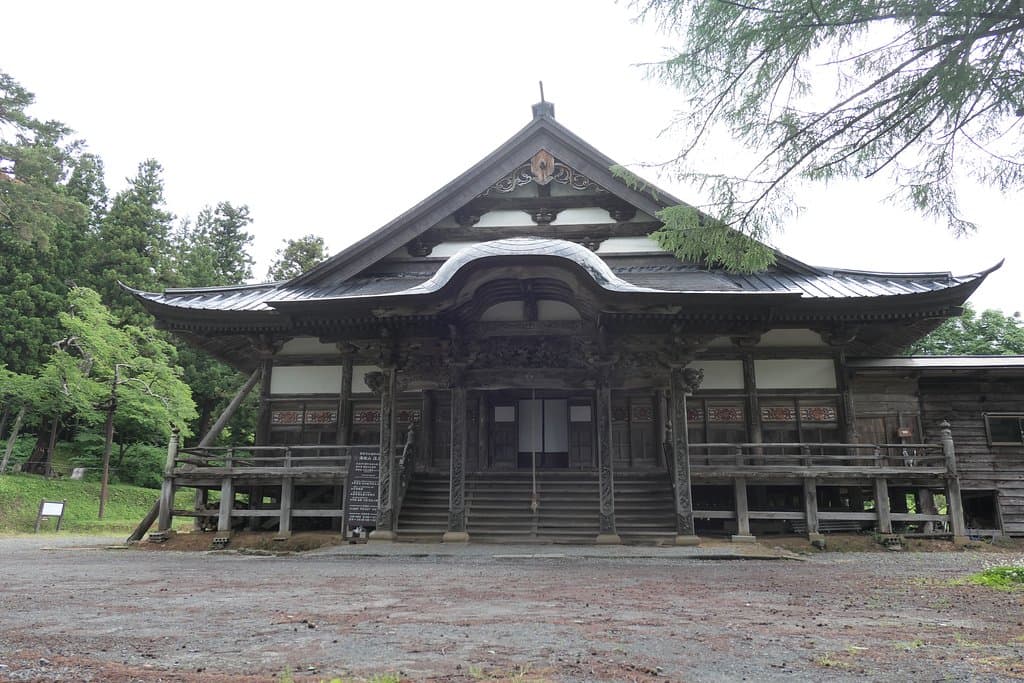
Churen-ji Temple Sokushinbutsu
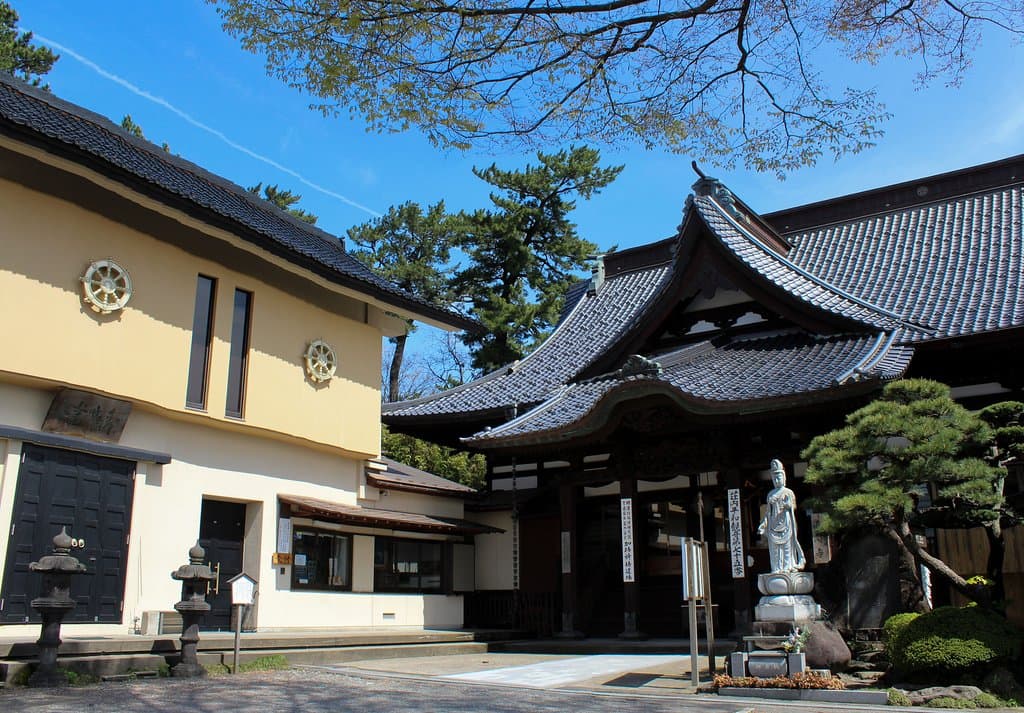
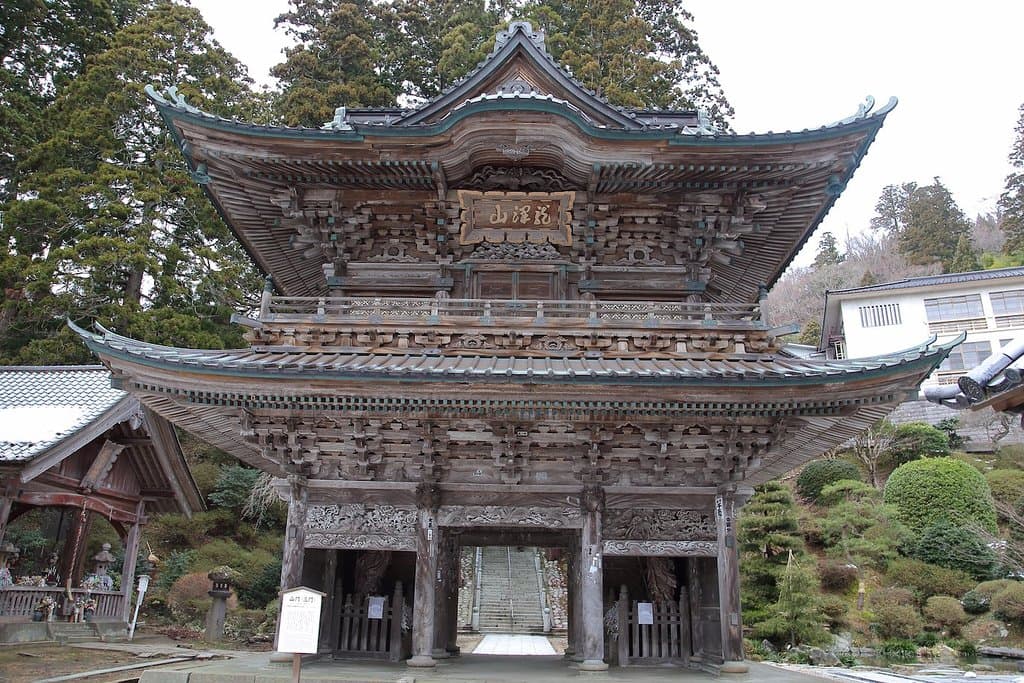
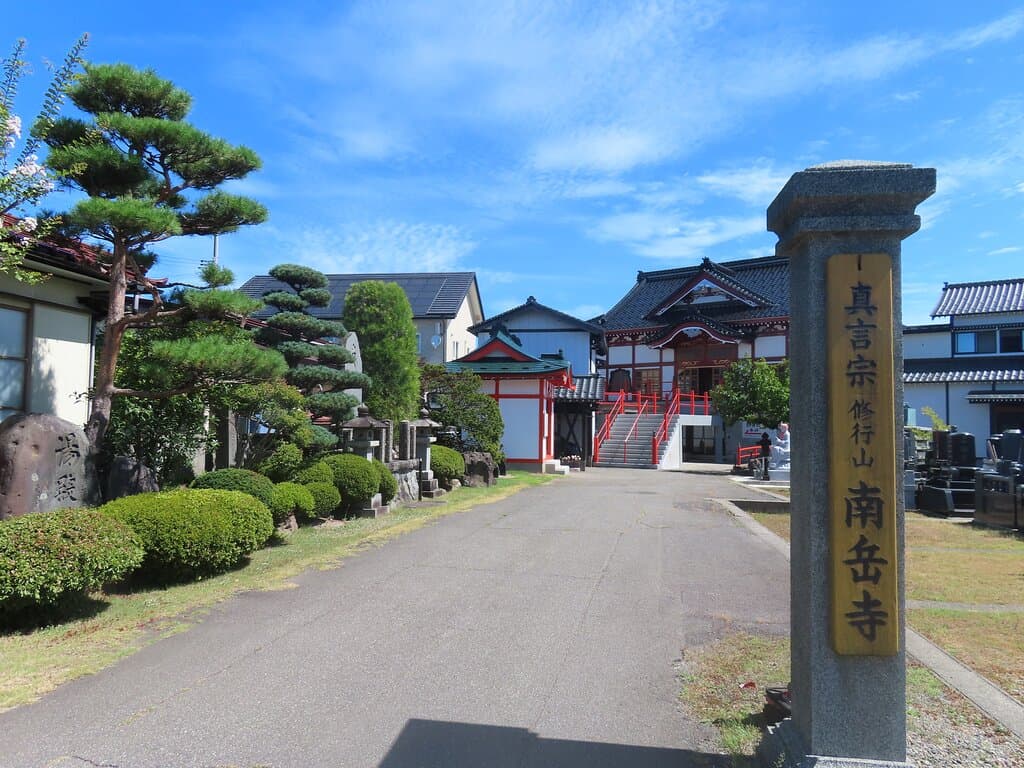
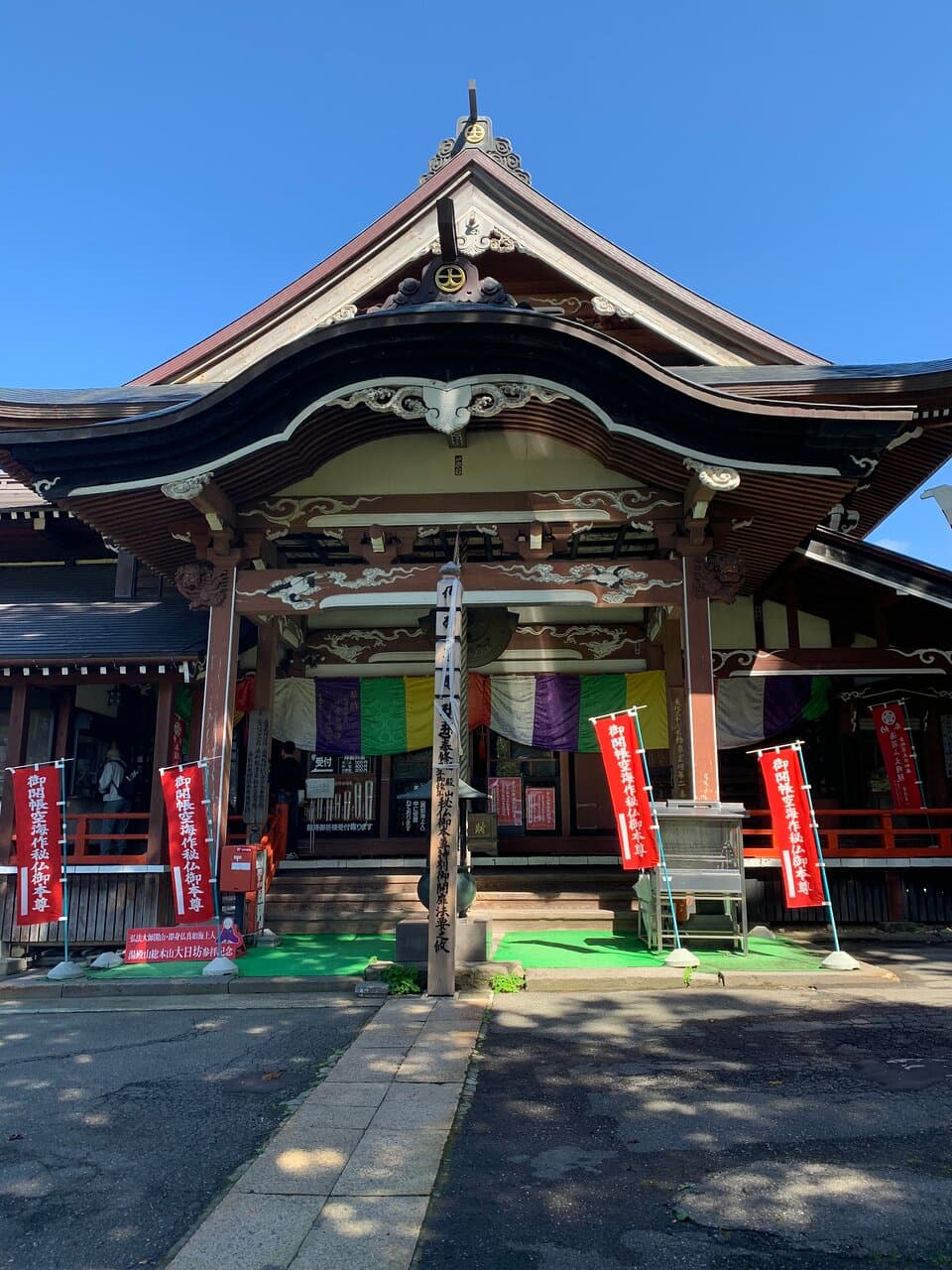
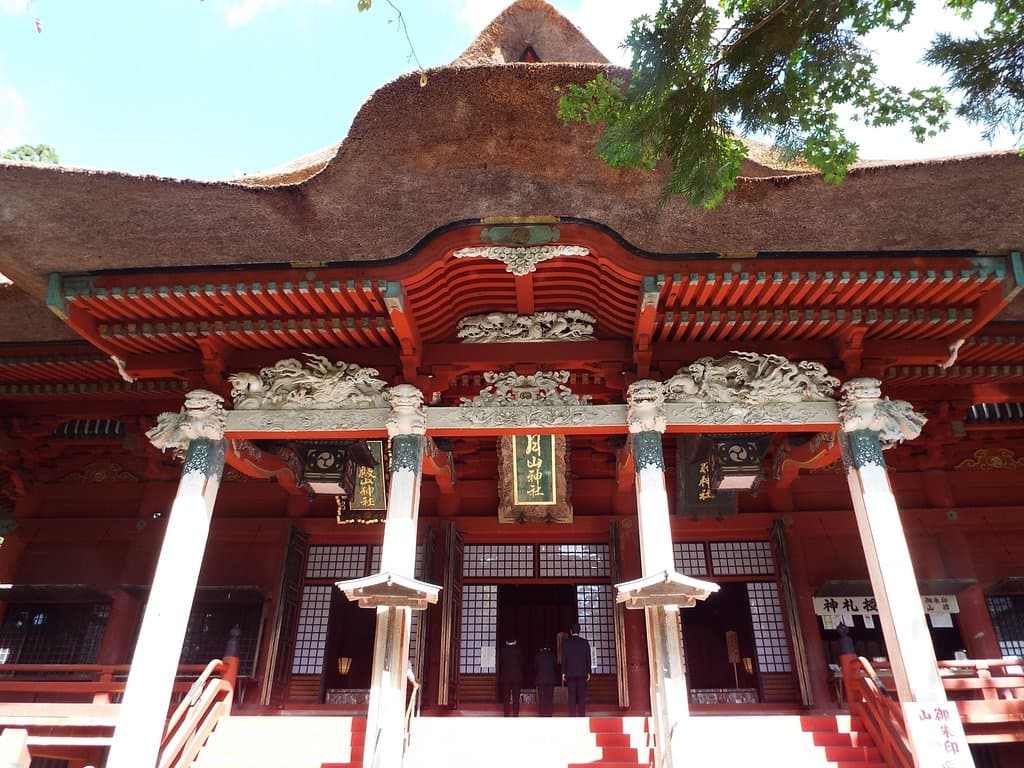
Home to a Sokushinbutsu (living Buddha), intricate ceiling art, and literary connections, offering a solemn yet fascinating spiritual journey.
Highlights
Must-see attractions

Social
From TikTok & Reddit
Best Time
Blossoms bloom, fewer crowds
Churen-ji Temple Sokushinbutsu
Best Time
Blossoms bloom, fewer crowds
Highlights
Must-see attractions
Home to a Sokushinbutsu (living Buddha), intricate ceiling art, and literary connections, offering a solemn yet fascinating spiritual journey.
"A fascinating place with a deeply unique history and decoration style inside."
🚗 Winter Road Caution
Winter access is often impossible due to snow. Check road conditions before planning a winter visit.
😷 Mask Up Indoors
Masks are required inside the temple buildings. You can purchase one at reception if needed.
Quick Facts
Hours
Rating
4.5 · 146 reviews
Type
Place of Worship
Highlights
Discover the most iconic attractions and experiences
Sokushinbutsu Tetsumon Kai-shonin
Witness the mummified remains of a monk who achieved Buddhahood while alive. A truly unique and solemn experience.
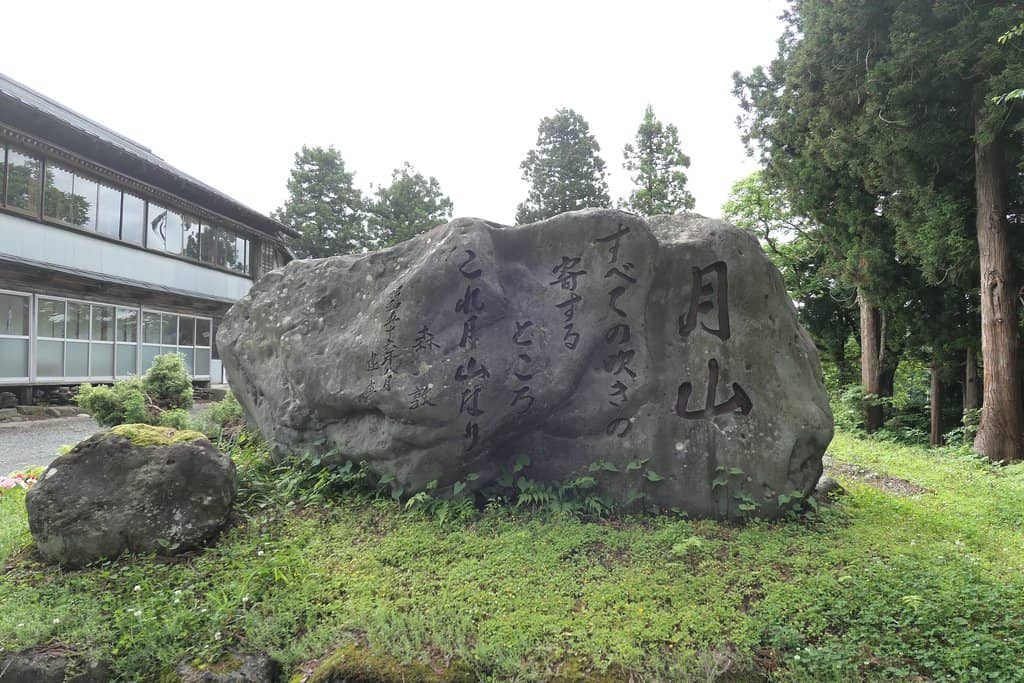
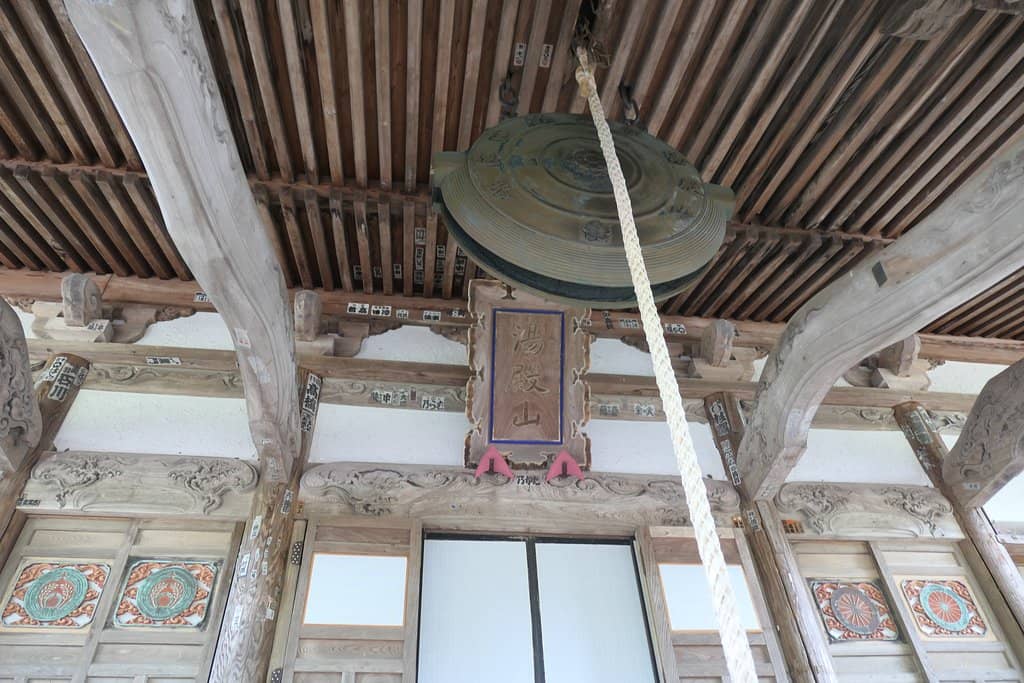
Intricate Ceiling Paintings
Marvel at the vibrant dragon and other contemporary artworks adorning the main hall's ceiling. A feast for the eyes.
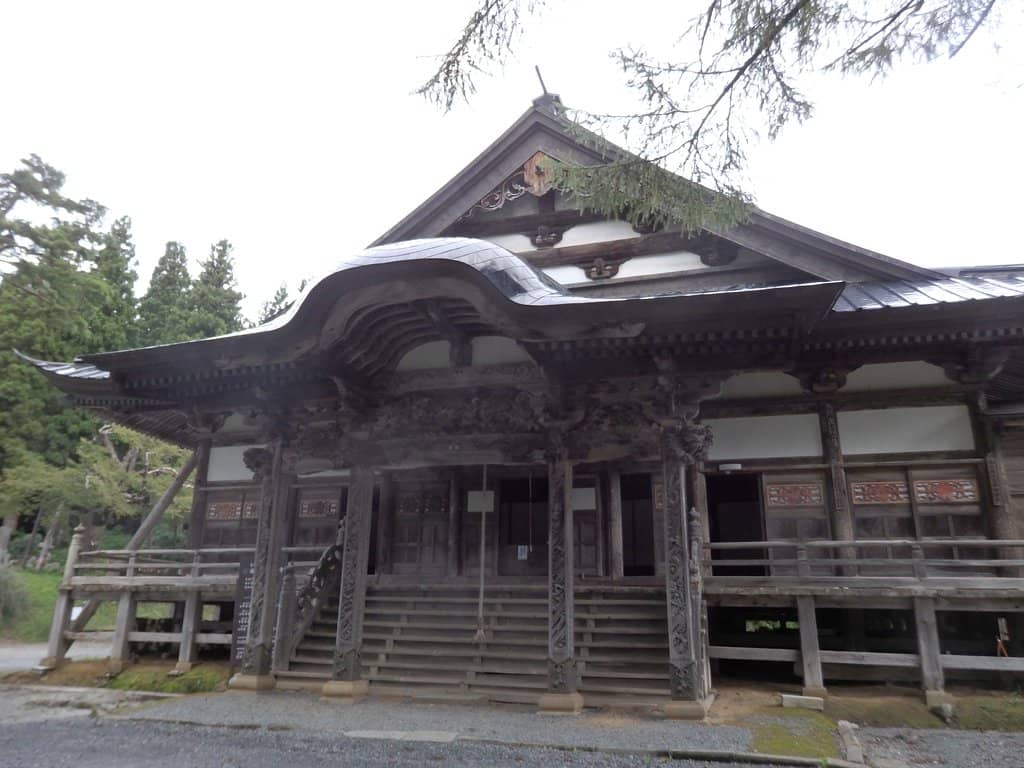
Mori Atsushi Literary Monument
Visit the site that inspired the Akutagawa Prize-winning novel 'Gassan,' adding a literary dimension to your visit.
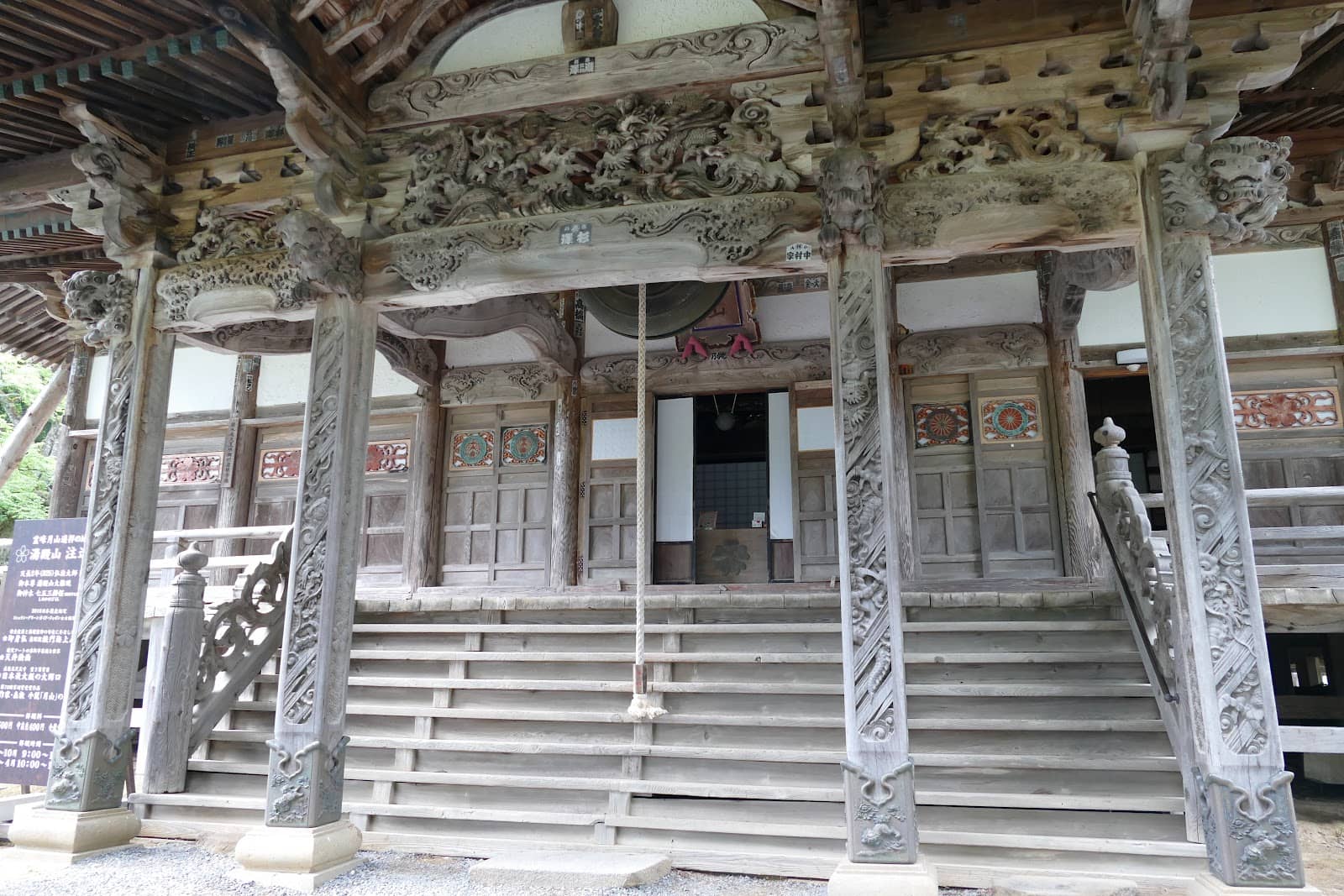
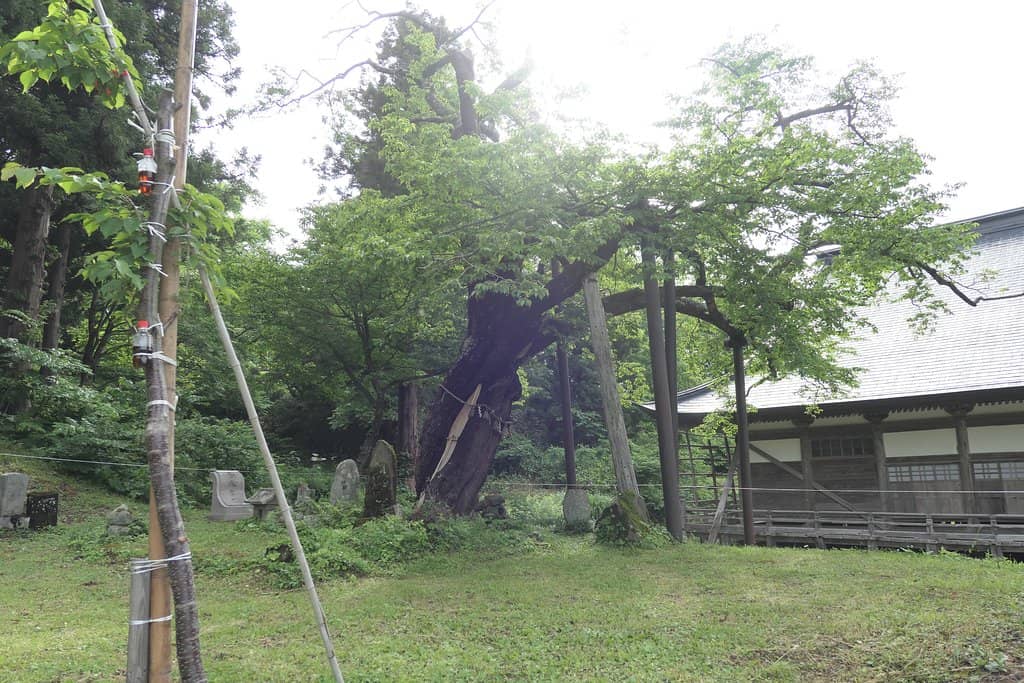
200-Year-Old Cherry Blossom
If visiting in spring, admire the stunning Shichi-Go-San-Kake Cherry Blossom, a natural monument of Tsuruoka City.
Plans like a pro.
Thinks like you
Planning Your Visit
Winter Access & Snowfall
Respectful Visit & Masks
Best Times
Insider Tips
from TikTok, Instagram & Reddit
🚗 Winter Road Caution
Winter access is often impossible due to snow. Check road conditions before planning a winter visit.
😷 Mask Up Indoors
Masks are required inside the temple buildings. You can purchase one at reception if needed.
🗣️ Chat with Monks
Monks are friendly and happy to explain the temple's history and the Sokushinbutsu. Engage respectfully!
⏰ Arrive Before 4 PM
The temple closes at 5 PM, so aim to arrive by 4 PM to fully explore and interact.
Tips
from all over the internet
🚗 Winter Road Caution
Winter access is often impossible due to snow. Check road conditions before planning a winter visit.
😷 Mask Up Indoors
Masks are required inside the temple buildings. You can purchase one at reception if needed.
🗣️ Chat with Monks
Monks are friendly and happy to explain the temple's history and the Sokushinbutsu. Engage respectfully!
⏰ Arrive Before 4 PM
The temple closes at 5 PM, so aim to arrive by 4 PM to fully explore and interact.
🌸 Spring Blossom Beauty
If visiting in spring, the 200-year-old cherry tree is a spectacular sight.
What Travellers Say
Reviews Summary
Visitors find Churen-ji Temple a fascinating and solemn place, deeply impressed by the Sokushinbutsu and the friendly, informative monks. The beautiful ceiling paintings and literary connections add to its unique appeal. However, winter access can be extremely difficult due to snow, and masks are required indoors.
"Churenji Temple in Oami near Mt. Yudono Shrine is home to Tetsumonkai Shonin, a Sokushinbutsu (Living Buddha) who has had one of the most colourful pasts of any Buddhist monk. The temple also features multiple art features, and is an extremely solemn location to visit."
Tim Bunting (Kiwi Yamabushi)
"A fascinating place to visit with a deeply unique history and decoration style inside. The local monks and guides are very friendly and accommodating, very happy to show you around and spend time talking to visitors. Gets fewer visitors than the perhaps slightly more well known neighbouring temple up the valley. Be warned that in the winter it can be impossible to access this area due to the depth of the snow and narrow steep roads."
Russell Taylor
"Beautiful place surrounded with nature.. Better to visit before 4pm it closed at 5 pm. The monks intract with every guest... Explain about the temple and the monks history. Feeling good vibrations all around."
K.krishna (KK)
What People Like
What People Dislike
Frequently Asked Questions
🚇 🗺️ Getting There
Churen-ji Temple is located near Mt. Yudono Shrine. Access can be challenging, especially in winter due to heavy snowfall and narrow roads. It's best to check local road conditions and consider a car for flexibility, though public transport options might exist from nearby cities like Tsuruoka.
Access in winter can be impossible due to deep snow and steep, narrow roads. It's crucial to verify road accessibility before planning a winter visit.
Many visitors opt for a car to navigate the mountainous terrain and access various shrines and temples in the Yudono-san area, including Churen-ji. This offers the most flexibility.
While specific guided tours solely for Churen-ji might be rare, local tour operators in the Yamagata Prefecture may offer itineraries that include this temple as part of a broader regional exploration.
The nearest major transportation hubs would likely be cities like Tsuruoka or Yamagata, from where you would need to arrange further travel to the temple.
🎫 🎫 Tickets & Entry
While specific ticket prices aren't always detailed, it's a temple, and there might be a small entrance fee or donation requested, especially for specific areas or exhibits. It's best to be prepared for a nominal charge.
Churen-ji Temple typically closes at 5 PM, so it's recommended to visit before 4 PM to allow ample time for exploration and interaction.
Yes, masks are required inside the temple buildings. If you don't have one, they can be obtained at the reception.
While the temple itself may be accessible, road conditions in winter can make access impossible due to heavy snow. It's advisable to visit during the warmer months for easier travel.
As a place of worship, modest and respectful attire is recommended. Avoid overly revealing clothing.
🎫 🧭 Onsite Experience
The primary draw is the Sokushinbutsu, the mummified remains of Tetsumon Kai-shonin, a monk who achieved Buddhahood while alive. The temple also features beautiful ceiling paintings and a literary monument.
Absolutely! Visitors often report friendly interactions with the local monks who are happy to explain the temple's history and the significance of the Sokushinbutsu.
The main hall boasts impressive ceiling paintings, including a striking dragon and other works by contemporary artists, making it a visually captivating experience.
Photography might be restricted in certain areas, especially where the Sokushinbutsu is enshrined. Always check for signage and be respectful. The ceiling paintings and exterior grounds are generally good for photos.
The temple is described as a solemn and fascinating place with good vibrations, offering a unique historical and spiritual experience.
📸 📸 Photography
Photography rules can vary. It's generally prohibited inside the main hall where the Sokushinbutsu is displayed. Always look for signs or ask permission before taking photos.
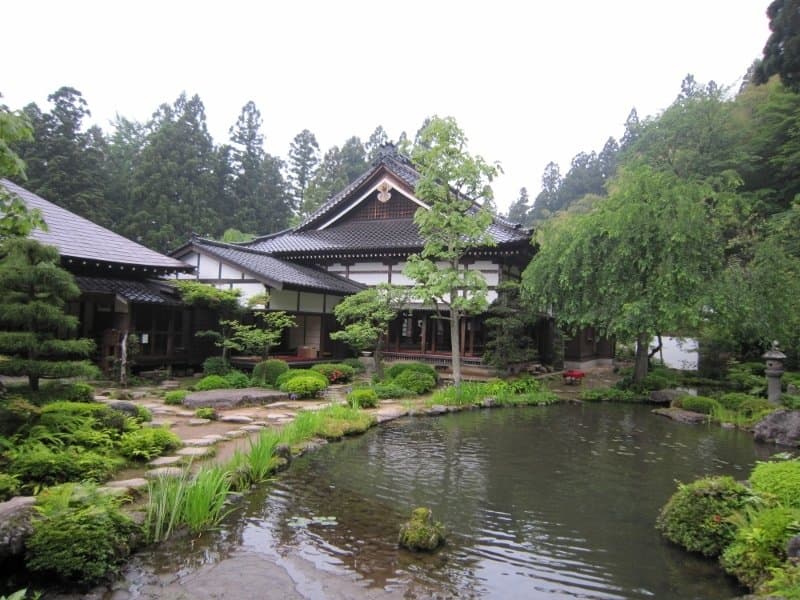
The exterior grounds, the 200-year-old cherry blossom tree (in season), and potentially the ceiling paintings (if permitted) offer great photographic opportunities.
Photography of the Sokushinbutsu is almost certainly prohibited due to its sacred nature. Respect this restriction.
A versatile lens (e.g., 24-70mm equivalent) would be useful for capturing both wider shots of the grounds and details of the ceiling paintings. A wide-angle lens might be good for the interior if photography is allowed.
Drone usage is highly unlikely to be permitted at a sacred temple site. Always check local regulations and temple rules regarding drones.
Social
from TikTok, Instagram & Reddit