Masobyo Mazu Temple
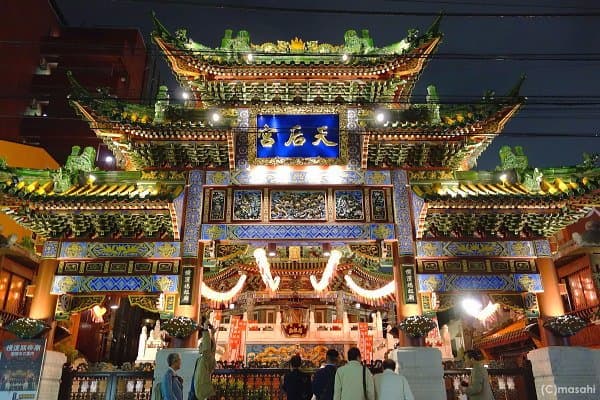
A vibrant, colorful Chinese temple in Yokohama Chinatown, dedicated to the sea goddess Mazu, known for its grand architecture and festive celebrations...
Highlights
Must-see attractions

Social
From TikTok & Reddit
Best Time
Fewer crowds, better photos
Masobyo Mazu Temple
Best Time
Fewer crowds, better photos
Highlights
Must-see attractions
A vibrant, colorful Chinese temple in Yokohama Chinatown, dedicated to the sea goddess Mazu, known for its grand architecture and festive celebrations.
"This temple is a beautiful and colorful addition to Chinatown, perfect for photos and experiencing cultural festivities."
📸 Capture the Colors
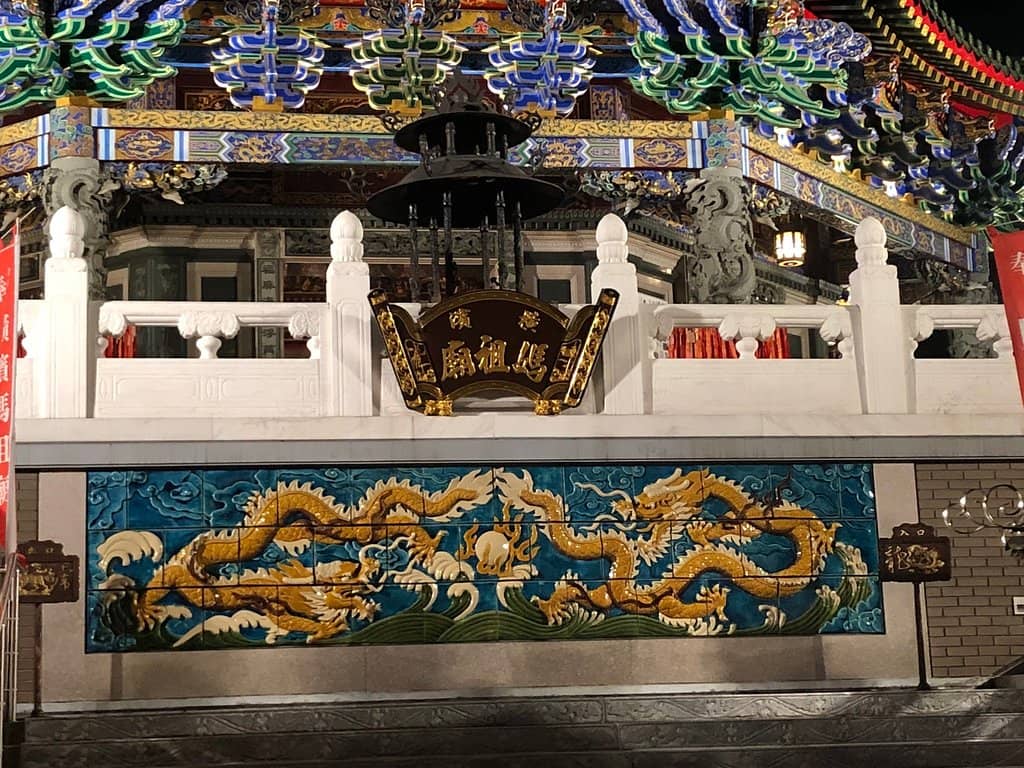
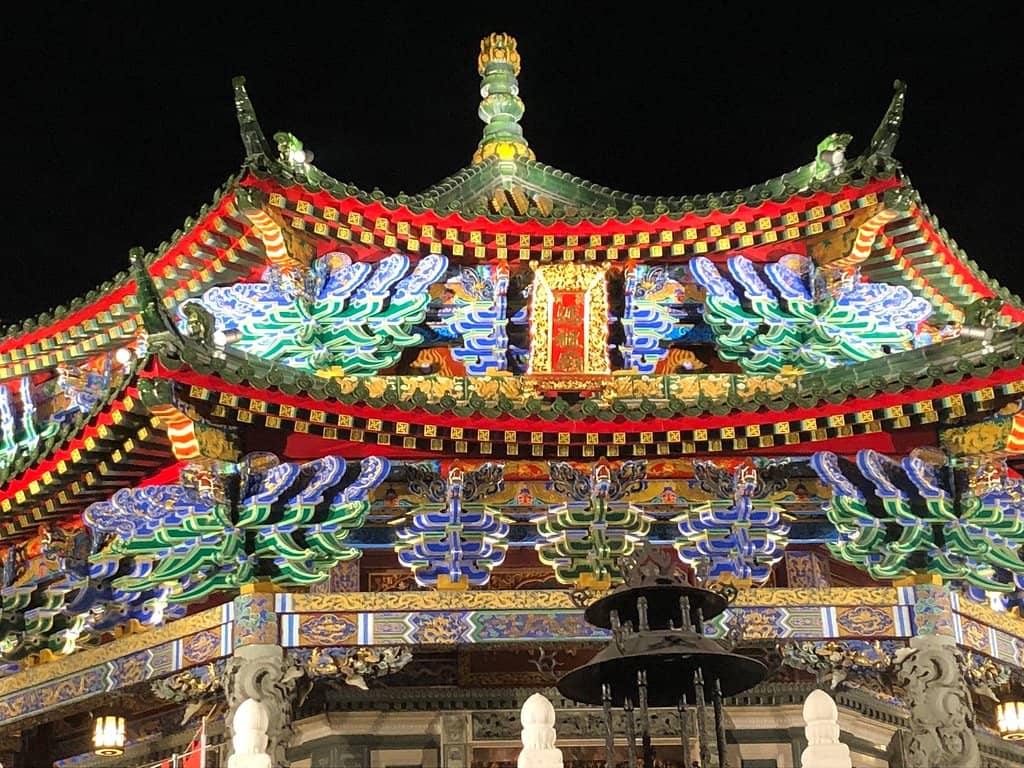
The temple's vibrant colors and intricate details make it a photographer's dream. Visit during off-peak hours for unobstructed shots.
🙏 Offer a Donation
You can donate to worship Mazu, the goddess of the sea. It's a way to connect with the temple's spiritual significance.
Quick Facts
Hours
Rating
4.2 · 978 reviews
Type
Place of Worship
Highlights
Discover the most iconic attractions and experiences
Grand Entrance Gate
Main entrance
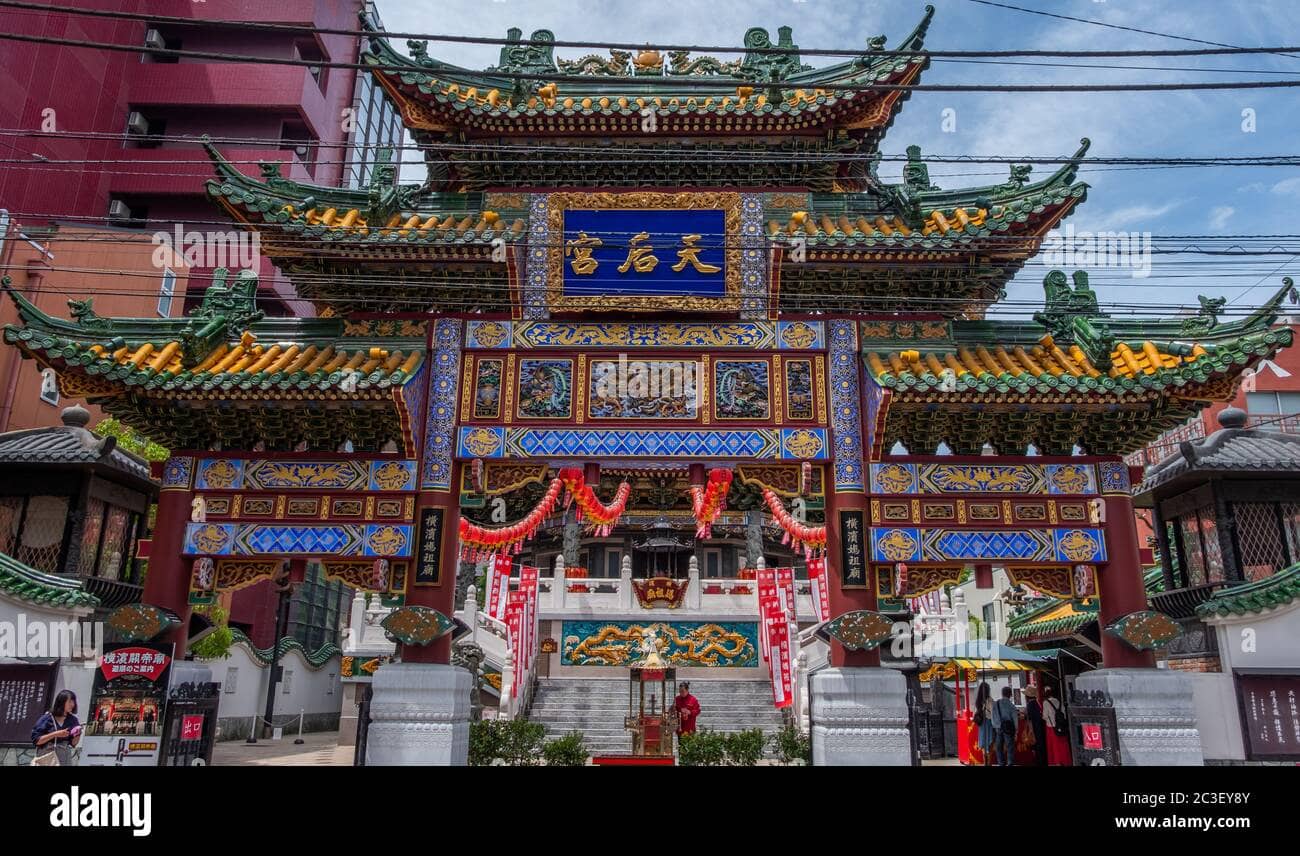
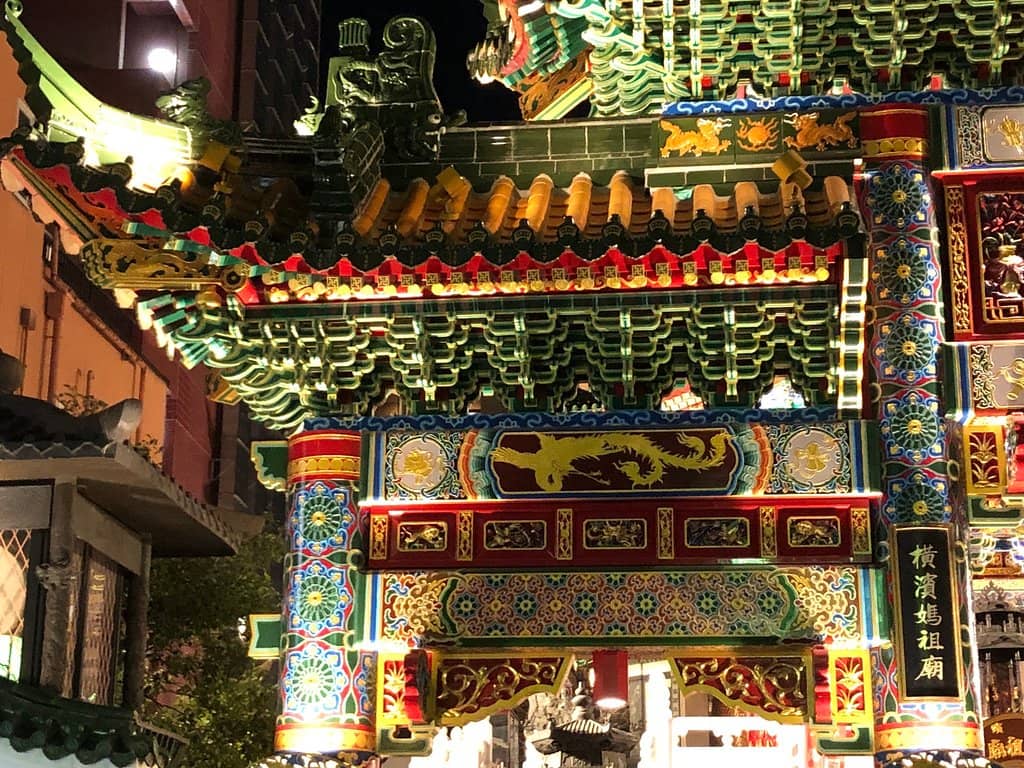
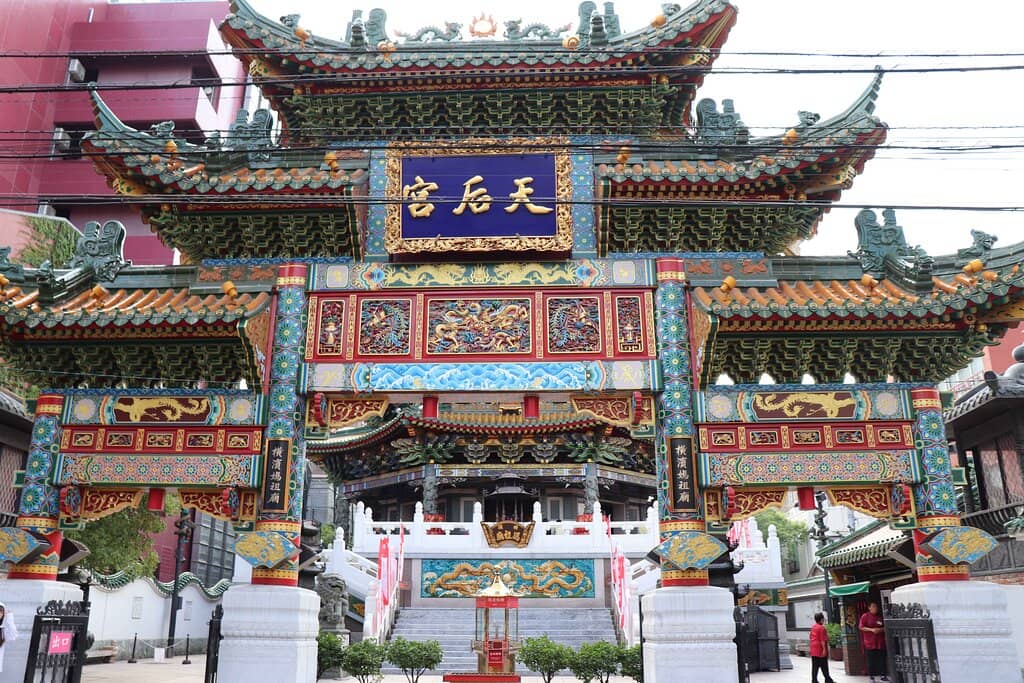
A visually stunning gateway that sets the tone for the temple's vibrant architecture and cultural significance.
Dual Stairway
Leading to the main hall
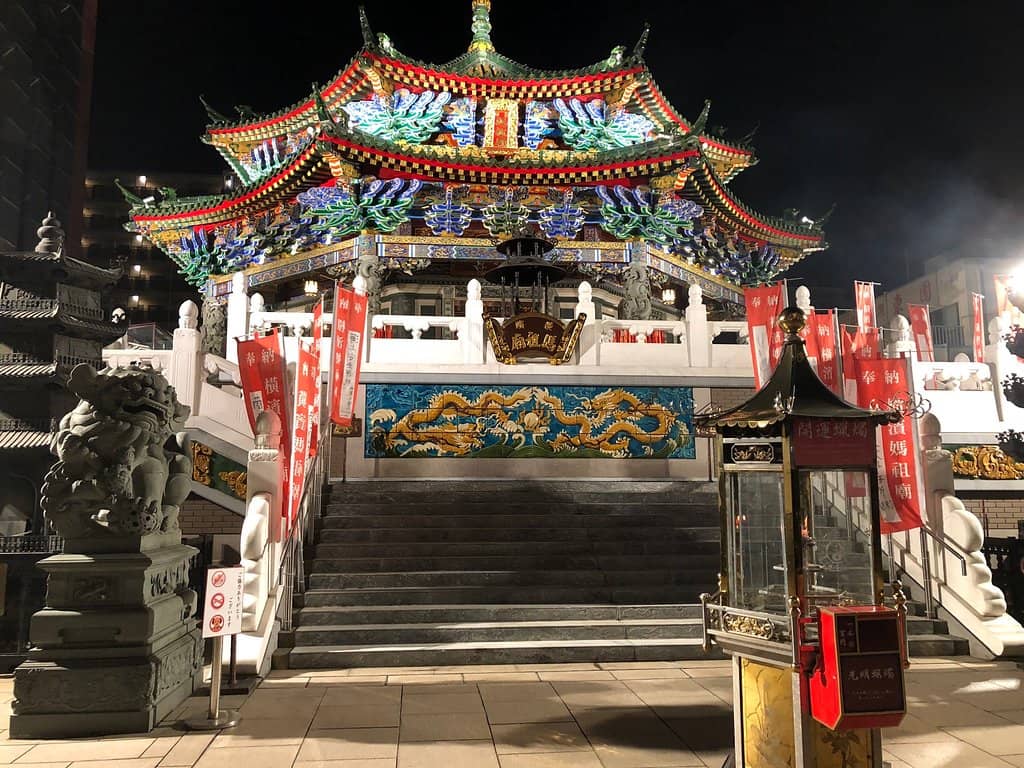
An impressive dual stairway that enhances the temple's grandeur and provides a dramatic approach to the main deity.
Colorful Architecture
Throughout the temple grounds
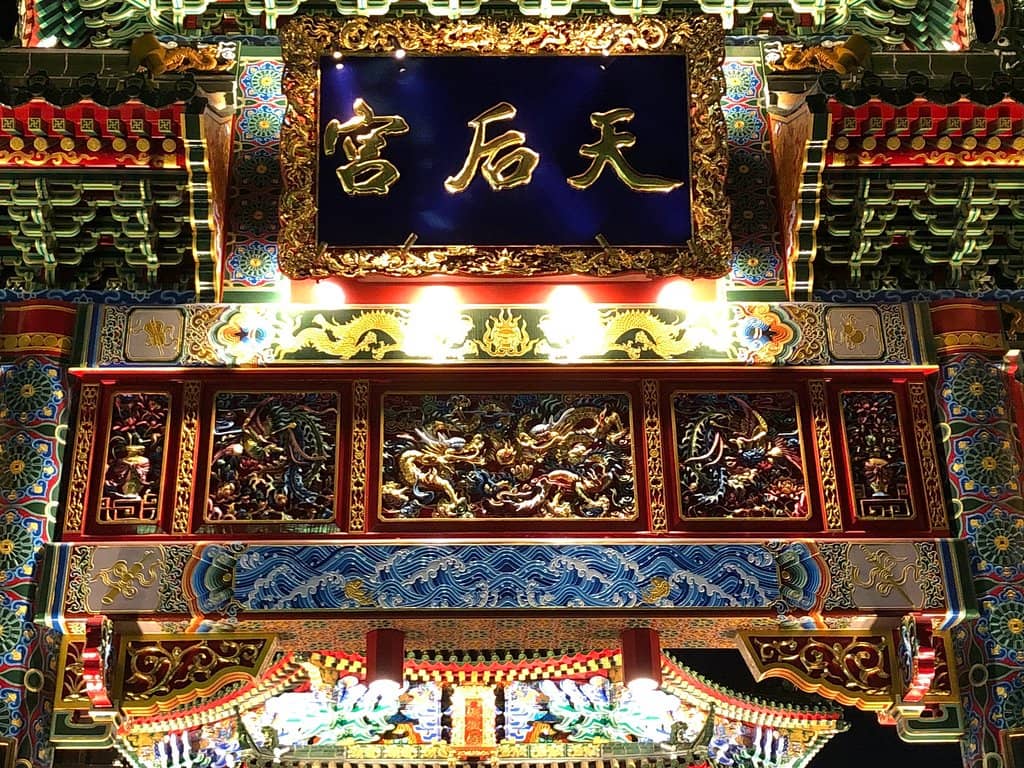
Admire the intricate details and vivid colors of traditional Chinese temple architecture, perfect for photography.
Chinese New Year Celebrations
Temple grounds and surrounding Chinatown
Experience energetic lion dances, traditional music, and a festive atmosphere during the Lunar New Year.
Plans like a pro.
Thinks like you
Planning Your Visit
Timing Your Visit to Masobyo Mazu Temple
Navigating Yokohama Chinatown
Best Times
Insider Tips
from TikTok, Instagram & Reddit
📸 Capture the Colors
The temple's vibrant colors and intricate details make it a photographer's dream. Visit during off-peak hours for unobstructed shots.

🙏 Offer a Donation
You can donate to worship Mazu, the goddess of the sea. It's a way to connect with the temple's spiritual significance.
🦁 Experience the Lion Dance
During festivals, the lion dance is a must-see! Let the lion 'bite' your head for good fortune.
🚶 Explore Chinatown
Masobyo Mazu Temple is in Yokohama Chinatown. Combine your visit with delicious food and exploring the lively streets. +1
Tips
from all over the internet
📸 Capture the Colors
The temple's vibrant colors and intricate details make it a photographer's dream. Visit during off-peak hours for unobstructed shots.
🙏 Offer a Donation
You can donate to worship Mazu, the goddess of the sea. It's a way to connect with the temple's spiritual significance.
🦁 Experience the Lion Dance
During festivals, the lion dance is a must-see! Let the lion 'bite' your head for good fortune.
🚶 Explore Chinatown
Masobyo Mazu Temple is in Yokohama Chinatown. Combine your visit with delicious food and exploring the lively streets. +1
📅 Check for Events
Unexpected events like dragon dances and traditional music can enhance your visit.
What Travellers Say
Reviews Summary
Masobyo Mazu Temple is praised for its stunning, colorful architecture and its significant cultural role within Yokohama Chinatown. Visitors appreciate the grandeur of its entrance and dual stairway, and many find it a beautiful and photogenic spot. While not ancient, its vibrant presentation and the lively atmosphere during events like Chinese New Year are highlights.
"Yokohama Mazu Miao is a Taoist temple dedicated to Mazu (also spelled Ma Zhu or Matsu), the Chinese sea goddess believed to protect sailors, fishermen, and travelers.
Though relatively new — the temple officially opened in 2006 — it combines vivid, traditional architectural styles with deep cultural and spiritual meaning.
Inside, the main altar honors Mazu, flanked by two guardian generals: Qianliyan (Thousand-Mile Eye) and Shunfeng’er (Fair-Wind Ear), who symbolically can see or hear over great distances to aid Mazu in her protection.
The temple also contains shrines to other deities — for instance, to the Jade Emperor, land gods, and deities of marriage and study, making it a multi-purpose spiritual center.
The temple is open daily (usually from around 9:00 to 19:00) and visitation is free — though there may be a small charge for incense or to enter inner parts for prayers."
Anna Krzak
"Yokohama MaZu Miao / Masobyo is a lovely place — vibrant, meaningful, visually beautiful. It may be newer, but it captures a lot of heart & tradition. Even if you’re not deeply religious, it’s very much worth a visit for culture, beauty, and a peaceful moment amid the bustle of Chinatown."
owen Utsey
"Very beautiful temple with rich decorations dedicated to different divinities. The people there were welcoming ! I really recommend to visit it just before sunset !"
Léa Pailley
What People Like
What People Dislike
Frequently Asked Questions
🚇 🗺️ Getting There
Masobyo Mazu Temple is located in Yokohama Chinatown. You can take a train from Tokyo to Yokohama Station (approx. 30-40 minutes on the JR Tokaido Line or Shonan-Shinjuku Line). From Yokohama Station, you can take the Minatomirai Line to Motomachi-Chukagai Station, which is a short walk to Chinatown and the temple.
Alternatively, buses are also available.
Unfortunately, there is no dedicated parking lot for the temple itself. Visitors are advised to use public transportation or nearby public parking facilities in Yokohama Chinatown.
Yokohama Chinatown is best explored on foot. Wear comfortable shoes and be prepared for bustling crowds, especially on weekends. Many visitors enjoy a food crawl, trying various Chinese delicacies. +1
Yes, Masobyo Mazu Temple is a popular day trip destination from Tokyo. The journey is relatively short, allowing ample time to explore the temple and Yokohama Chinatown. +2
Yes, Yokohama Chinatown is very accessible via public transport. The Motomachi-Chukagai Station on the Minatomirai Line is the closest station, making it convenient to reach the temple and surrounding attractions.
🎫 🎫 Tickets & Entry
Masobyo Mazu Temple is generally free to enter and explore. While there's no admission fee, donations are welcomed to support the temple's upkeep and activities.
The temple is typically open during daylight hours, aligning with the general operating times of Yokohama Chinatown. Specific hours can vary, but it's usually accessible from morning until early evening. It's always a good idea to check their official website for the most current information.
Yes, Masobyo Mazu Temple is known for its vibrant Chinese New Year celebrations, featuring lion dances and traditional music. Other cultural events may also occur throughout the year.
Photography is generally allowed within the temple grounds, and its colorful architecture makes it a popular spot for photos. However, always be respectful of worshippers and avoid intrusive photography.
Yokohama Chinatown itself does not have an entrance fee. You can freely wander through its streets and explore the various shops and restaurants. The Masobyo Mazu Temple is also free to enter.
🎫 🧭 Onsite Experience
Mazu is a Chinese goddess of the sea, revered for protecting sailors and guiding them. She is particularly important to people from southern China and the diaspora.
The grand dual stairway at Masobyo Mazu Temple enhances the temple's impressive appearance and provides a ceremonial pathway to the main hall, making the grounds feel more expansive.
The praying method follows Chinese traditions, with numbered altars for sequence and optional kneeling pillows. You might also find Japanese-style charms sold, reflecting a blend of influences.
Yes, Masobyo Mazu Temple is considered family-friendly. Children can enjoy the vibrant colors and the festive atmosphere, especially during events like Chinese New Year.
To fully appreciate the temple's atmosphere, try to visit during a less crowded time. Observing the architecture, the rituals, and the general ambiance of Chinatown can be very rewarding.
🍽️ 🍽️ Food & Dining
Yokohama Chinatown is famous for its diverse range of Chinese cuisine, from dim sum and Peking duck to ramen and various street food snacks. Many visitors enjoy a food tour to sample different dishes. +2
Absolutely! Masobyo Mazu Temple is located in the heart of Yokohama Chinatown, which is packed with numerous restaurants offering authentic Chinese dishes. You can find everything from casual eateries to more upscale dining experiences. +1
Popular choices include dim sum, steamed buns, Peking duck, and various noodle dishes. Don't miss out on trying some of the street food snacks like grilled skewers or sweet treats. +1
While traditional Chinese cuisine can be meat-heavy, many restaurants in Yokohama Chinatown are increasingly offering vegetarian and vegan options. It's advisable to check menus or ask staff for recommendations.
Yokohama Iekei ramen is a local specialty characterized by its rich, tonkotsu (pork bone) and shoyu (soy sauce) broth, often served with thick noodles and toppings like chashu pork and spinach. It's a popular dish to try in Yokohama.
📸 📸 Photography
The grand entrance gate, the dual stairway, and the colorful architectural details are prime spots for photography. The vibrant red and gold hues offer stunning visual appeal.
To capture the temple without large crowds, aim for weekday mornings. Golden hour light can also enhance the colors and atmosphere, but be mindful of temple hours.
Generally, photography is permitted for personal use. However, it's crucial to be respectful of worshippers and avoid disruptive photography, especially during ceremonies or prayer times.
A camera that handles vibrant colors well is ideal. Whether you use a DSLR, mirrorless, or even a good smartphone camera, focus on capturing the intricate details and the lively atmosphere. +1
Yes, the lion dance is a highlight of Chinese New Year celebrations and a great photo opportunity. Be prepared for crowds and try to find a good vantage point.





Social
from TikTok, Instagram & Reddit