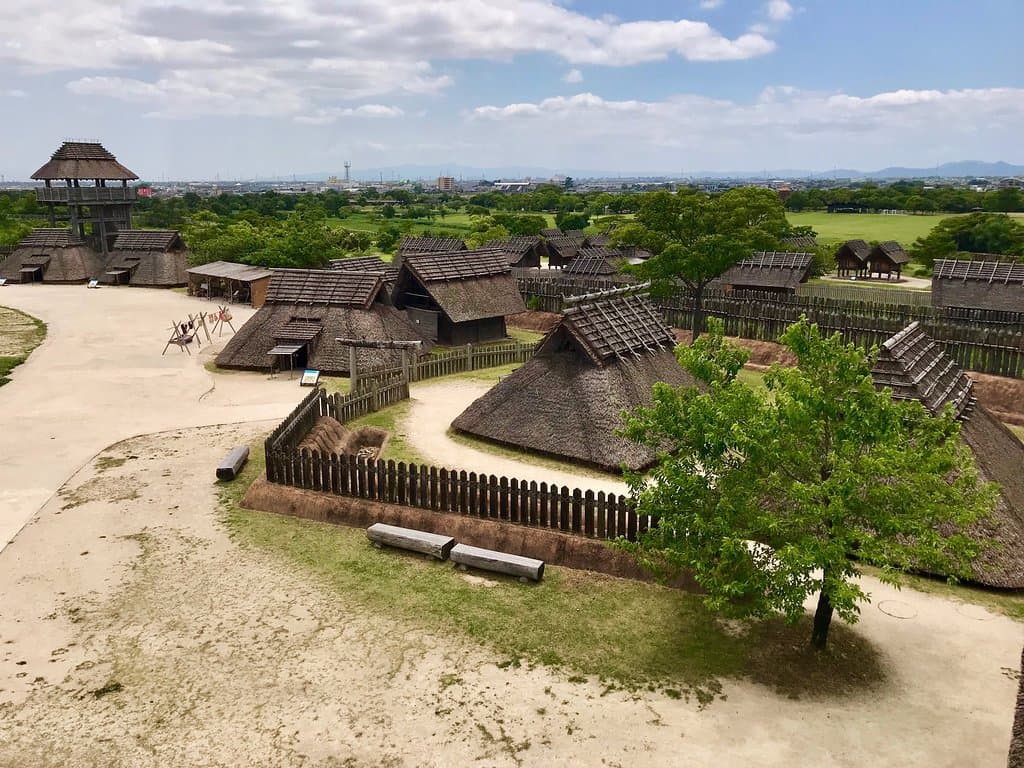
Yoshinogari Historical Park
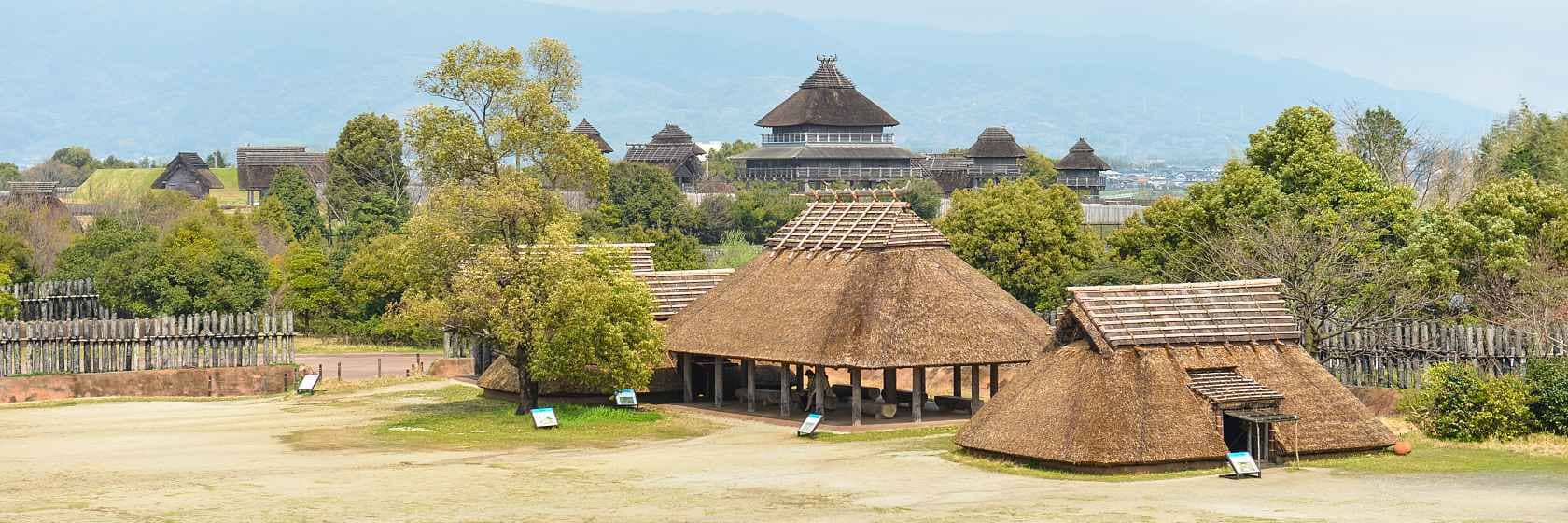
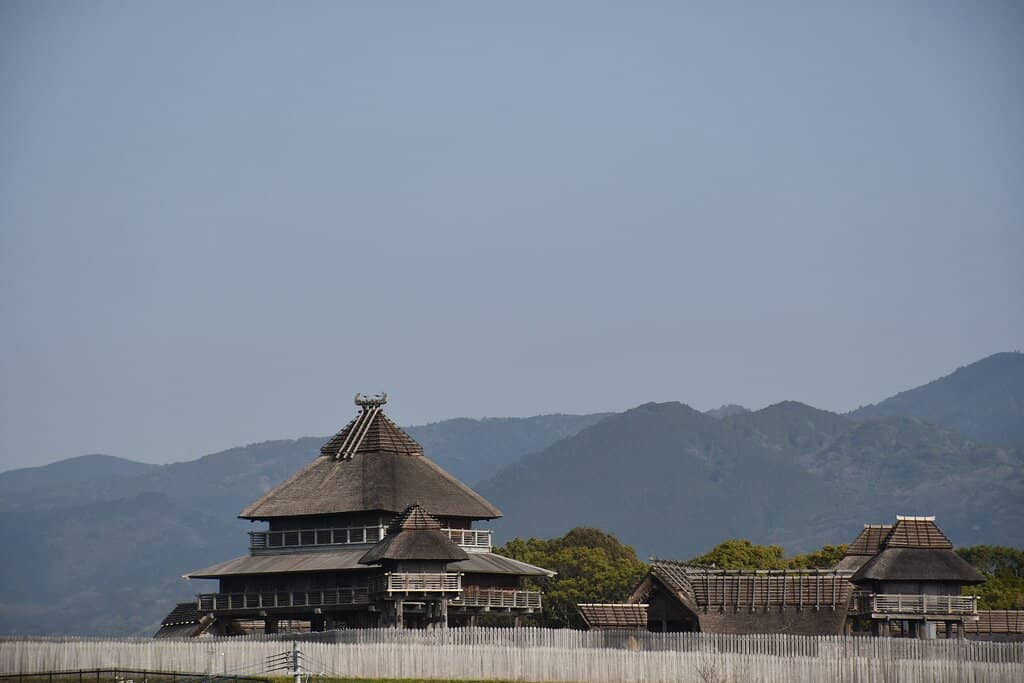
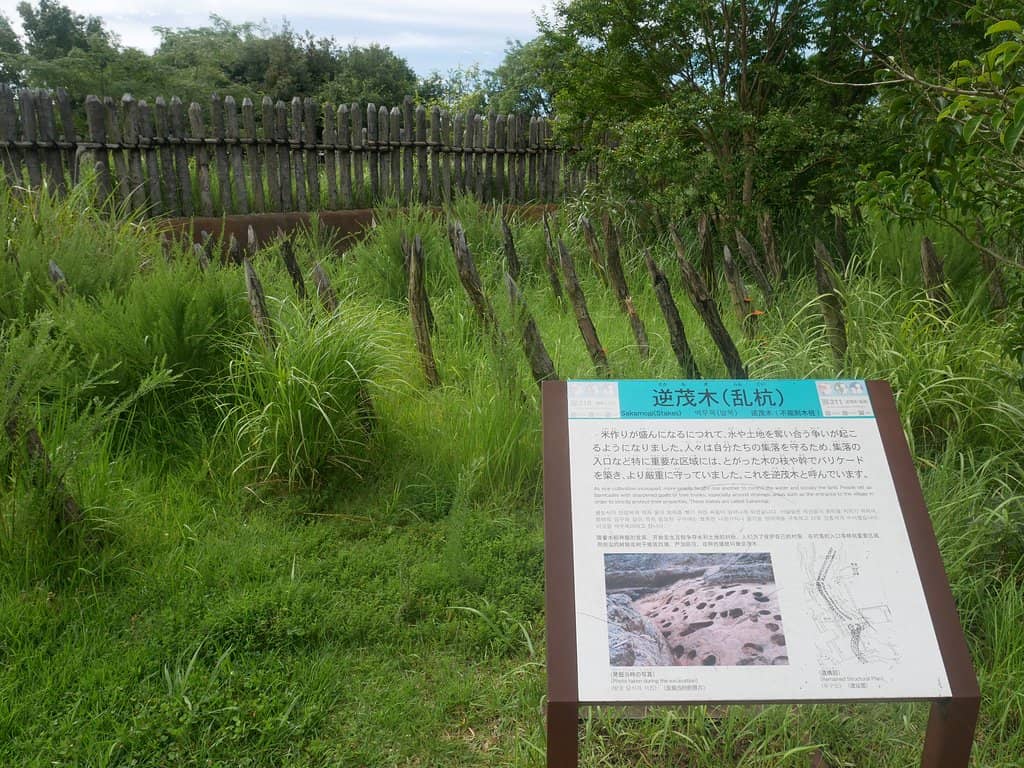
Step back in time at Yoshinogari Historical Park, a vast archaeological site showcasing life in ancient Japan's Yayoi period.
Highlights
Must-see attractions

Social
From TikTok & Reddit
Best Time
Pleasant weather for exploring
Yoshinogari Historical Park
Best Time
Pleasant weather for exploring
Highlights
Must-see attractions
Step back in time at Yoshinogari Historical Park, a vast archaeological site showcasing life in ancient Japan's Yayoi period.
"It's an extremely large area... You can learn about jar coffins. The experience center is also fun."
👟 Wear Comfortable Shoes
The park is huge! You'll be doing a lot of walking, so prioritize comfort.
🚌 Utilize the Shuttle Bus
Save your energy by taking the free shuttle bus to get around the vast grounds.
Quick Facts
Hours
Rating
4.2 · 6,004 reviews
Type
Park
Highlights
Discover the most iconic attractions and experiences
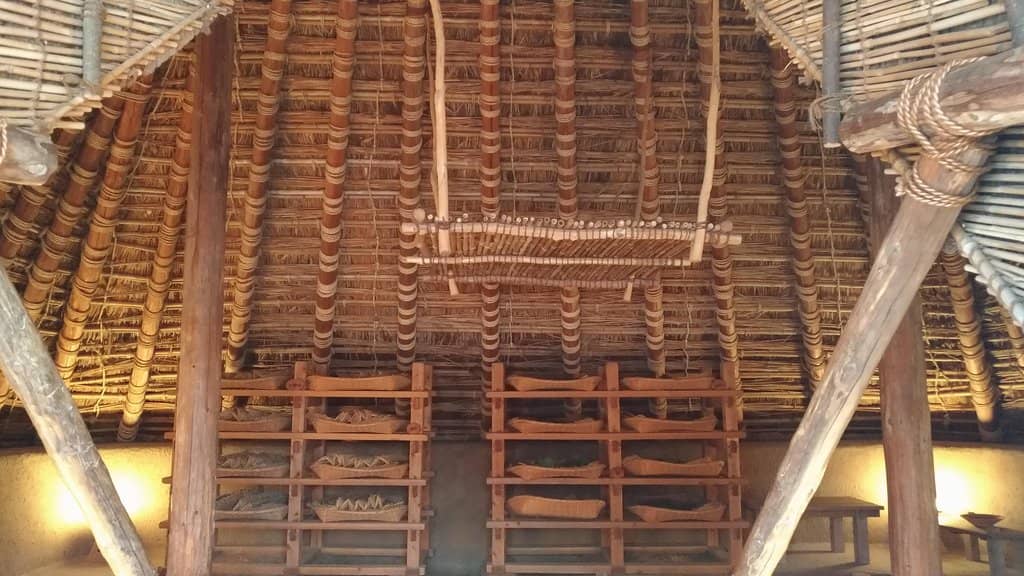
Reconstructed Yayoi Period Village
Central Area
Step back in time and explore life in ancient Japan with these life-sized, reconstructed dwellings.
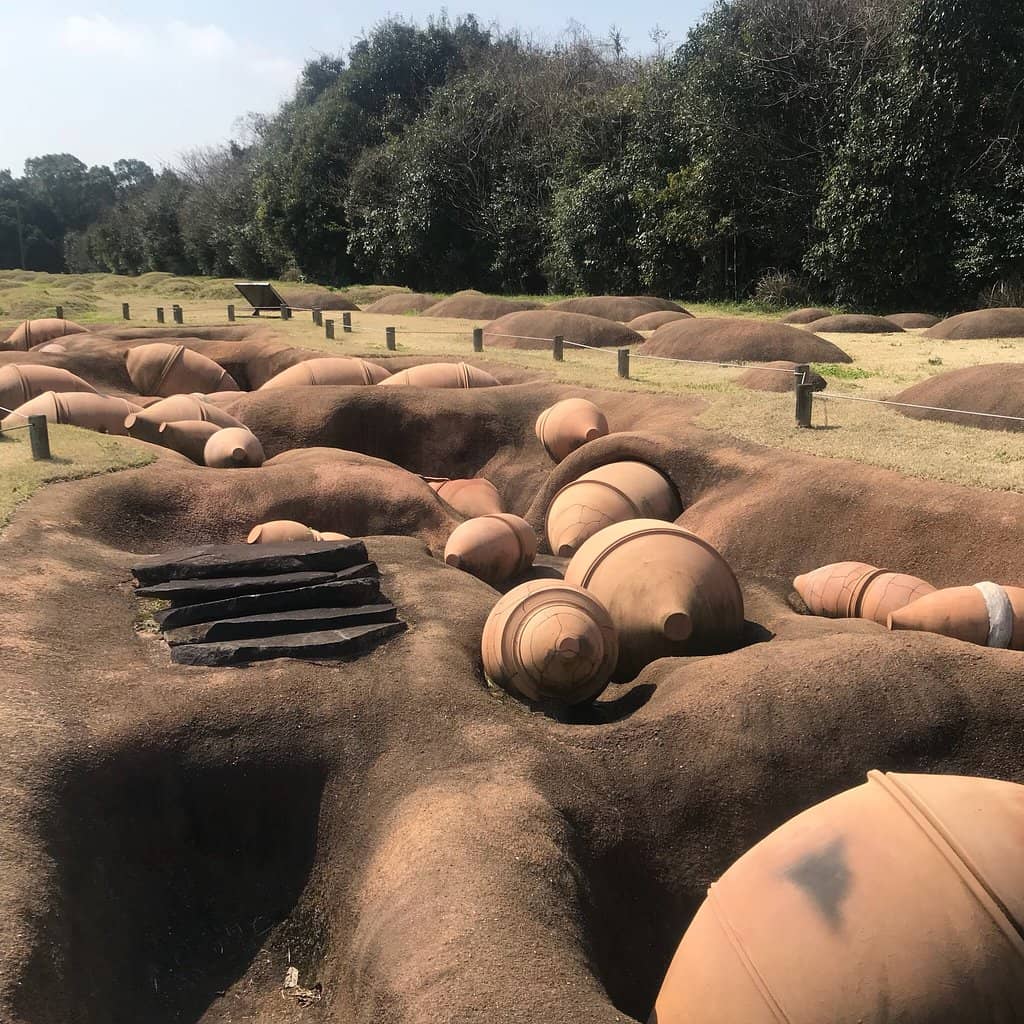
Jar Coffin Burial Sites
Northern Area
Witness ancient burial practices and learn about the fascinating jar coffins used by the Yayoi people.
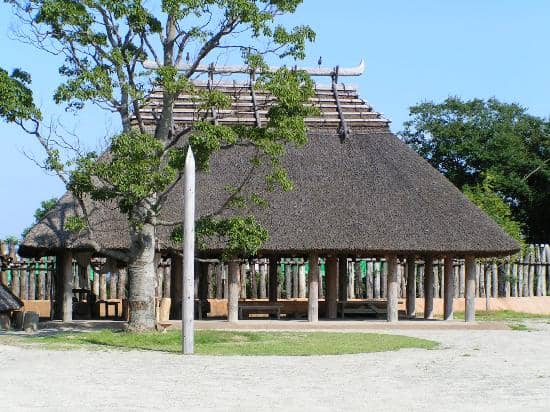
Artifact Exhibition Hall
Museum Area
Discover a wealth of historical artifacts unearthed from the site, offering deep insights into the past.
Plans like a pro.
Thinks like you
Planning Your Visit
Prepare for Plenty of Walking
Pack for a Picnic or Plan Ahead
Best Times
Insider Tips
from TikTok, Instagram & Reddit
An Overlooked Prefecture in Japan!
Inspired by a recent post regarding traveling Kyushu, I thought I'd provide some insight into one of its lesser known/overlooked prefectures - Saga. A few travel notes and tips from my personal recommendations and experience: 1. Yutoku Inari Shrine (Kashima) - Think "Fushimi…
👟 Wear Comfortable Shoes
The park is huge! You'll be doing a lot of walking, so prioritize comfort.
🚌 Utilize the Shuttle Bus
Save your energy by taking the free shuttle bus to get around the vast grounds.
Best history museums in Japan
Hi! For the past few weeks, I've been learning about Japan's history to prepare for my trip. I would like to visit history museums to enrich my knowledge. I'm more interested in the Early Japan to the Edo Period. I would like to know which museum you would recommend me! If…
Saga Prefecture - any suggestions?
I am going to be spending 2 months (March/April) in Takeo for an arts residency, and I am trying to find out as much as I can about the area. I've been googling like mad, and I have some basic ideas of shines and basic tourist info, but I am looking for more. Things I am…
🧺 Pack a Picnic Lunch
Restaurants can be busy; bring your own food for a delightful picnic amidst history.
🗣️ Engage with Guides
Volunteer guides can offer valuable historical insights and make your visit more engaging.
Tips
from all over the internet
👟 Wear Comfortable Shoes
The park is huge! You'll be doing a lot of walking, so prioritize comfort.
🚌 Utilize the Shuttle Bus
Save your energy by taking the free shuttle bus to get around the vast grounds.
🧺 Pack a Picnic Lunch
Restaurants can be busy; bring your own food for a delightful picnic amidst history.
🗣️ Engage with Guides
Volunteer guides can offer valuable historical insights and make your visit more engaging.
📅 Check for Daily Activities
Participate in hands-on workshops and activities for an extra fee.
What Travellers Say
Reviews Summary
Visitors praise Yoshinogari Historical Park for its expansive, well-reconstructed Yayoi period village and insightful look into ancient Japanese life. The park's vastness is a highlight for those who enjoy exploring, with many appreciating the opportunity for picnics and the availability of a shuttle bus. However, some find the sheer size requires significant walking, and dining options can be limited or busy.
"It's an extremely large area. The train is about the same distance from Yoshinogari Koen Station or Kanzaki Station. I want to be prepared to walk steadily. It feels good when the weather is nice. You can learn about jar coffins. The experience center is also fun."
Youji Nomo
"The park is way bigger than one would expect (maybe) and if you love history, certainly make your way out here. They even have workshops and I loved the one I joined because I love stones. Seeing the Yayoi life in the past was a good experience. You can walk around the park to check out the old houses and the ancient burial. There is a roving bus. There’s a big part of the park that’s good for kids (or so the guide at the community center told me because I didn’t explore that part). Worth visiting!"
Bernadette Estepa (Gaijin Guide)
"Very nice open air museum / park. The signs were translated in english and a nice volunteer guide came to explain some of the history of the place. I saw many families and I agree it's a nice activity for kids, they will love being able to enter the houses."
Sophie Konopka
What People Like
What People Dislike
Frequently Asked Questions
🚇 🗺️ Getting There
Yoshinogari Historical Park is accessible by train. Take the JR Nagasaki Line to Yoshinogari Koen Station or Kanzaki Station. Both stations are about the same distance from the park, requiring a steady walk.
Yes, there are multiple paid parking lots available around the park.
While local buses might serve the area, the most common and recommended public transport is the train to Yoshinogari Koen or Kanzaki Station. From there, it's a walk or you can utilize the park's shuttle.
The park is very large, so the free shuttle bus is highly recommended to cover distances efficiently.
The park is well-signposted, especially from the nearest train stations. Follow signs for 'Yoshinogari Historical Park' or '吉野ヶ里歴史公園'.
🎫 🎫 Tickets & Entry
Opening hours typically vary by season, but generally, the park opens around 9:00 AM and closes between 4:00 PM and 5:00 PM. It's best to check the official website for the most up-to-date information.
Admission fees are generally low, often around a few hundred yen for adults. There may be separate fees for special exhibitions or workshops.
Advance booking is usually not required for general admission. However, for specific workshops or events, it's advisable to check if reservations are needed.
Discounts may be available for groups, students, or seniors. It's recommended to inquire at the ticket counter or check the park's official website.
General admission typically grants access to the reconstructed village, burial sites, and outdoor exhibition areas. Some indoor facilities or special activities might incur an additional fee.
🎫 🧭 Onsite Experience
You can explore life-sized reconstructions of Yayoi period houses, see ancient burial sites with jar coffins, and visit an exhibition hall with unearthed artifacts. There are also workshops and ample open space for picnics. +2
Absolutely! Children often love entering the old houses and the open spaces. Guides have mentioned it's a great family activity. +1
Yes, volunteer guides are often available to explain the history and significance of the site, enhancing the visitor experience.
Photography is generally allowed in most outdoor areas. However, check for specific restrictions inside exhibition halls or during certain activities.
Workshops can vary, but they often involve hands-on activities related to ancient crafts or life, such as stone working.
🍽️ 🍽️ Food & Dining
Yes, there is a restaurant on-site, but it can get fully booked, especially during peak times.
Bringing your own food for a picnic is highly recommended and a popular option for visitors.
Yes, the park offers provisions for BBQ on-site, making it a great option for a group outing.
The restaurant typically serves Japanese cuisine. It's advisable to check their menu or call ahead for details.
Vending machines are usually available within the park for drinks and snacks. For more extensive options, you might need to travel back towards the train stations.
📸 📸 Photography
The reconstructed village with its traditional houses and the expansive grounds offer picturesque views. The burial sites also provide unique photographic opportunities. +1
Drone usage is typically restricted in historical and archaeological sites to preserve the environment and prevent disturbance. It's best to check the park's official regulations.
Mornings and late afternoons offer softer light, ideal for capturing the atmosphere of the reconstructed village and the natural beauty of the park.
While general photography is permitted, always be mindful of other visitors and any specific signage indicating restricted areas, especially within indoor exhibits.
Photography of artifacts in exhibition halls may be restricted to protect them. Look for 'no photography' signs.


Social
from TikTok, Instagram & Reddit