Takkoku no Iwaya Bishamondo
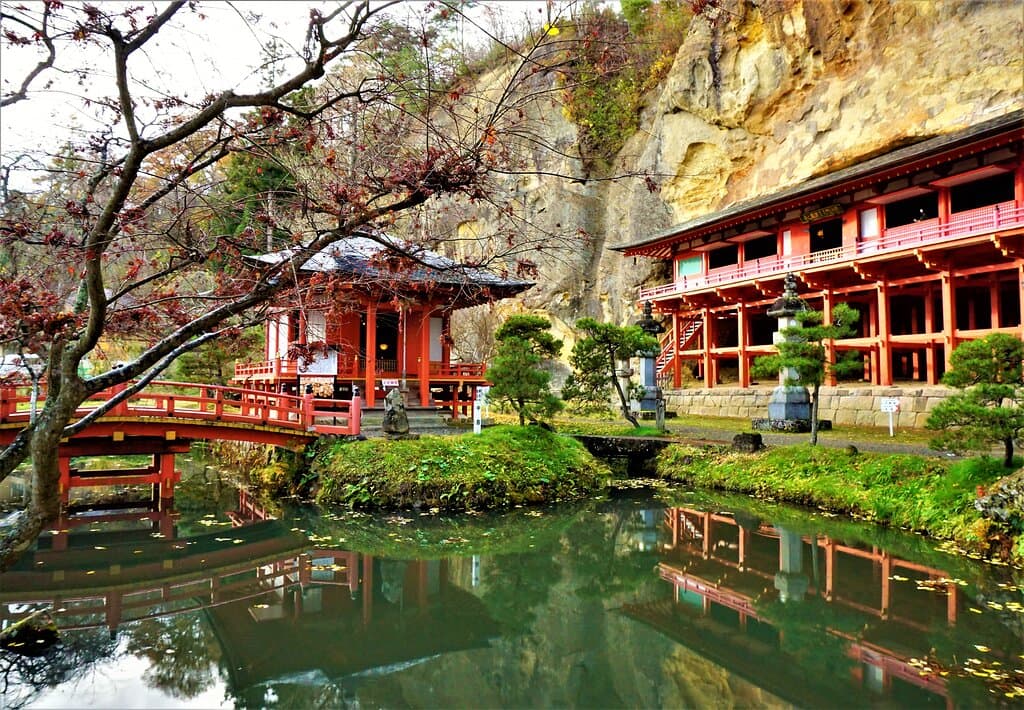
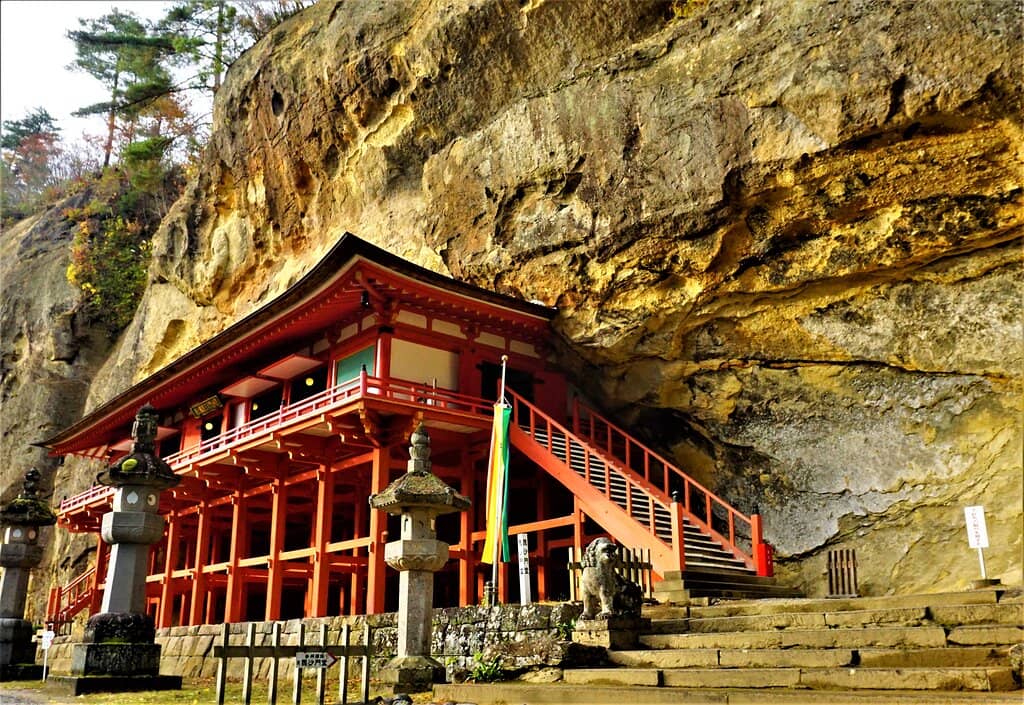
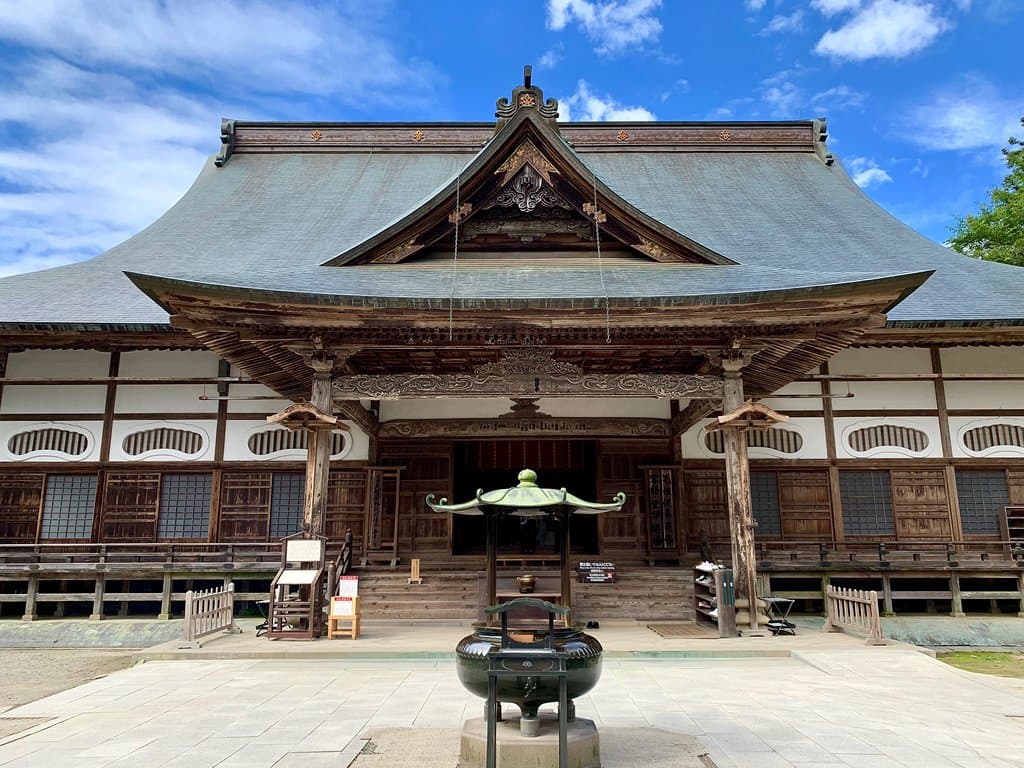
A Buddhist temple carved into a rock cavern, showcasing unique 'kakezukuri' architecture and a sacred Bishamon statue.
Highlights
Must-see attractions

Social
From TikTok & Reddit
Best Time
Fewer crowds, serene atmosphere
Takkoku no Iwaya Bishamondo
Best Time
Fewer crowds, serene atmosphere
Highlights
Must-see attractions
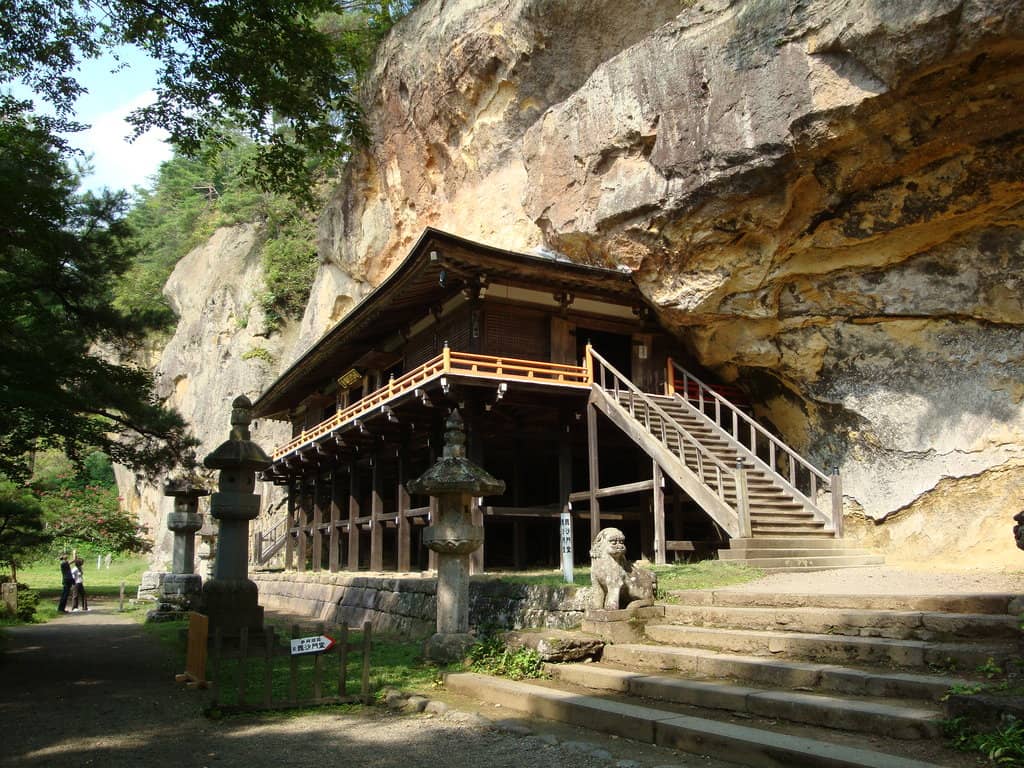
A Buddhist temple carved into a rock cavern, showcasing unique 'kakezukuri' architecture and a sacred Bishamon statue.
"Majestic temple built into a mountain wall, offering a serene escape and unique historical charm."
🎯 Minimal Entry Fee
A small entrance fee (around 300 Yen) grants access to this unique historical site. 🎟️
🚗 Free Parking Available
Convenient free parking is available across the street, making it easy to access by car. 🚗
Quick Facts
Hours
Rating
4.3 · 2,055 reviews
Type
Place of Worship
Website
iwayabetto.comHighlights
Discover the most iconic attractions and experiences
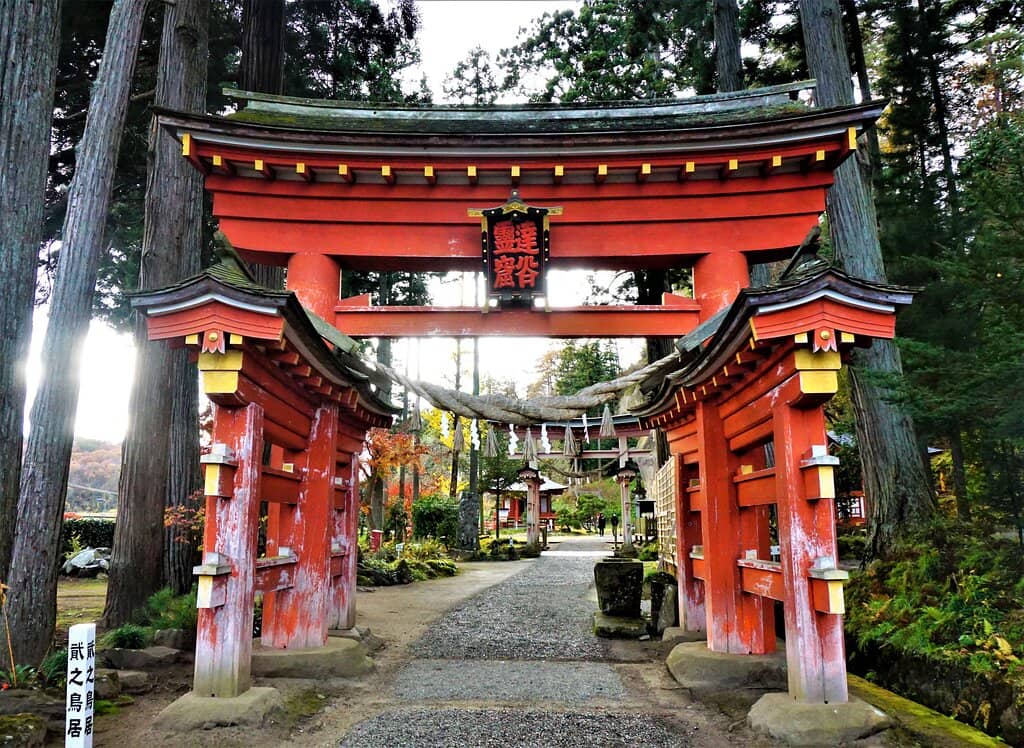
Cave Temple Architecture
Built into the cliff face
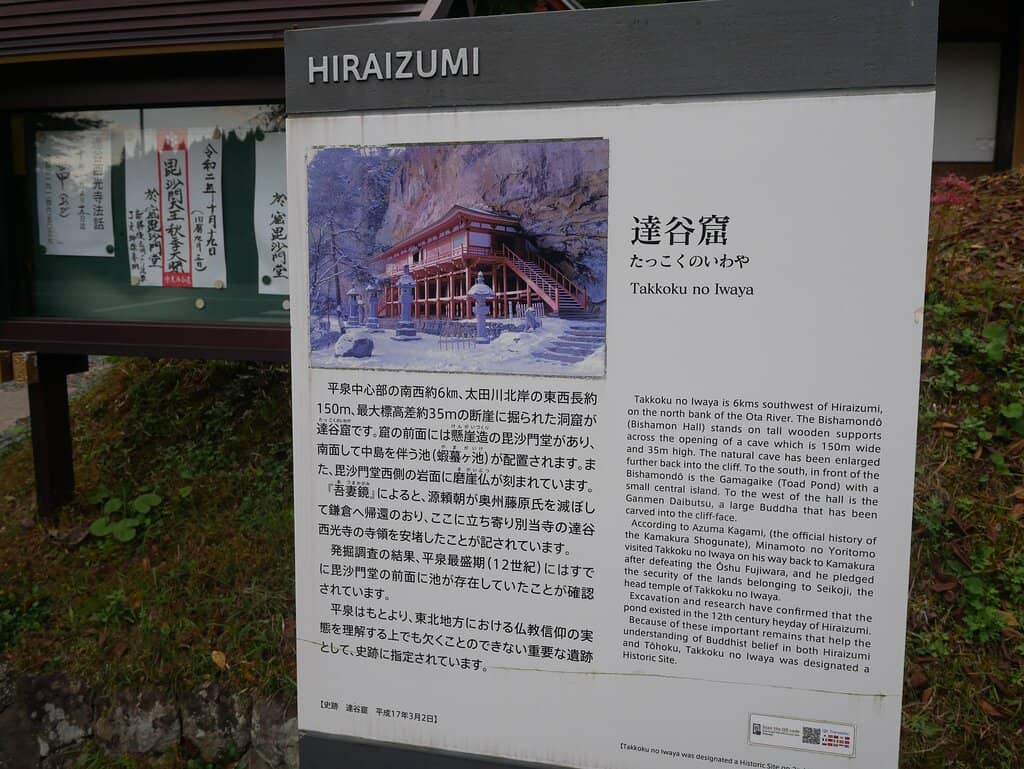
A temple carved directly into a rock cavern, showcasing unique 'kakezukuri' construction clinging to the cliff.
Bishamon Statue
Inside the main hall
An incredibly detailed and intricate statue of the Bishamon deity, a highlight of the shrine's interior.
Cliffside Scenery
Surrounding grounds
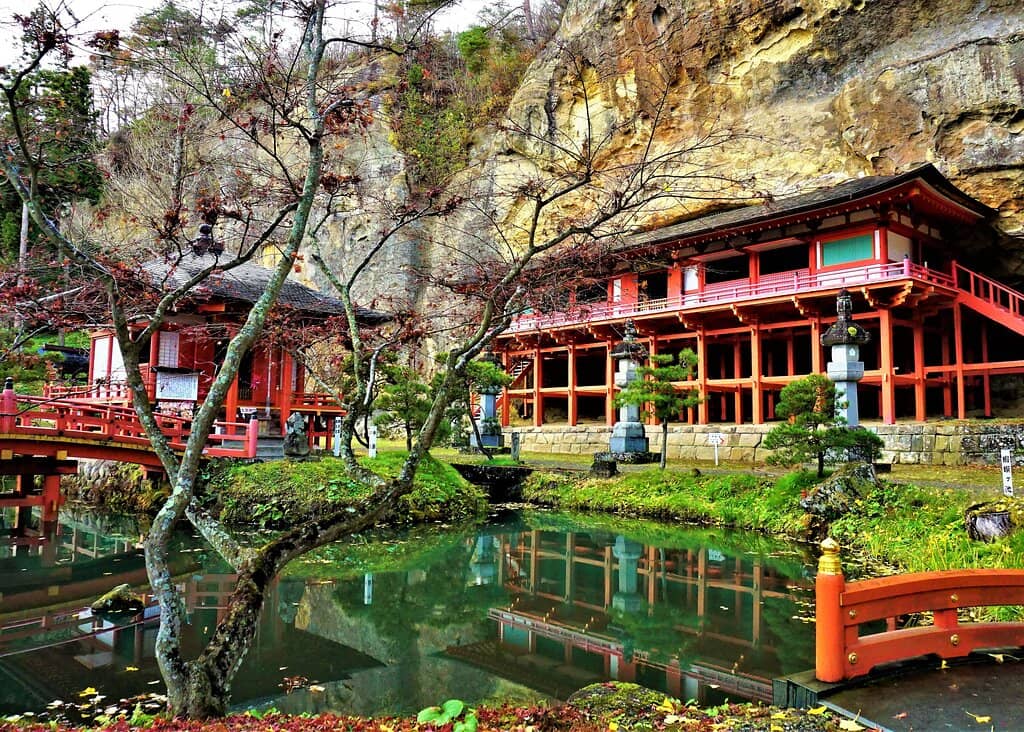
Mossy cliffs and deep greenery create a peaceful, timeless setting around the ancient temple.
Plans like a pro.
Thinks like you
Planning Your Visit
Timing is Key for Tranquility
Embrace the Cave's Majesty
Best Times
Insider Tips
from TikTok, Instagram & Reddit
🎯 Minimal Entry Fee
A small entrance fee (around 300 Yen) grants access to this unique historical site. 🎟️
🚗 Free Parking Available
Convenient free parking is available across the street, making it easy to access by car. 🚗
📸 Photo Opportunities
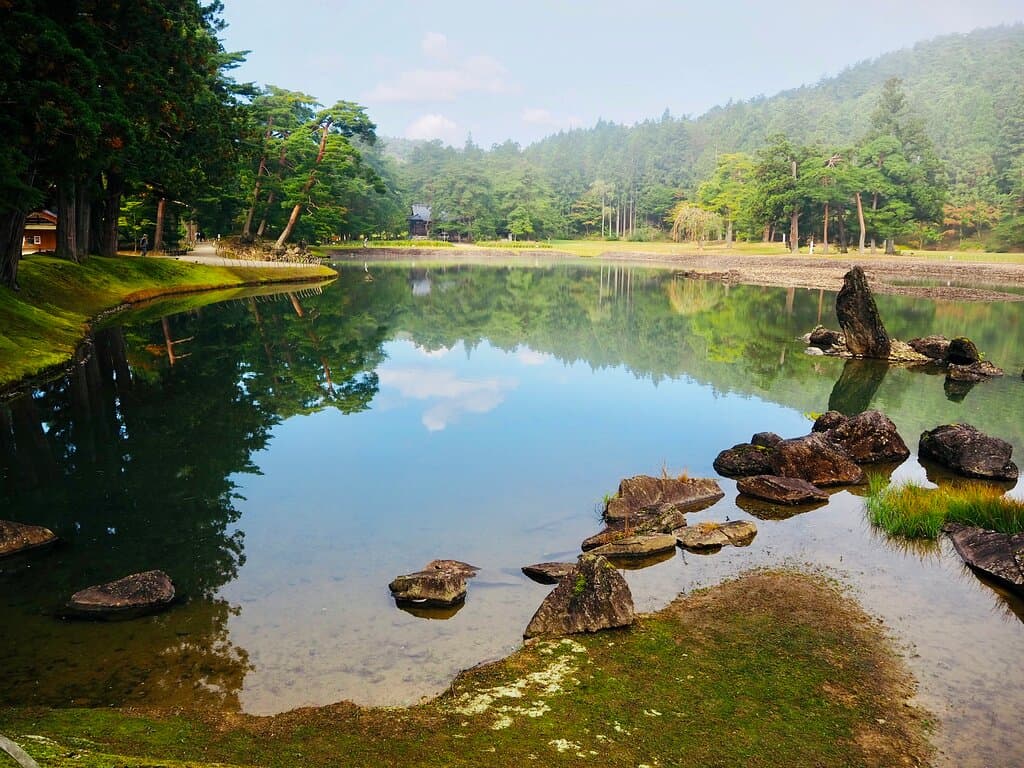
The surrounding footpath, garden, and lake offer beautiful spots for photos, especially during the right light. :camerawithflash:
🚶♀️ Explore the Grounds
Take time to wander the grounds; there are many wonderful little nooks and crannies to discover. :hiking_boot:
Tips
from all over the internet
🎯 Minimal Entry Fee
A small entrance fee (around 300 Yen) grants access to this unique historical site. 🎟️
🚗 Free Parking Available
Convenient free parking is available across the street, making it easy to access by car. 🚗
📸 Photo Opportunities
The surrounding footpath, garden, and lake offer beautiful spots for photos, especially during the right light. :camerawithflash:
🚶♀️ Explore the Grounds
Take time to wander the grounds; there are many wonderful little nooks and crannies to discover. :hiking_boot:
🕯️ Light Incense
For a few hundred yen, you can light incense and candles inside the shrine for a more immersive experience. 🕯️
What Travellers Say
Reviews Summary
Visitors find Takkoku no Iwaya Bishamondo to be a majestic and unique site, particularly appreciating its temple built directly into a cliff face and the intricate Bishamon statue. The serene atmosphere, especially when visited early or during fall foliage, is a major draw. While it's a relatively small attraction, its historical significance and beautiful surroundings make it a worthwhile stop for those exploring the Ichinoseki area.
"A hidden spiritual treasure in Japan.
Takkoku no Iwaya Bishamondo is one of the most unique and powerful sacred sites I’ve visited in Japan. Built directly into the cliffside over 1,200 years ago, the temple feels like a doorway between the natural world and something divine.
The atmosphere is incredibly peaceful — the sound of the forest, the cool air from the cave, and the presence of Bishamonten (the god of protection) give the entire place a strong spiritual energy. It’s not just a historical site; it truly feels like a power spot where you can reset your mind and spirit.
If you’re interested in hidden temples, Japanese spirituality, or places with deep history, this is a must-visit.
---"
TOSHI 4410
"It's a pretty cool spot to visit but it's something that you'd add on. You can actually walk up the steps and go into the shrine, there's also incense and candles you can light for a few hundred yen.
When I first heard of a shrine in a cave I had a very different idea in mind but if you look underneath, at the support, it goes surprisingly deep into the rock."
Forever Bored
"This temple was very majestic, especially the one partially constructed within the mountain wall.
If you are day tripping around Ichinoseki, I highly suggest stopping by. Parking is available for free just out front. It only takes you about 30 minutes to view it all."
Kurt Farrugia
What People Like
What People Dislike
Frequently Asked Questions
🚇 🗺️ Getting There
Takkoku no Iwaya Bishamondo is located in Iwate Prefecture, near Ichinoseki. If you're driving, there's free parking available across the street. For public transport, it's often visited as part of a day trip from Ichinoseki, and local buses may serve the area, though checking schedules in advance is recommended.

Yes, driving is a convenient way to reach the temple. A good-sized parking lot is available for free directly across the street from the shrine.
Absolutely! Many visitors include Takkoku no Iwaya Bishamondo as part of a day trip around Ichinoseki or the Hiraizumi area. It's a relatively small site that can be explored in about 30 minutes.
The nearest major city is Ichinoseki in Iwate Prefecture. The temple is a short drive from Ichinoseki and is often combined with visits to other attractions in the region.
While driving is straightforward with free parking, public transport options might be less frequent. It's advisable to check local bus routes and timetables if relying on public transportation.
🎫 🎫 Tickets & Entry
The entrance fee is minimal, typically around 300 Yen, making it a very affordable attraction.
Currently, there are no widely advertised special passes or discounts. The low individual entry fee makes it accessible for most visitors.
Specific opening hours can vary, but it's generally open during daylight hours. Visiting early in the morning is recommended to avoid crowds.
Tickets are typically purchased on-site upon arrival. There's no indication of a need for advance booking, especially given its nature as a smaller attraction.
As a Buddhist temple, respectful attire is appreciated. While there isn't a strict dress code, avoiding overly revealing clothing is advisable.
📸 📸 Photography
Photography inside the main hall where the Bishamon statue is located is generally prohibited to protect the relics and maintain the sacred atmosphere. However, photos are allowed in the surrounding grounds and exterior.
The footpath, garden, and lake outside the main temple offer picturesque views. The cliffside architecture itself is also a stunning subject. Early morning light can be particularly beautiful.
There are no specific mentions of drone usage, but it's generally best to assume drones are not permitted at religious sites to respect the tranquility and avoid disturbing other visitors.
Early morning offers fewer crowds and softer light, ideal for capturing the serene atmosphere. The surrounding landscape also looks beautiful during golden hour.
No, photography of the Bishamon statue and inside the main hall is prohibited. Visitors are encouraged to experience it directly.
🎫 🏞️ Onsite Experience
The primary attraction is the temple itself, uniquely built into a rock cavern with a 'kakezukuri' style. Inside, you'll find an intricate statue of the Bishamon deity.
Most visitors spend around 30 minutes exploring the grounds and the temple interior. It's a compact site, perfect for a brief but impactful visit.
Basic facilities like restrooms are typically available at such historical sites. It's always a good idea to confirm upon arrival or check local information if needed.
Bishamon is one of the Seven Lucky Gods in Japanese mythology, often associated with warriors, wealth, and protection. The statue honors this deity.
Yes, you can light incense and candles for a small fee (a few hundred yen) to participate in the spiritual practices of the temple.
🍽️ 🍽️ Food & Dining
While the temple itself doesn't have dining facilities, there are food options in the nearby town of Ichinoseki or along the route. Some visitors have noted nearby mochi restaurants and confectioneries.
Picnicking is generally not encouraged at religious sites. It's best to consume any food or drinks before or after your visit.
The Ichinoseki and Maesawa area is known for Maesawa beef (yakiniku) and local mochi dishes. Exploring these culinary delights can complement your visit.
Vending machines are common at tourist attractions in Japan, so there might be one available for drinks. However, it's always wise to carry water, especially during warmer months.
If coming from Hiraizumi, you might find more dining options there, or you can plan to eat in Ichinoseki before or after visiting the temple.



Social
from TikTok, Instagram & Reddit