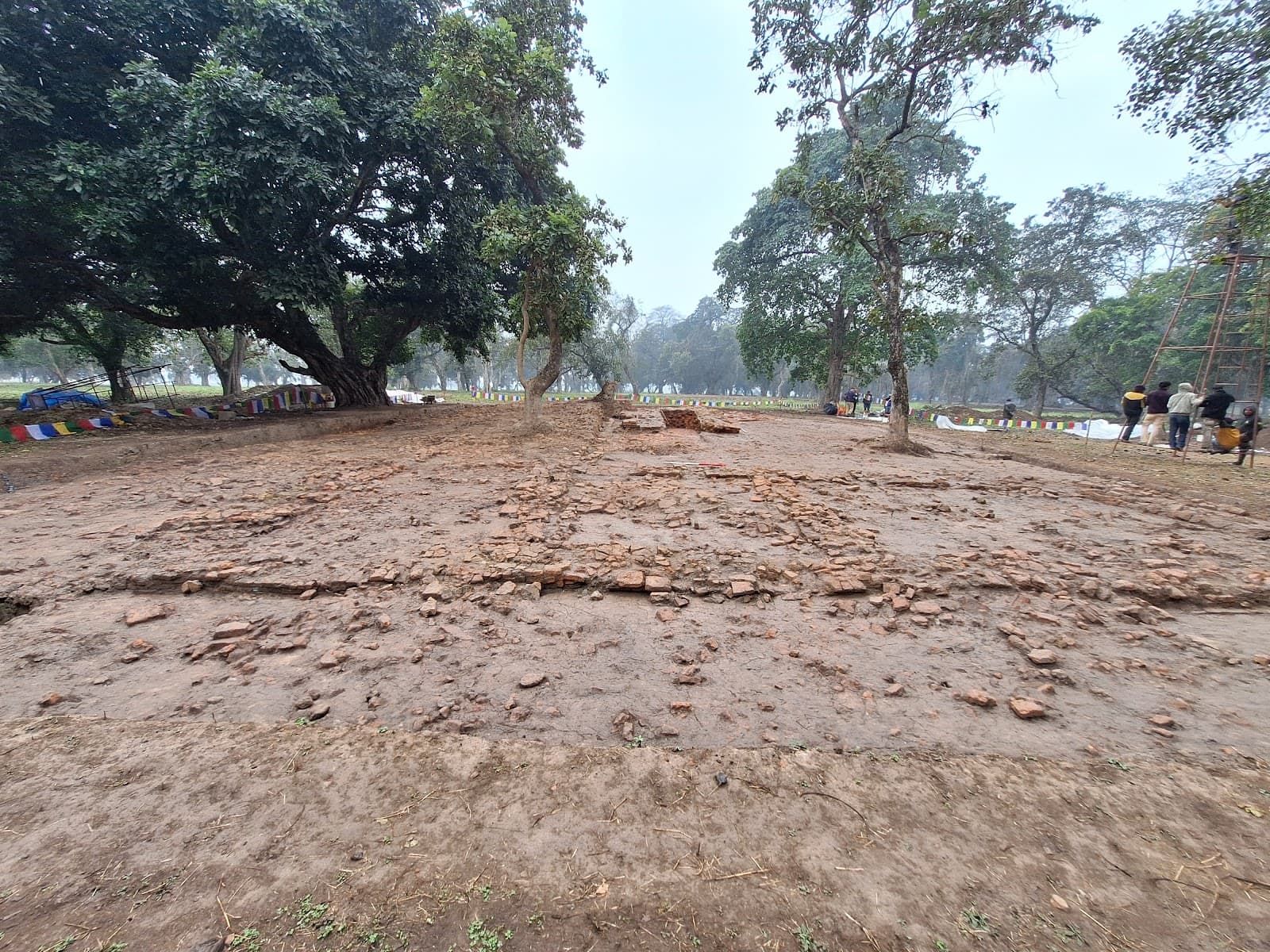
Kapilavastu Tilaurakot Archaeological Site
Explore the ancient capital of the Shakya Kingdom, where Prince Siddhartha spent his formative years before becoming the Buddha.
Highlights
Must-see attractions

Social
From TikTok & Reddit
Best Time
Pleasant weather for exploration
Kapilavastu Tilaurakot Archaeological Site
Best Time
Pleasant weather for exploration
Highlights
Must-see attractions
Explore the ancient capital of the Shakya Kingdom, where Prince Siddhartha spent his formative years before becoming the Buddha.
"A must-visit for followers of Lord Buddha Shakyamuni, offering a peaceful connection to the past."
Cross-Border Planning
If visiting both Nepal and India sites, factor in border crossing times and visa requirements.
Wear Comfortable Shoes
You'll be doing a lot of walking on uneven terrain, so sturdy footwear is essential. :athletic_shoe:

Highlights
Discover the most iconic attractions and experiences
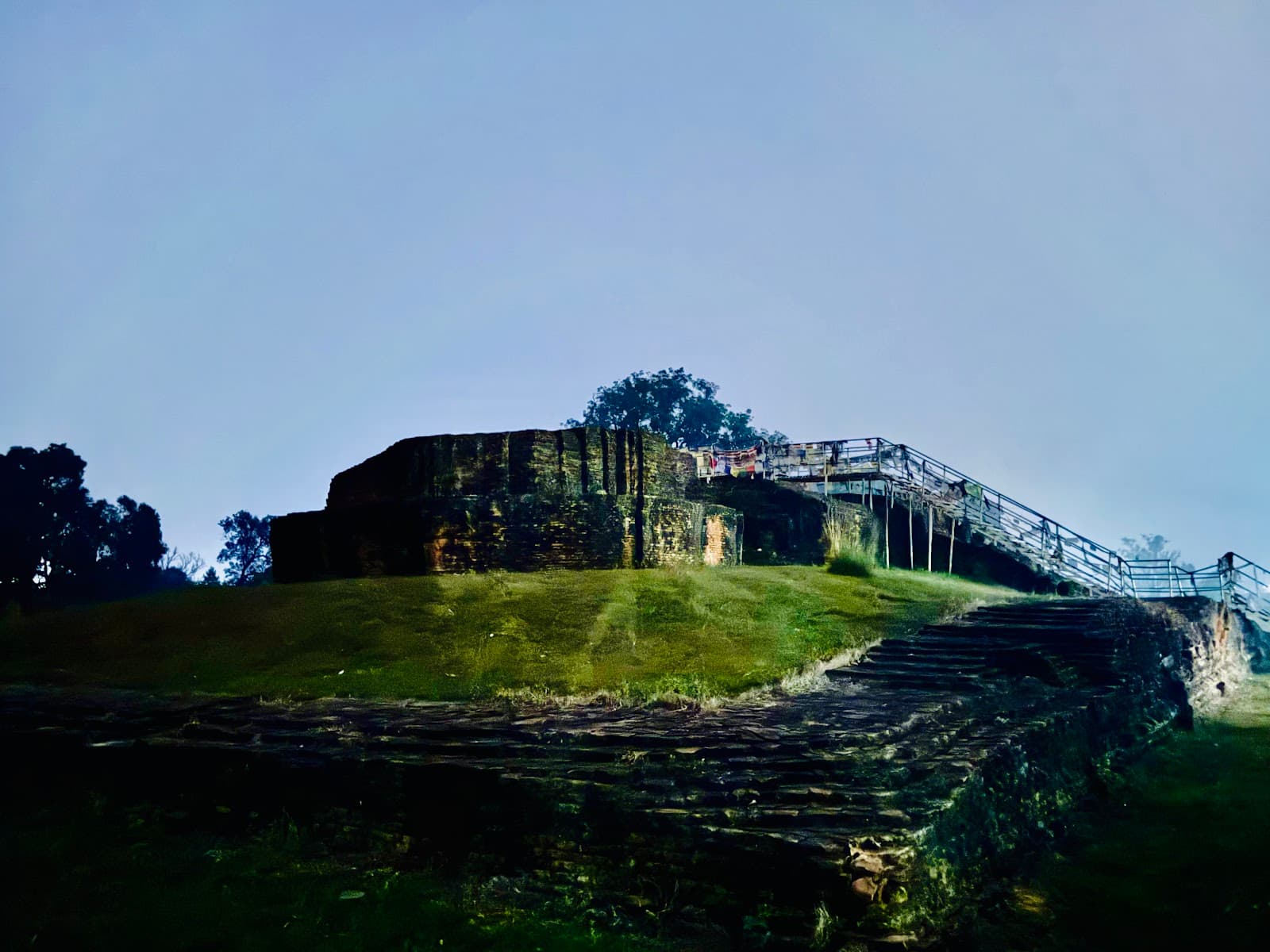
Tilaurakot Ruins
Kapilavastu District, Nepal
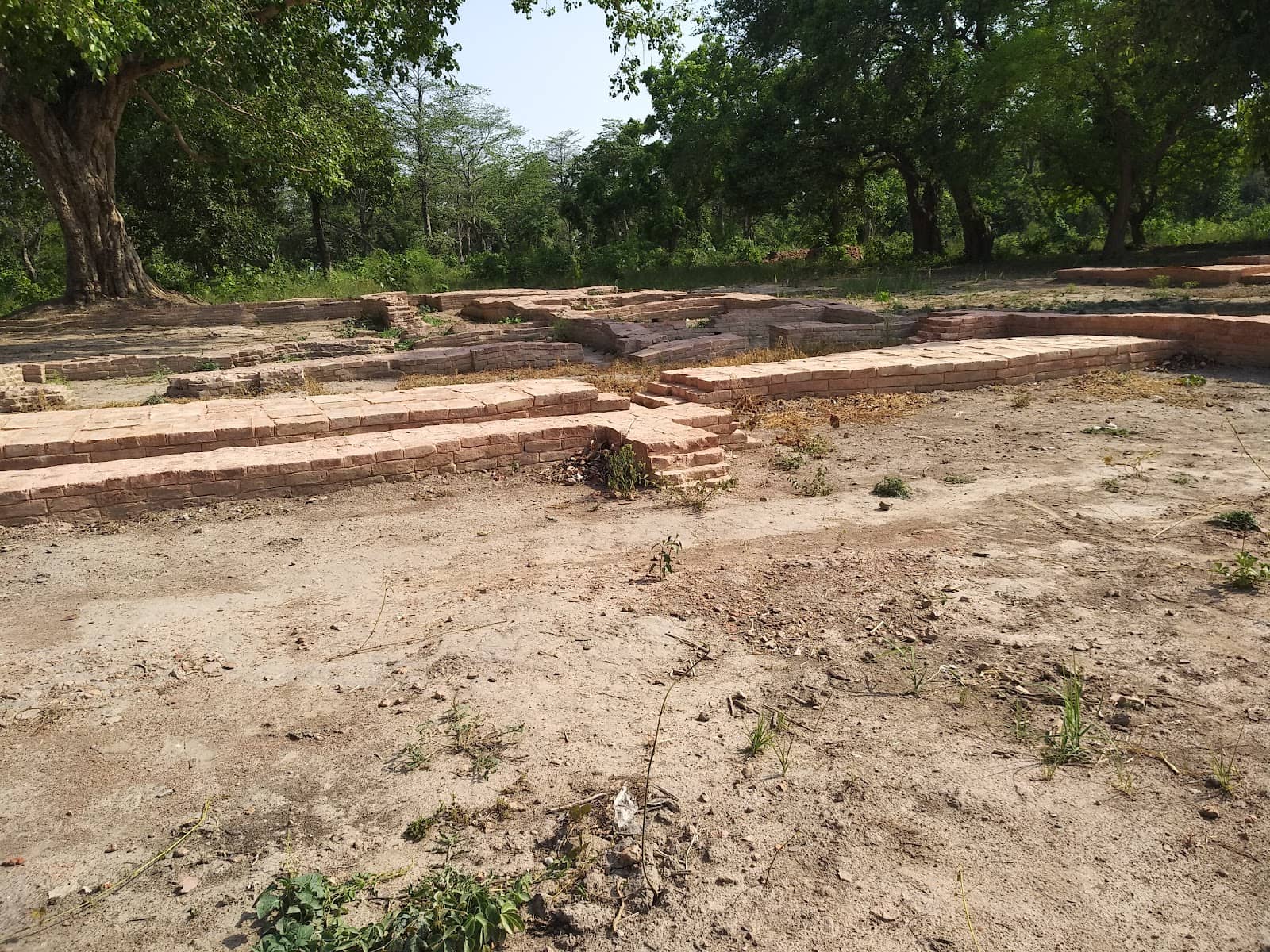
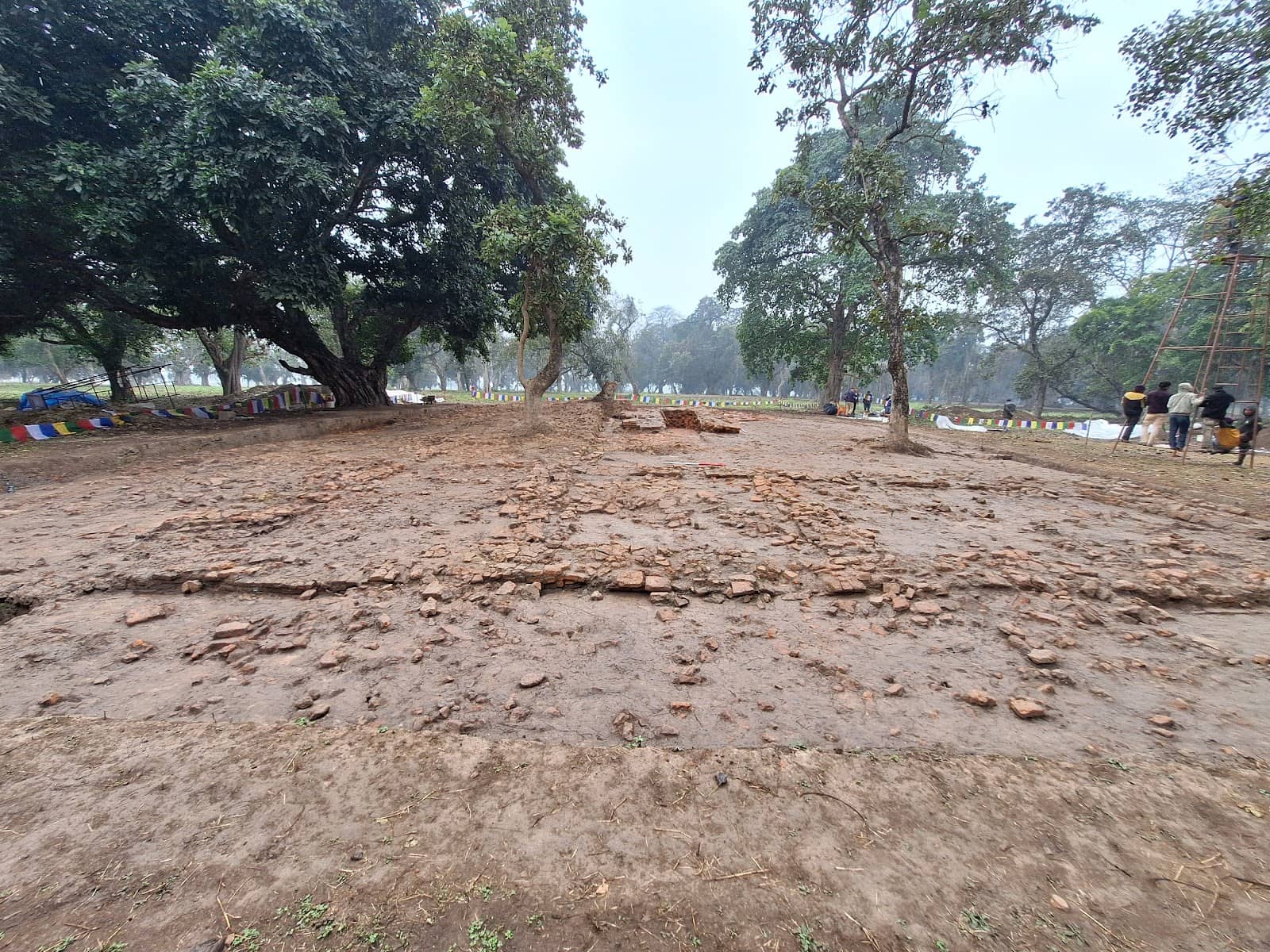
Explore the remnants of the ancient Shakya capital, where Prince Siddhartha spent his formative years.
Piprahwa Stupa & Relics
Siddharthnagar District, Uttar Pradesh, India
Discover the site believed to hold Buddha's relics, a significant pilgrimage destination.
Kapilavastu Archaeological Museum
Piprahwa, India
View artifacts and learn about the history of Kapilvastu, complementing your site visit.
Plans like a pro.
Thinks like you
Planning Your Visit
Understand the Dual Identity: Kapilavastu
Best Time to Visit for Serenity
Best Times
Insider Tips
from TikTok, Instagram & Reddit
1 month Living in Lumbini, Nepal.
Cross-Border Planning
If visiting both Nepal and India sites, factor in border crossing times and visa requirements.
Wear Comfortable Shoes
You'll be doing a lot of walking on uneven terrain, so sturdy footwear is essential. :athletic_shoe:
Stay Hydrated
Carry plenty of water, especially during warmer months, as facilities can be limited. :droplet:
Respectful Attire
Dress modestly out of respect for the religious and historical significance of the sites. :pray:
Tips
from all over the internet
Cross-Border Planning
If visiting both Nepal and India sites, factor in border crossing times and visa requirements.
Wear Comfortable Shoes
You'll be doing a lot of walking on uneven terrain, so sturdy footwear is essential. :athletic_shoe:
Stay Hydrated
Carry plenty of water, especially during warmer months, as facilities can be limited. :droplet:
Respectful Attire
Dress modestly out of respect for the religious and historical significance of the sites. :pray:
What Travellers Say
Reviews Summary
Visitors praise Kapilavastu Tilaurakot for its profound historical and spiritual significance, offering a tangible link to the early life of Prince Siddhartha. The well-preserved ruins and the serene atmosphere are frequently highlighted as positive aspects. However, some find the facilities basic and the dual identity of Kapilavastu (Nepal vs. India) can be confusing without prior research.
"Tilaurakot, located in the Kapilvastu District of Nepal, is widely believed to be the ancient capital of the Shakya Kingdom, where Prince Siddhartha Gautama spent the first 29 years of his life before embarking on the journey that led him to enlightenment as the Buddha. This archaeological site holds immense historical and spiritual value, as it provides a tangible connection to the early life of Siddhartha's one of the most influential figures in world history."
Abhishek R. Bajracharya
"The actual Kapilvastu (Piprahwa) in india. Kapilvastu is the ancient city where Prince Siddhartha (Buddha) spent his early years, and the Indian site of Piprahwa is identified as the location of the Shakya capital, based on the discovery of an inscribed relic casket at the site. The Piprahwa archaeological site features a large stupa, monasteries, and a museum, holding the sacred relics of Lord Buddha that were distributed to his clan after his cremation.
Location
Piprahwa is located in the Siddharthnagar District of Uttar Pradesh, India, close to the Nepal border.
It is believed that the ancient city of Kapilvastu may have encompassed both Piprahwa and the nearby site of Ganwaria.
Significance of the 1898 Discovery
In 1898, British colonial engineer William Claxton Peppé excavated a large mound at Piprahwa, uncovering a stone casket with an inscription. this inscription devdas that the sthal belongs to Sakyamuni Buddha which was built by Sukirti and his kinsmen.
This inscription, considered the earliest decipherable writing found in India, identified the contents as the relics of Buddha and the Shakya community, confirming Piprahwa as the site of ancient Kapilvastu.
The Site Today
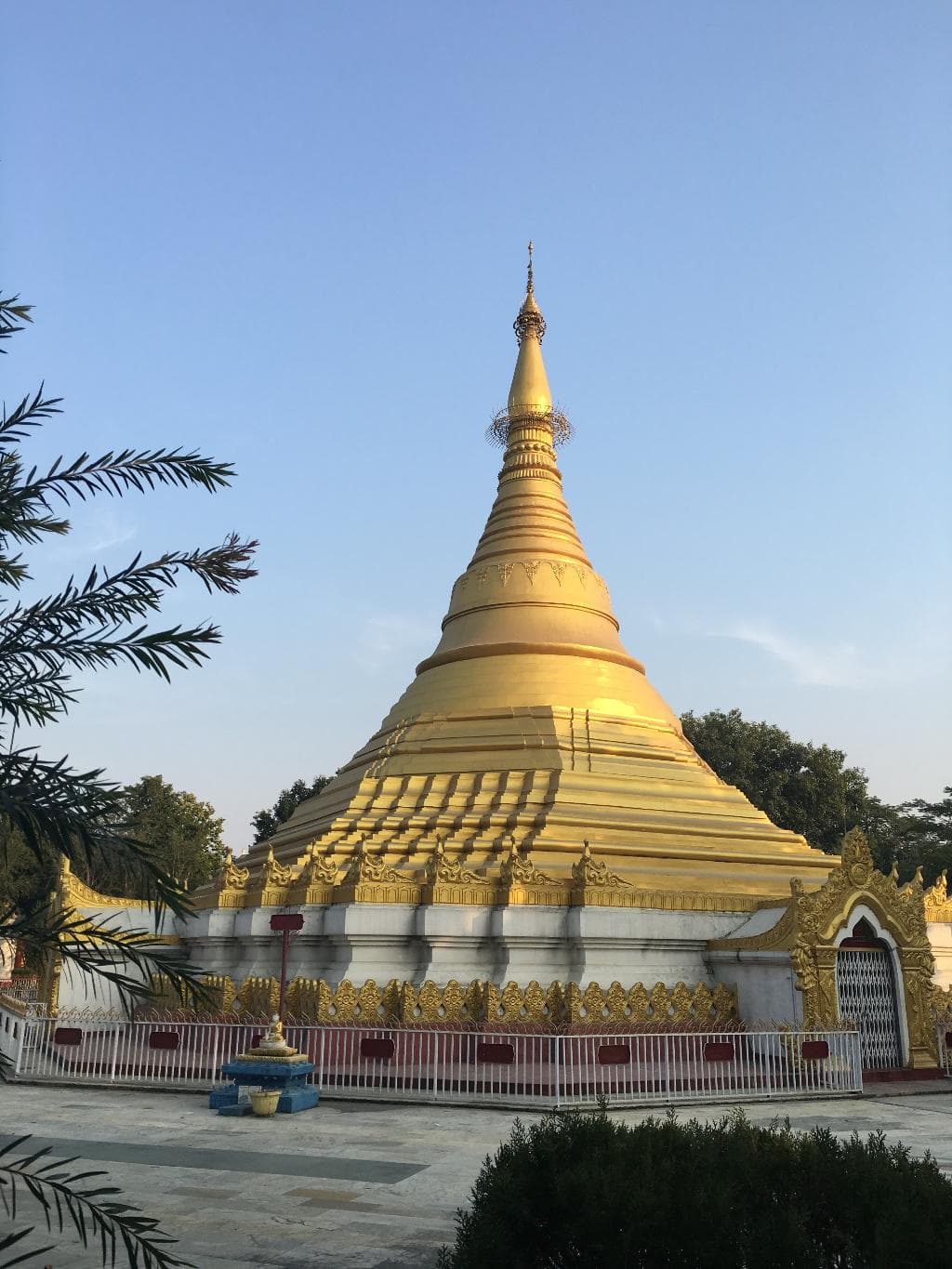
The Piprahwa archaeological site features a significant stupa and the ruins of several monasteries.
The Kapilavastu Archaeological Site Museum was inaugurated in 2016, housing artifacts and showcasing the history of Kapilvastu.
The inscribed relic casket, considered one of the most sacred relics in Buddhism, is now carefully preserved under the care of the National Museum in New Delhi."
GAJAB VIDEOS
"It was in the ancient city of Kapilavastu that Prince Siddhartha was raised from his birth until the age of 29. This was the capital of the ancient Sakya Kingdom."
Sudipta Paul
What People Like
What People Dislike
Frequently Asked Questions
🚇 🗺️ Getting There
Tilaurakot is accessible from Lumbini. You can hire a taxi or take a local bus from Lumbini to reach the site. The journey takes approximately 30-45 minutes.
The most common way is to travel by road. You'll need to cross the border at a designated point, which can involve taxis or local transport. Be prepared for potential delays at the border.
From cities like Kathmandu or Bhairahawa (near Lumbini), you can arrange private vehicles or take buses towards the Kapilavastu region. Flights to Bhairahawa are also an option.
Piprahwa is near Siddharthnagar. You can reach Siddharthnagar by train or bus from major Indian cities like Gorakhpur. From Siddharthnagar, local auto-rickshaws or taxis can take you to the archaeological site.
Travel times vary greatly depending on your starting point. From Lumbini to Tilaurakot is under an hour. Traveling between the two countries can take several hours, including border procedures.
🎫 🎫 Tickets & Entry
Entry to Tilaurakot is generally free, but it's always a good idea to check for any recent changes in local regulations.
The sites are typically open from sunrise to sunset. However, it's advisable to confirm the exact timings locally, especially for the museum at Piprahwa.
Yes, there is usually a nominal entrance fee for the museum. The fee is modest and contributes to the site's upkeep.
Advance booking is generally not required for the archaeological sites themselves. For the museum, you can purchase tickets upon arrival.
Currently, there are no widely advertised special passes or discounts for these sites. However, local guides might offer package deals.
🎫 🧭 Onsite Experience
Tilaurakot is believed to be the ancient capital of the Shakya Kingdom, where Prince Siddhartha Gautama spent his first 29 years before becoming the Buddha. It offers a tangible connection to his early life.
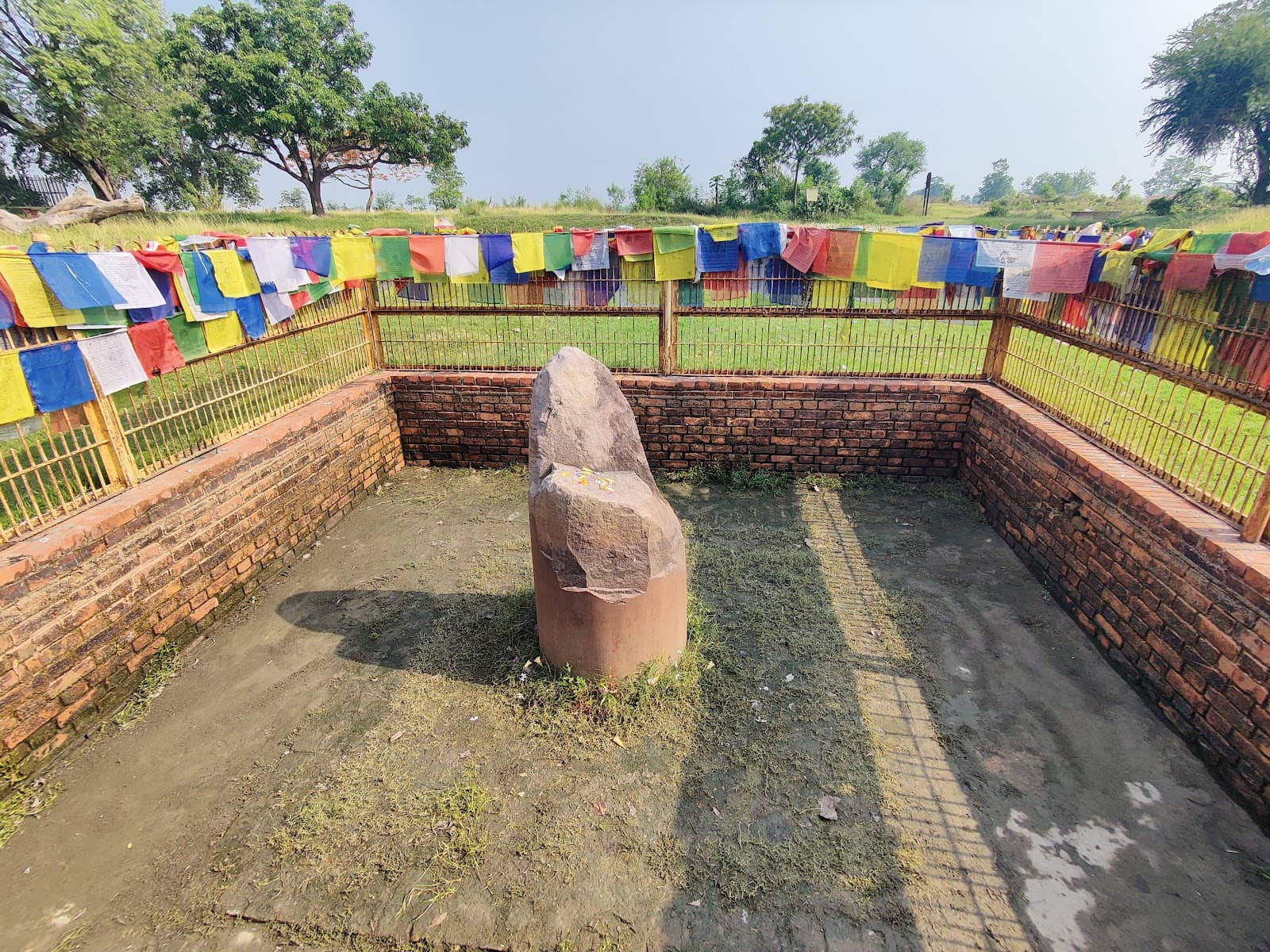
Piprahwa features a significant stupa, ruins of monasteries, and is identified as the location of ancient Kapilvastu. It's believed to hold sacred relics of Lord Buddha.
Absolutely! Visiting both sites provides a more complete picture of the historical Kapilavastu and Prince Siddhartha's life. They offer complementary perspectives.
Local guides are often available at both Tilaurakot and Piprahwa. Hiring a guide can significantly enhance your understanding of the history and significance of the ruins.
Facilities can be basic. You'll find restrooms, but amenities like cafes or extensive shops are limited. It's best to come prepared with water and snacks.
📸 📸 Photography
Generally, photography is allowed at the outdoor ruins of Tilaurakot. However, always be respectful and check for any signage indicating restricted areas, especially inside any structures.
Photography rules inside museums can vary. It's common to be allowed to take photos without flash, but check the specific museum's policy upon entry.
Early morning and late afternoon offer the best light for photography, with softer shadows and a more atmospheric glow. This also helps avoid harsh midday sun.
Drone usage is typically restricted at archaeological and religious sites due to privacy and preservation concerns. It's best to assume drones are not permitted unless explicitly stated otherwise.
Focus on the scale of the ruins, the intricate details of any remaining structures, and the serene landscape. Capturing the sense of history and peace is key.
For Different Travelers
Tailored advice for your travel style
👨👩👧 Families with Kids
Keep the visits concise and incorporate breaks. Pack plenty of snacks and water, as facilities are limited. Emphasize the 'once upon a time' aspect of the stories to capture their imagination, turning the ruins into a backdrop for ancient tales.
🚶♀️ Solo Travelers & Backpackers
Utilize local buses and shared taxis for budget-friendly travel between sites and to nearby towns like Lumbini or Siddharthnagar. Embrace the slower pace of travel and be open to interacting with locals for a richer cultural immersion.
🙏 Spiritual Seekers & Pilgrims
Allocate ample time for quiet contemplation at both locations. Consider visiting early in the morning or late in the afternoon to experience the sites in their most serene state, allowing for deeper meditation and spiritual connection.
Deep Dives
In-depth insights and expert knowledge
The Kapilavastu Conundrum: Nepal vs. India
Tilaurakot, in Nepal, features extensive ruins including city walls, gates, stupas, and monastic structures, strongly suggesting it was a significant urban center. Archaeological findings here align with descriptions of Kapilavastu in ancient texts. Meanwhile, the Piprahwa site in India gained prominence after the 1898 discovery of an inscribed relic casket, believed to contain the ashes of Lord Buddha, identifying it as the Shakya capital. The Piprahwa site also boasts a large stupa and monastic ruins, and its museum houses important artifacts.
For travelers, understanding this duality enriches the journey. Visiting both sites allows for a more comprehensive appreciation of the historical context. While Tilaurakot offers a glimpse into the royal city, Piprahwa provides a tangible link to the relics and the early Buddhist community. Many pilgrims and history enthusiasts find value in experiencing both locations to form their own conclusions and deepen their spiritual or historical understanding.
A Pilgrim's Path: Spiritual Significance
For pilgrims, visiting these locations is often a deeply moving experience, offering a chance to walk in the footsteps of the Buddha. The serene atmosphere of the archaeological sites, particularly during the quieter hours, allows for reflection and meditation. The discovery of relics at Piprahwa further enhances its sacred status, drawing devotees who seek blessings and a connection to the Buddha's physical remains.
Beyond the main sites, nearby locations like Nigrodharam (where Buddha is said to have met his father after enlightenment) and Gotihwa (believed to be the birthplace of the Krakuchchanda Buddha) add further layers to the spiritual journey in the Kapilavastu region. These interconnected sites collectively form a crucial part of the Buddhist circuit, offering a comprehensive pilgrimage experience.
Social
from TikTok, Instagram & Reddit