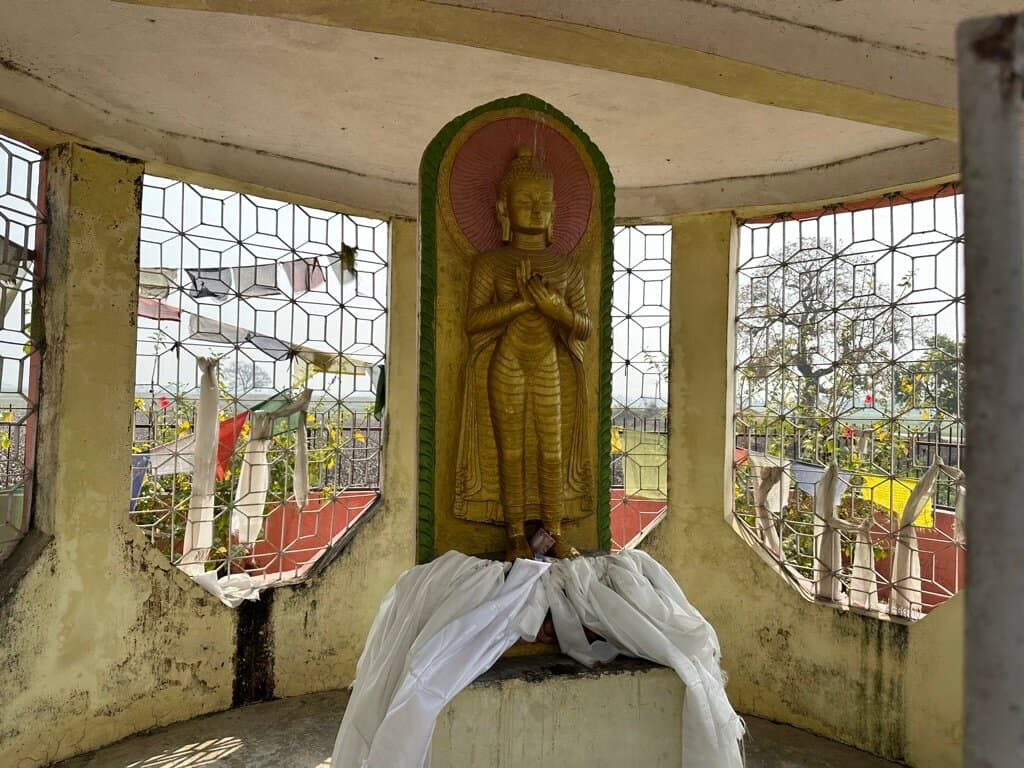
Niglihawa Ashoka Pillar
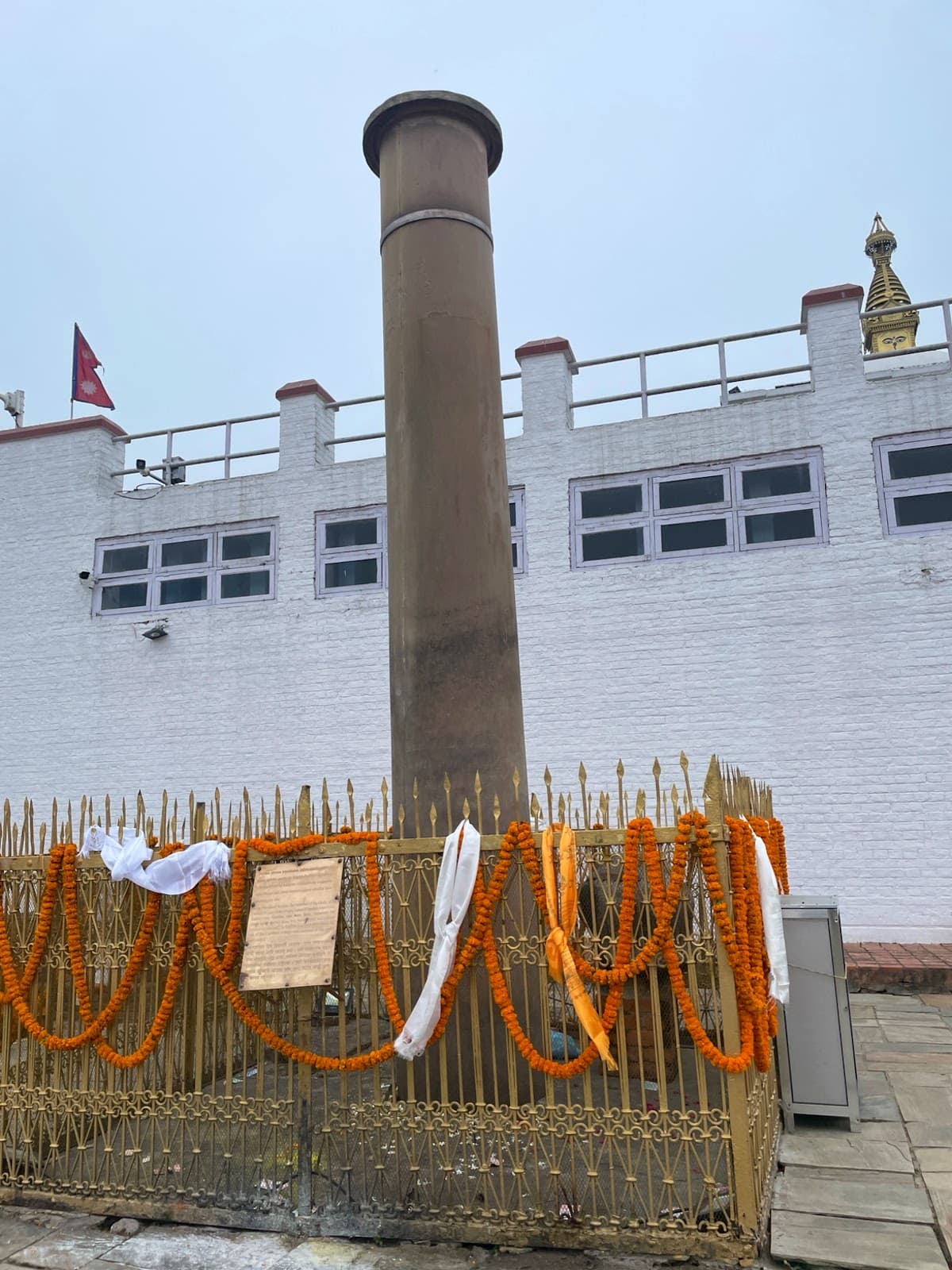
A significant Buddhist heritage site marking the birthplace of Kanakamuni Buddha, featuring an ancient Ashoka Pillar with Brahmi inscriptions.
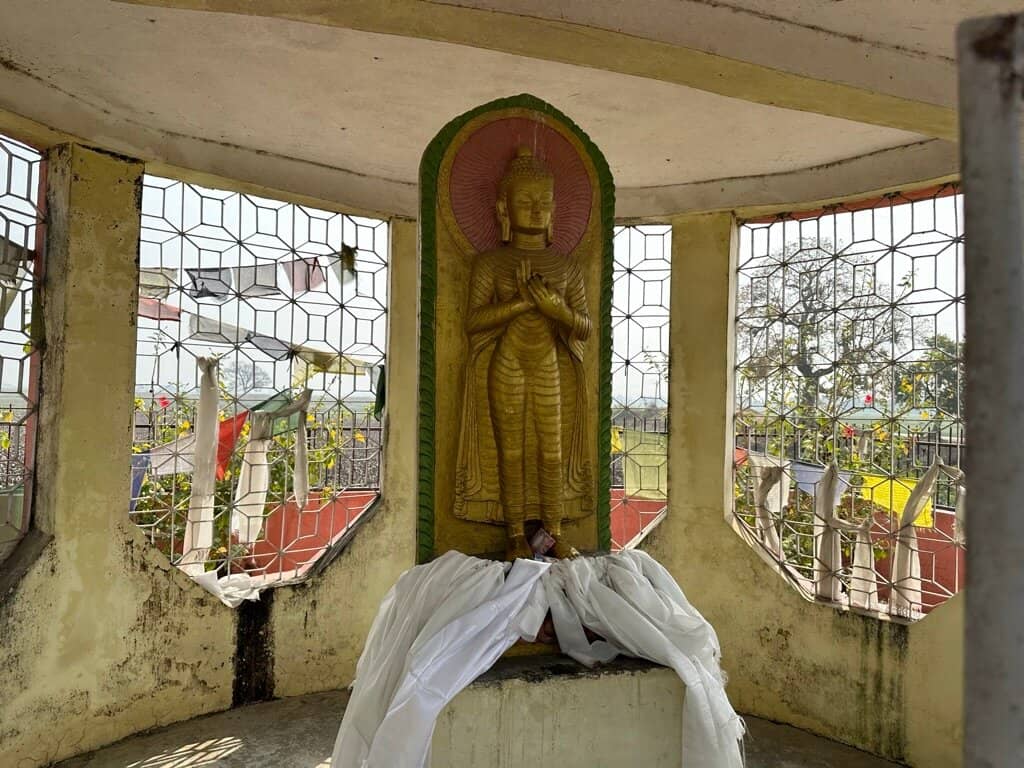
Highlights
Must-see attractions

Social
From TikTok & Reddit
Best Time
Pleasant weather for exploration
Niglihawa Ashoka Pillar
Best Time
Pleasant weather for exploration
Highlights
Must-see attractions
A significant Buddhist heritage site marking the birthplace of Kanakamuni Buddha, featuring an ancient Ashoka Pillar with Brahmi inscriptions.
"A crucial historical relic, this pillar offers a direct link to Emperor Ashoka and ancient Buddhist traditions."
📜 Read the Inscription
The Brahmi script inscription is key to understanding the pillar's history. Look for explanations on-site.
🚶♂️ Explore Kapilvastu
Combine your visit with other sites in the Kapilvastu region for a comprehensive historical tour.
Highlights
Discover the most iconic attractions and experiences
The Ashoka Pillar
Niglihawa, Kapilvastu, Nepal
A historically significant pillar marking the birthplace of Kanakamuni Buddha, visited by Emperor Ashoka.

Brahmi Script Inscription
On the pillar fragments
Read the ancient Pali inscription detailing Ashoka's pilgrimage and the pillar's erection.
Kanakamuni Buddha's Birthplace
Adjacent to the pillar
This site is traditionally recognized as the birthplace of the Buddha Kanakamuni.
Plans like a pro.
Thinks like you
Planning Your Visit
Understand Its Significance
Manage Expectations
Best Times
Insider Tips
from TikTok, Instagram & Reddit
📜 Read the Inscription
The Brahmi script inscription is key to understanding the pillar's history. Look for explanations on-site.
🚶♂️ Explore Kapilvastu
Combine your visit with other sites in the Kapilvastu region for a comprehensive historical tour.
🧐 Appreciate the History
Understand this is a significant archaeological find, not a grand monument. Its value is in its history.
Tips
from all over the internet
📜 Read the Inscription
The Brahmi script inscription is key to understanding the pillar's history. Look for explanations on-site.
🚶♂️ Explore Kapilvastu
Combine your visit with other sites in the Kapilvastu region for a comprehensive historical tour.
🧐 Appreciate the History
Understand this is a significant archaeological find, not a grand monument. Its value is in its history.
What Travellers Say
Reviews Summary
Visitors find the Niglihawa Ashoka Pillar historically significant as it marks the birthplace of Kanakamuni Buddha and bears an inscription from Emperor Ashoka's reign. While appreciated for its historical context and archaeological value, some note its fragmentary condition and suggest more interpretive information on-site.
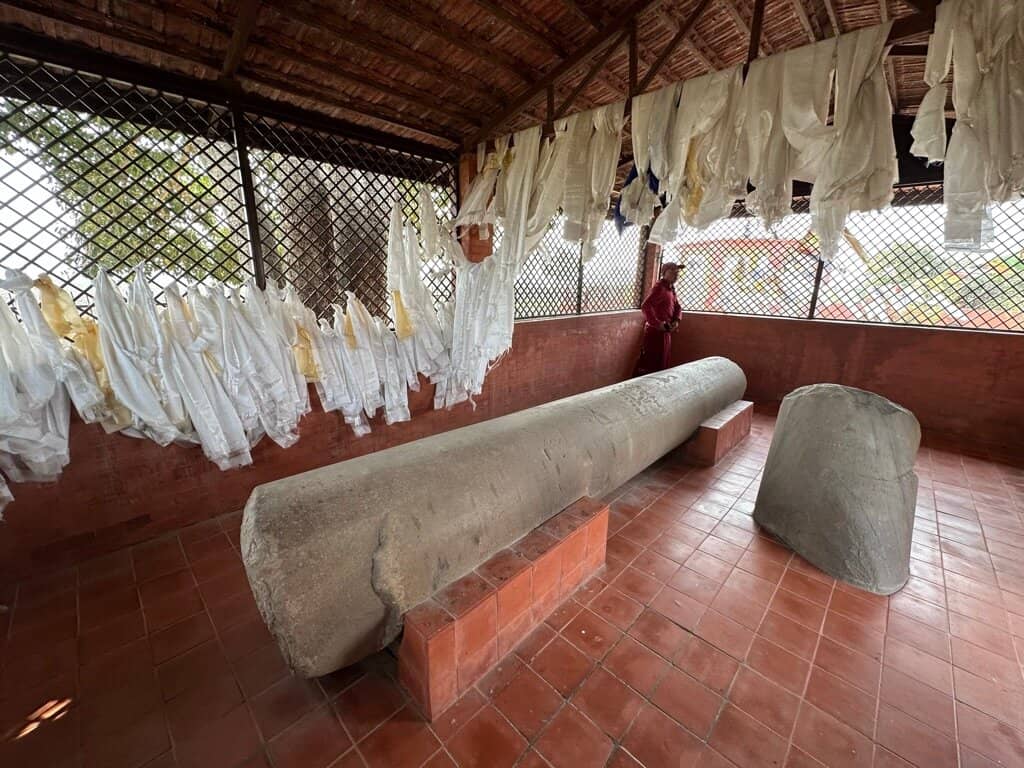
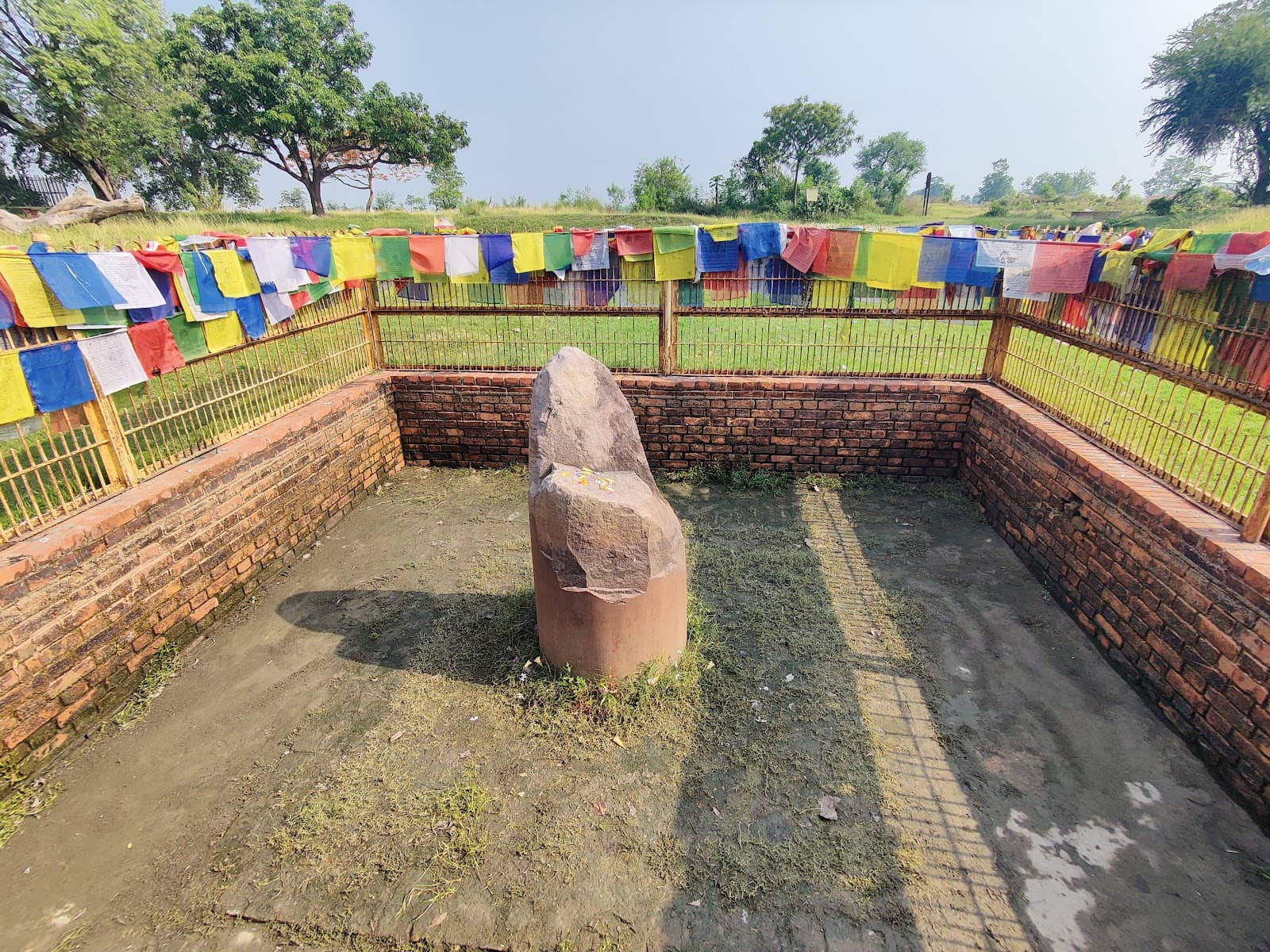
"The Niglihawa Ashoka Pillar, located in the Kapilvastu, Nepal, is a significant archaeological and Buddhist heritage monument, the pillar consists of two broken parts that lie close to the water’s edge.
This monument marks the birthplace of Kanakamuni Buddha, according to Buddhist tradition and historical records. Emperor Ashoka visited this place in around 249 BC, enlarged the stupa at the site, and erected the inscribed pillar in the twentieth year of his reign. The inscription, written in Brahmi script in Pali language, explicitly records these events: Ashoka’s pilgrimage, the stupa renovation, and the erection of the pillar.
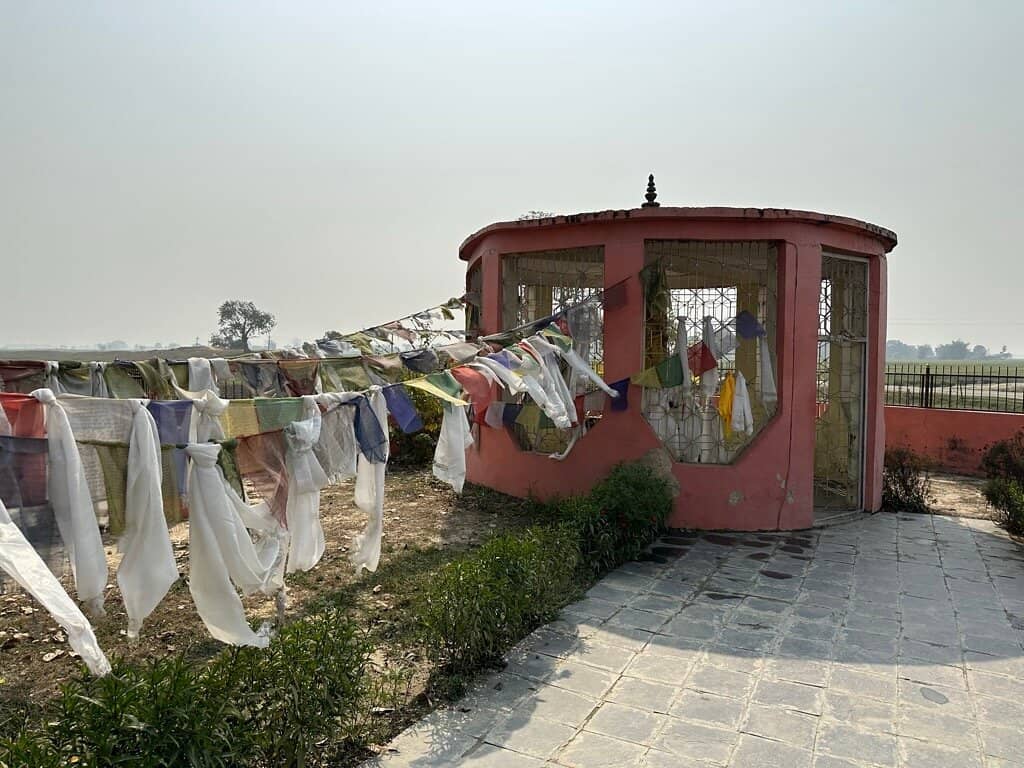
In the 19th century, the pillar was rediscovered by archaeologist Alois Anton Führer, who documented the broken pieces and their inscriptions. To protect the fragile remains from environmental damage, a small protective pavilion was constructed by the Lumbini Development Trust in 2018.
Despite its fragmentary condition, the Niglihawa Ashoka Pillar is an invaluable relic: it not only commemorates Ashoka’s devotion to Buddhism but also highlights the deep historical and spiritual significance of the Kapilvastu region."
Abhishek R. Bajracharya
"A historical place related to Lord Buddha. Can find a Ashoka piller like one in Lumbini, written in Pali language."
Rabin Suwal
"A Asohka's pillar, managed a person. I think the explanation in front of the pillar is not enough to expect the exact time."
star chrome
What People Like
What People Dislike
Frequently Asked Questions
🚇 🗺️ Getting There
The Niglihawa Ashoka Pillar is located in Kapilvastu, Nepal. It's best accessed by road, often as part of a tour of the Kapilvastu region. Hiring a private vehicle or a taxi from nearby cities like Lumbini or Taulihawa is a common way to reach the site.
Public transport options directly to Niglihawa can be limited. It's advisable to arrange transport in advance or combine it with a guided tour of the Kapilvastu archaeological sites.
Many visitors opt for guided tours that cover multiple sites within Kapilvastu, including Niglihawa. This ensures efficient travel and provides historical context for each location.
🎫 🎫 Tickets & Entry
Information regarding specific entrance fees for the Niglihawa Ashoka Pillar itself is not widely publicized. However, access to the broader Kapilvastu archaeological area might involve nominal fees or be managed by local authorities.
As an open archaeological site, Niglihawa Ashoka Pillar generally does not have strict opening or closing hours. However, it's best to visit during daylight hours for safety and better viewing.
No advance booking is typically required for the Niglihawa Ashoka Pillar, as it's an open historical site. Entry is usually on a first-come, first-served basis during daylight hours.
🎫 🧭 Onsite Experience
You can see the two broken parts of the Ashoka Pillar, which bear inscriptions in Brahmi script. The site is also recognized as the birthplace of Kanakamuni Buddha and is protected by a pavilion.
The pillar is in a fragmentary condition, consisting of two broken parts. A protective pavilion was constructed in 2018 to safeguard the fragile remains from environmental damage.
It marks the birthplace of Kanakamuni Buddha and was erected by Emperor Ashoka in the 3rd century BC. The inscription details Ashoka's visit and the pillar's erection, making it a crucial historical artifact.
Local guides may be available in the Kapilvastu region who can provide detailed information about the Niglihawa Ashoka Pillar and its historical context. It's advisable to inquire locally or through your tour operator.
Comfortable walking shoes are recommended as you'll be exploring an archaeological site. Light, breathable clothing is suitable for the climate. Modest attire is appreciated out of respect for the religious significance of the area.
📸 📸 Photography
Photography is generally permitted at the Niglihawa Ashoka Pillar for personal use. However, it's always good practice to be respectful and avoid intrusive photography, especially if there are local caretakers or other visitors.
Capture the pillar fragments within their protective pavilion and try to frame them with the surrounding landscape. The inscriptions themselves, if legible, can also make for interesting detail shots.
While specific restrictions are uncommon, avoid using flash photography directly on ancient inscriptions if it could potentially cause damage. Always be mindful of any signage or instructions from site management.
For Different Travelers
Tailored advice for your travel style
👨👩👧 Families with Kids
Consider combining this visit with other more visually stimulating sites in the Kapilvastu region to keep younger visitors interested. Explaining the concept of ancient inscriptions and how they help us learn about the past can also be a fun learning opportunity. Ensure you bring water and snacks, as facilities at such historical sites can be limited.
🏛️ History Buffs & Archaeologists
The fact that it marks the birthplace of Kanakamuni Buddha further enhances its significance within Buddhist history. The ongoing preservation efforts by the Lumbini Development Trust highlight the site's recognized archaeological value. Visiting Niglihawa offers a chance to connect with a tangible piece of ancient history, directly linked to one of India's most influential emperors.
Deep Dives
In-depth insights and expert knowledge
The Historical Context of the Ashoka Pillar
This site is particularly important because it is traditionally recognized as the birthplace of Kanakamuni Buddha, the second Buddha in the current aeon. While not associated with Siddhartha Gautama (the historical Buddha), the pillar's connection to Kanakamuni Buddha adds another layer to its spiritual significance within Buddhist traditions. The rediscovery of the pillar by archaeologist Alois Anton Führer in the 19th century brought this ancient relic back into historical focus.
Today, the pillar exists in two broken parts, lying near a water body. To preserve these fragile remnants from environmental degradation, the Lumbini Development Trust constructed a protective pavilion in 2018. This intervention ensures that future generations can still witness and learn from this important piece of Buddhist history and Ashoka's legacy.
Understanding the Inscriptions
The text details Emperor Ashoka's pilgrimage to this sacred site, his renovation of a stupa, and his decision to erect the pillar. This provides concrete proof of Ashoka's deep devotion to Buddhism and his efforts to propagate its teachings and venerate its sacred sites across his vast empire. The clarity of the inscription makes the Niglihawa pillar a significant find for historians and archaeologists studying the Mauryan period and the early spread of Buddhism.
While the pillar is now broken, the inscriptions remain legible, allowing scholars and visitors to connect directly with the past. The presence of these ancient writings underscores the importance of preserving such sites, not just as physical monuments but as carriers of historical narratives and cultural heritage.
Social
from TikTok, Instagram & Reddit