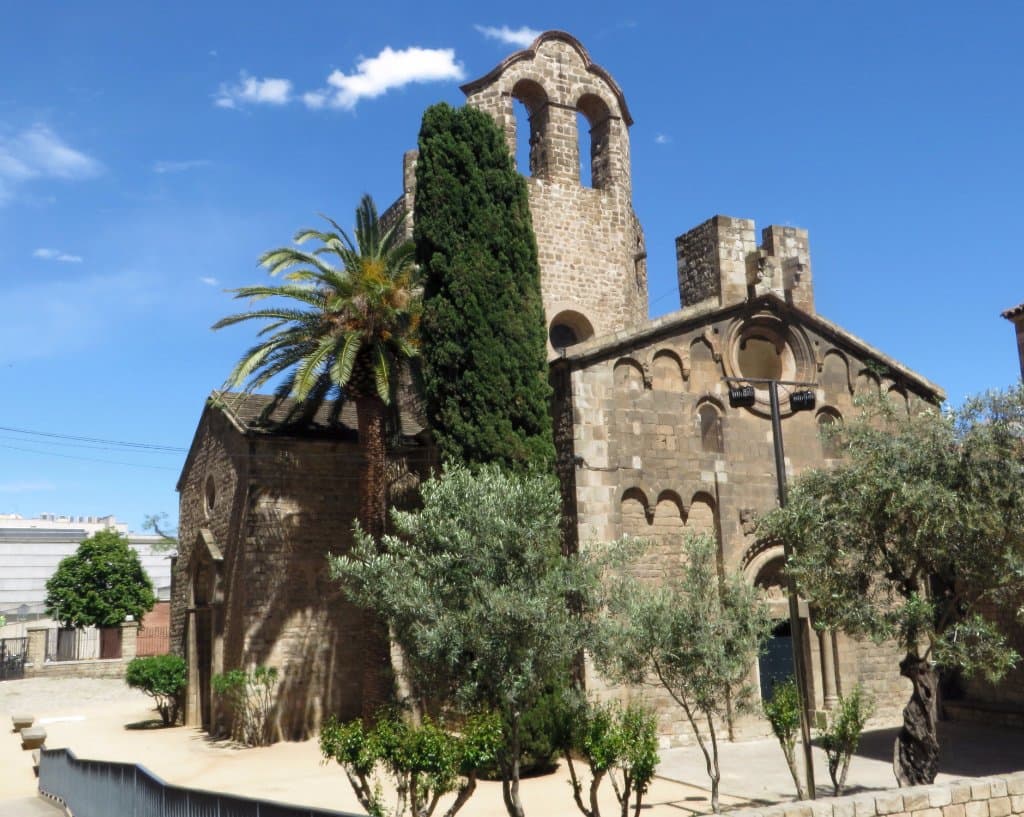
Sant Pau del Camp Barcelona
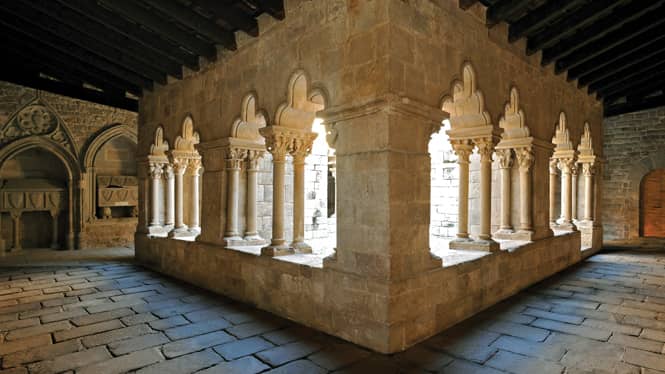
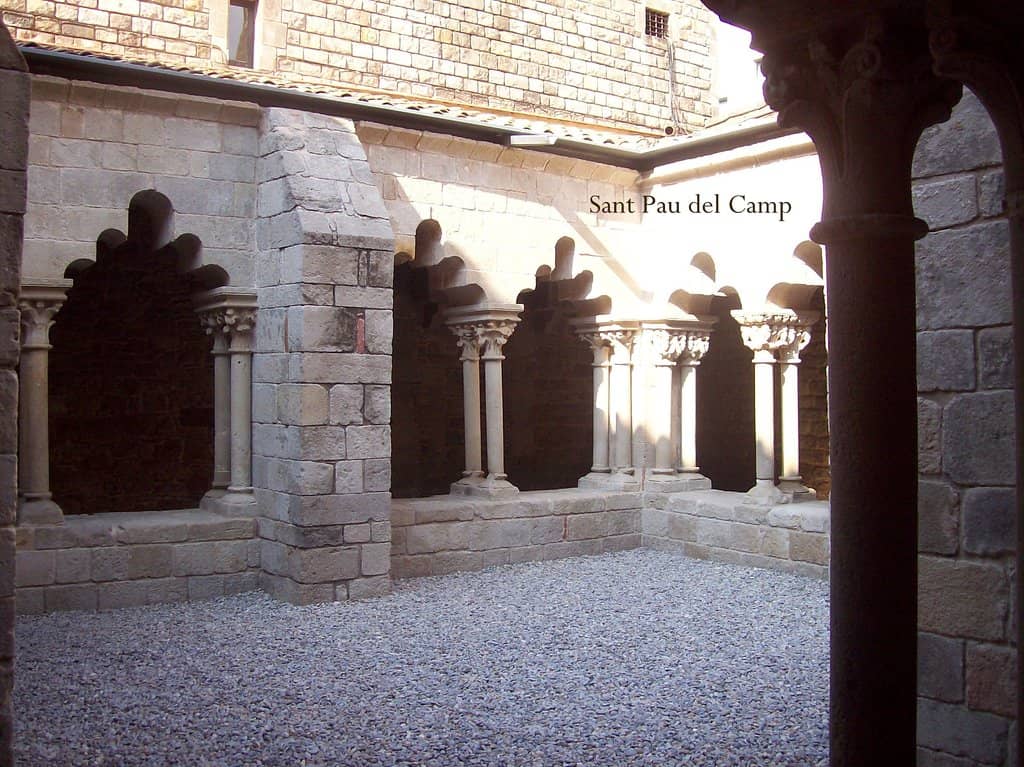
A serene Romanesque monastery in Barcelona, famed for its compact cloisters featuring elegant Moorish arches.
Highlights
Must-see attractions

Social
From TikTok & Reddit
Best Time
Peaceful atmosphere
Sant Pau del Camp Barcelona
Best Time
Peaceful atmosphere
Highlights
Must-see attractions
A serene Romanesque monastery in Barcelona, famed for its compact cloisters featuring elegant Moorish arches.
"Discover Barcelona's medieval heart with the tranquil beauty of Sant Pau del Camp."

🎯 Explore the Cloisters
Don't miss the compact cloisters with their elegant Moorish arches – a true highlight!
🤫 Seek Serenity
Visit early or late to avoid crowds and truly appreciate the peaceful Romanesque architecture.
Quick Facts
Hours
Rating
4.5 · 1,370 reviews
Type
Place of Worship
Highlights
Discover the most iconic attractions and experiences
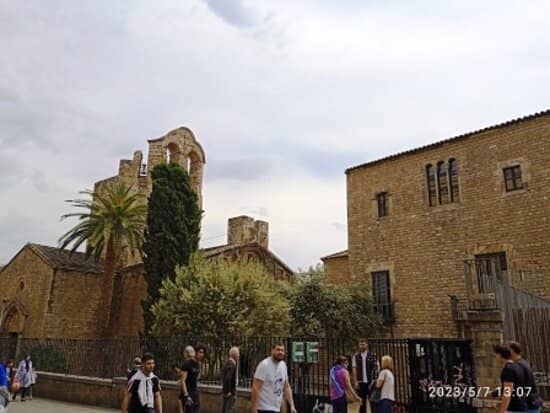
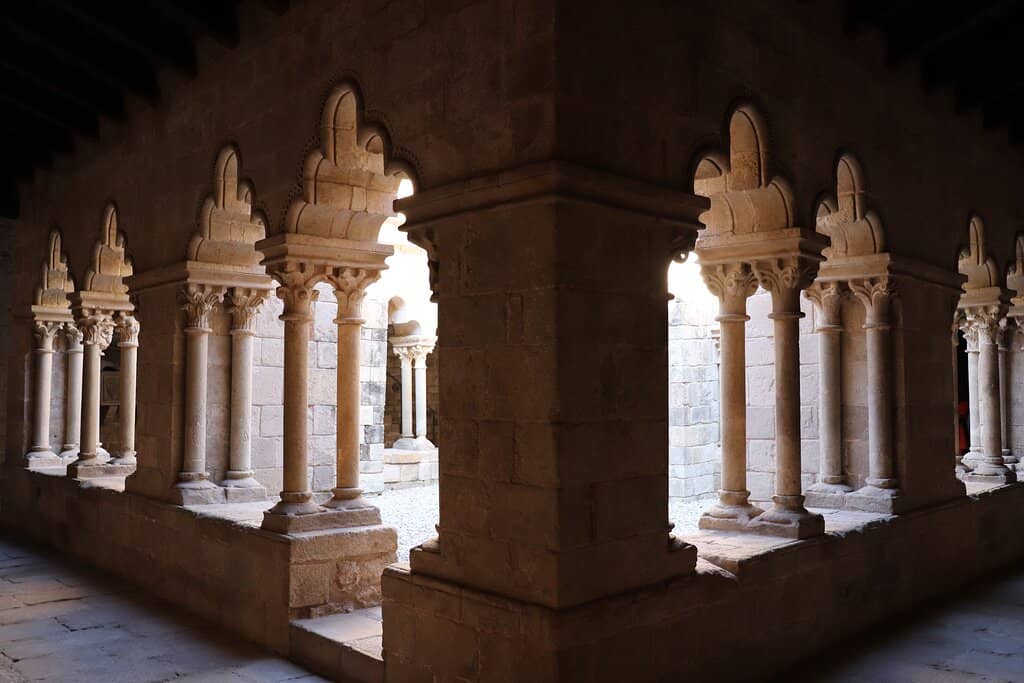
The Cloisters
Monastery Courtyard
Compact and elegant cloisters featuring unique Moorish arches, a stunning blend of Romanesque and Islamic influences.
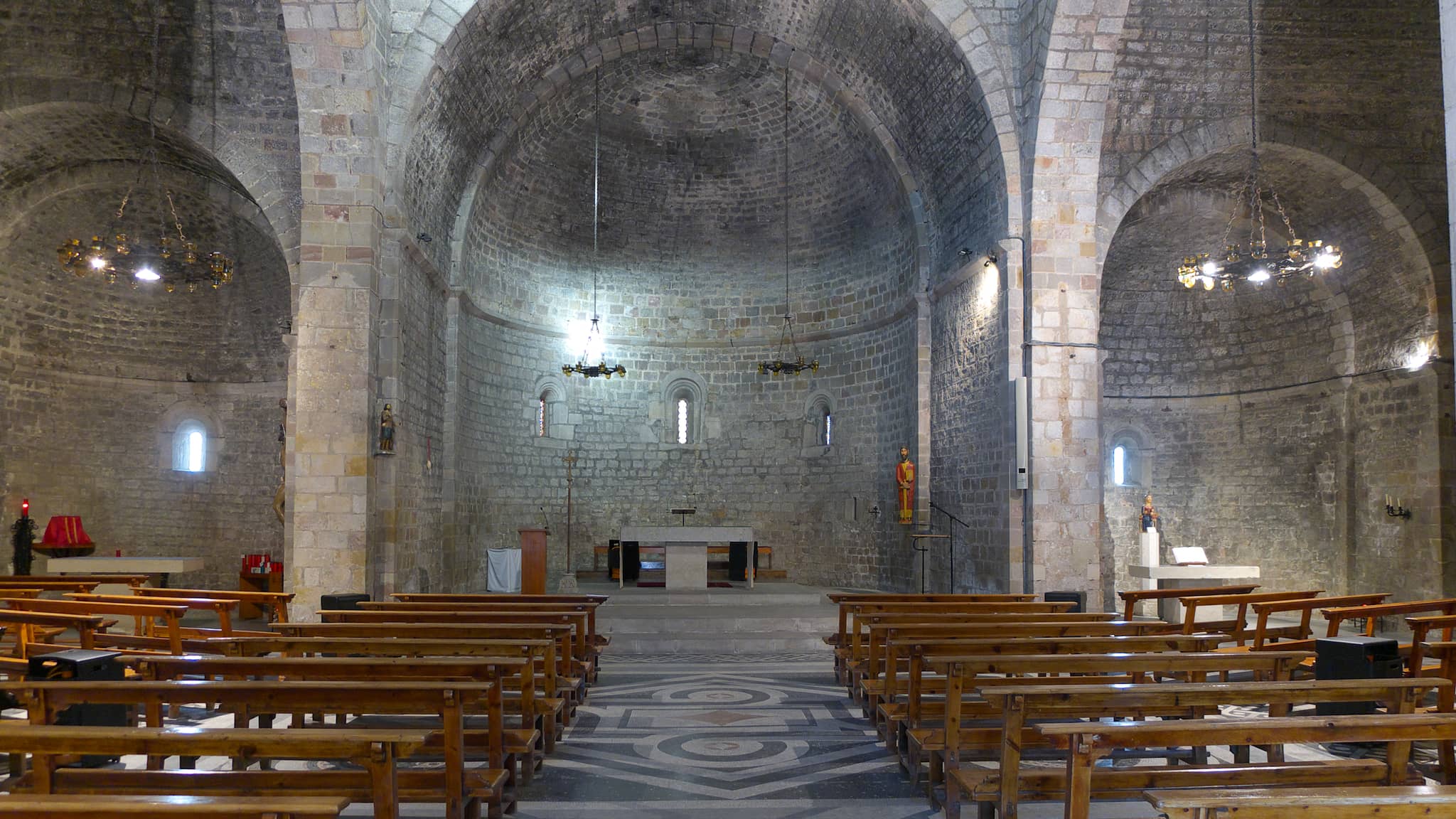
Romanesque Church
Main Sanctuary
A beautiful example of Romanesque architecture, offering a peaceful atmosphere and a glimpse into medieval religious life.
Noble Family Tombs
Church Nave
Discover the tombs of the Bell-Lloc family, patrons who helped reconstruct the monastery after its destruction.
Plans like a pro.
Thinks like you
Planning Your Visit
Beat the Crowds at Sant Pau del Camp
Discover Barcelona's Hidden Romanesque Gem
Best Times
Insider Tips
from TikTok, Instagram & Reddit
🎯 Explore the Cloisters
Don't miss the compact cloisters with their elegant Moorish arches – a true highlight!
🤫 Seek Serenity
Visit early or late to avoid crowds and truly appreciate the peaceful Romanesque architecture.
🚶♀️ Wander El Raval
Sant Pau del Camp is nestled in the vibrant El Raval district, perfect for exploring afterward.
📸 Capture the Details
The intricate arches and stonework make for stunning photos.
Tips
from all over the internet
🎯 Explore the Cloisters
Don't miss the compact cloisters with their elegant Moorish arches – a true highlight!
🤫 Seek Serenity
Visit early or late to avoid crowds and truly appreciate the peaceful Romanesque architecture.
🚶♀️ Wander El Raval
Sant Pau del Camp is nestled in the vibrant El Raval district, perfect for exploring afterward.
📸 Capture the Details
The intricate arches and stonework make for stunning photos.
What Travellers Say
Reviews Summary
Visitors praise Sant Pau del Camp for its serene atmosphere and unique Romanesque architecture, especially the cloisters with their Moorish arches. It's considered a hidden gem offering a peaceful escape from the city's bustle. Some note that it's smaller than expected and can be easily overlooked.
"Nice to see from the outside. Not really worth going inside.
11th century Benedictine monastery. Much of its architecture is Romanesque, making it one of the oldest buildings in Barcelona.
Typical of the Romanesque is its massive walls and tiny windows, in comparison to the Gothic style which employed huge windows thanks to advances in engineering.
A delightful aspect of the Romanesque is the creativity of the capitals (the decorative crown at the top of a column) with animals and mythological creatures, each capital having a unique design."
Kent Wang
"It was a small but compelling site to visit - almost no crowds, even on a weekend."
Ryan Smith
"Do check before attempting to visit. This church advertises itself as opening at 10am on weekdays on both the web and on signs on the gate. I arrived at 11am to find it firmly closed. I suggest trying to arrive shortly before or after mass."
Nick MJ
What People Like
What People Dislike
Frequently Asked Questions
🚇 🗺️ Getting There
Sant Pau del Camp is easily accessible via public transport. The nearest metro stations are Paral·lel (L2 and L3) and Sant Antoni (L2). Several bus lines also stop nearby. It's a pleasant walk from Las Ramblas and the Gothic Quarter, making it a great addition to your Barcelona itinerary.
Yes, it's quite walkable from many central Barcelona areas. It's a good stop if you're exploring El Raval or heading towards Montjuïc.
The closest metro stops are Paral·lel (L2, L3) and Sant Antoni (L2). From either station, it's a short walk to the monastery.
Parking in the El Raval district can be challenging and expensive. It's highly recommended to use public transport or walk to reach Sant Pau del Camp.
Yes, Barcelona has a good cycling infrastructure. There are Bicing stations nearby if you're a resident, or you can use rental services.
🎫 🎫 Tickets & Entry
Entry to the church itself is often free, but access to the cloisters or specific areas might require a ticket. It's best to check the official website or inquire on-site for the most current information regarding admission fees.
Opening hours can vary, especially for the monastery sections. Typically, it's open during daylight hours, but it's advisable to confirm the exact times before your visit, as they can change seasonally or for events.
While the church may be free to enter, there might be a small fee for accessing the cloisters or guided tours. Check for current pricing on their official channels.
Yes, you can typically explore the church and cloisters independently. Guided tours may be available for a deeper understanding of its history.
Occasionally, Sant Pau del Camp hosts events, concerts, or exhibitions. Keep an eye on local listings or their social media for any special happenings.
📸 📸 Photography
Photography is generally allowed inside the church and cloisters for personal use. However, flash photography might be restricted to protect the ancient artwork and structures. Always be respectful of worshippers and other visitors.
The cloisters, with their unique Moorish arches, are a photographer's dream. The interplay of light and shadow on the stonework is particularly beautiful. The church's Romanesque architecture also offers many picturesque angles.
Drone usage is typically restricted in urban areas and around historical monuments in Barcelona due to privacy and safety regulations. It's best to avoid flying drones here.
Early morning or late afternoon offers softer light, ideal for capturing the textures and details of the Romanesque architecture. The golden hour can create a magical atmosphere.
While specific photography tours might not be common, many general city tours will include stops here, offering opportunities to capture its beauty.
🎫 🏛️ History & Architecture
Sant Pau del Camp is a prime example of Catalan Romanesque architecture, with later Gothic and Moorish influences evident, particularly in its cloisters. 
The monastery's origins date back to the 10th century, though much of what you see today was rebuilt in the 12th century after being destroyed by Almanzor's troops.
The cloisters feature distinctive horseshoe arches, a clear nod to Moorish architectural styles, showcasing a fascinating blend of cultures in medieval Barcelona.
The Bell-Lloc family was a noble family who played a crucial role in the reconstruction of Sant Pau del Camp in the 12th century, and their tombs are located within the church.
No, Sant Pau del Camp is a much older Romanesque monastery. The Hospital de Sant Pau is a separate, modernist complex designed by Lluís Domènech i Montaner, built much later.


Social
from TikTok, Instagram & Reddit