San Bieito do Campo Church
A historic church in Santiago de Compostela, showcasing Romanesque, Gothic, and Neoclassical styles, often closed but rich in interior art.
Highlights
Must-see attractions

Social
From TikTok & Reddit
Best Time
Higher chance of being open.
San Bieito do Campo Church
Best Time
Higher chance of being open.
Highlights
Must-see attractions
A historic church in Santiago de Compostela, showcasing Romanesque, Gothic, and Neoclassical styles, often closed but rich in interior art.
"Small but steeped in history, this narrow, elongated church dates back to the 10th century."
Check Opening Hours First
Many visitors find the church closed. Confirm hours before your visit! :clock1:
Look for Sacred Art
The interior boasts Baroque carvings and sacred art, a contrast to the plain exterior. 🎨
Quick Facts
Rating
4.4 · 45 reviews
Type
Church
Highlights
Discover the most iconic attractions and experiences
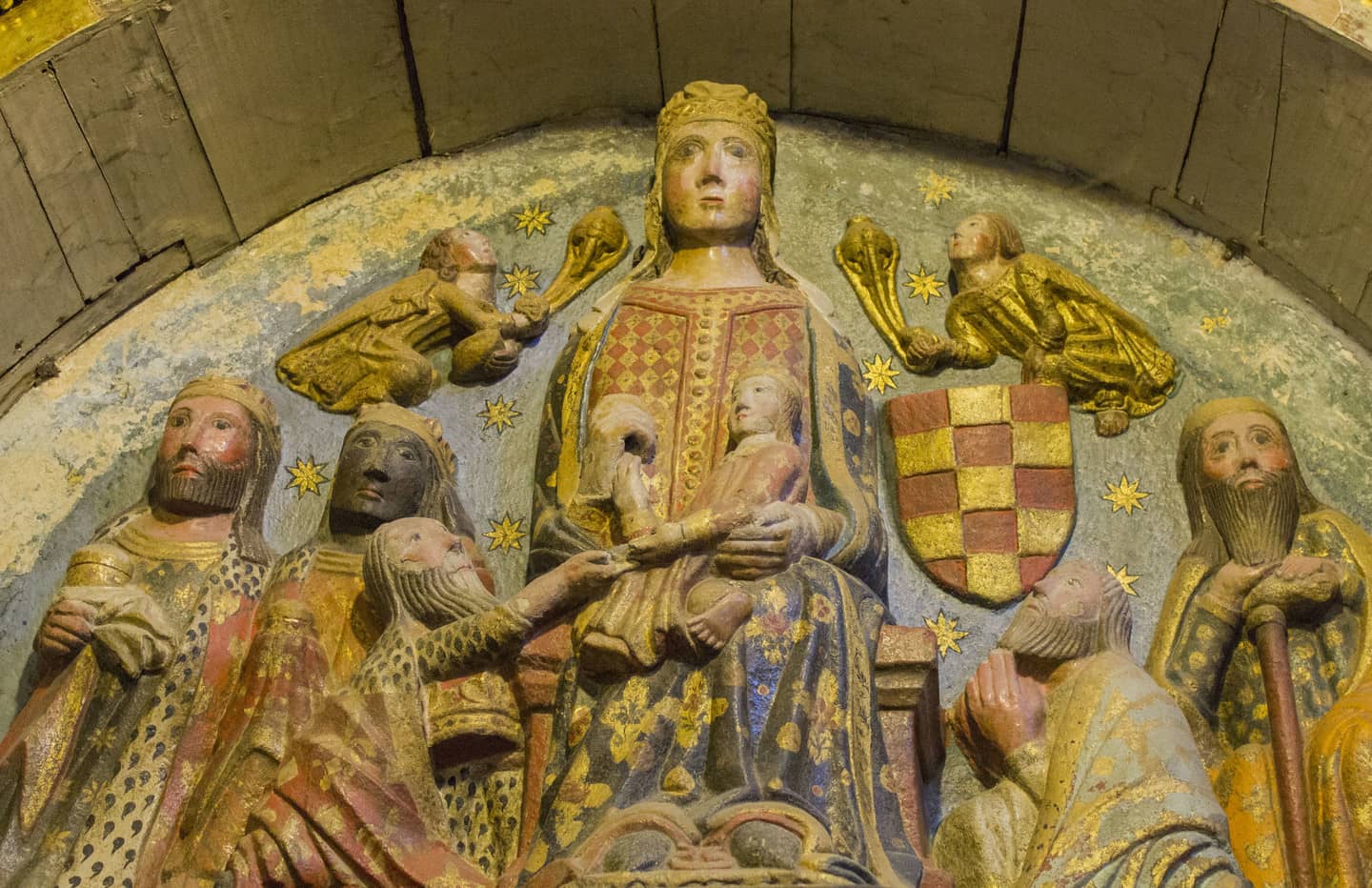
Tympanum of the Epiphany
Interior
A rare medieval remnant depicting the Epiphany and a donor's coat of arms.

Baroque Carvings
Interior
Intricate Baroque sculptures of saints like Saint Anthony and Saint Joseph.

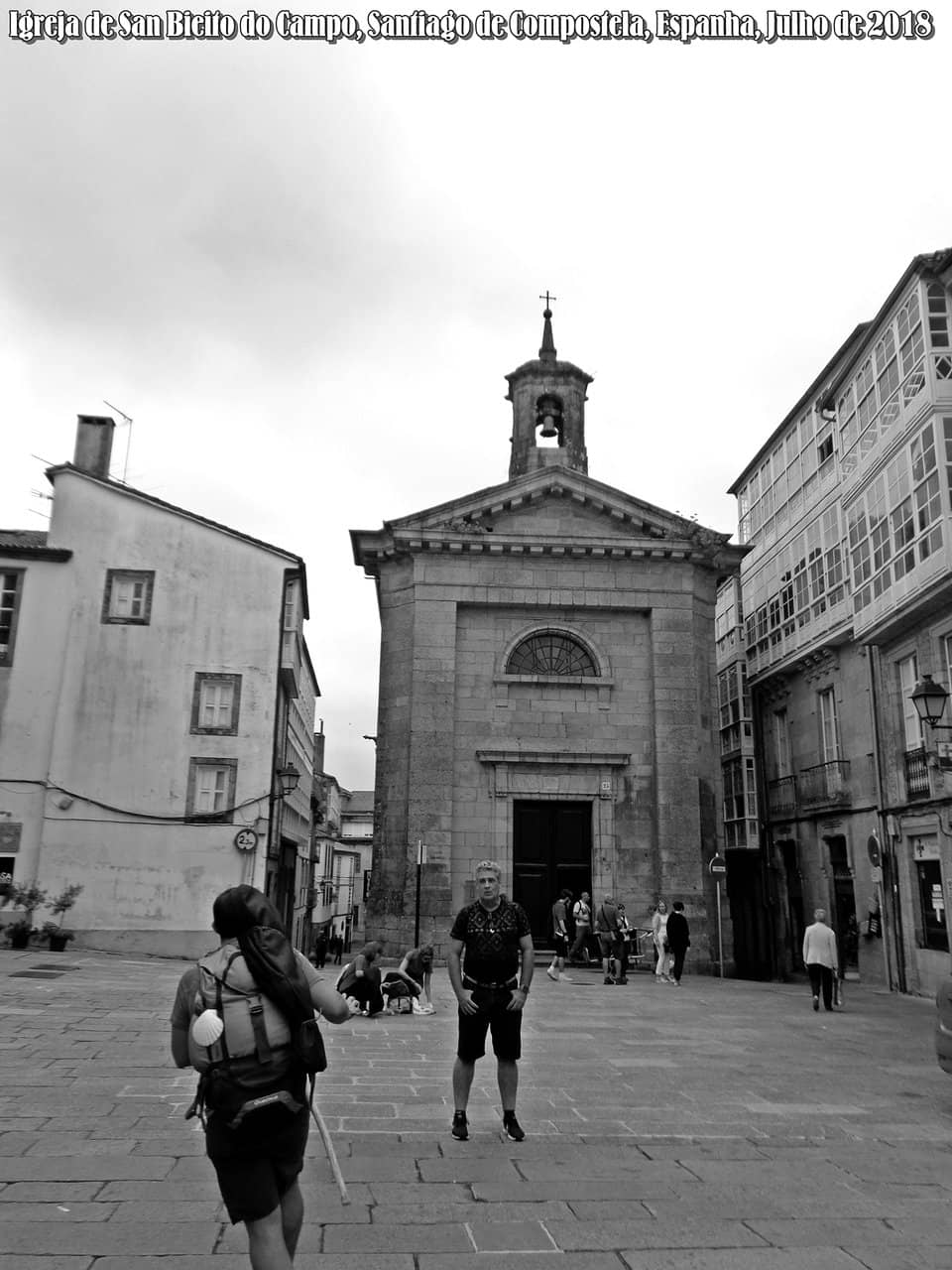
Neoclassical Facade
Exterior
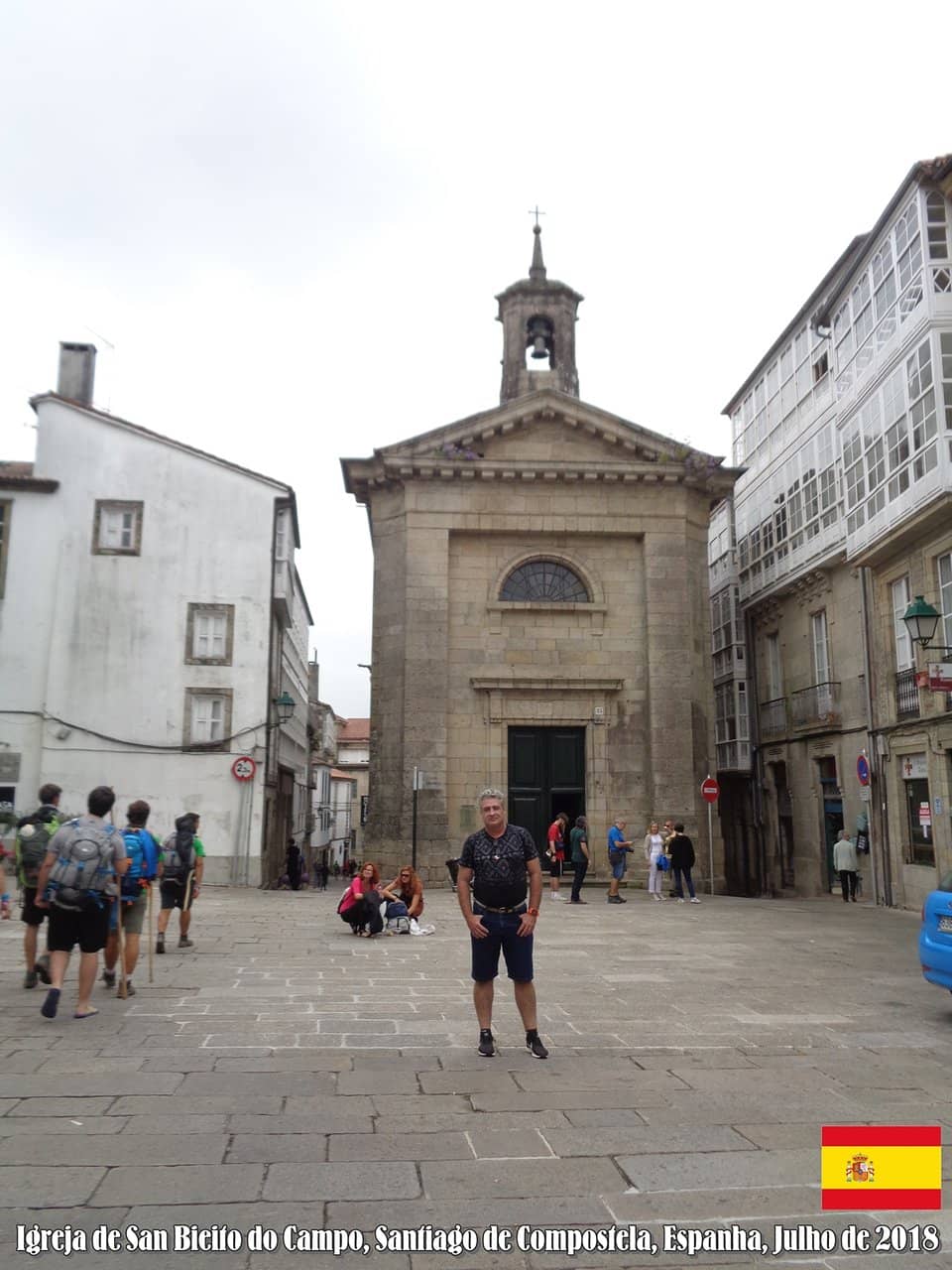
An 18th-century sober yet elegant facade with a small bell tower.
Plans like a pro.
Thinks like you
Planning Your Visit
Timing Your Visit
Appreciating the Art
Best Times
Insider Tips
from TikTok, Instagram & Reddit
Check Opening Hours First
Many visitors find the church closed. Confirm hours before your visit! :clock1:
Look for Sacred Art
The interior boasts Baroque carvings and sacred art, a contrast to the plain exterior. 🎨
Appreciate the History
Built on 10th-century foundations, it's a blend of Romanesque, Gothic, and Neoclassical styles. 📜
Tips
from all over the internet
Check Opening Hours First
Many visitors find the church closed. Confirm hours before your visit! :clock1:
Look for Sacred Art
The interior boasts Baroque carvings and sacred art, a contrast to the plain exterior. 🎨
Appreciate the History
Built on 10th-century foundations, it's a blend of Romanesque, Gothic, and Neoclassical styles. 📜
What Travellers Say
Reviews Summary
San Bieito do Campo Church is a historically significant site, noted for its blend of architectural styles and interior Baroque art. However, many visitors are disappointed by its frequent closure, making access unpredictable. Its austere facade contrasts with its richer interior, but the main drawback remains its inaccessibility.
"Small but steeped in history, this narrow, elongated church in Plaza de Cervantes dates back to the 10th century and was rebuilt in the Romanesque style in the 12th century (restored by Diego Xelmírez). Its tympanum of the Epiphany and a Gothic altar are highlights. In the 18th century, it was demolished and rebuilt in the Neoclassical style by Melchor de Prado Mariño. The sober but elegant interior preserves Baroque carvings (Saint Anthony, Saint Joseph, Saint John the Baptist) and a display of sacred art. Its austere façade and elevated location lend a solemn air to this discreet gem."
Culutri Nievas
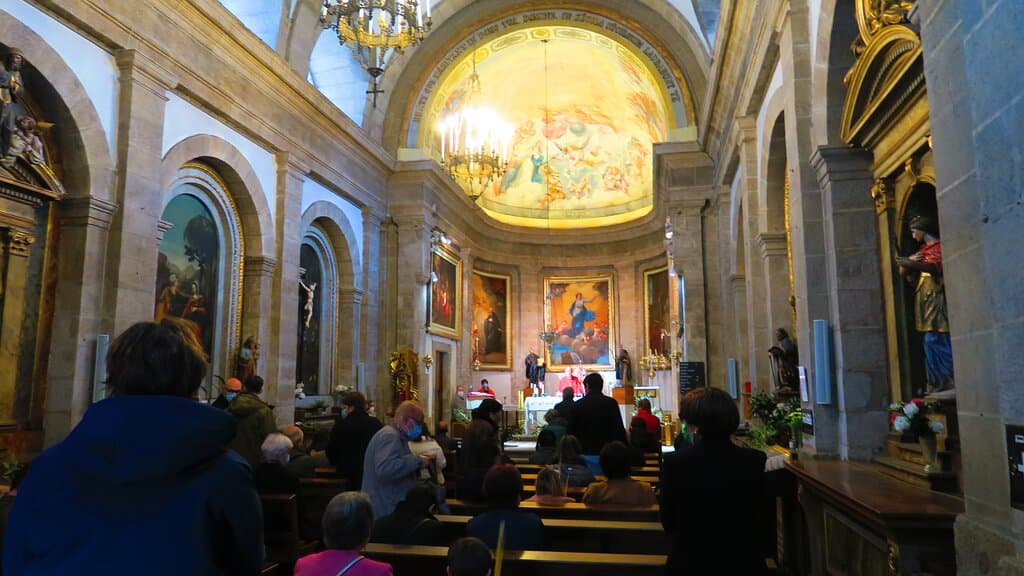
"Rarely during my visit to Santiago, I have seen the Church of San Benito del Campo open. Today, Holy Saturday, they celebrated the Easter Vigil and I was able to see it again.
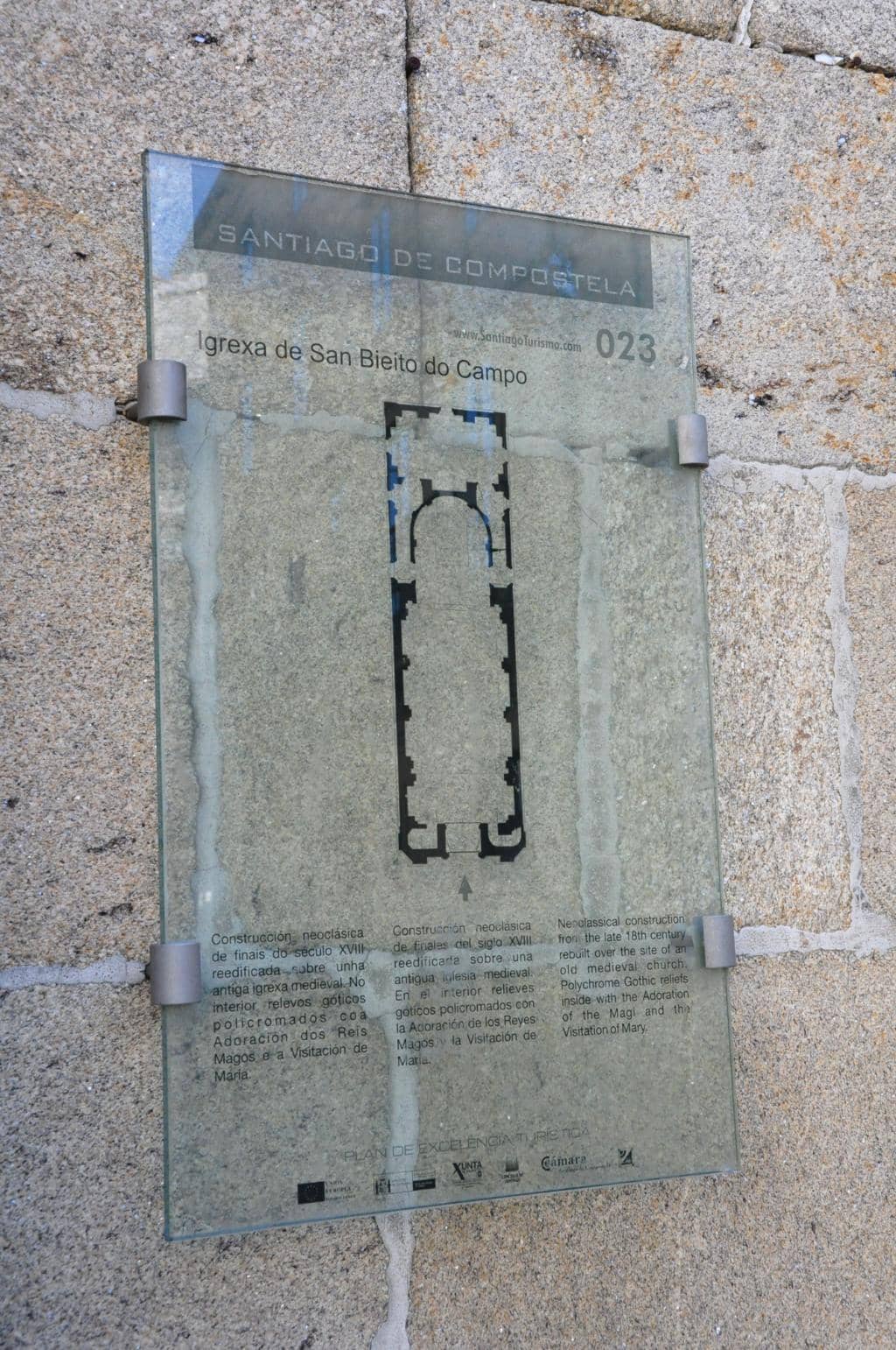
It is a neoclassical construction from the 18th century, on top of a previous medieval-style one.
Inside, some polychrome reliefs stand out about the Visitation of Mary to her cousin Saint Elizabeth and the Adoration of the Magi."
Alberto Andres Rubio
"The first church in Compostela in honor of Saint Benedict was built at the end of the 10th century. By the early years of the 12th century, it was already one of the city's parishes, and was then rebuilt in the Romanesque style by order of Diego Gelmírez, the first archbishop of Compostela.
Little is known about subsequent renovations, since in 1795 the church was completely demolished and rebuilt in the neoclassical style promoted by the Royal Academy of Fine Arts of San Fernando, with Melchor de Prado as its architect. A rather austere façade, crowned by a small bell tower, precedes a single nave behind which lies the sacristy.
From the medieval period, only a tympanum from the early 14th century remains, depicting the Epiphany and the donor, above which appears his coat of arms, probably belonging to the Ocampo family—albeit with changed colors—one of the powerful families in Santiago at the time. Beneath it, a Visitation probably from the 15th century."
Francisco Javier Perez Rodriguez
What People Like
What People Dislike
Frequently Asked Questions
🚇 🗺️ Getting There
San Bieito do Campo Church is located in Plaza de Cervantes, a central area in Santiago de Compostela. It's easily accessible on foot from other major landmarks like the Cathedral. If arriving by bus or train, it's a moderate walk through the old town.
Parking in the historic center of Santiago de Compostela can be challenging. It's recommended to use public parking garages like the one at Alameda Park or Praza Roxa and walk to the church.
🎫 🎫 Tickets & Entry
Entry to San Bieito do Campo Church is typically free, but the church is often closed to visitors. It's crucial to check for any specific opening hours or if there are any special events that might allow access.
Opening hours for San Bieito do Campo Church are notoriously inconsistent. Many visitors report finding it closed. It's best to check local listings or inquire nearby, as there isn't a fixed schedule readily available.
No, San Bieito do Campo Church is frequently closed. Visitors often express disappointment at not being able to enter. It's advisable to plan your visit around potential religious services or events.
🎫 🏛️ Onsite Experience
Inside, you can find Baroque carvings of saints like Saint Anthony and Saint Joseph, as well as a display of sacred art. Remnants from earlier periods include a 14th-century tympanum depicting the Epiphany and a 15th-century Visitation.
While disappointing if closed, the church's historical significance and its location in Plaza de Cervantes make it a point of interest. The exterior, though neoclassical, is part of the city's architectural tapestry.
The church is primarily a Neoclassical construction from the 18th century, built over earlier Romanesque and Gothic structures. Its facade is described as sober and elegant.
📸 📸 Photography
If you are fortunate enough to enter, photography is generally permitted inside churches, but it's always respectful to check for any posted signs or ask a church official. Be mindful of services in progress.
The church is situated in Plaza de Cervantes, a lively square. You can capture the church's facade against the backdrop of the square's architecture. The elevated location offers some interesting angles.





Social
from TikTok, Instagram & Reddit