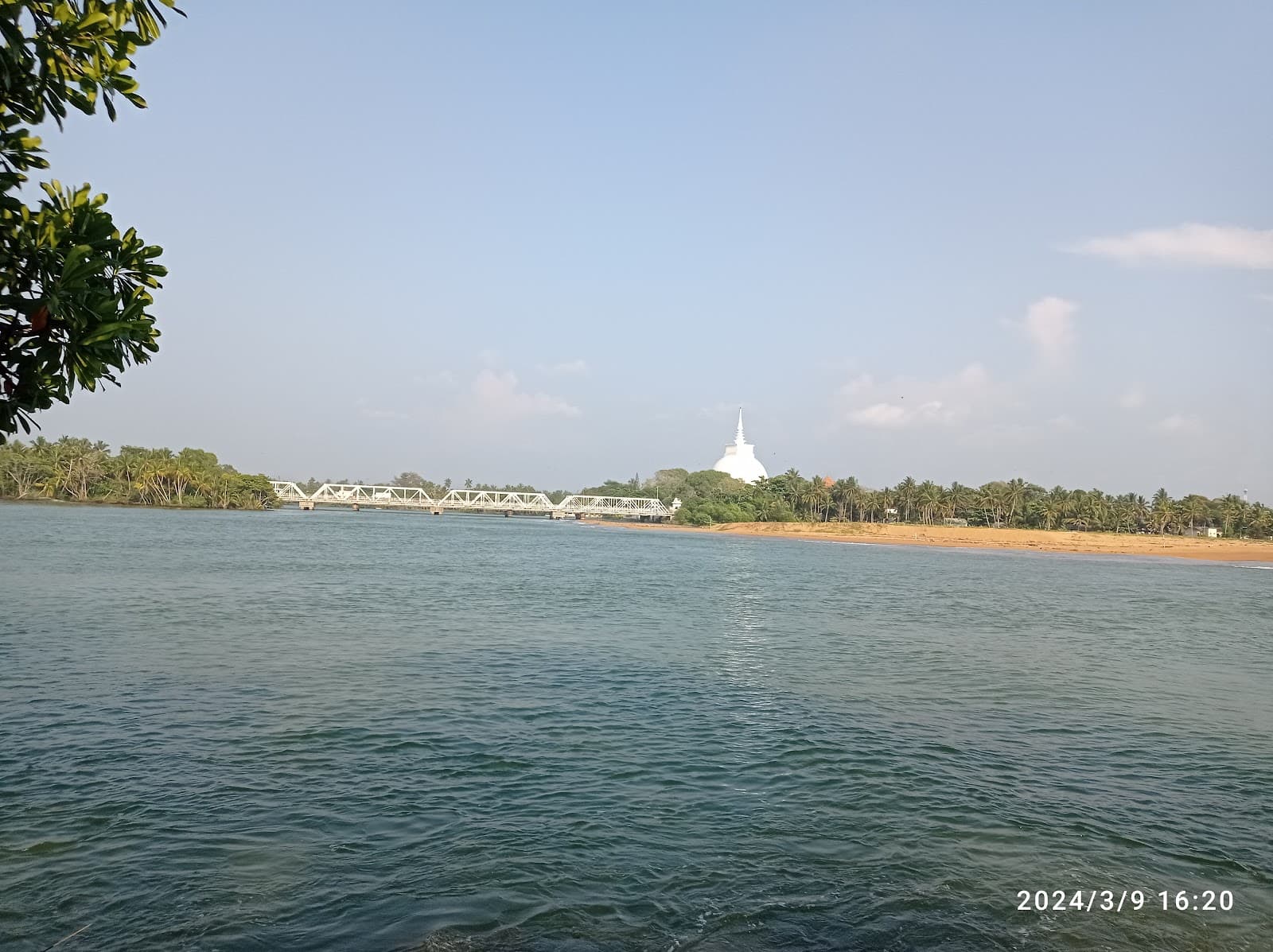
Kalu Ganga Estuary Kalutara
Sri Lanka's most dynamic estuary, where the Kalu Ganga meets the sea, showcasing constant change and coastal dynamics.
Highlights
Must-see attractions

Social
From TikTok & Reddit
Best Time
Witness peak river flow
Kalu Ganga Estuary Kalutara
Best Time
Witness peak river flow
Highlights
Must-see attractions
Sri Lanka's most dynamic estuary, where the Kalu Ganga meets the sea, showcasing constant change and coastal dynamics.
"A dynamic natural wonder showcasing the powerful forces of river and sea, with visible impacts of coastal change."
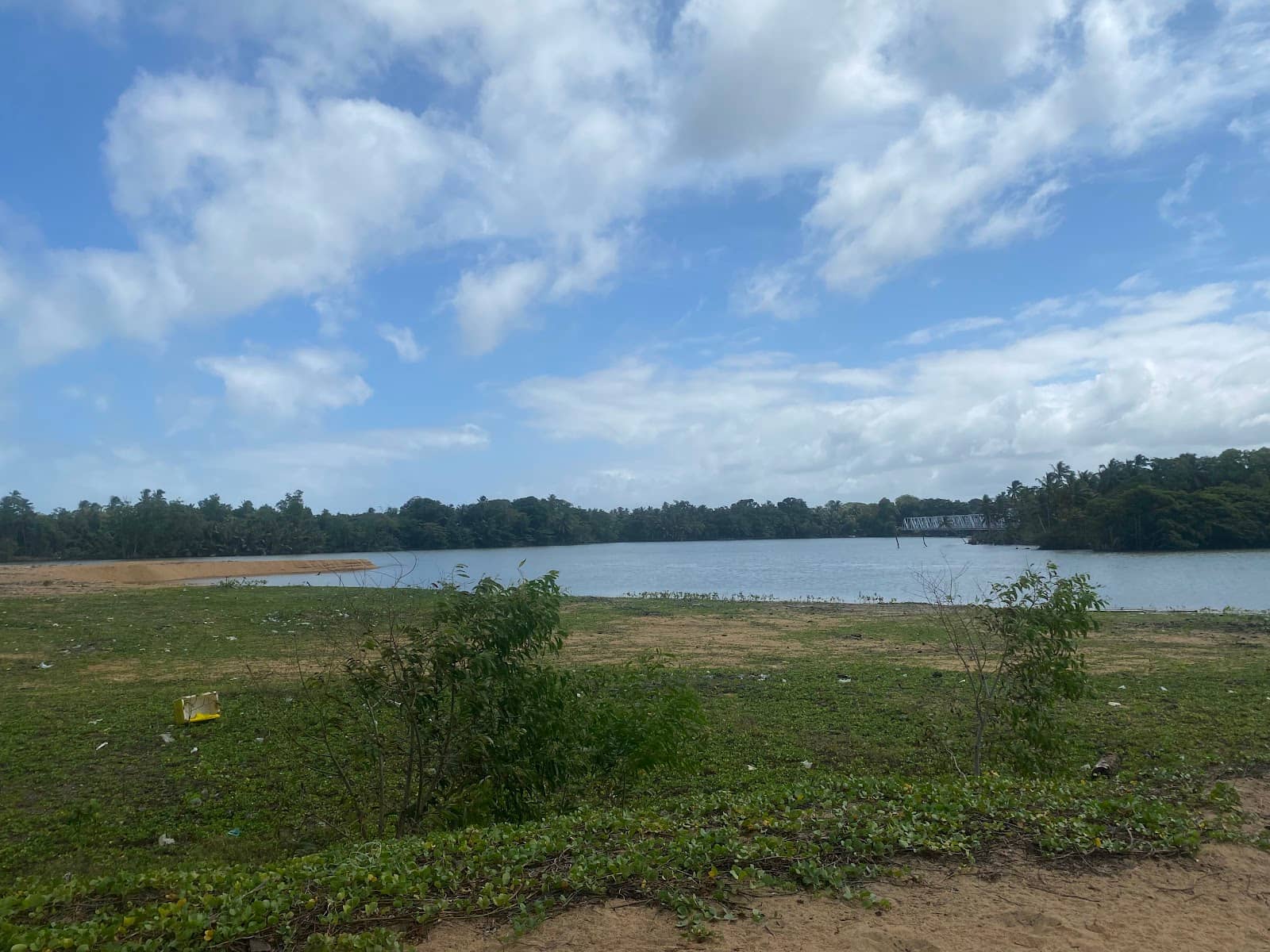
Observe the Tides
Tides significantly impact the estuary's appearance and accessibility. Check tide times before visiting. 🌊
Wear Sturdy Footwear
The terrain can be uneven with sand and potentially wet areas. :athletic_shoe:

Quick Facts
Highlights
Discover the most iconic attractions and experiences
The Dynamic Estuary
Witness the powerful confluence of the Kalu Ganga river and the Indian Ocean, a constantly shifting natural wonder.
River Mouth Changes
Observe how man-made interventions alter the sandbars, showcasing nature's resilience and human impact.
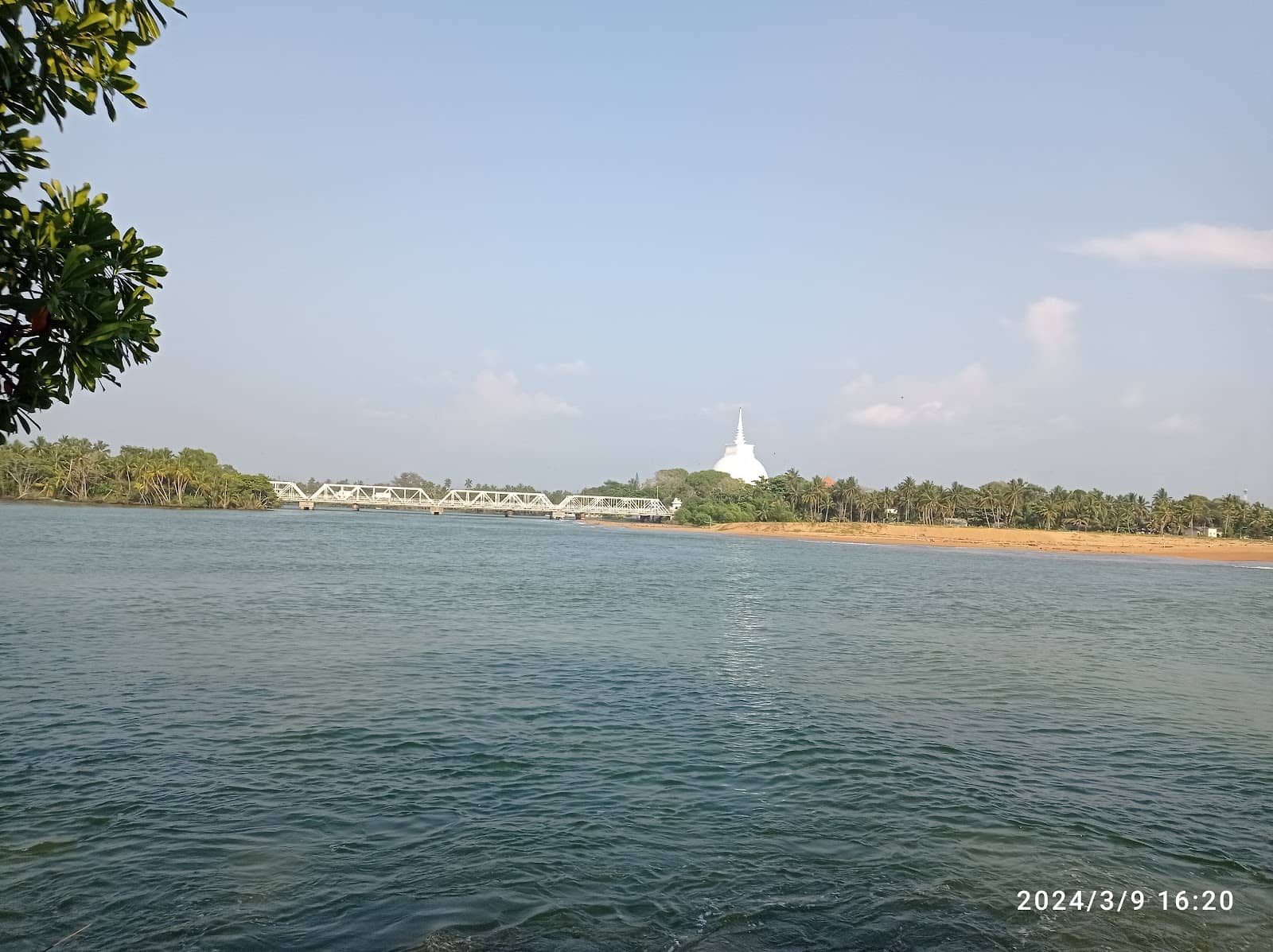
Coastal Erosion Evidence
See firsthand the effects of sand drift and erosion on the Kalutara coastline.
Plans like a pro.
Thinks like you
Planning Your Visit
Dynamic River Mouth
Coastal Erosion Impact
Best Times
Insider Tips
from TikTok, Instagram & Reddit
Observe the Tides
Tides significantly impact the estuary's appearance and accessibility. Check tide times before visiting. 🌊
Wear Sturdy Footwear
The terrain can be uneven with sand and potentially wet areas. :athletic_shoe:
Respect Local Interventions
Understand that the estuary's form is influenced by local flood control efforts. :construction_worker:
Tips
from all over the internet
Observe the Tides
Tides significantly impact the estuary's appearance and accessibility. Check tide times before visiting. 🌊
Wear Sturdy Footwear
The terrain can be uneven with sand and potentially wet areas. :athletic_shoe:
Respect Local Interventions
Understand that the estuary's form is influenced by local flood control efforts. :construction_worker:
What Travellers Say
Reviews Summary
The Kalu Ganga Estuary is a dynamic natural site, notable for its constantly changing river mouth and the visible impacts of coastal erosion. While it offers a unique glimpse into environmental processes, visitors should be aware of the shifting landscape and potential erosion effects.
"This is the most dynamic estuary in Sri Lanka. It brings the largest amount of water and sediments to the western coast. The river mouth changes periodically due to man-made cuts in the sandbars to control flooding. However, after the cut made in 2017, the sandbar was washed away, and the sand drifted towards the south and north, causing erosion in the Kalutara area. The bridge abutments also experienced severe erosion, with the sheet piles placed at the abutments tilting. At present, the river flows as a deep, narrow canal along the Gangarama Vihara side, while sediments have been deposited on the Navy Bank side."
Sameera Samarasekara
""
oshadhi wijesinghe
What People Like
What People Dislike
Frequently Asked Questions
🚇 🗺️ Getting There
The Kalu Ganga Estuary is located in Kalutara, easily accessible by road. You can take a bus or a taxi from Colombo or other nearby towns. The estuary is near the Kalutara town center, making it convenient to reach.
Parking availability can vary. It's advisable to look for parking in the Kalutara town area and then walk towards the estuary. Some local spots might offer informal parking.
Yes, public buses frequently travel to Kalutara. From the main bus station, you can get local transport or walk to the estuary area.
🎫 🎫 Tickets & Entry
No, there are no entrance fees to visit the Kalu Ganga Estuary. It's a natural public area.
The estuary is accessible at all times, as it's an open natural environment. However, visiting during daylight hours is recommended for safety and better viewing.
🎫 🏞️ Onsite Experience
You can observe the dynamic interaction between the river and the sea, witness the changing sandbars, and see evidence of coastal erosion. It's a great spot for nature observation and photography.
Swimming is generally not recommended due to strong currents, changing depths, and potential boat traffic. Always prioritize safety and heed any local warnings.
Formal guided tours are not common. However, local fishermen or residents might offer insights if you engage respectfully. It's best to explore independently or with a local guide if arranged.
Visiting at different times of the day or after significant weather events can reveal the estuary's dynamic nature. Observing the tide's influence is also key.
Fishing is a common activity for locals. If you wish to fish, ensure you have the necessary permits and respect local fishing practices.
📸 📸 Photography
Sunrise and sunset offer beautiful lighting conditions. The changing tides also create dramatic visual shifts, making it ideal for capturing the estuary's dynamic nature.
Landscape photography is excellent here, focusing on the river meeting the sea, the sandbars, and the coastal features. Wildlife photography might also be rewarding if you spot local birds.
The bridge area and the banks of the estuary offer various vantage points. Exploring along the coastline can reveal unique perspectives of the sand formations and erosion.



Social
from TikTok, Instagram & Reddit